The Largest Collection of Victorian Architecture in America
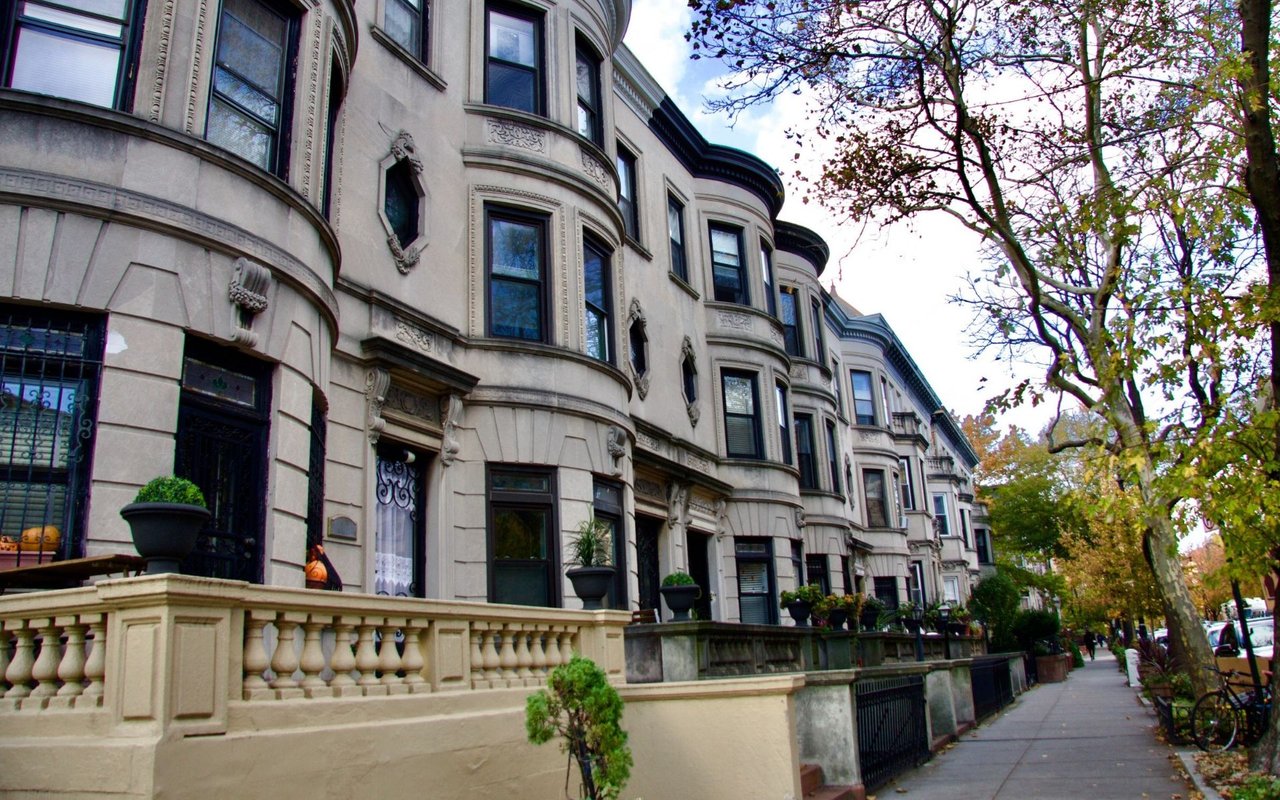
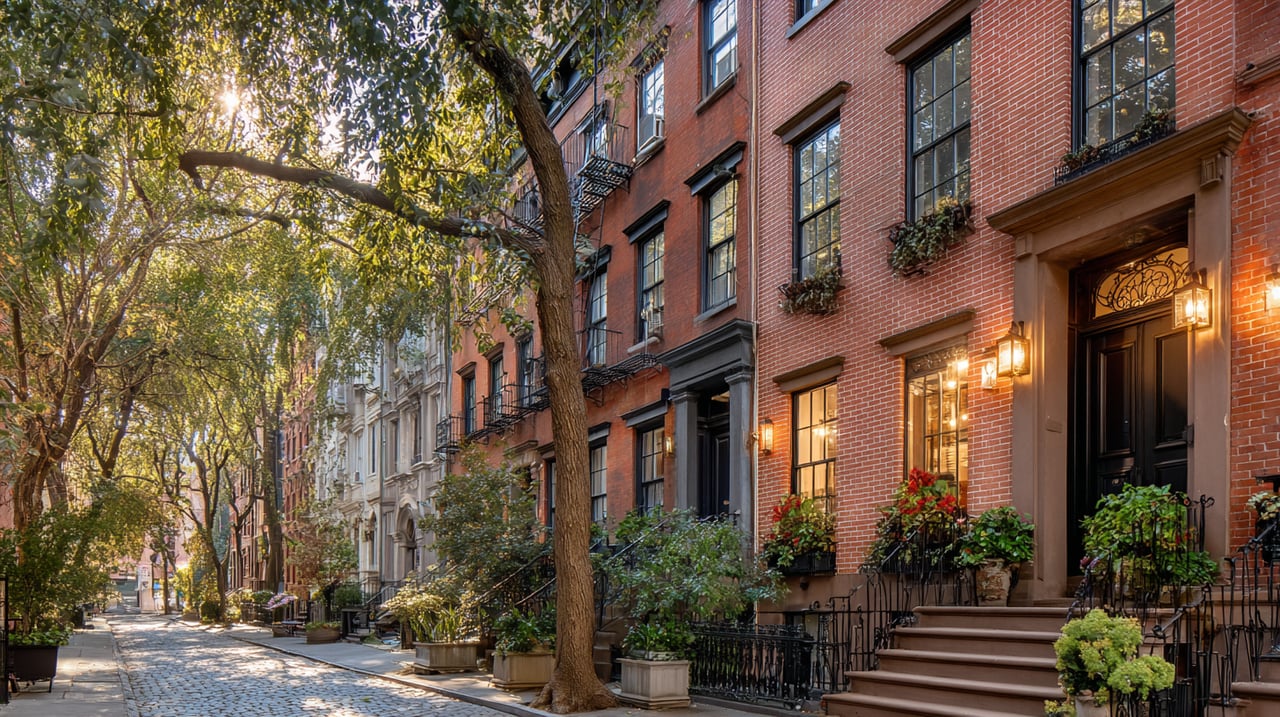
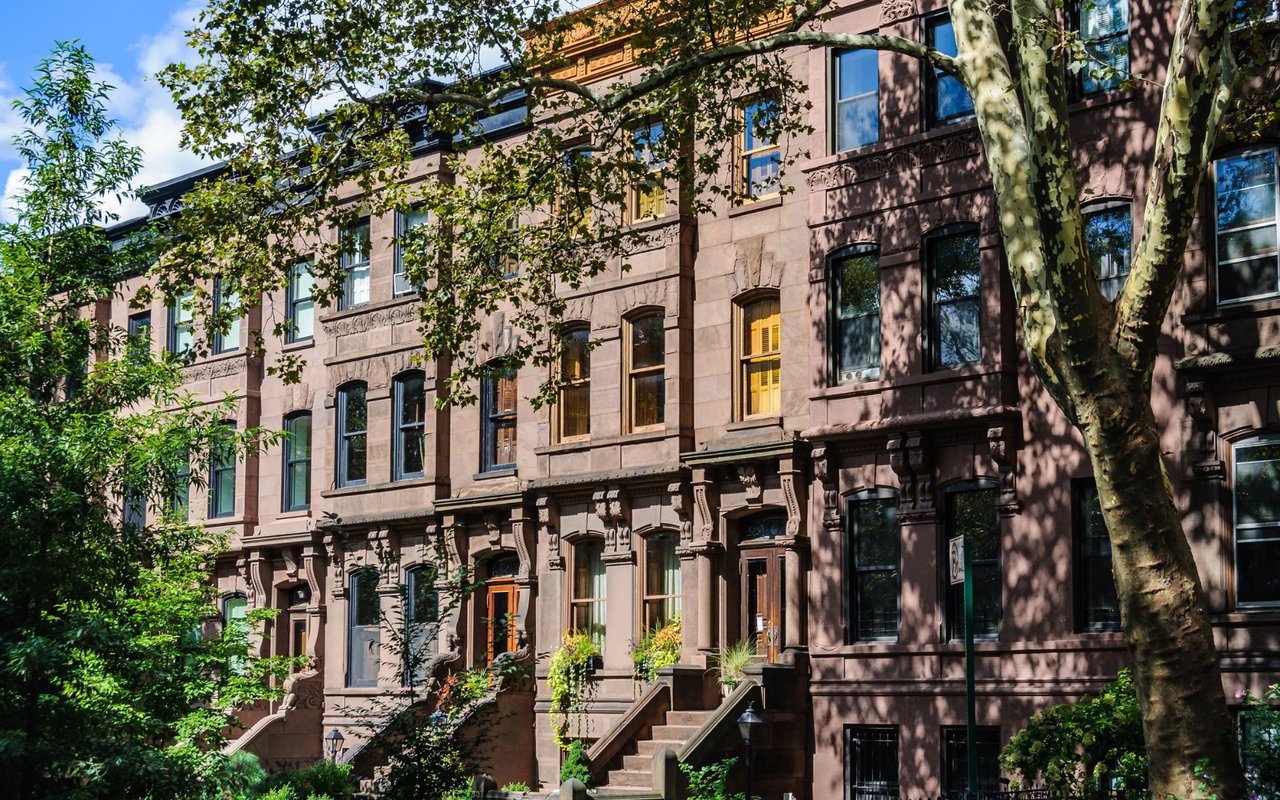
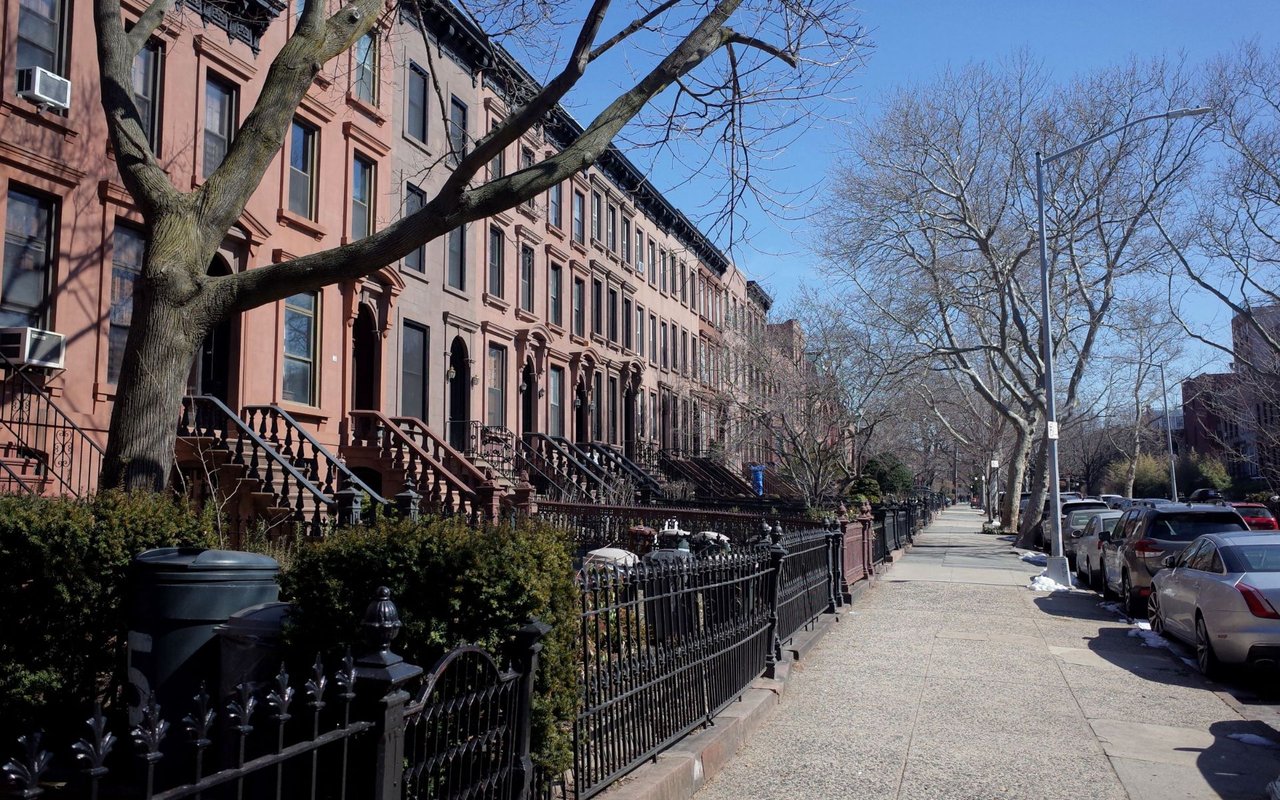
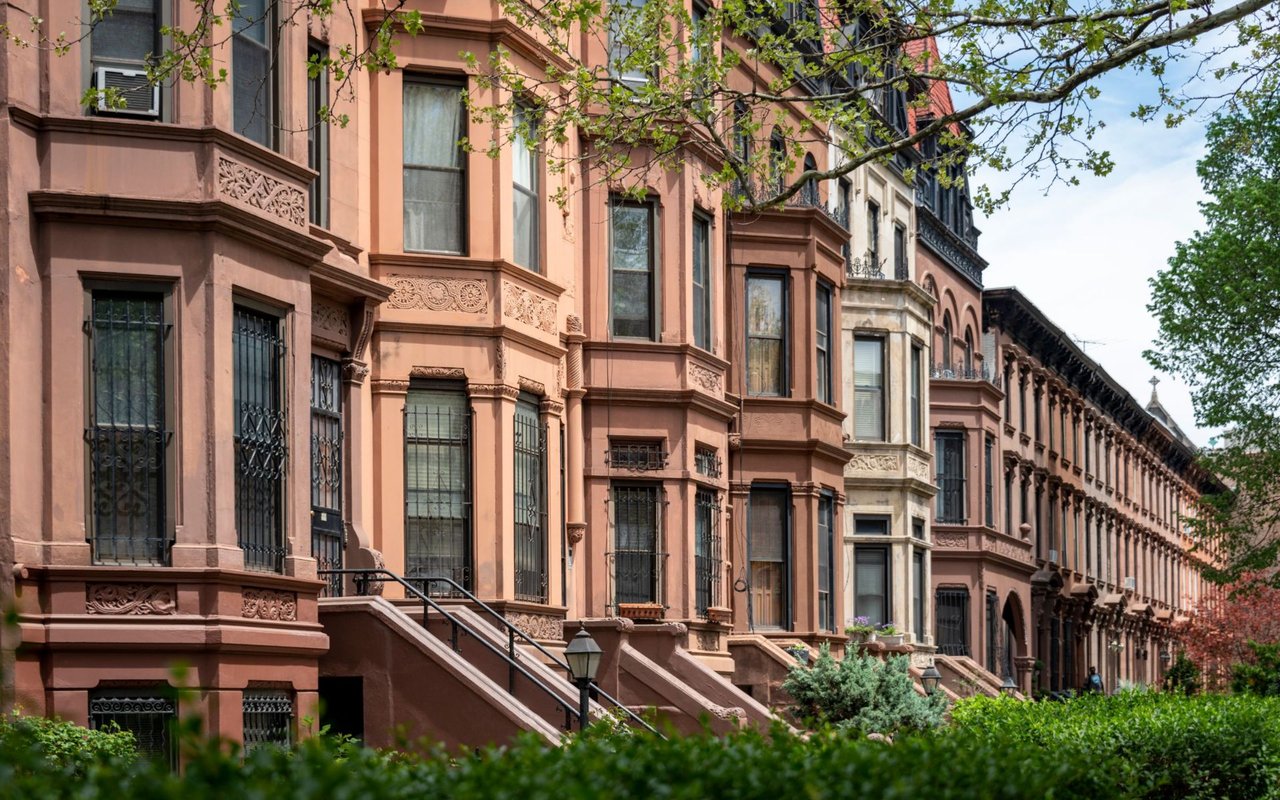
Bedford-Stuyvesant contains roughly eight thousand eight hundred buildings constructed before 1900, making it the largest intact collection of Victorian-era residential architecture in the United States. The scale of that inventory is difficult to appreciate until you walk it. Block after block of brownstone and limestone row houses, many with ornamental details that rival anything in Park Slope or the Upper West Side, extend across a territory that dwarfs most of Brooklyn's other residential neighborhoods. The wide streets, the mature tree canopy, and the consistent three-and four-story scale of the buildings create a streetscape that feels both grand and accessible.
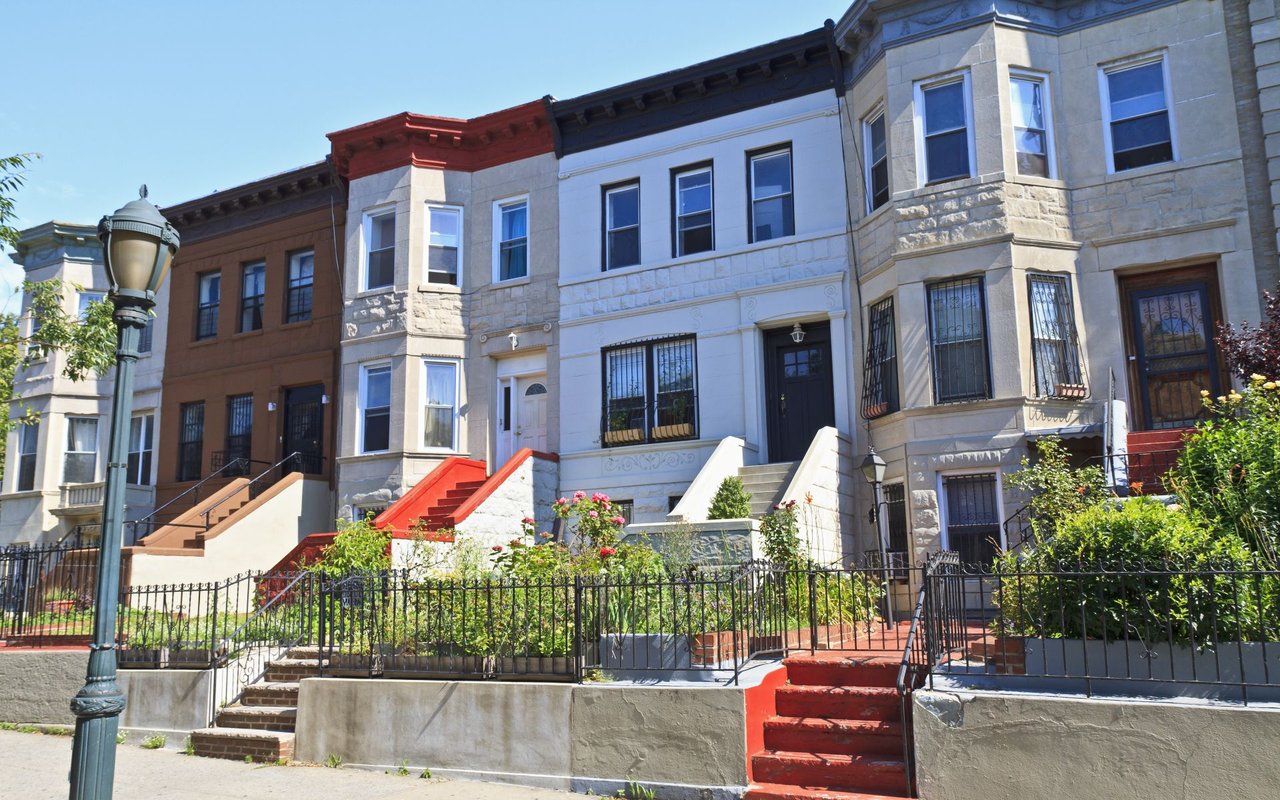
The Stuyvesant Heights Historic District, designated by the Landmarks Preservation Commission, protects a portion of this inventory along the blocks between Chauncey Street and Bainbridge Street, Stuyvesant Avenue and Tompkins Avenue. The district's contributing buildings include some of the most richly ornamented row houses in the borough: Romanesque Revival arches, carved brownstone lintels, intact stained-glass transoms, and ironwork that reflects the full range of late-nineteenth-century decorative vocabulary.
Why Is There So Much Architecture in Bedford-Stuyvesant?
Bedford-Stuyvesant's architecture is a product of the neighborhood's development during Brooklyn's period of greatest growth. In the decades following the opening of the Brooklyn Bridge in 1883, the area attracted builders who constructed speculative row houses for a growing middle class. These builders worked from pattern books but applied the prevailing architectural styles with a seriousness and investment in detail that reflected both the aspirations of their buyers and the competitive pressure of a rapidly expanding market.
The result was a neighborhood built in a compressed period by craftspeople who understood stone carving and ironwork at a level that the construction industry has largely abandoned. The brownstone facades in Bed-Stuy are not merely decorative. They are structural, and the quality of the stone and the precision of the carving are visible to anyone who pauses to look. The distinction between a facade carved with care and one executed hastily is legible in the depth of the relief, the sharpness of the lines, and the condition of the stone more than a century later.
In Bedford-Stuyvesant, the architecture is not a backdrop. It is the reason people come.
The Stuyvesant Heights Historic District
The Stuyvesant Heights Historic District is the neighborhood's architectural centerpiece. The row houses within the district's boundaries are among the most elaborate in Brooklyn, with facades that demonstrate the full range of late-Victorian style. Romanesque Revival buildings with heavy arched entries sit beside Queen Anne houses with varied rooflines and polychrome brickwork. Neo-Grec row houses display the sharp, incised ornament that defined the style. The variety within a single district reflects the multiple pattern books and architectural influences that were circulating among Brooklyn's builders in the 1880s and 1890s.
The preservation of these buildings is uneven but improving. Some row houses have been meticulously restored, their facades repointed and their interiors renovated with sensitivity to the original layouts. Others remain in conditions that range from habitable but original to significantly deteriorated. For buyers willing to undertake restoration, the Stuyvesant Heights district offers the opportunity to own a building of genuine architectural significance at price points that the more established brownstone neighborhoods cannot match.
The African American Cultural Heritage
Bedford-Stuyvesant's significance in African American cultural history is profound and should be understood as part of any serious engagement with the neighborhood. From the Great Migration through the civil rights era and beyond, Bed-Stuy has been a center of Black political and intellectual life in New York City. The neighborhood's institutions, churches and cultural organizations reflect that history. The Billie Holiday Theatre and the Restoration Plaza complex developed by the Bedford-Stuyvesant Restoration Corporation (the first community development corporation in the nation) are expressions of a community that has shaped the cultural life of the city.
That heritage is not separate from the real estate market. It is woven into the fabric of the neighborhood in ways that responsible engagement requires acknowledging. The brownstones that are attracting new buyers were built and maintained by communities whose history in these buildings spans generations. We approach the Bed-Stuy market with an awareness of that context and a commitment to representing our clients in ways that respect the neighborhood's full history.
Wide Streets and Mature Trees
One of Bedford-Stuyvesant's most underappreciated qualities is its street infrastructure. The avenues here, Stuyvesant Avenue, Lewis Avenue, Tompkins Avenue, are wider than the typical Brooklyn residential street. The mature tree canopy, planted in the late nineteenth and early twentieth centuries, creates a green corridor overhead that softens the urban environment. In summer, the tree cover is dense enough to shade entire blocks. The combination of width and canopy gives Bed-Stuy's residential streets a spaciousness that the narrower blocks of Cobble Hill or Boerum Hill cannot replicate.
The row houses themselves benefit from that width. The facades are more fully visible and the stoops more prominent, with an overall sense of scale more generous than in neighborhoods where the buildings crowd closer to the street. For buyers who respond to the presence of a neighborhood, the way it feels to stand on a block and look in both directions, Bed-Stuy makes an impression that few other parts of Brooklyn can equal.
Architectural Value in the Current Market
Bedford-Stuyvesant continues to offer more architectural quality per dollar than most comparable Brooklyn neighborhoods. A row house with intact ornamental stonework, original interior woodwork, and a rear garden can be found here at price levels that would purchase a significantly less distinguished property in Park Slope or Brooklyn Heights. The market has appreciated considerably, and the gap has narrowed, but the fundamental value proposition remains: the buildings here are as architecturally accomplished as anything in Brooklyn, and the supply is deep enough to provide genuine choice.
The renovation market in Bed-Stuy is active. Buyers who purchase unrenovated row houses and invest in thoughtful restoration have historically seen strong returns, both in terms of property value and in the quality of the finished home. The key variable is the quality of the renovation itself. A restoration that respects the building's original proportions and materials will hold its value differently than one that treats the brownstone shell as merely a container for a contemporary interior.
Our Perspective
Bedford-Stuyvesant is a neighborhood where the depth of the inventory creates both opportunity and complexity. With thousands of row houses spanning a large territory, the variation in condition and block character is greater than in any other Brooklyn neighborhood. We help our clients navigate that variation by evaluating specific properties against the criteria that matter most: the quality of the architecture and the renovation potential relative to the block. The buyers who do best here are those who invest the time to understand what they are looking at, and our role is to ensure they have the knowledge to make that assessment with confidence.