Why Live in Southampton?
The Oldest Address on the East End
On June 12, 1640, a group of English settlers from Lynn, Massachusetts, landed at Conscience Point on the western shore of what is now the Town of Southampton. They did not come for the summer. They came to establish a permanent colony, and the settlement they built became the oldest English settlement in New York State. That distinction is not merely historical trivia. It is the foundation of a community whose social architecture was laid down nearly four centuries ago and has been maintained with unusual consistency ever since.
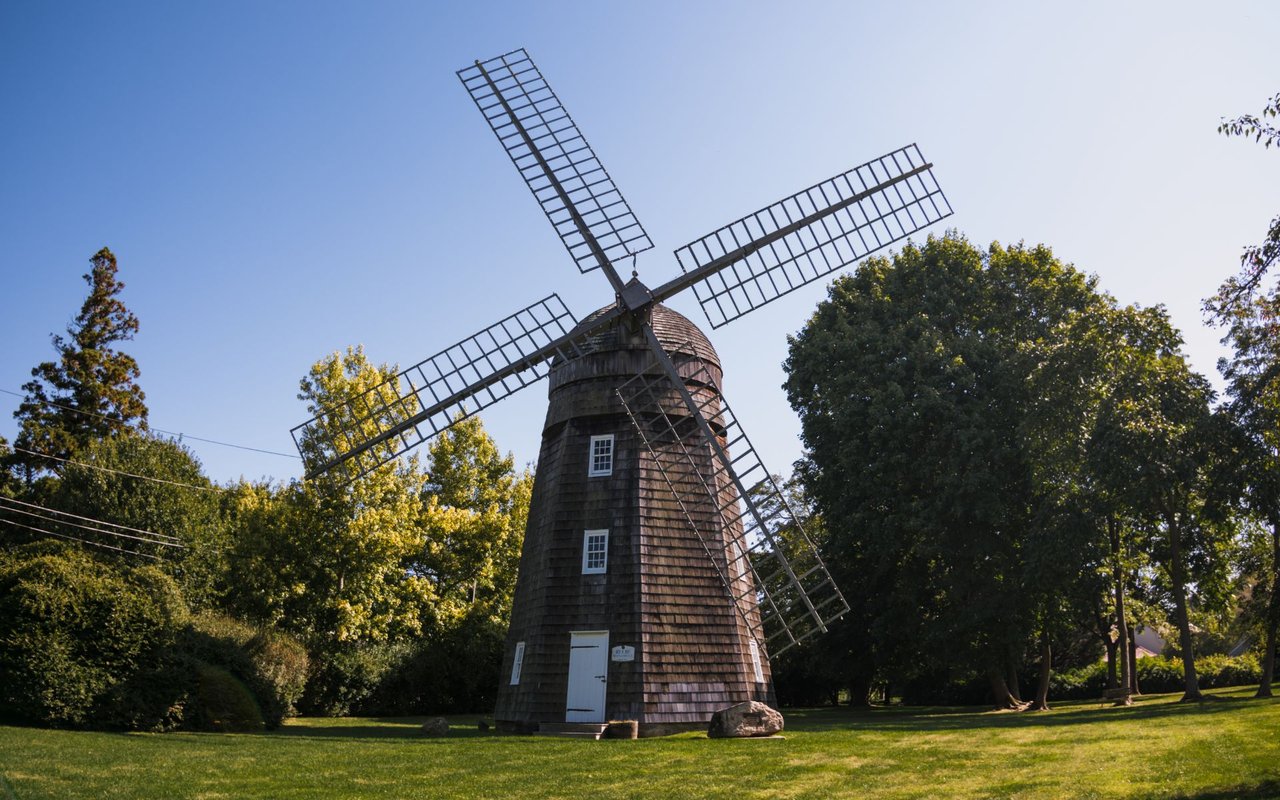
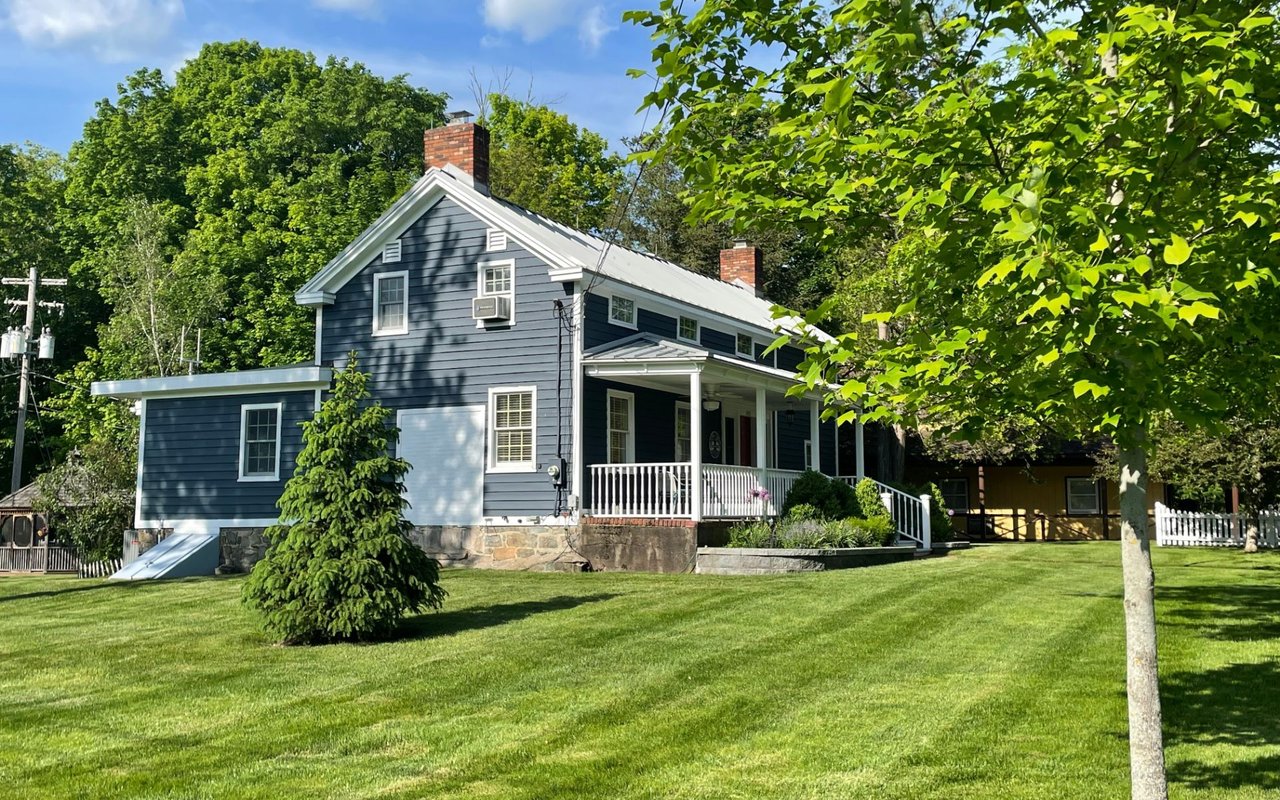
Southampton was incorporated as a village in 1894, but its character was established long before the paperwork was filed. The estate section south of Montauk Highway developed along roads that still carry the names of founding families -- Halsey Neck Lane, Coopers Neck Lane -- and the architecture that lines them reflects generations of accumulated wealth rather than any single era of construction. The Thomas Halsey Homestead, among the oldest English frame houses in New York, stands as a physical reminder that the roots here run deeper than anywhere else on the East End.
"Southampton's character was established long before the paperwork was filed. The estate section developed along roads that still carry the names of founding families."
The Geography of the Estate Section
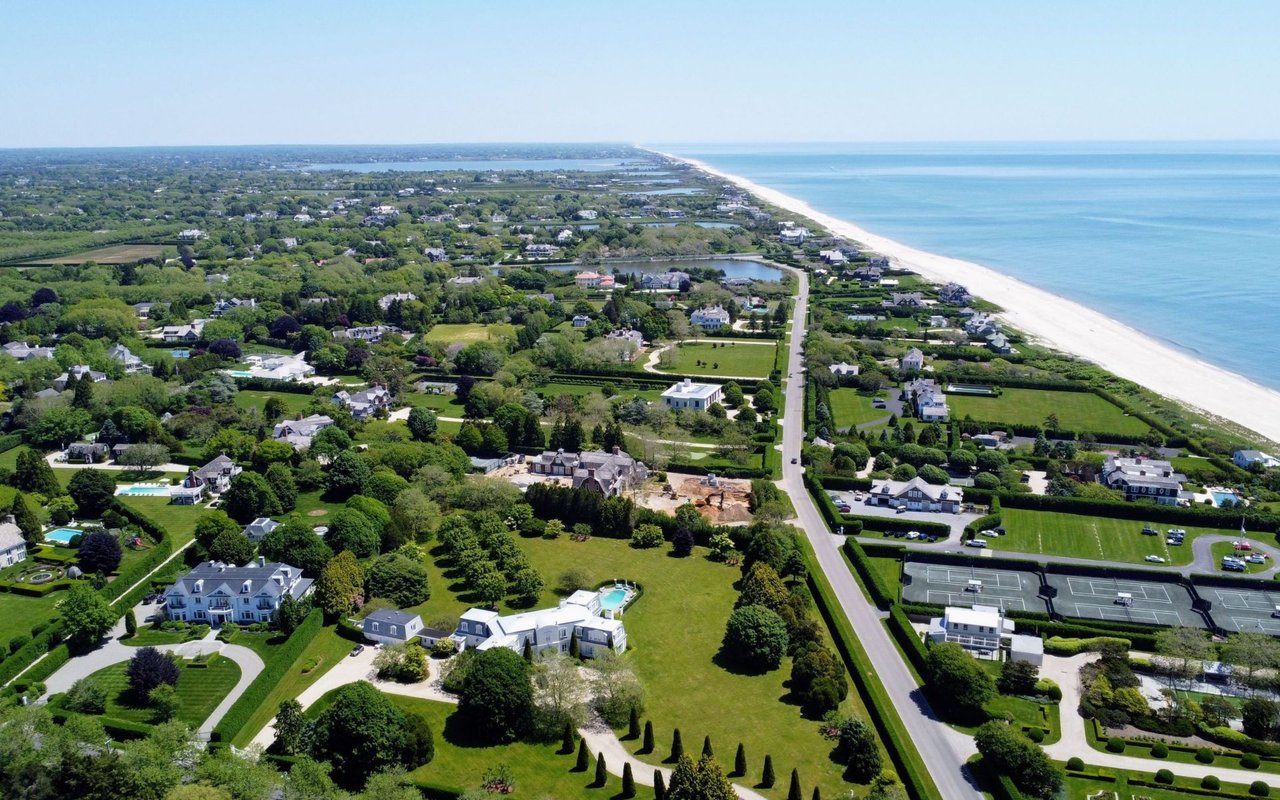
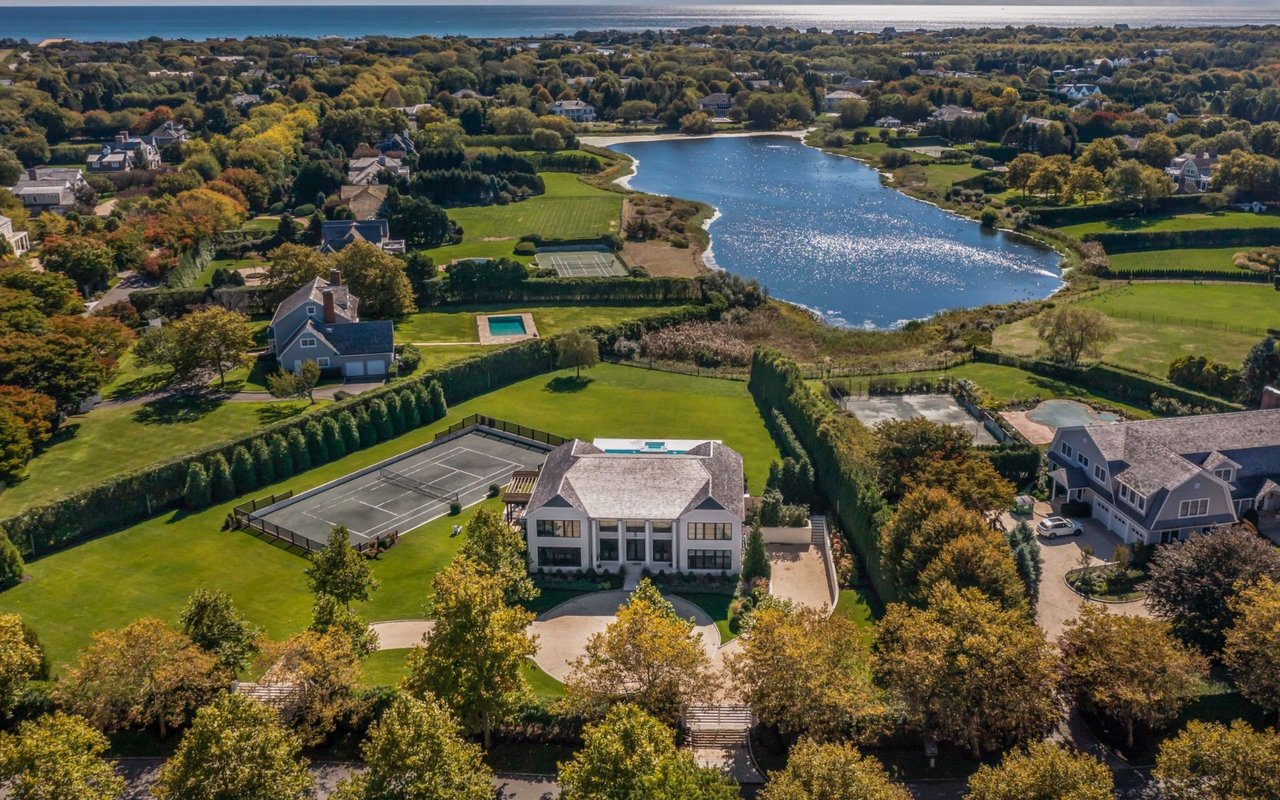
The estate section south of Montauk Highway is where Southampton's reputation was built, and understanding its internal geography is essential for any serious buyer. The addresses are not interchangeable. Gin Lane carries the weight of old money -- Stanford White architecture, generational families who have held properties for decades. The houses here do not announce themselves. They are screened by hedges and set back from the road, and the transactions that move them tend to happen through relationships rather than listings.
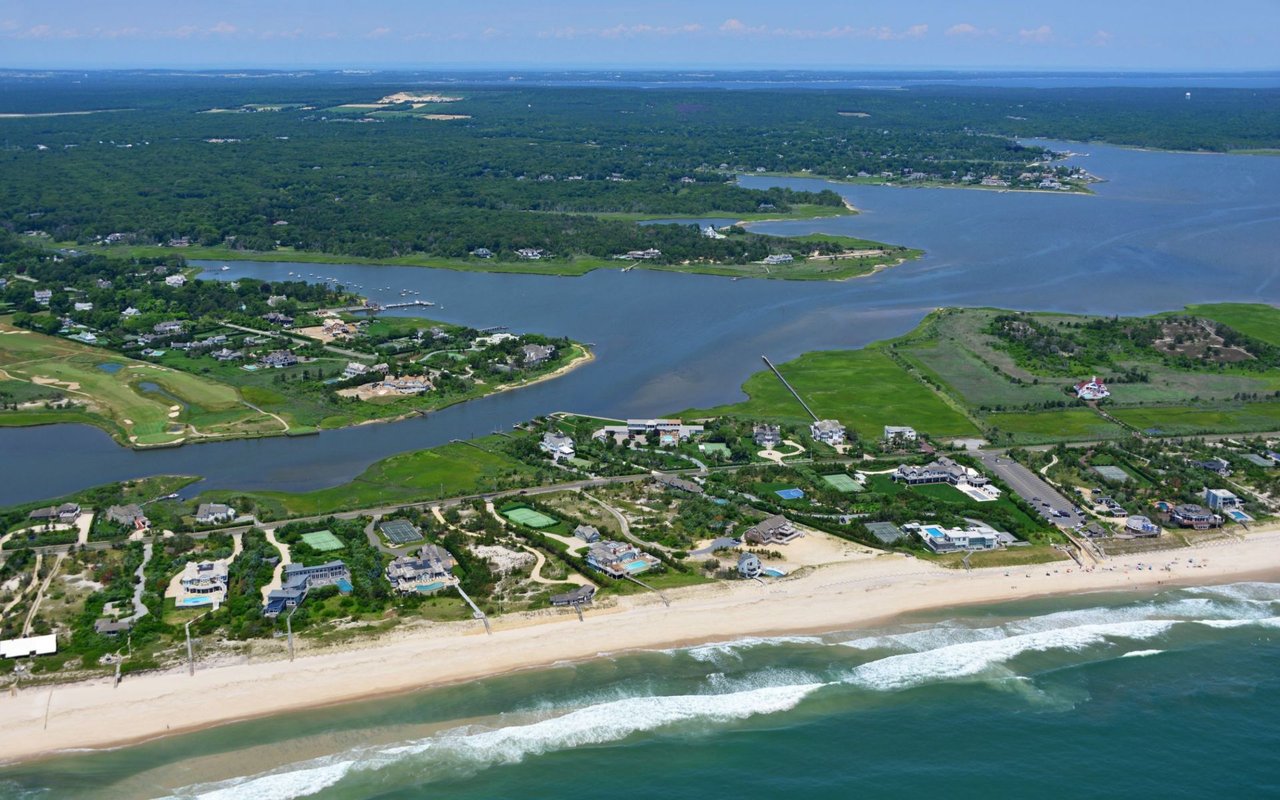
Meadow Lane offers a fundamentally different proposition. This is oceanfront -- direct, unobstructed, with the Atlantic as the front yard. The architecture here skews newer, reflecting the arrival of Wall Street wealth that reshaped this stretch of shoreline in the late twentieth century. First Neck Lane and Ox Pasture Road occupy the middle ground between Gin Lane's formality and Meadow Lane's exposure, with larger lots and a mix of historic properties alongside newer construction.
Jobs Lane and the Village Center
The village center along Jobs Lane and Main Street provides the daily texture that an estate section alone cannot sustain. Southampton's commercial district is compact but genuine -- independent shops and established restaurants, the kind of streetscape that encourages walking rather than driving through. The Parrish Art Museum held its exhibitions on Jobs Lane for over a century before relocating to its Herzog & de Meuron-designed building in Water Mill in 2012. That departure left a gap in the village's cultural landscape, though the commercial vitality of the center has not diminished.
Rogers Memorial Library anchors the eastern edge of the village center, and its presence reinforces what the estate section alone might not communicate: Southampton is a functioning community, not merely a collection of properties. The year-round residents who use the library and shop on Jobs Lane give the village a continuity that purely seasonal communities lack.
Cooper's Beach and the Oceanfront
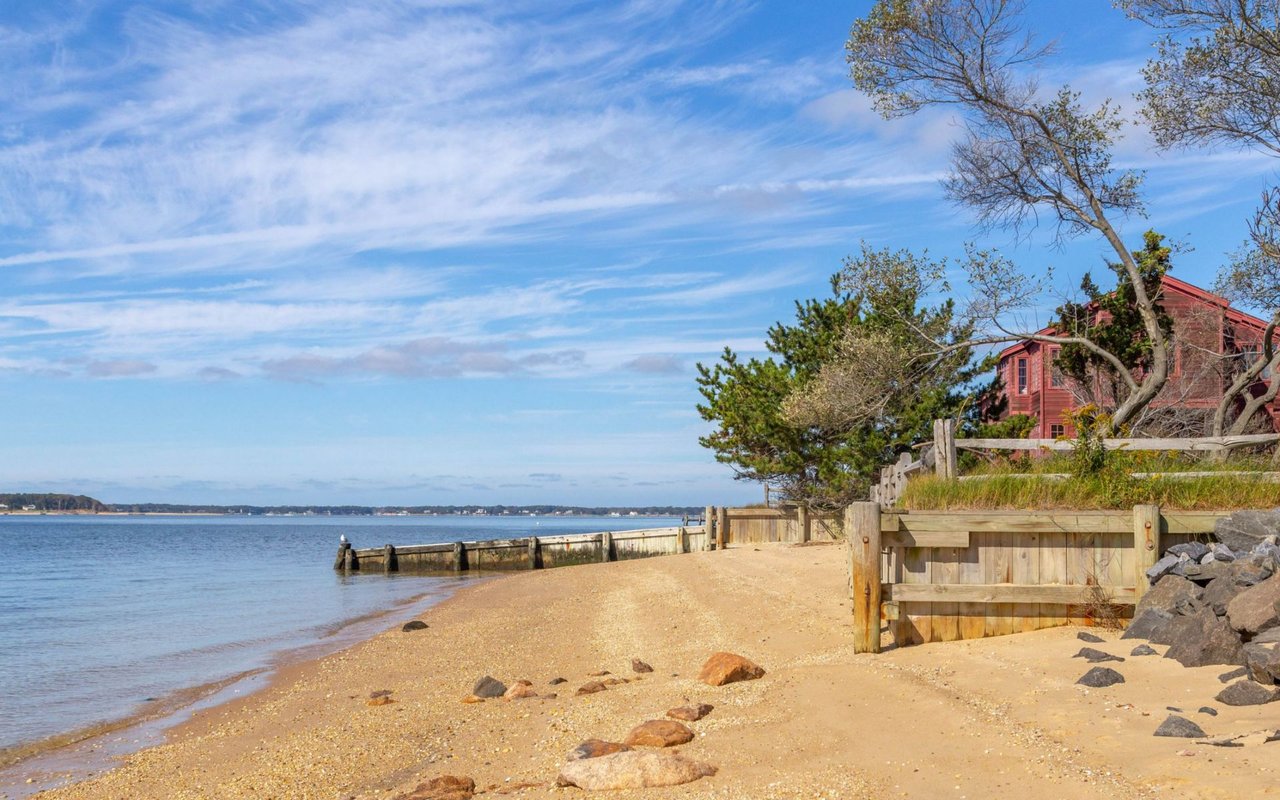
Cooper's Beach has been voted one of America's finest beaches by coastal researcher Stephen Leatherman, and the recognition is deserved. The beach is wide and well-maintained, backed by dunes rather than development. For buyers evaluating Southampton's oceanfront, the quality of the beach itself matters -- it is not merely a view amenity but a place where residents actually spend time, and its condition reflects the village's commitment to preserving the natural landscape that makes the estate section valuable in the first place.
How Does Southampton Differ from East Hampton?
The comparison between Southampton and East Hampton is inevitable, and the differences are real. Southampton is the more formal of the two -- more architecturally traditional, more rooted in a specific kind of generational wealth. East Hampton has its cultural institutions and its art-world lineage. Southampton has its clubs. The Meadow Club, opened in 1887 for lawn tennis, and the Southampton Bath & Tennis Club establish a social framework that influences the residential market in ways that are difficult to quantify but impossible to ignore.
The buyer who chooses Southampton over East Hampton is typically making a statement about preference rather than compromise. They want the deeper history and the particular kind of privacy that comes from a community where discretion is a shared value rather than an aspiration.
"The buyer who chooses Southampton over East Hampton is typically making a statement about preference rather than compromise."
Our Perspective
Noble's team operates from Corcoran's Southampton office, which gives us a daily presence in the village rather than a seasonal one. Southampton's estate section rewards advisors who understand the difference between one road and the next -- between a Gin Lane property with generational provenance and a Meadow Lane estate built for maximum ocean exposure. We counsel our clients through those distinctions with the specificity the market demands. If you are considering Southampton, we are well positioned to guide the conversation.