Welcome to Chelsea
Where Art, Architecture, and Ambition Converge
A Neighborhood That Rewards a Closer Look
Chelsea has always attracted people who see things others miss. In the 1990s, it was artists converting empty warehouses west of Tenth Avenue into studios and galleries. A decade later, it was the visionaries who looked at a rusting elevated freight rail and imagined the High Line. Today, it is buyers who understand that Chelsea offers something increasingly rare in Manhattan—a neighborhood where world-class architecture and genuine street-level energy not only coexist but actually depend on each other.
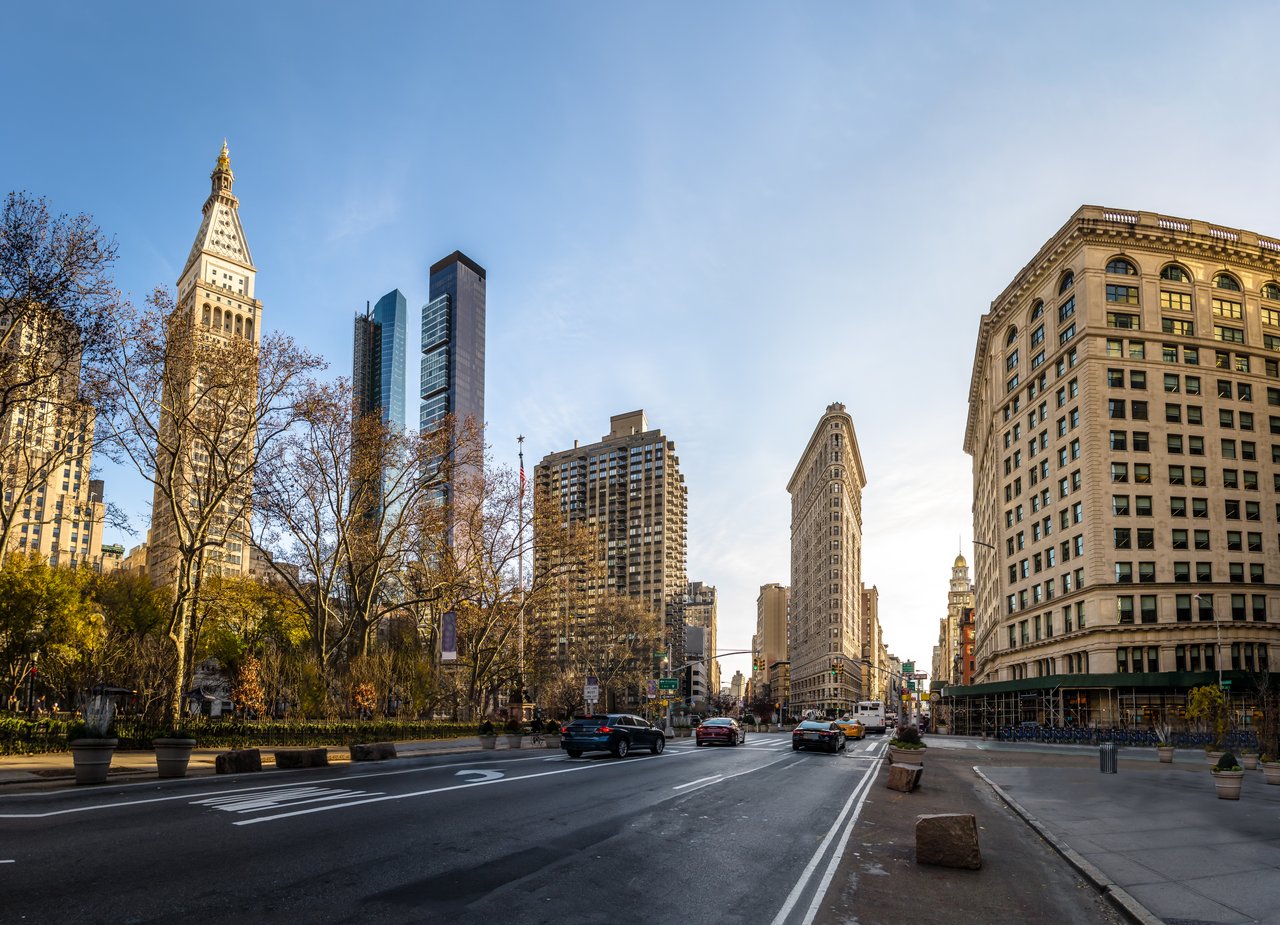
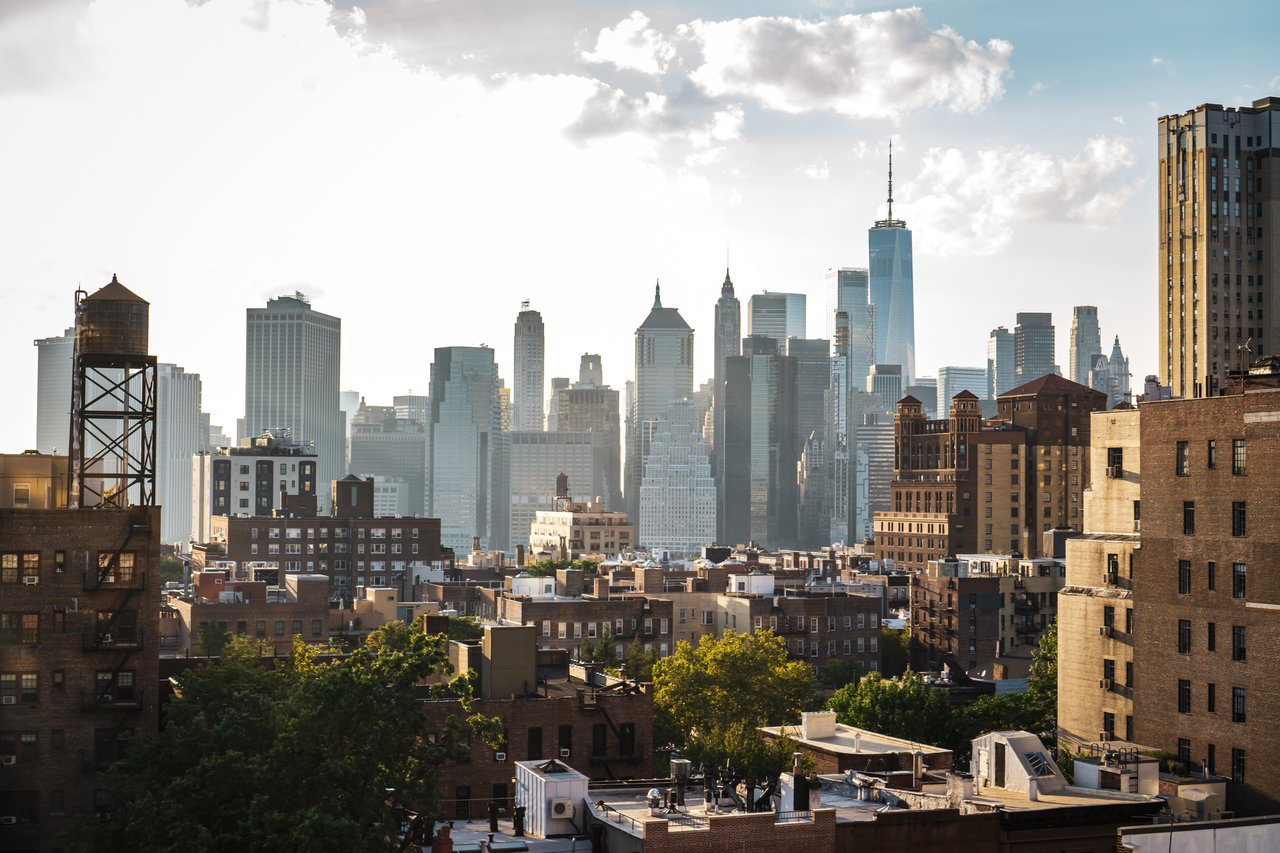
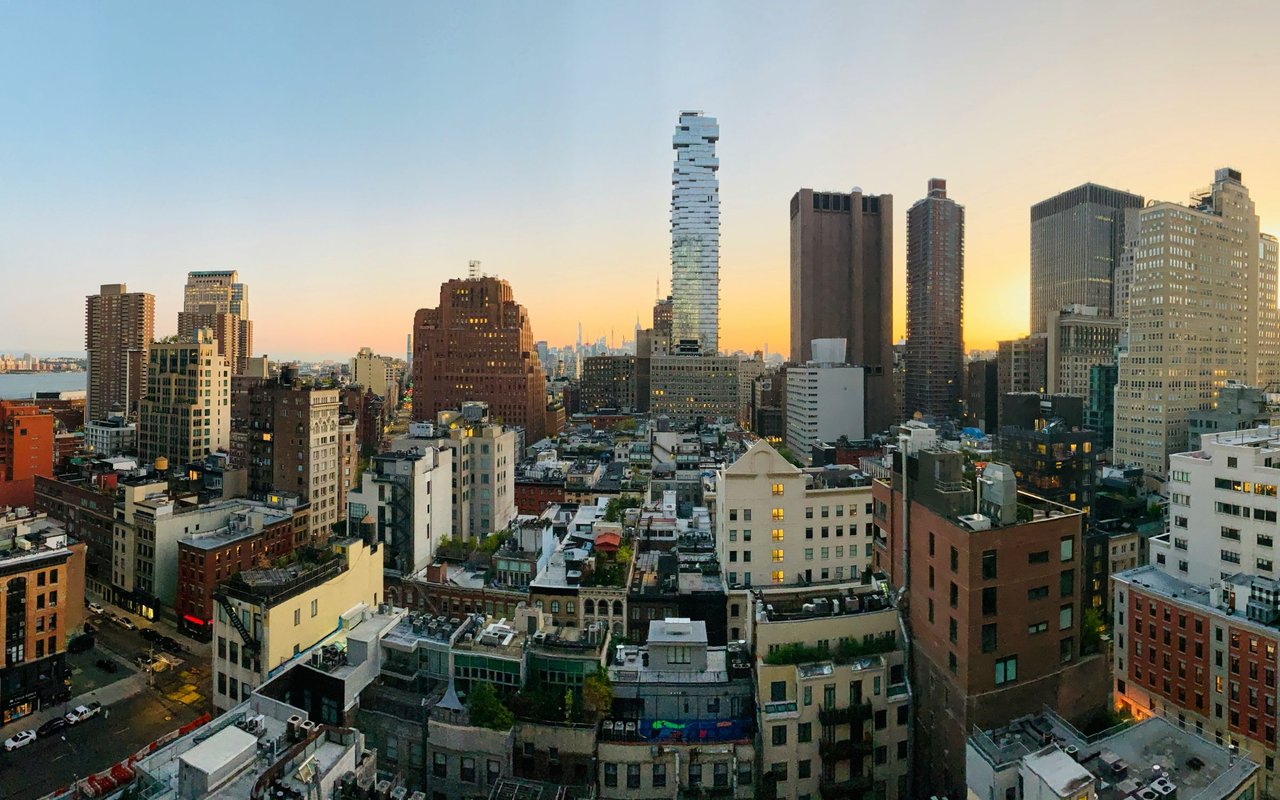
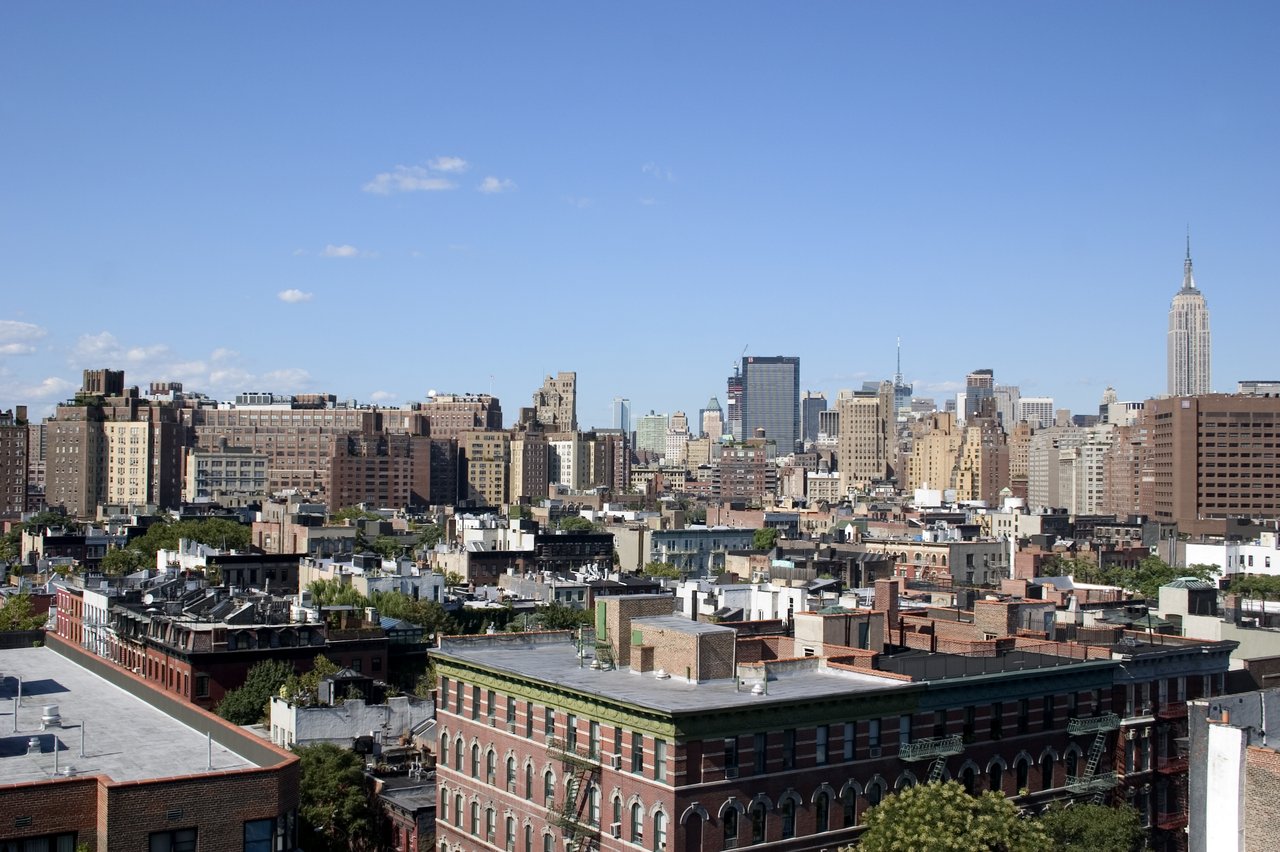
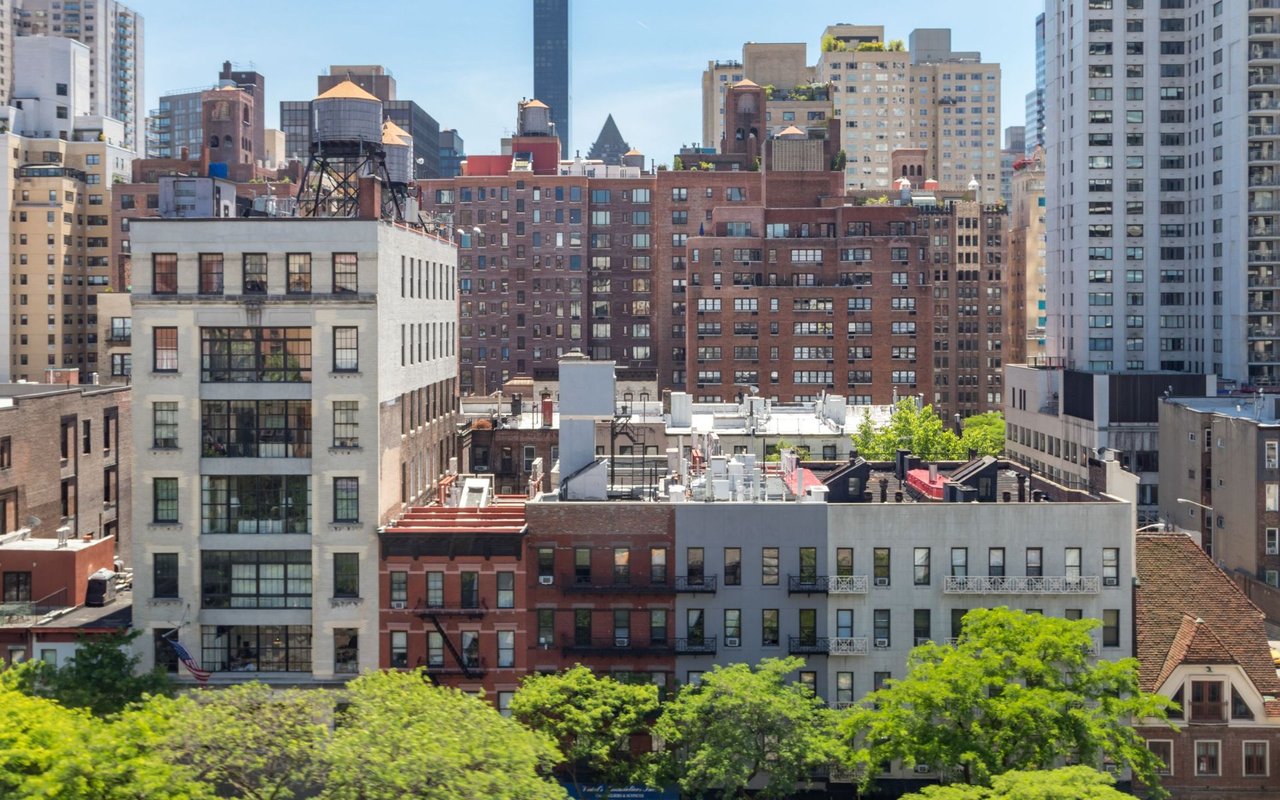
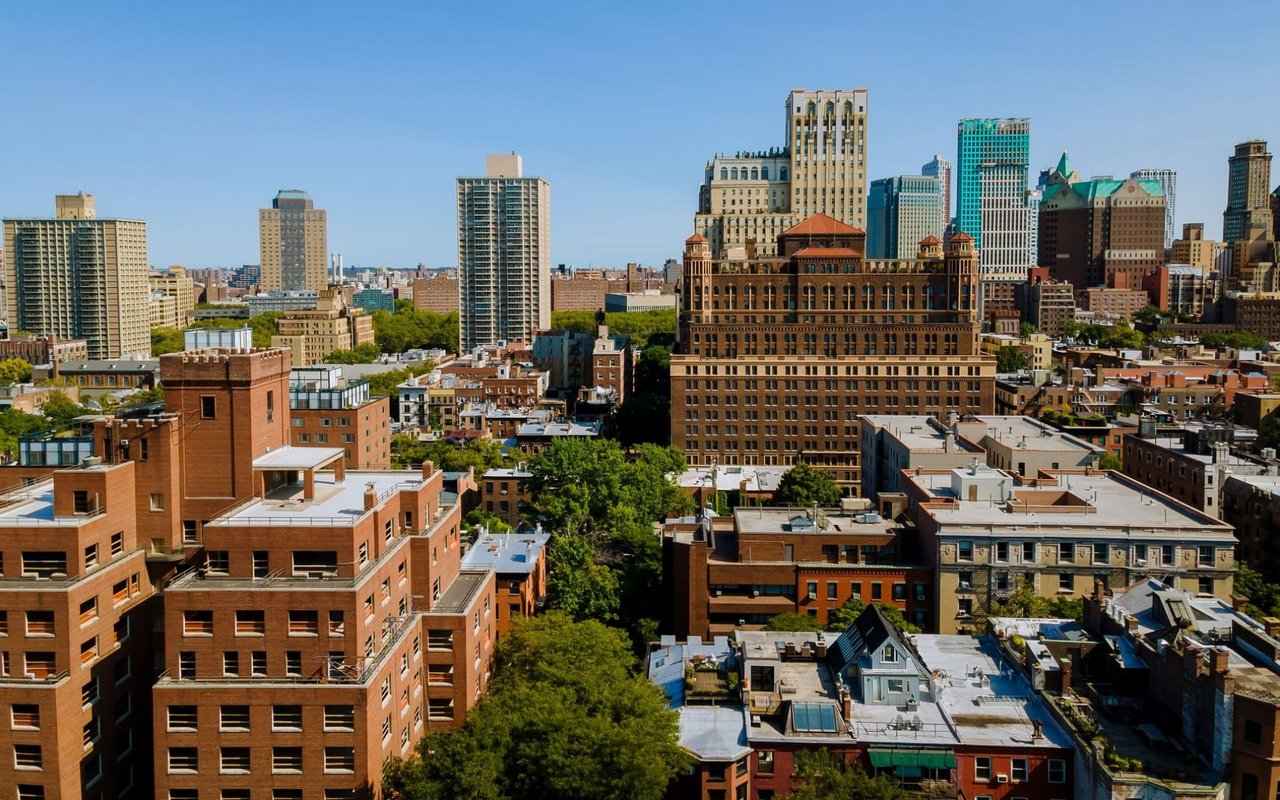
Our team has represented properties throughout Chelsea for nearly two decades, and what strikes us most is how consistently the neighborhood defies easy categorization. Walk east from the Hudson River, and you move through entirely different worlds within minutes: glass-and-steel towers overlooking the High Line give way to the gallery district between Tenth and Eleventh Avenues, then to the tree-lined brownstone blocks of the Chelsea Historic District, and finally to the bustle of Seventh and Eighth Avenues. Each micro-neighborhood operates on its own terms, with its own price dynamics and its own buyer profile.
The Real Estate Landscape
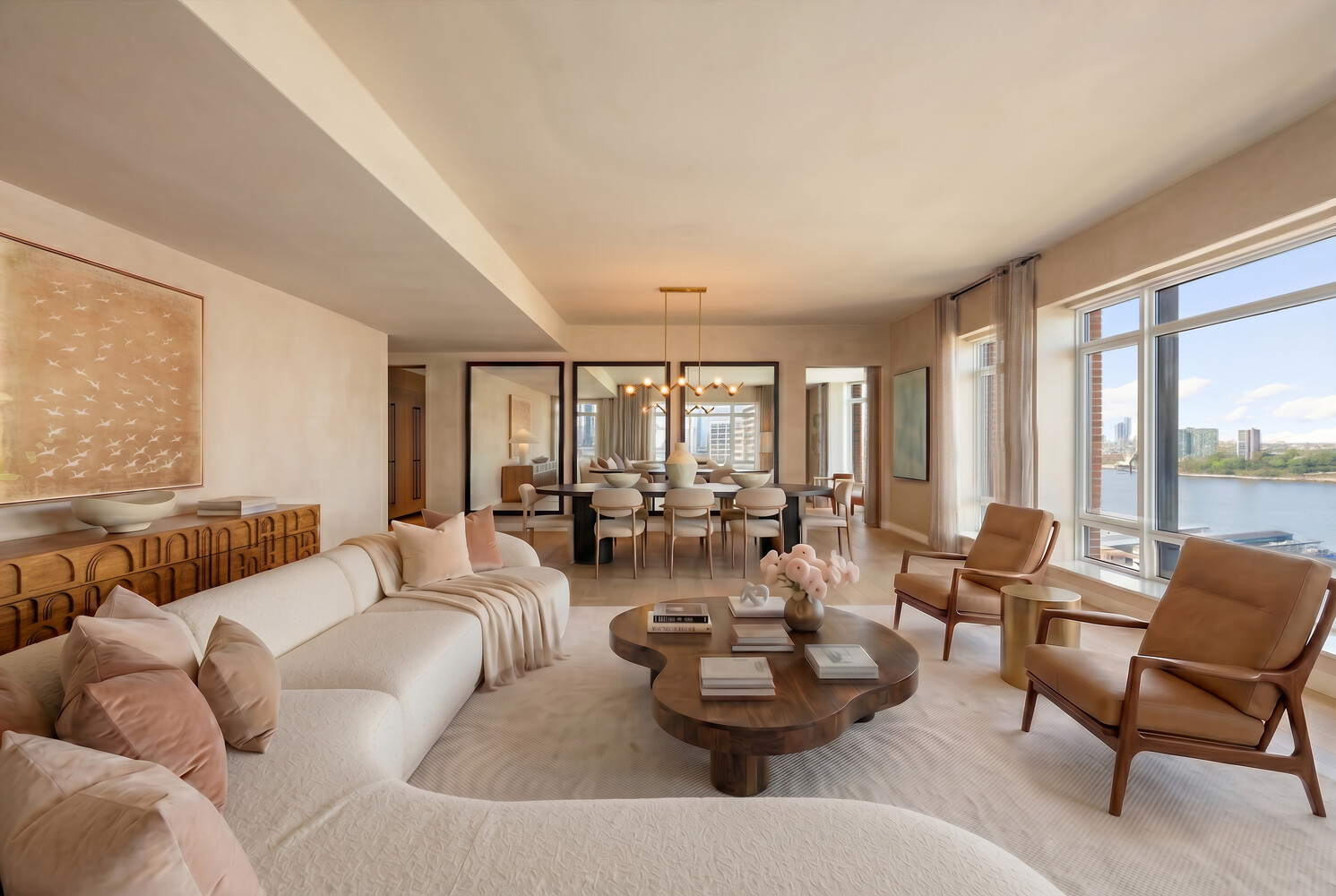
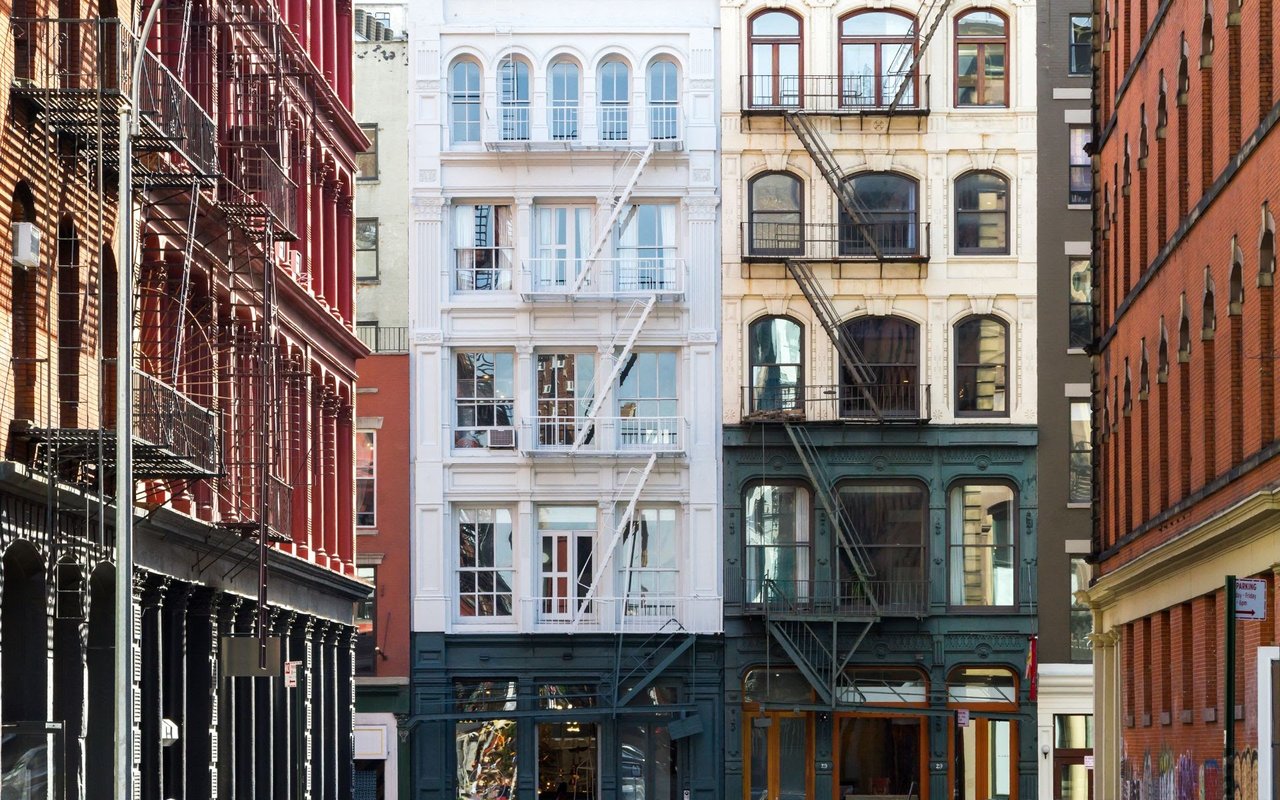
Chelsea's residential market is defined by architectural range. Few neighborhoods in the city can move so fluidly from pre-war co-ops with original millwork and working fireplaces to brand-new condominium towers designed by some of the most celebrated architects practicing today.
The High Line Corridor
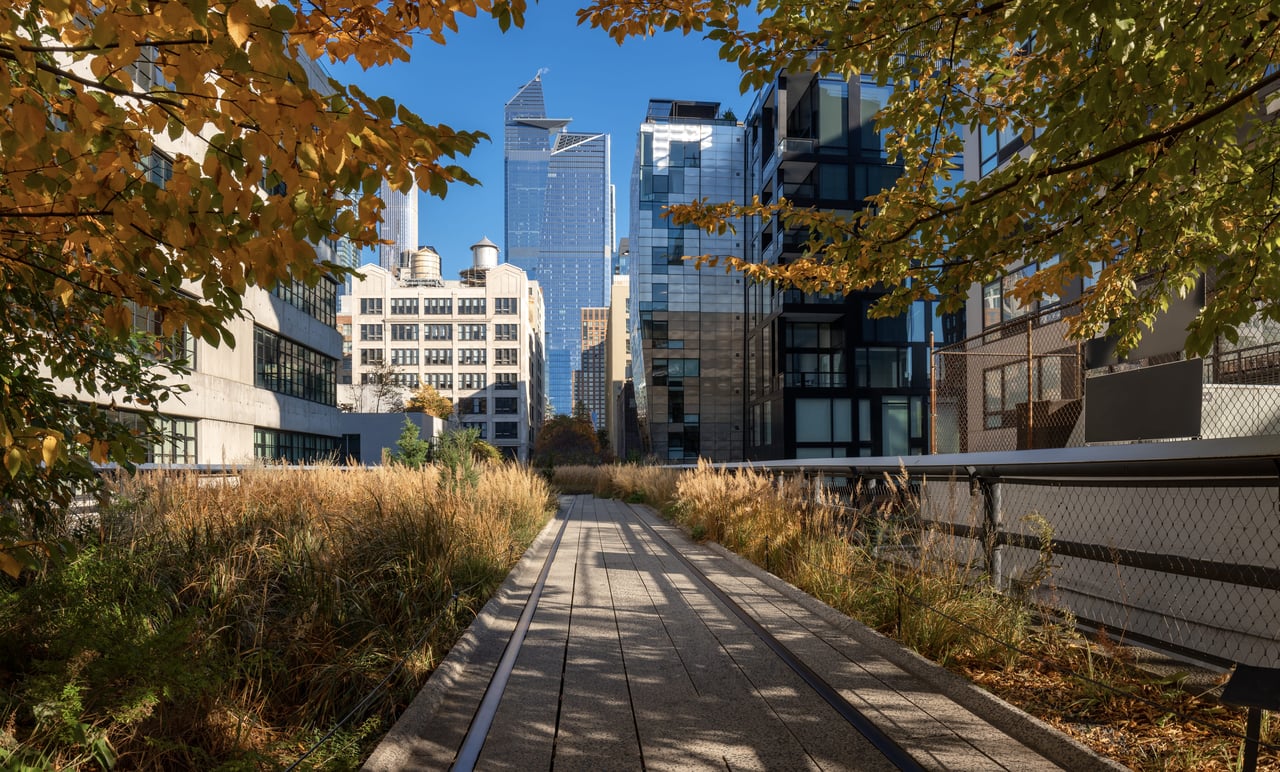
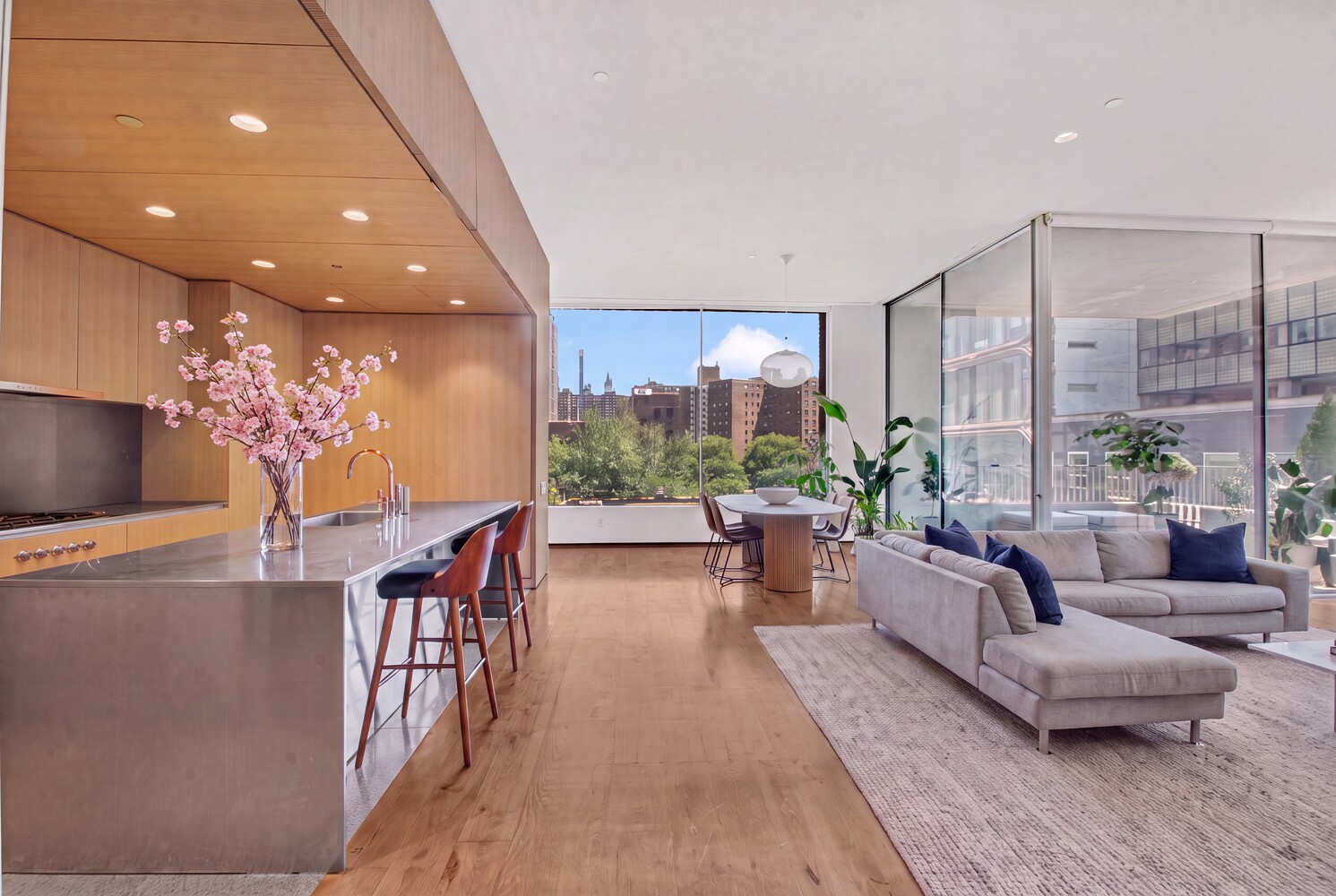
The stretch of West Chelsea flanking the High Line has become one of Manhattan's most significant concentrations of contemporary architecture. The buildings here are not incidental to the neighborhood. They are the reason many buyers first consider Chelsea seriously.
Signature Architecture Along the High Line
- 551 West 21st Street — Norman Foster's first residential project in the United States. The precast concrete and polished brass façade set a new standard for West Chelsea, and the lobby, anchored by a prismatic glass wall, remains one of the most distinctive entries in the neighborhood.
- 520 West 28th Street — Zaha Hadid's hand-crafted steel façade of interlocking chevrons carries the spirit of Chelsea's industrial past into something entirely modern. It was Hadid's final residential commission in New York.
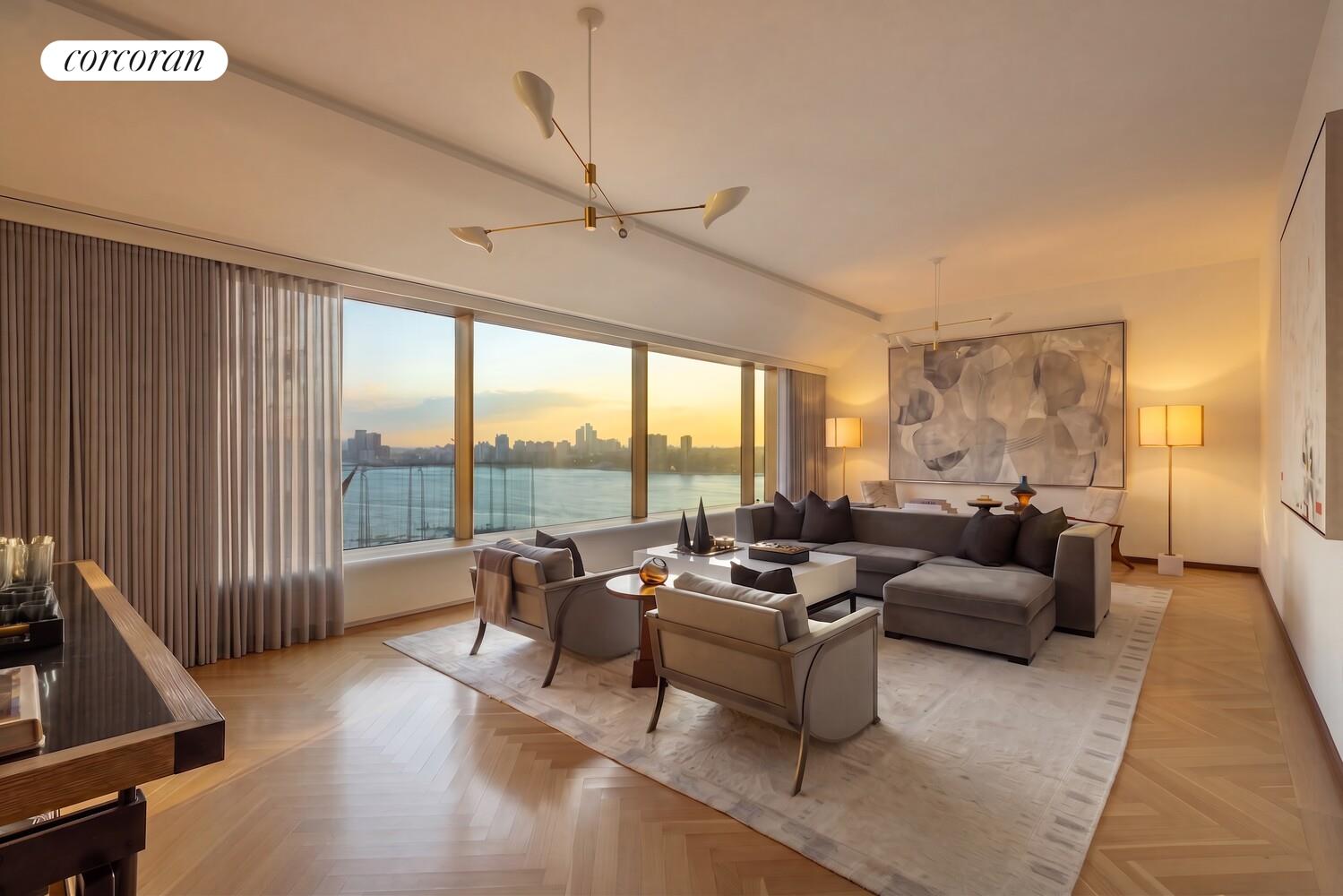
- One High Line — Bjarke Ingels brought sweeping, light-filled residences with unobstructed city and water views. The building's form is shaped directly by the High Line's path alongside it.
- Lantern House — Thomas Heatherwick's design has given the neighborhood one of its most recognizable silhouettes. The bay windows that define the façade were engineered to maximize natural light on a tight West Chelsea lot.
These are not buildings that happen to be in Chelsea. They are buildings that could only be in Chelsea—conceived for a neighborhood where design culture runs deep, and buyers expect architecture that means something.
Historic Brownstones and Townhouses
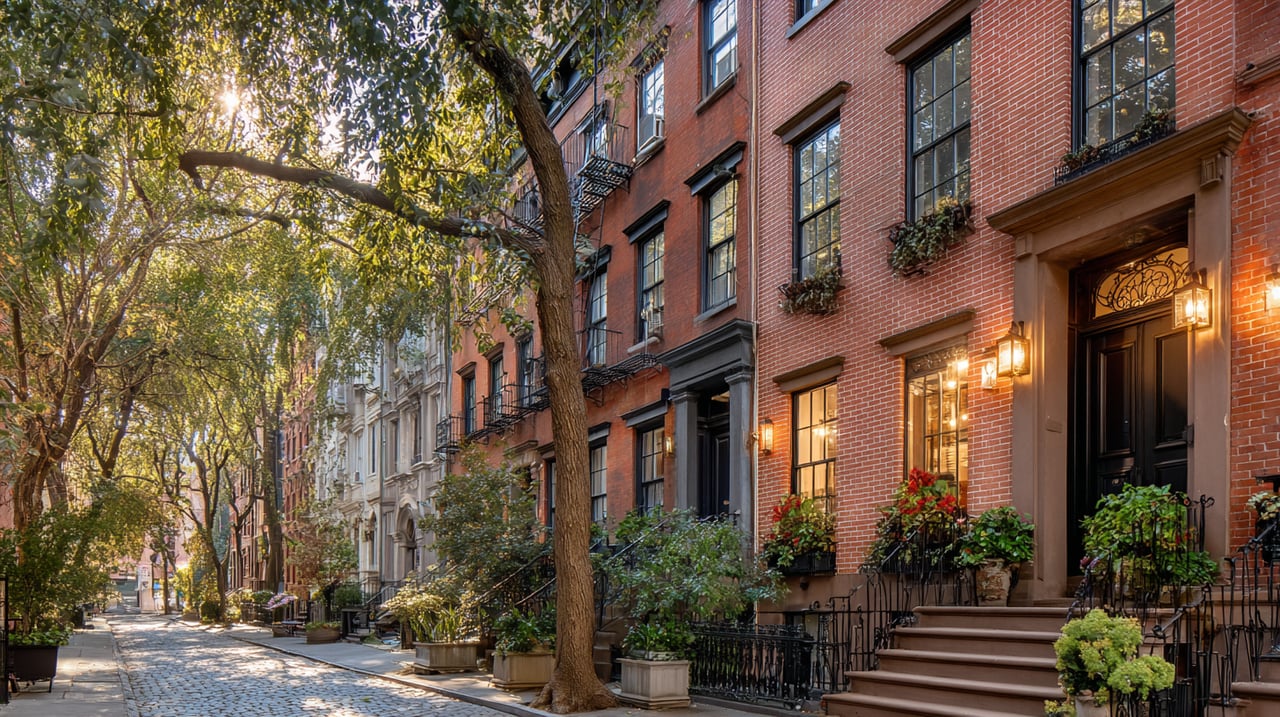
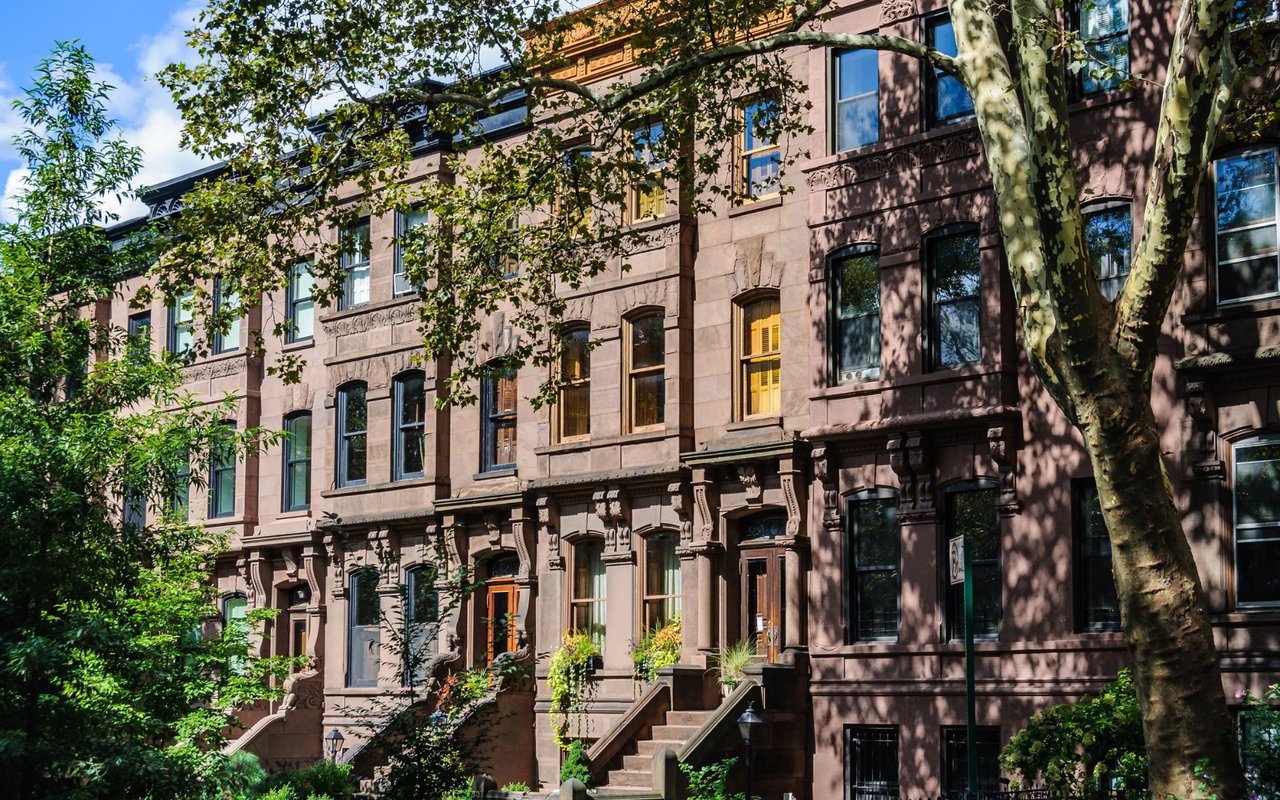
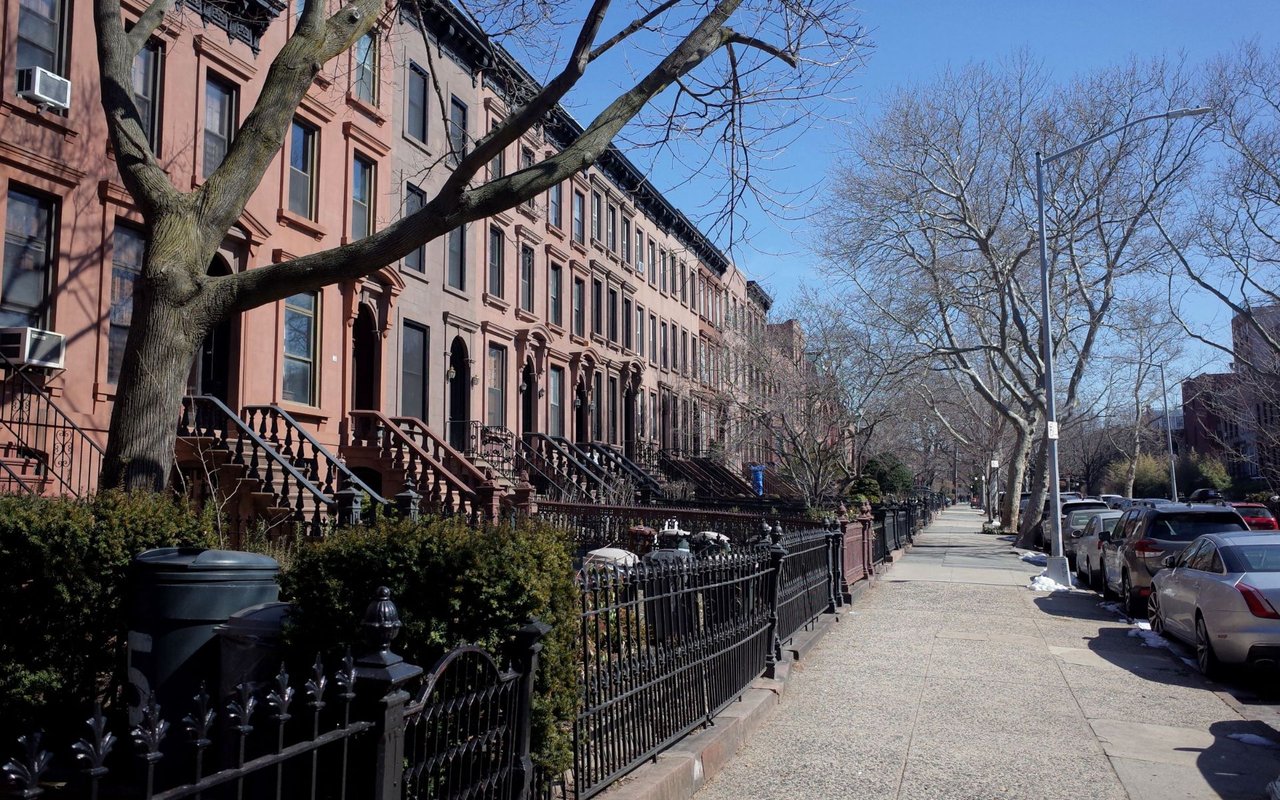
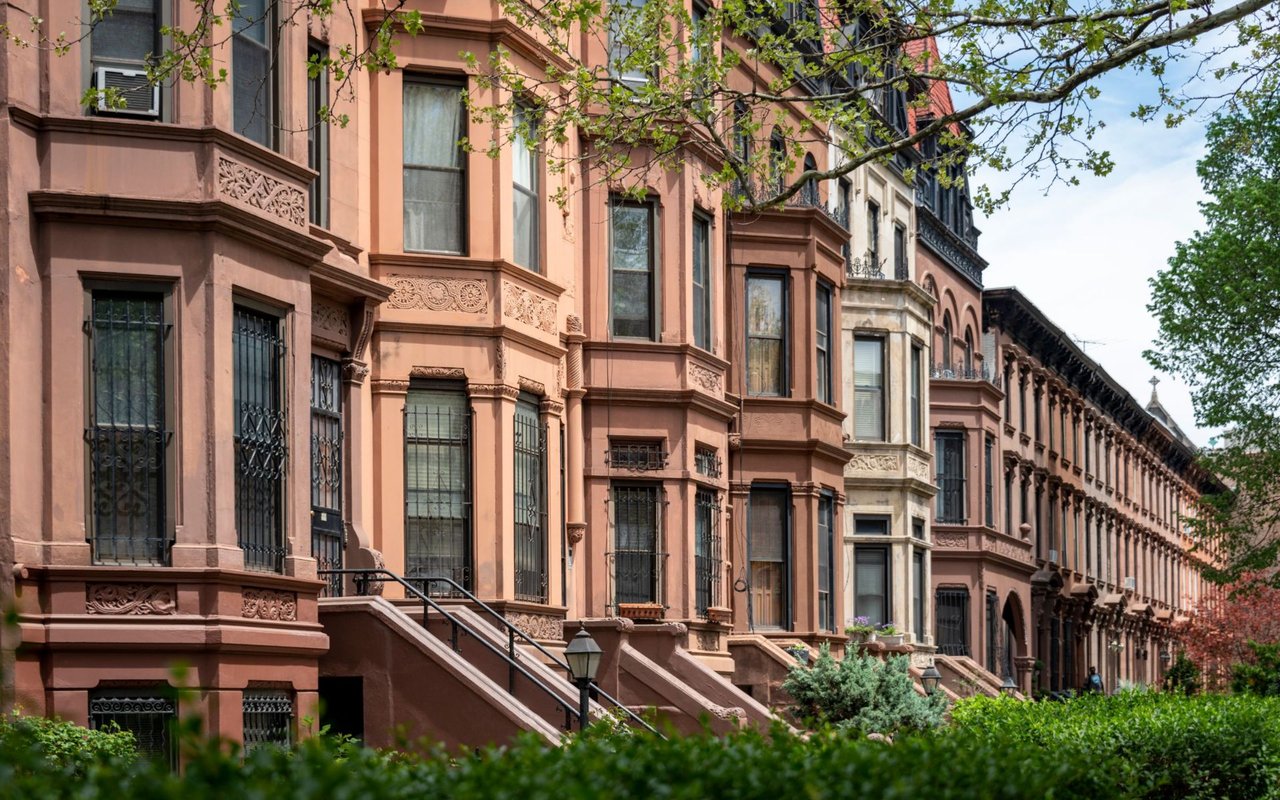
Between Eighth and Tenth Avenues, roughly from 19th to 23rd Streets, the Chelsea Historic District preserves one of Manhattan's finest collections of 19th-century residential architecture. Clement Clarke Moore—the scholar best remembered for writing “A Visit from St. Nicholas”—laid out these blocks in the 1830s around the General Theological Seminary, creating one of the city's earliest planned residential communities.
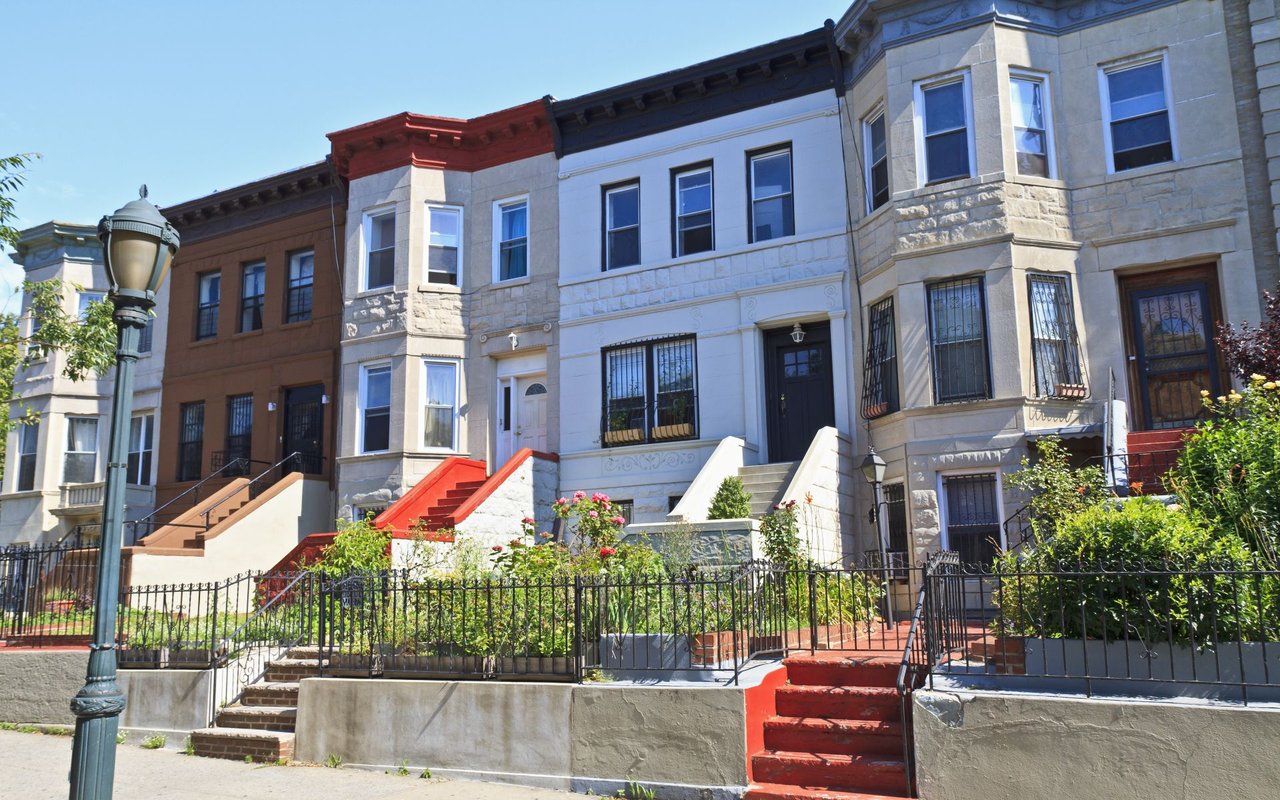
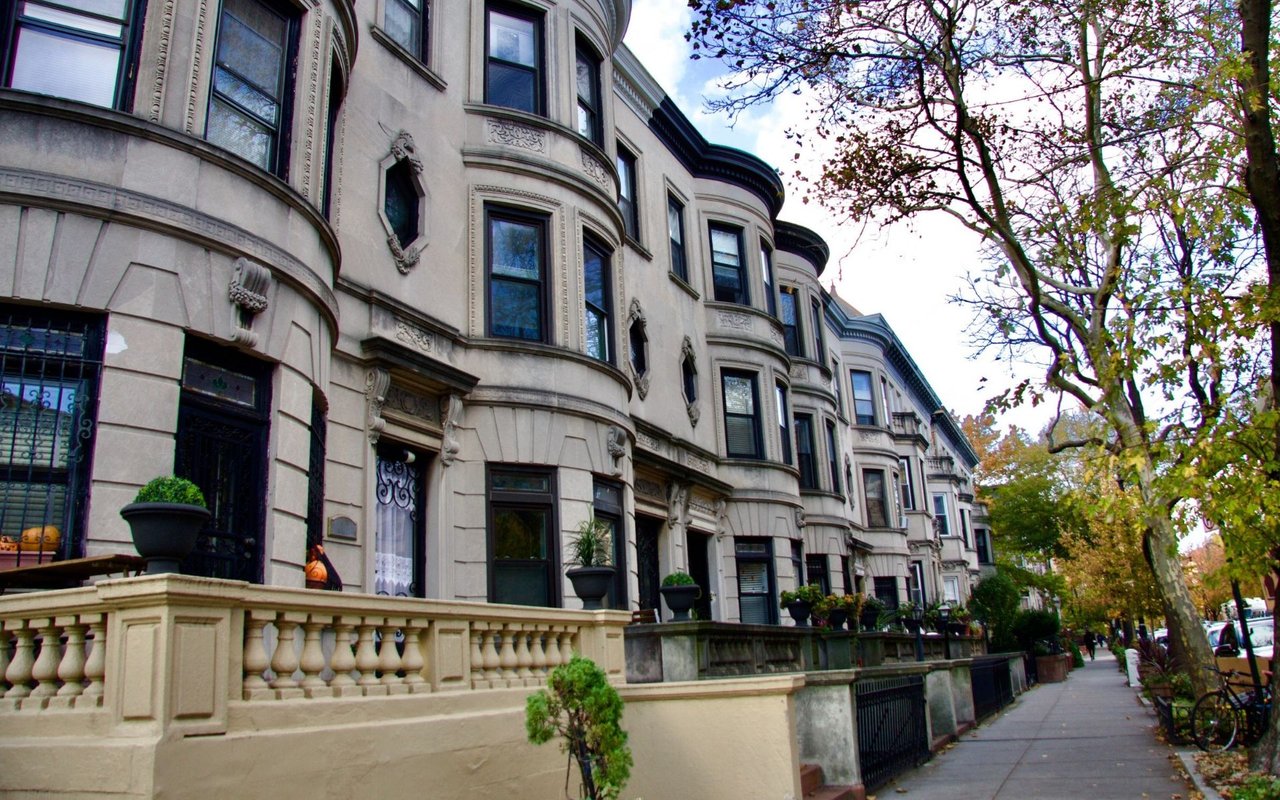
The Greek Revival and Italianate townhouses that line these streets remain deeply coveted, and they trade infrequently. When one does come to market, it draws a buyer who values provenance and a sense of permanence that no new construction can replicate.
Full-Service Condominiums and Co-ops
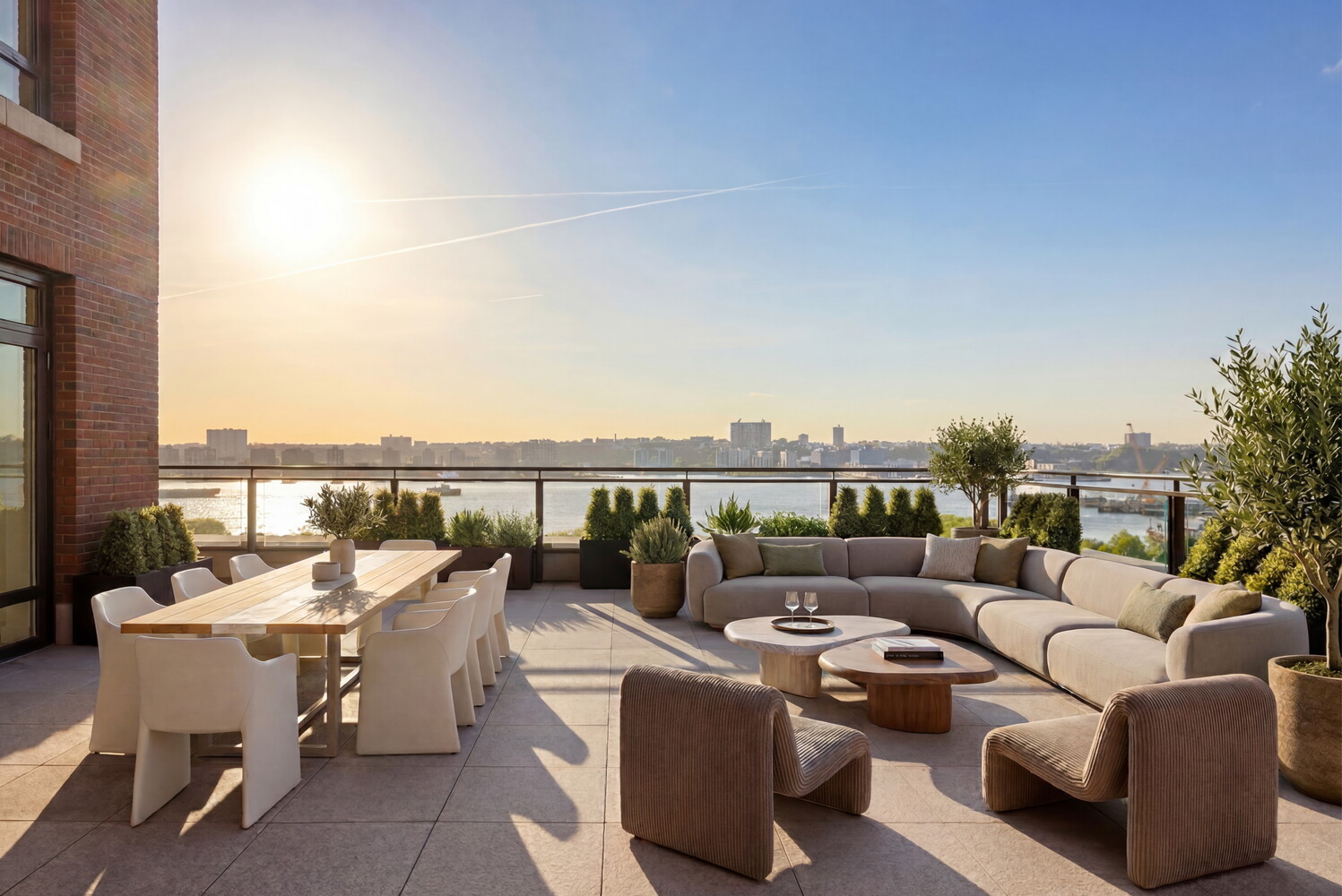
Beyond the architectural landmarks, Chelsea offers a strong inventory of full-service condominiums and well-managed co-operatives across a range of scales. Buyers moving from other parts of Manhattan—particularly Midtown and the Upper East Side—are often drawn to Chelsea because it delivers downtown energy without giving up serious residential infrastructure. Staffed lobbies, dedicated fitness facilities, and roof terraces overlooking the Hudson are standard here, not the exception.
The neighborhood's proximity to Hudson Yards has also attracted finance executives and corporate leaders who want a short commute without sacrificing neighborhood character.
The Gallery District and Cultural Gravity
Chelsea's concentration of contemporary art galleries—clustered primarily between West 18th and 28th Streets from Tenth to Eleventh Avenues—is among the densest in the world. Gagosian, David Zwirner, Pace, and Hauser & Wirth anchor the district, with hundreds of smaller galleries filling in around them. The ecosystem turns over with new exhibitions monthly, which means the neighborhood literally looks different depending on when you walk through it.
For buyers with serious art collections, or simply those who structure their weekends around cultural life, this is not a marginal amenity. It shapes the identity of the neighborhood and the profile of the people who choose to live here.
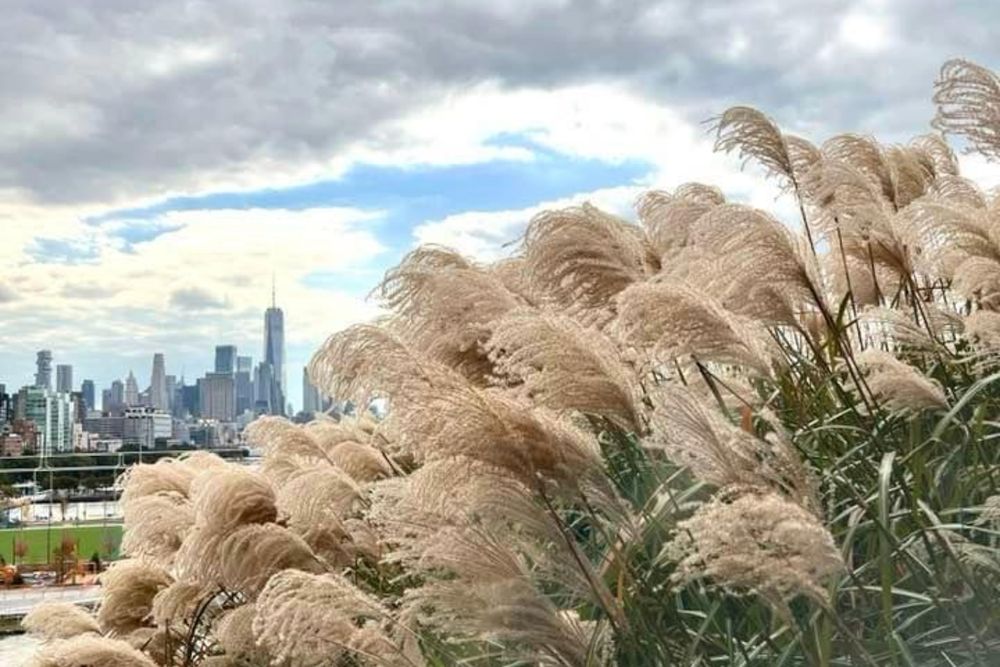
The High Line functions as both a public park and an outdoor gallery—an elevated promenade threaded through the neighborhood's architecture, offering shifting perspectives on the city and the river.
Chelsea Piers, Hudson River Park, and the Whitney Museum of American Art at the Gansevoort Street entrance to the Meatpacking District anchor the western edge with recreation and culture that draw residents outdoors year-round.
Living in Chelsea
Chelsea's dining scene has matured into one of the most varied in Manhattan. Chelsea Market, housed in the former Nabisco factory where the Oreo was invented, remains a destination for specialty food. Along the avenues, the range runs from long-standing neighborhood institutions to newer arrivals that reflect the area's evolving demographics—serious destination restaurants alongside low-key neighborhood spots, without the performative scene of some other downtown neighborhoods.
Transit access is excellent, with multiple subway lines along Seventh and Eighth Avenues providing quick connections to Midtown and Downtown. Seventh Avenue's commercial corridor handles the everyday essentials, while the side streets remain remarkably quiet for this part of the city.
Who Buys in Chelsea
The Chelsea buyer profile is unusually broad for Manhattan. Creative professionals and tech founders compete for the same inventory as finance executives and international collectors. Families who would rather walk to the High Line than to Central Park are increasingly part of the mix. What connects these buyers is a preference for substance over status—an understanding that Chelsea's appeal is earned, not inherited, and that this is precisely what makes it hold value.
We often tell clients that Chelsea rewards people who know what they're looking at. The neighborhood does not announce itself the way Park Avenue does. It asks you to walk the blocks, step inside the lobbies, and understand why a Foster-designed residence on 21st Street and a restored 1840s townhouse on 20th Street can sit two hundred yards apart and both be exactly right for the person who buys them.
Our Perspective
Noble Black & Partners has represented buyers and sellers across Chelsea's full spectrum—from new-development penthouses along the High Line to historic townhouses in the landmark district. We bring the market knowledge and long-term advisory perspective that transactions of this caliber require. If you are considering Chelsea, we welcome the conversation.