Forty Blocks of Quiet Conviction
Cobble Hill occupies roughly forty blocks between Atlantic Avenue and Degraw Street, from Court Street to the Brooklyn-Queens Expressway. It is one of the smallest neighborhoods in Brooklyn by area, and that compactness is central to its character. There is no grand park, no waterfront promenade, no commercial district that draws visitors from across the borough. What Cobble Hill offers instead is a residential quality that announces itself without raising its voice: low-rise row houses, mature street trees, and a pedestrian scale that makes the neighborhood feel more like a village embedded within the city.
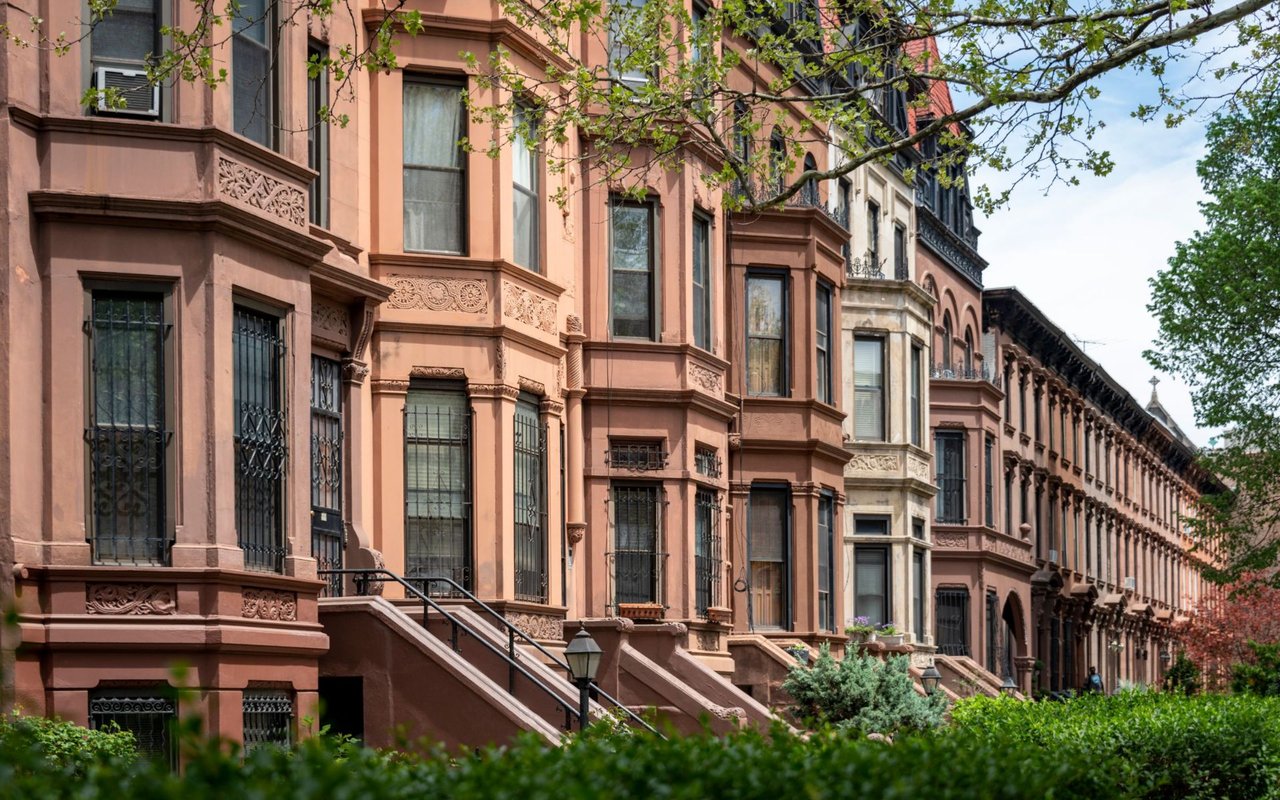
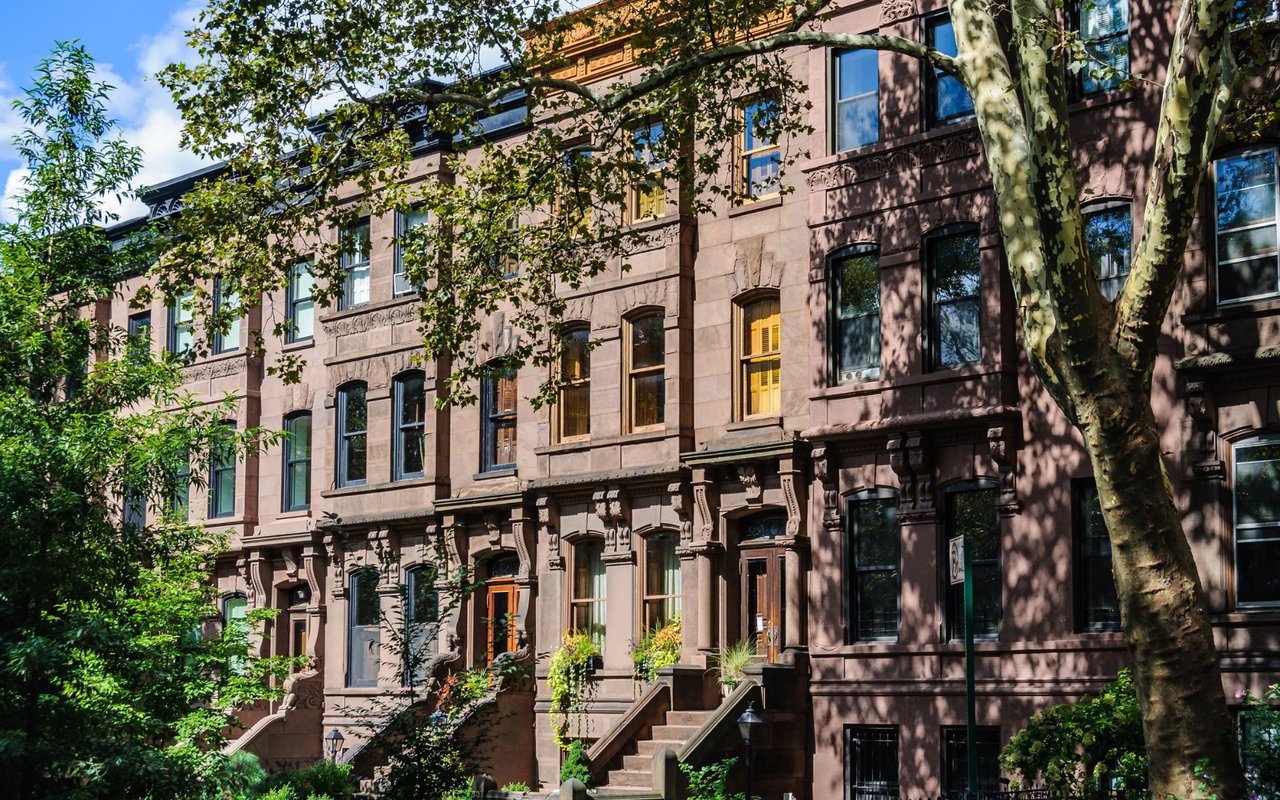
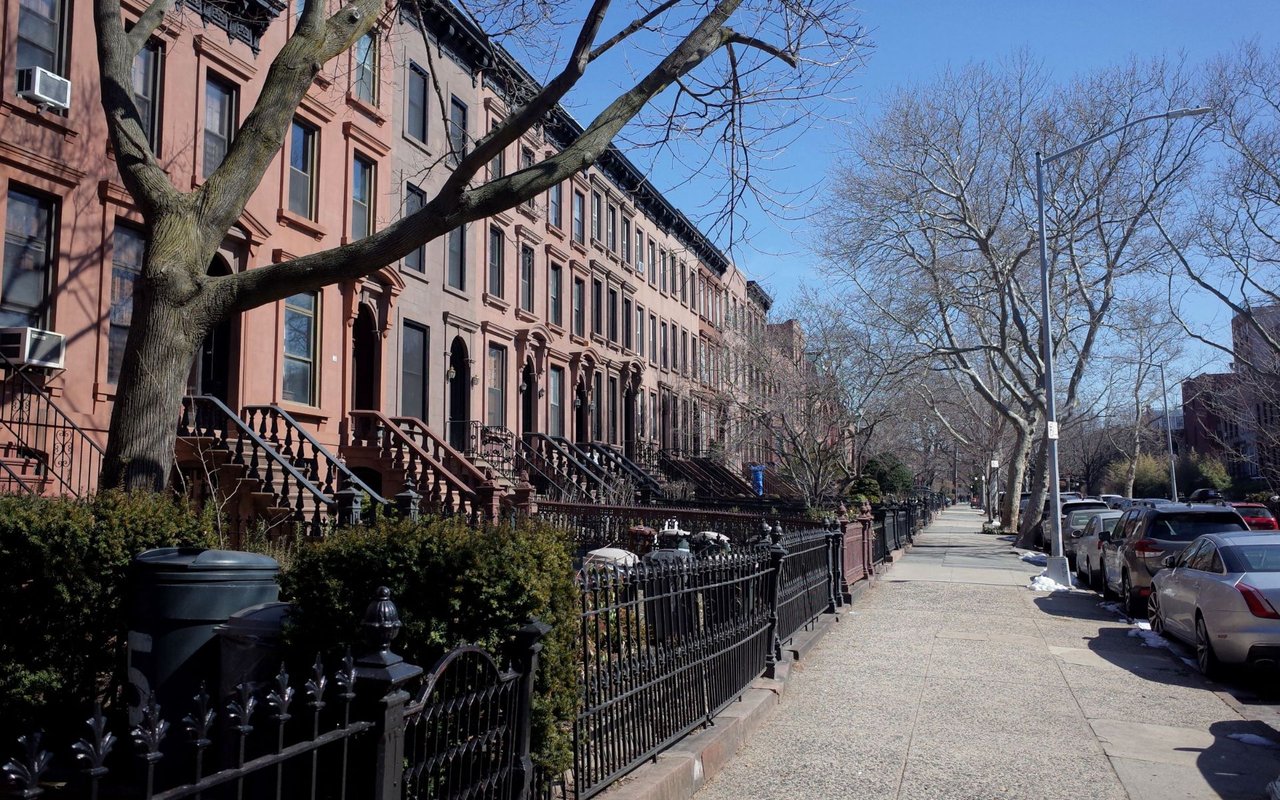
The Cobble Hill Historic District, designated in 1969, covers the core of the neighborhood and protects a collection of row houses and small apartment buildings that date primarily from the 1840s through the 1880s. The district's boundaries are tight, and the protection is real. The streetscape here has remained substantially unchanged for more than a century, which is precisely the quality that draws buyers who value architectural continuity over novelty.
What Sets Cobble Hill Apart from Its Neighbors?
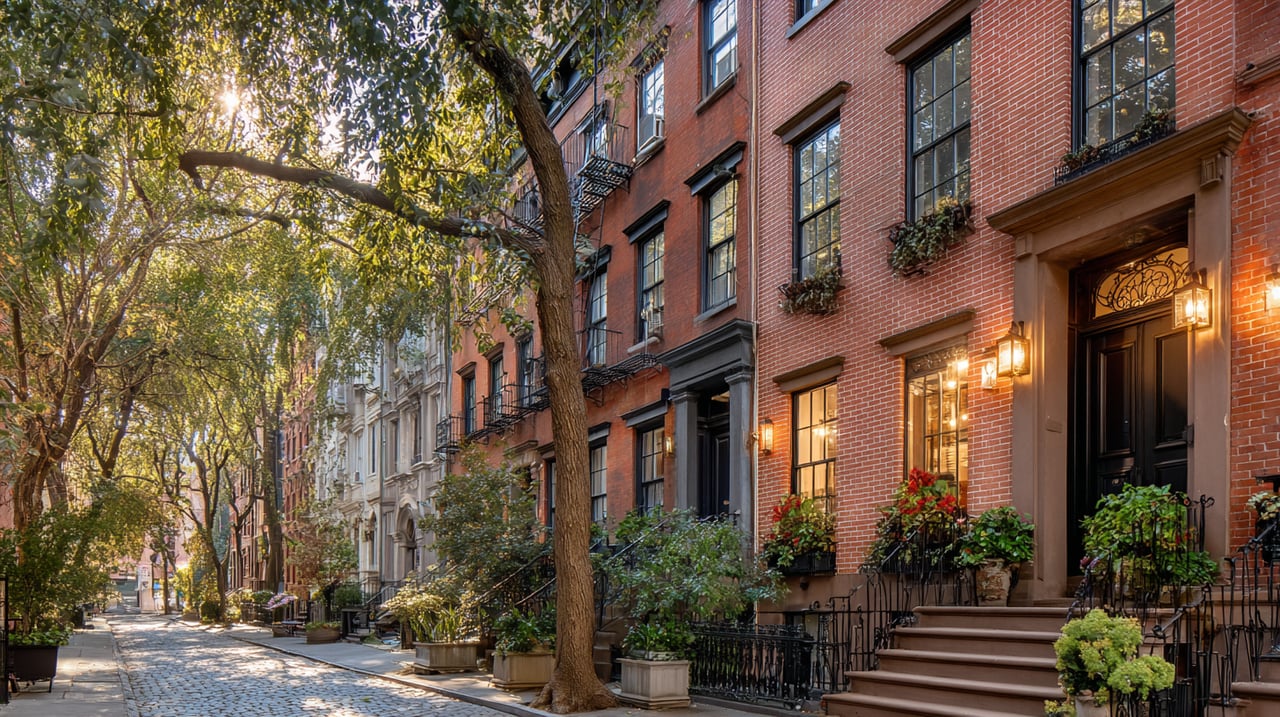
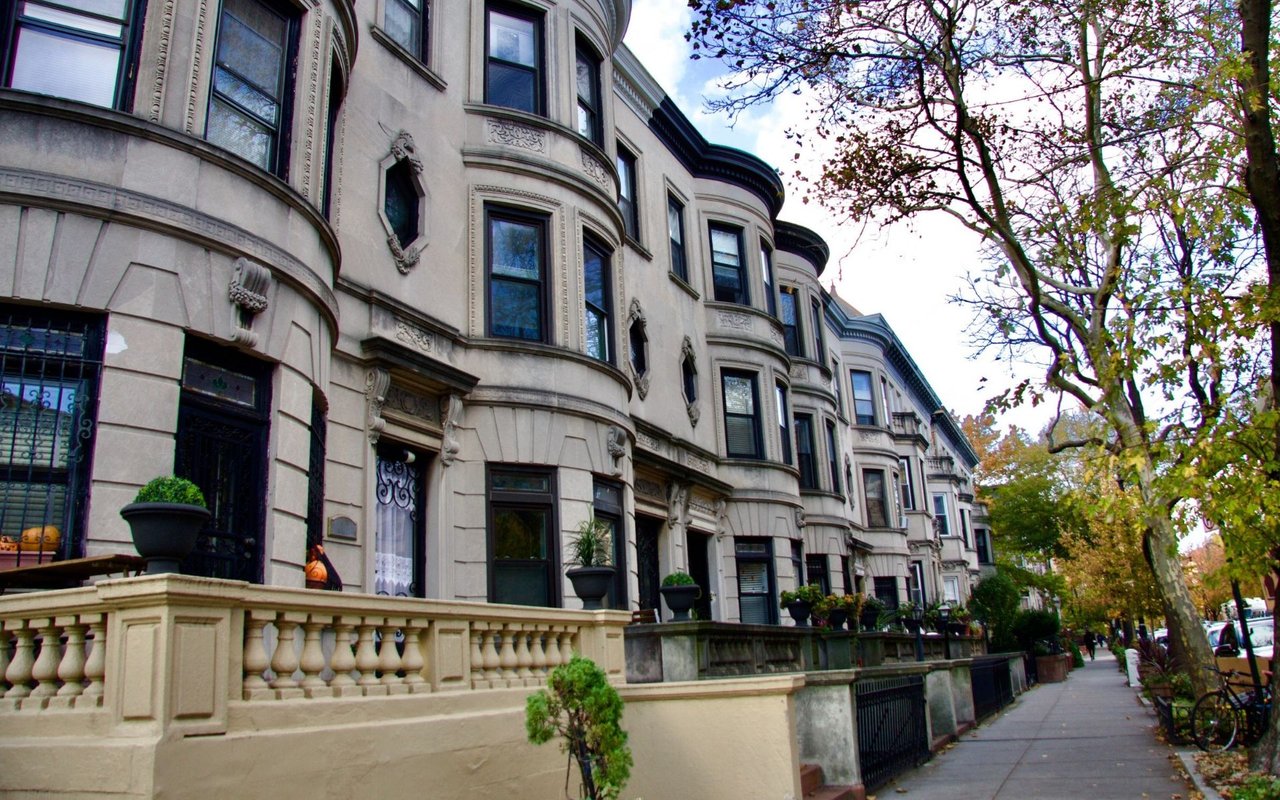
Cobble Hill sits between Brooklyn Heights to the north and Carroll Gardens to the south, and it shares architectural DNA with both. The row houses here are similar in style to what you find on either side of its borders: Italianate and neo-Grec facades in brownstone and brick, with stoops rising to parlor-floor entries. The difference is scale. Cobble Hill's buildings tend to be slightly more modest than the grand brownstones of the Heights and slightly less ornamented than Carroll Gardens' Italianate rows. The lots are narrower on some blocks, and the overall impression is one of restraint.
That restraint has a market consequence. Cobble Hill has historically offered an entry point into landmarked brownstone Brooklyn at prices below Brooklyn Heights while providing a residential experience that many buyers find equally appealing. The commercial corridors on Court Street and Smith Street are shared with the surrounding neighborhoods, so the dining and retail options are the same. What you are paying for, or paying less for, is the address itself.
Cobble Hill does not compete for attention. It earns loyalty through the kind of daily life its streets make possible.
Court Street and Smith Street
The neighborhood's two commercial corridors run north-south along its eastern and western edges. Court Street is the older of the two, with a mix of long-established bakeries and restaurants that reflect the neighborhood's Italian-American heritage. Smith Street underwent a transformation in the early 2000s that brought a wave of independent restaurants and bars, earning it a brief period as one of Brooklyn's most talked-about dining streets. The initial excitement has settled, but the quality has remained. Both corridors serve the daily needs of the residential blocks between them without overwhelming those blocks with commercial traffic.
The residential streets between Court and Smith are where Cobble Hill's character is most fully expressed. Blocks like Strong Place and Tompkins Place are short and tree-canopied, almost entirely free of through traffic. The row houses face each other across narrow streets with an intimacy that wider avenues cannot replicate. For buyers who walk these blocks for the first time, the reaction is often the same: the quiet feels improbable for a neighborhood this close to downtown.
Cobble Hill Park and the Neighborhood Center
Cobble Hill Park, a single-block green space on Congress Street between Clinton and Henry Streets, functions as the neighborhood's de facto town square. It is small by any standard, but its role in the neighborhood's daily life is outsized. The benches fill on weekend mornings. The surrounding row houses on Congress Street face the park with a directness that gives them a character distinct from the interior blocks.
The park's modesty is consistent with the neighborhood itself. Cobble Hill does not have a signature public amenity on the scale of Prospect Park or Brooklyn Bridge Park. Its appeal is distributed across its streets rather than concentrated in a single destination. That distribution is part of what makes living here feel even-tempered and sustainable.
Cobble Hill Homes For Sale
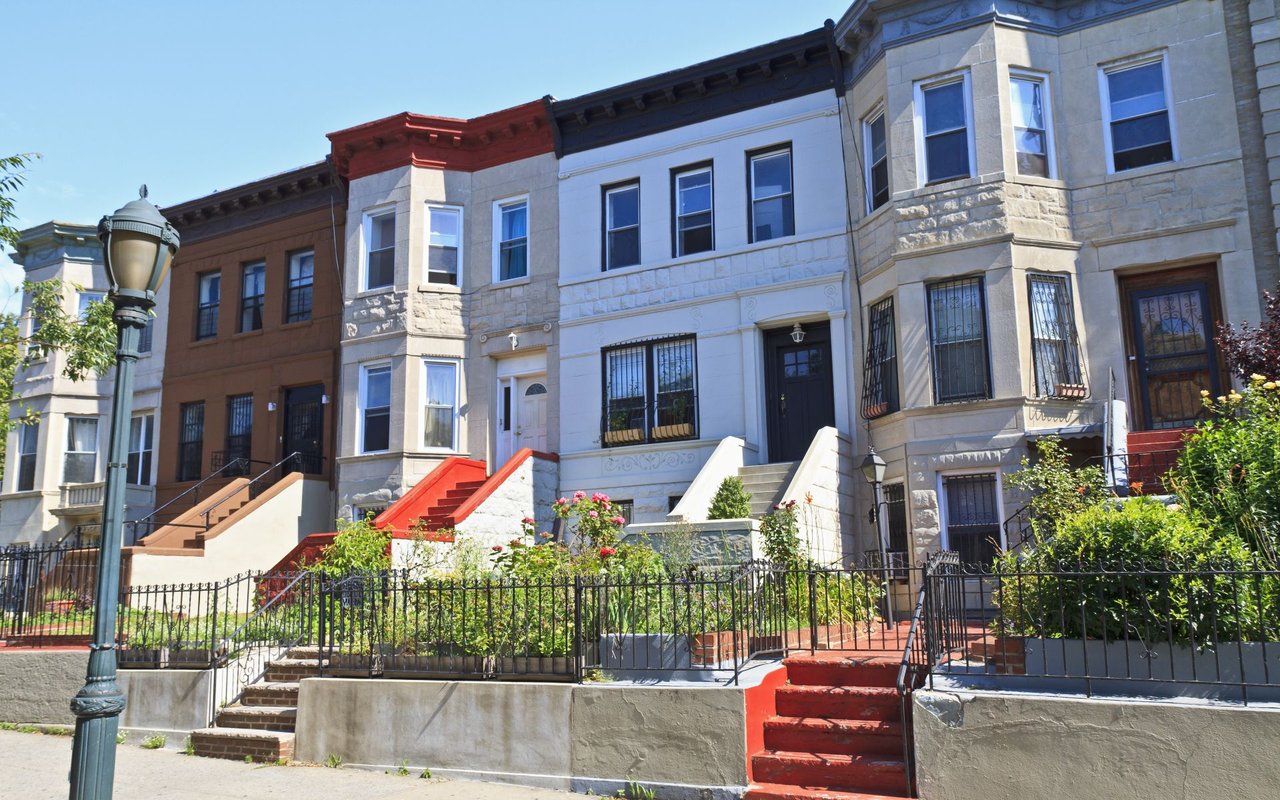
The dominant housing type in Cobble Hill is the row house, typically two to four stories, with a brownstone or brick facade and a rear garden. Many of these buildings remain configured as single-family homes or have been converted into two-unit residences with an owner's duplex above a garden-level rental. The economics of that configuration, owning the building while generating rental income from the lower unit, have long been part of Cobble Hill's appeal.
Co-ops and small condominium buildings fill in the gaps between the row house blocks. These tend to be in converted buildings rather than purpose-built residential structures, and they carry the character of the original architecture: high ceilings, arched windows, the proportions of a building that was designed before the elevator made height profitable.
Our Perspective
Cobble Hill is a neighborhood where the purchase decision is often driven by feel as much as by specification. The blocks here have a consistency of quality that makes the wrong choice unlikely, but the right choice, the specific building on the specific block with the specific exposure, still requires local knowledge. We provide that knowledge. The landmarks regulations, the co-op board expectations, and the renovation constraints that apply within the historic district are factors that we navigate with our clients as a matter of course. In a neighborhood this small, the margin between an informed purchase and an uninformed one is narrow but consequential.