The Slope and What It Means
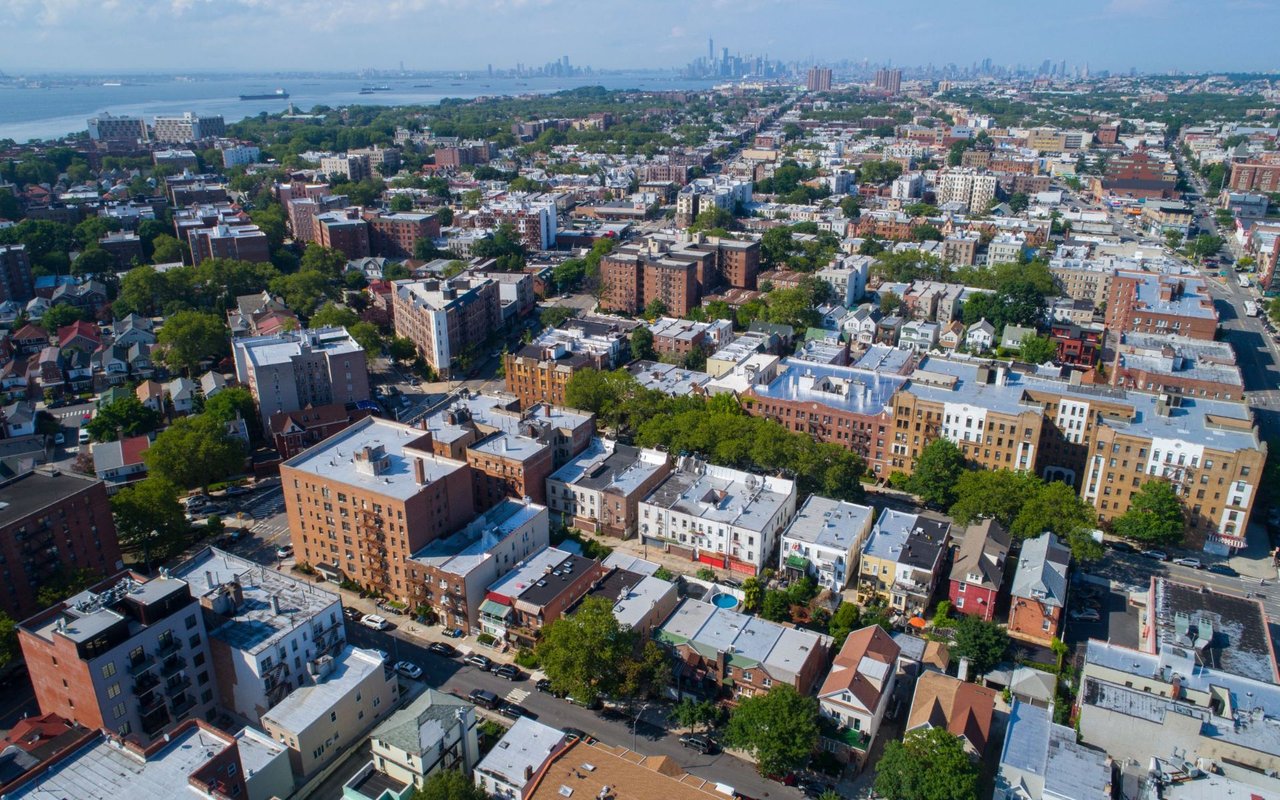
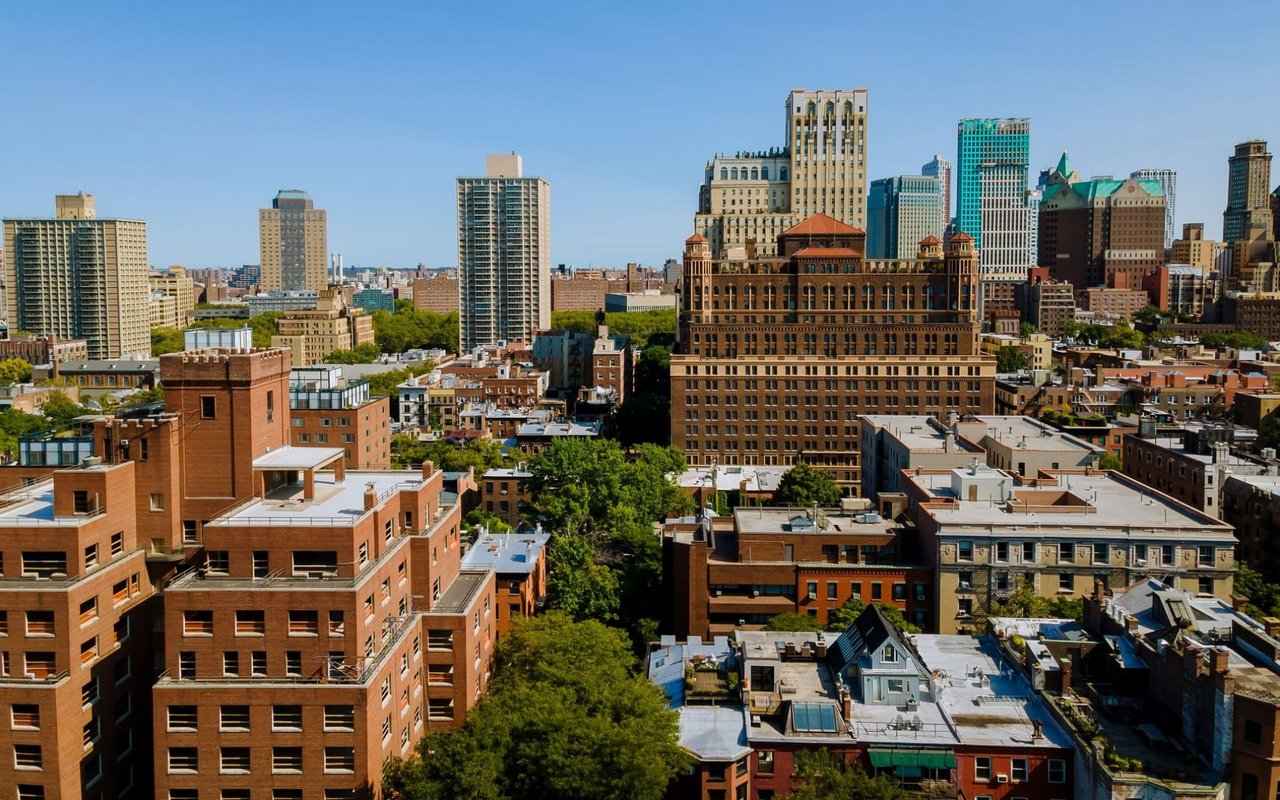
Park Slope takes its name from the land itself: a gradual rise from the commercial flatlands of Fourth Avenue east toward the crest of Prospect Park West. That topography is not merely descriptive. It organizes the entire neighborhood. The blocks closest to the park, where the elevation is highest, command the strongest premiums. The blocks closer to Fourth Avenue, where the slope descends toward the Gowanus Canal, have historically been more accessible. Between those two poles, one of Brooklyn's largest and most architecturally distinguished residential neighborhoods unfolds across dozens of tree-lined blocks.
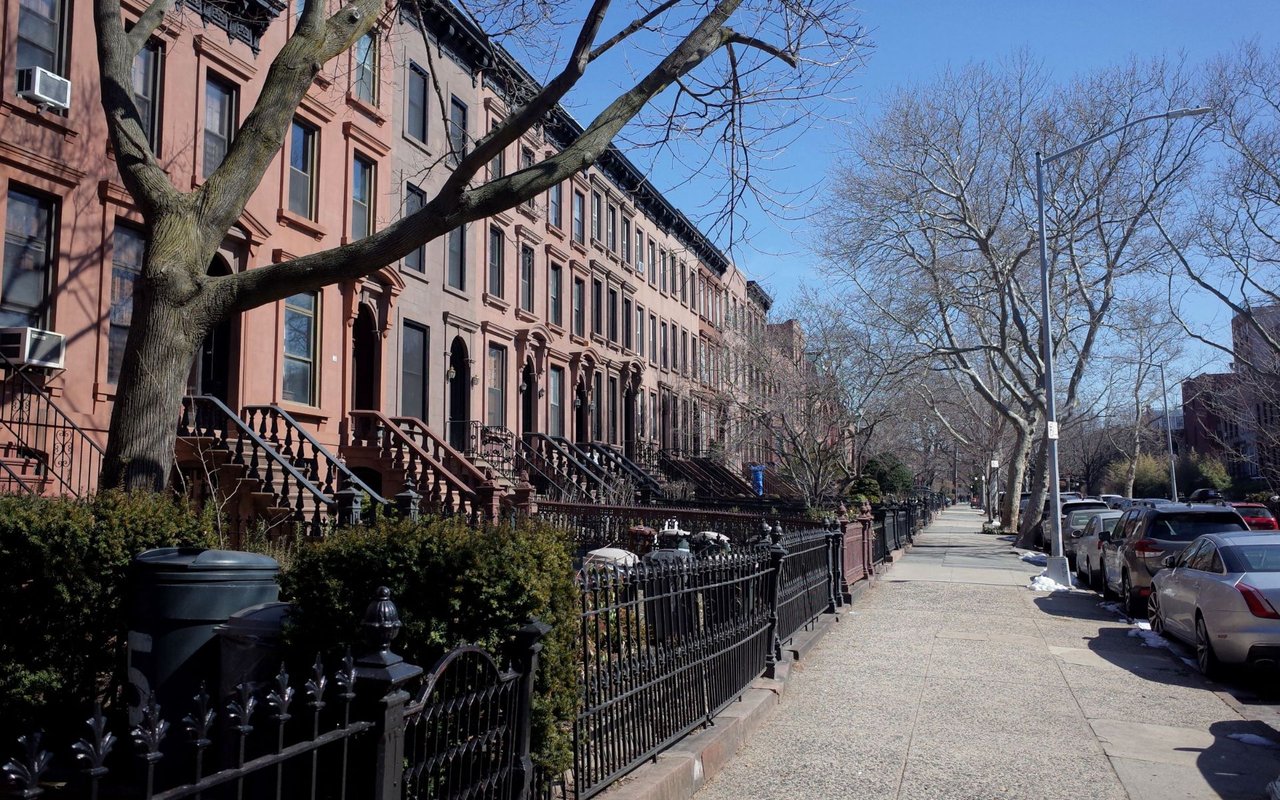
The Park Slope Historic District, designated in 1973, protects more than two thousand buildings across a territory that stretches roughly from Flatbush Avenue to Fifteenth Street and from Prospect Park West to Sixth Avenue. The Landmarks Preservation Commission's designation report called the brownstone architecture here among the finest in the City, a description that remains accurate half a century later.
Prospect Park: Olmsted and Vaux's Masterwork
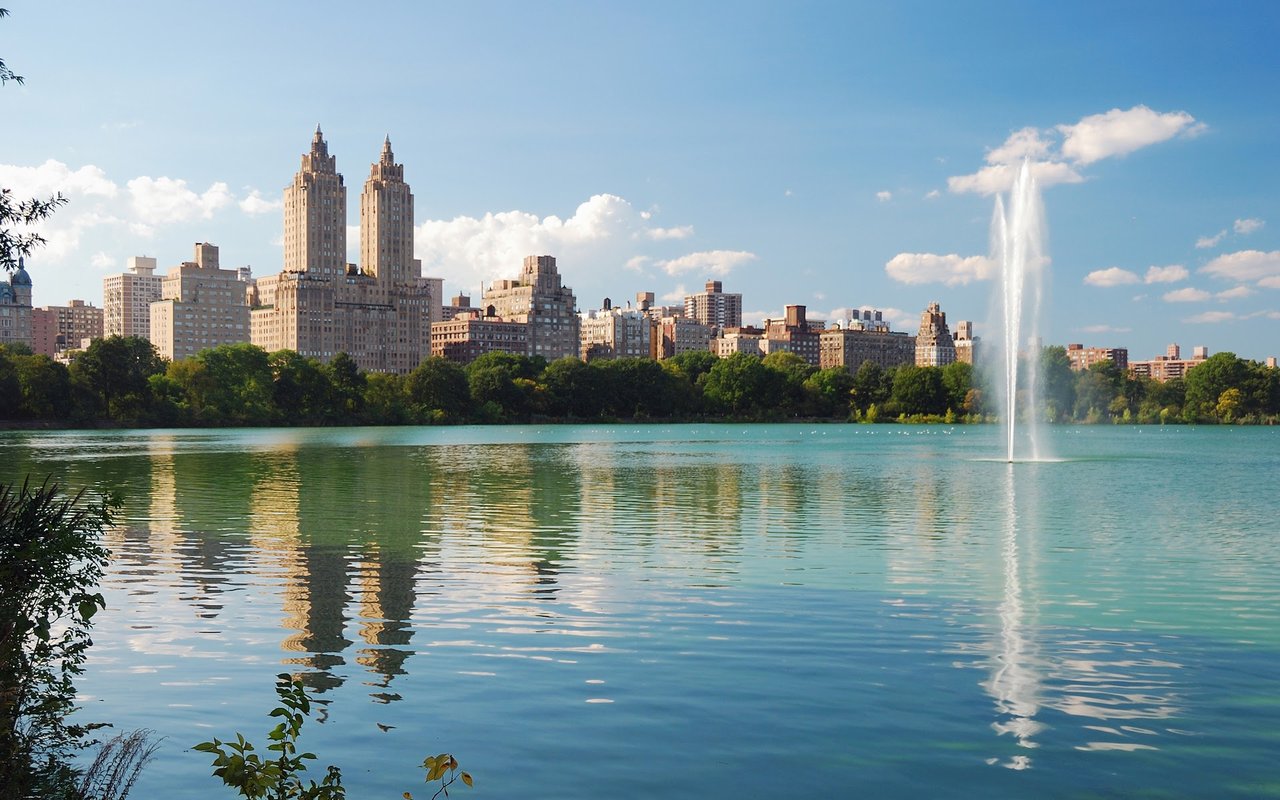
Prospect Park was designed by Frederick Law Olmsted and Calvert Vaux between 1867 and 1873, after they had completed Central Park in Manhattan. Both designers considered Prospect Park the superior work. Where Central Park is bisected by transverse roads and bounded by a rigid street grid, Prospect Park was designed as a continuous landscape with uninterrupted meadows, a sixty-acre lake, and a series of forested ravines that block the surrounding city from view.
For Park Slope residents, the park is not an occasional destination. It is a daily presence. The Long Meadow, a mile-long expanse of open grass, is visible from the upper floors of buildings along Prospect Park West. The Boathouse, a Beaux-Arts pavilion overlooking the lake, hosts public events. The Ravine, a densely wooded valley with a stream running through it, feels like an upstate forest transplanted into the center of the borough. No other Brooklyn neighborhood has a public space of this scale at its doorstep.
Olmsted and Vaux considered Prospect Park their finest work. The residents of Park Slope have been the beneficiaries of that conviction ever since.
The Brownstone Blocks
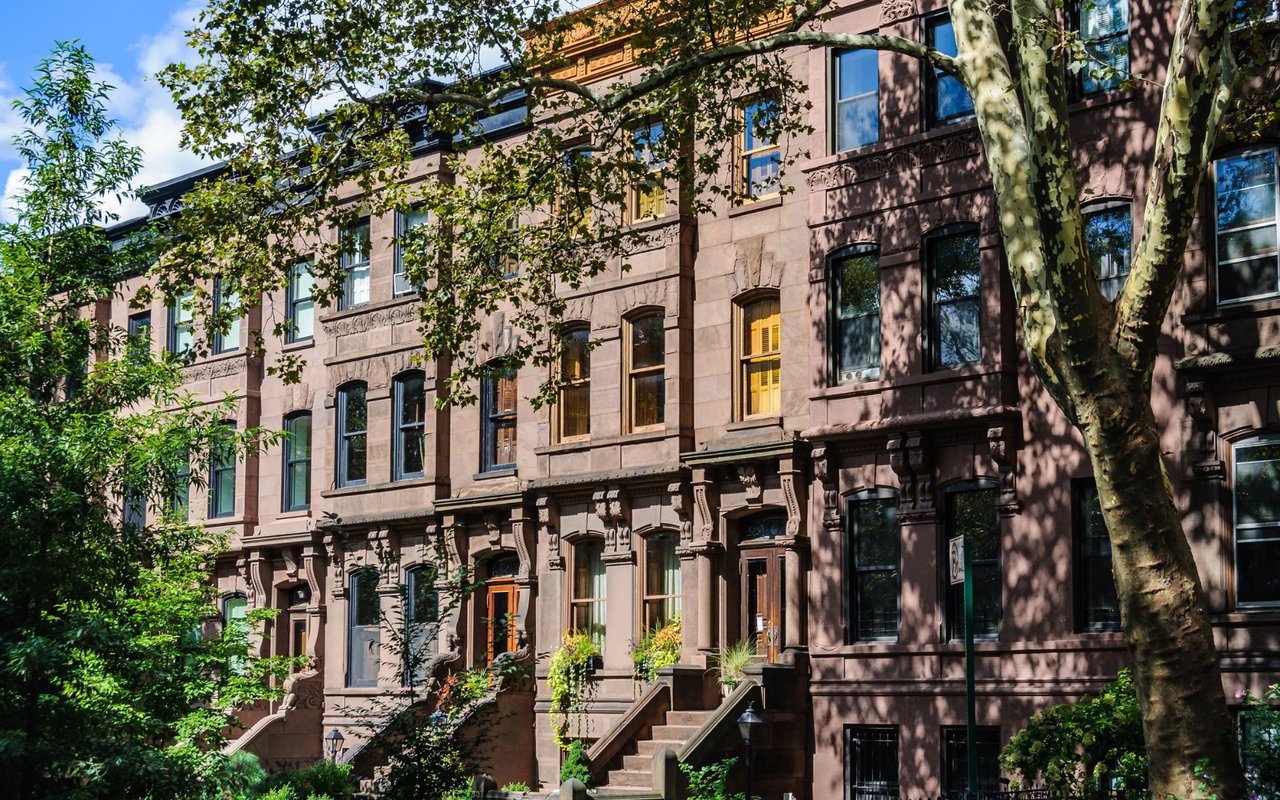
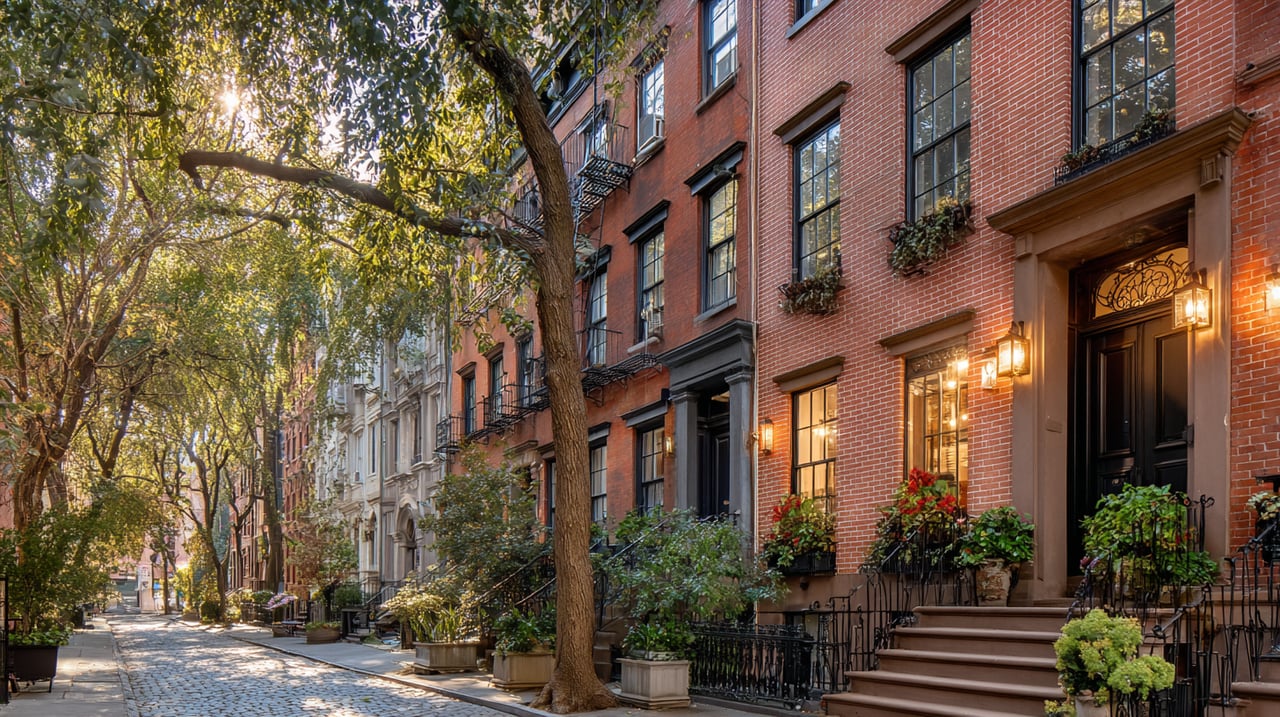
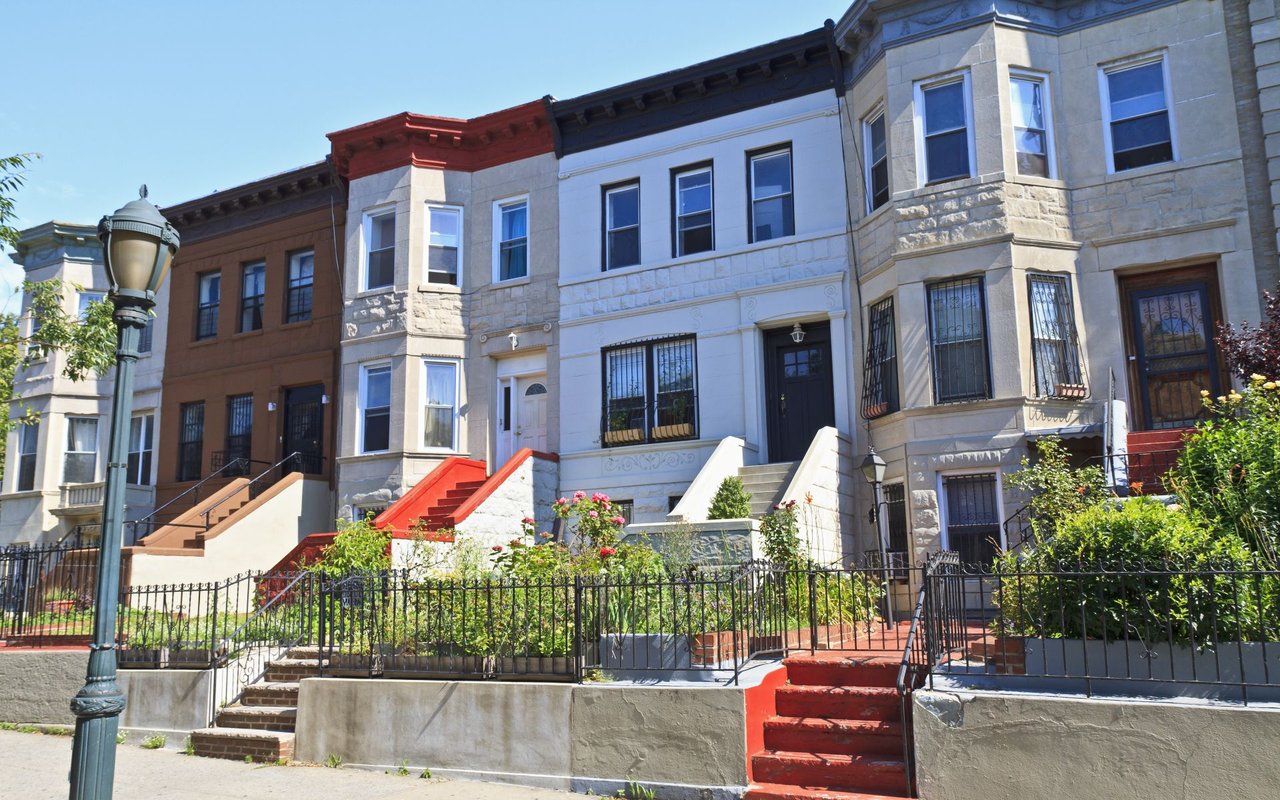
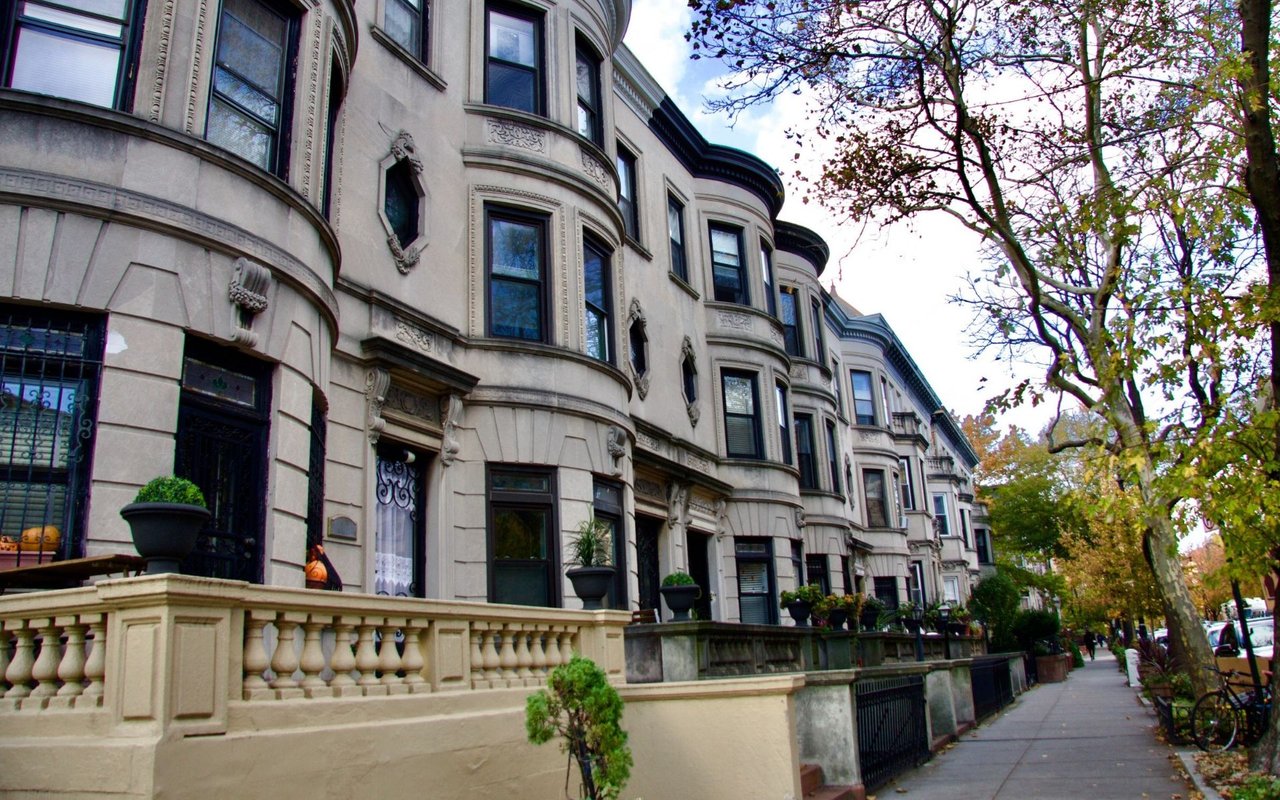
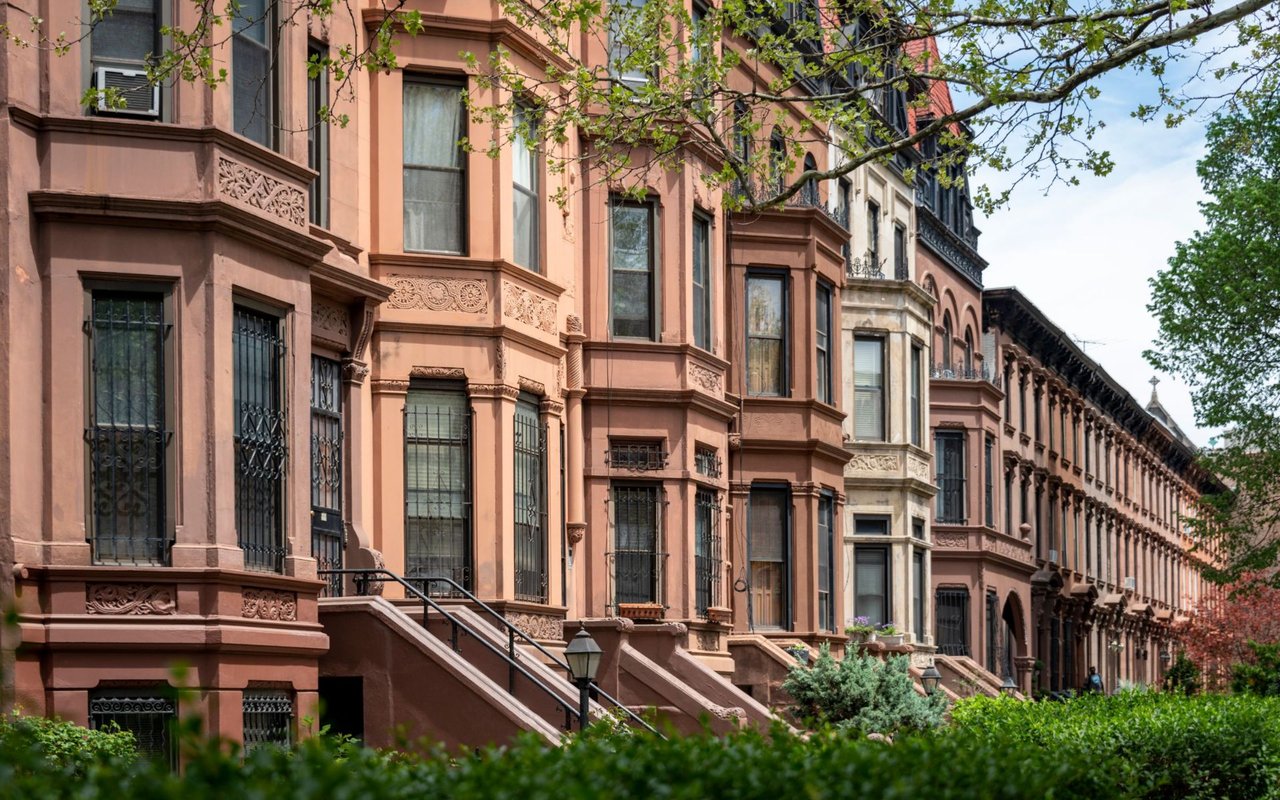
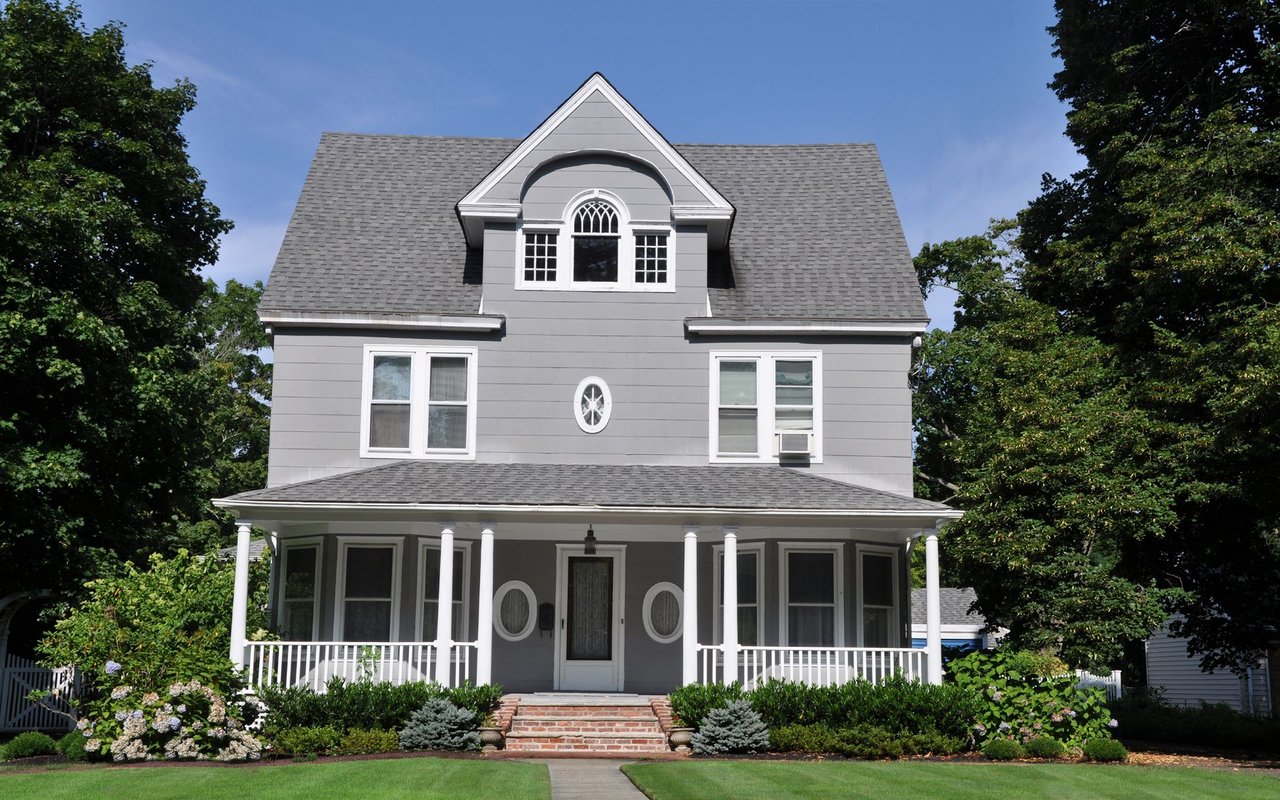
Park Slope's residential architecture spans several decades of nineteenth-century construction, and the variety within the historic district is one of its distinguishing qualities. The Romanesque Revival brownstones along Montgomery Place, with their heavy arched entries and rough-cut stone facades, represent one aesthetic extreme. The delicate Queen Anne row houses on Carroll Street, with their varied rooflines and decorative terra-cotta panels, represent another. Neo-Grec homes with their sharp, incised ornament and Italianate buildings with their bracketed cornices fill the blocks in between.
The architects and builders who shaped these blocks included figures of real significance. C.P.H. Gilbert, who later designed mansions for the Woolworths on Fifth Avenue, produced some of his earliest work in Park Slope. Montrose Morris, one of Brooklyn's most prolific residential architects, designed entire rows of houses that remain intact on President Street and Carroll Street. These are not anonymous buildings. They are the work of designers who understood proportion and detail, and their craftsmanship is visible in the carved lintels, the stained-glass transoms, and the ironwork that survives on building after building.
Grand Army Plaza: The Monumental Entrance
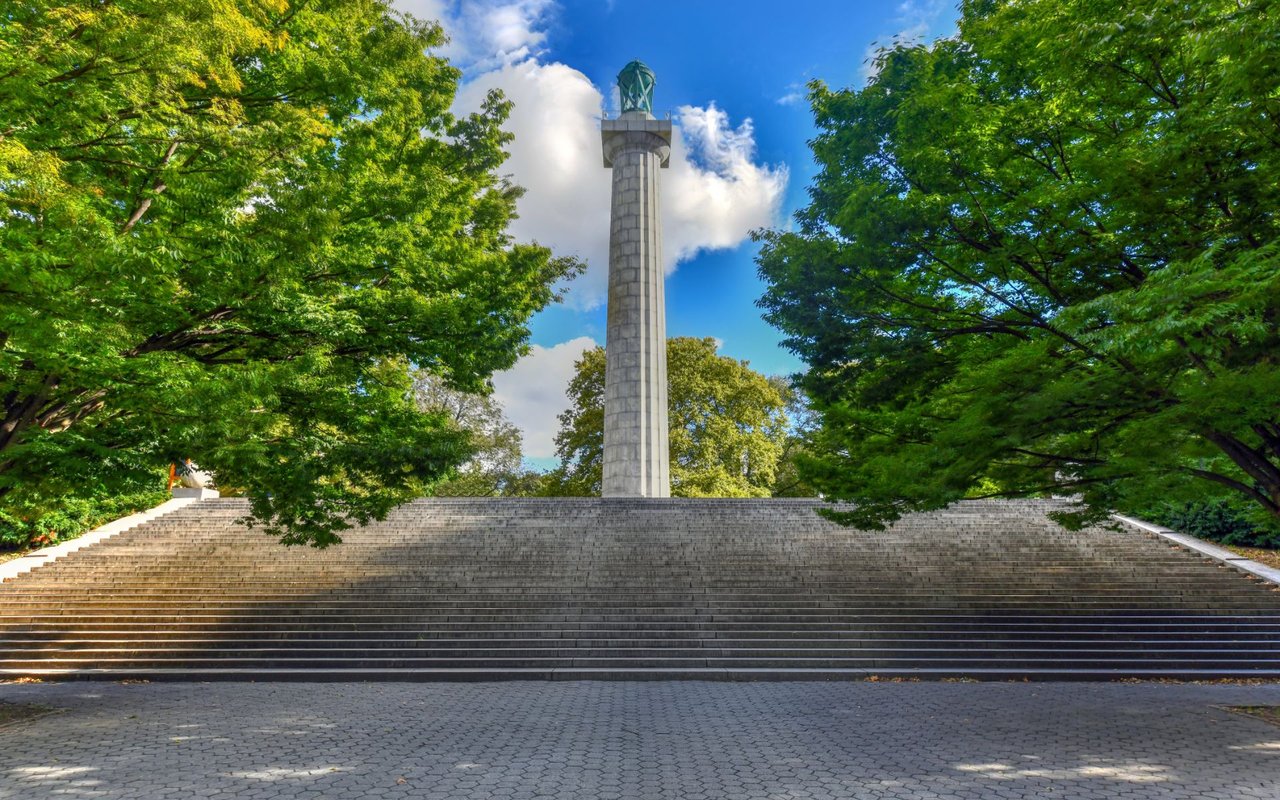
Grand Army Plaza sits at the northern apex of Prospect Park, where Flatbush Avenue meets Prospect Park West and Eastern Parkway. The plaza, designed by Olmsted and Vaux as a formal approach to the park, is anchored by the Soldiers' and Sailors' Memorial Arch, a Civil War monument modeled on the Arc de Triomphe. The scale is deliberately monumental, and it gives Park Slope's northern edge a civic gravity that the residential blocks farther south do not share.
The Brooklyn Public Library's Central Branch faces the plaza with a limestone facade and Art Deco details that make it one of the most architecturally distinctive library buildings in the country. The Saturday Greenmarket at Grand Army Plaza draws vendors from across the region and functions as a weekly gathering point for the surrounding neighborhoods.
Seventh Avenue: The Commercial Corridor
Seventh Avenue runs through Park Slope's center and serves as its primary commercial street. The scale is deliberately neighborhood-oriented: independent bookshops, restaurants with sidewalk seating, coffee shops that have been open long enough to have regulars. The avenue lacks the destination-shopping character of Smith Street or Atlantic Avenue. It serves the people who live on the surrounding blocks, and that local orientation is what makes it functional as a daily amenity rather than a weekend attraction.
Fifth Avenue, running parallel to the west, has undergone its own evolution in recent years. The corridor between Flatbush Avenue and roughly Fifteenth Street has added restaurants and shops that cater to a broader audience while retaining the neighborhood businesses that have operated there for decades. For buyers considering the blocks between Fifth and Seventh, the commercial accessibility of both corridors is part of the residential calculation.
North Slope, Center Slope, South Slope
The distinctions within Park Slope are worth understanding. The North Slope, roughly from Flatbush Avenue to Garfield Place, contains many of the neighborhood's grandest brownstones and the most intact rows within the historic district. The Center Slope, from Garfield Place to roughly Ninth Street, offers comparable architectural quality with slightly less foot traffic. The South Slope, below Ninth Street and extending toward Greenwood Cemetery, is a more recent addition to the neighborhood's market identity. The housing stock there includes smaller row houses and a greater mix of building types, and prices have historically been lower.
These sub-neighborhood distinctions matter for buyers. The experience of living on a tree-lined block of Romanesque brownstones near the park is categorically different from living in a smaller row house closer to Fourth Avenue, even though both fall within the boundaries of Park Slope. We help our clients understand where within the slope their priorities are best served.
Our Perspective
Park Slope is Brooklyn's most established brownstone neighborhood, and the depth of its homes means that the right property is almost always available for the buyer who knows where to look. The historic district protections ensure that the streetscape will remain intact, and Prospect Park provides an amenity that no development project can replicate. Our role is to help clients navigate the micro-market distinctions, between blocks and between buildings of different periods and conditions, that determine whether a particular purchase is the right one for their specific requirements.