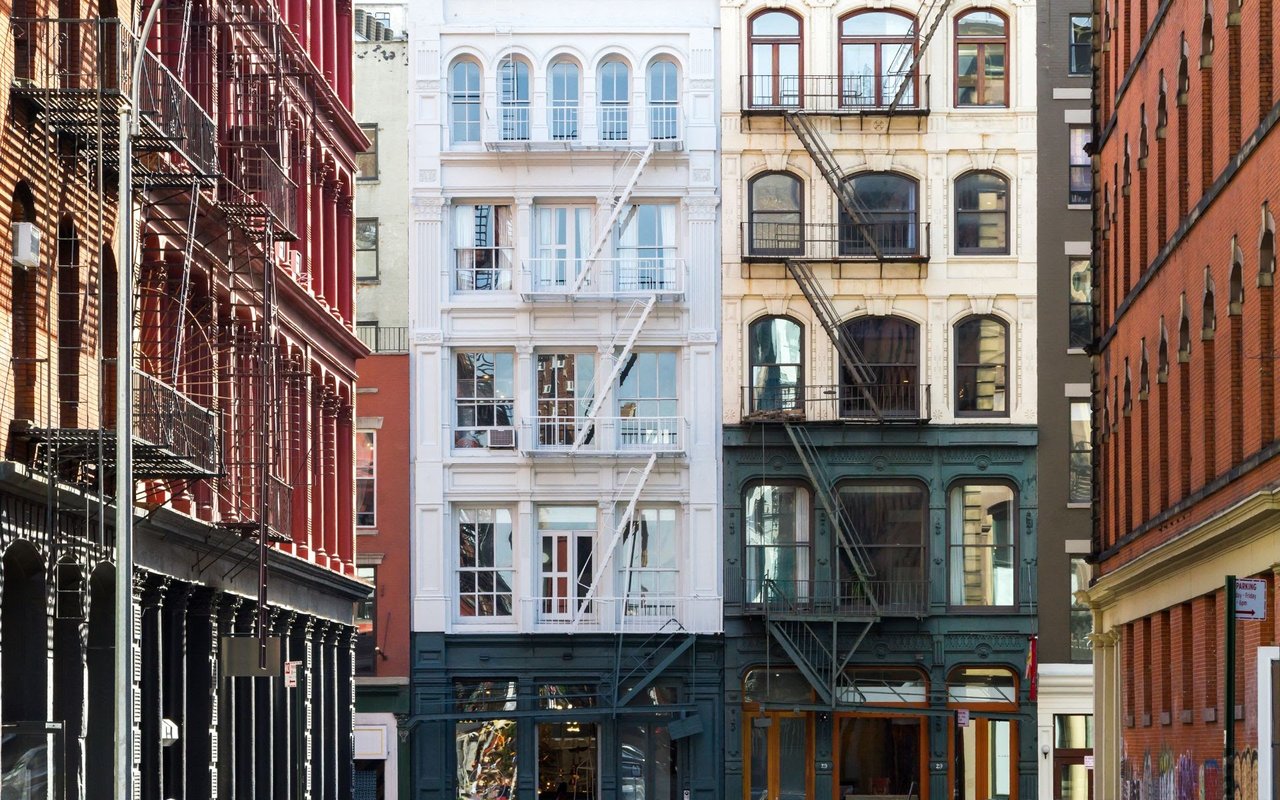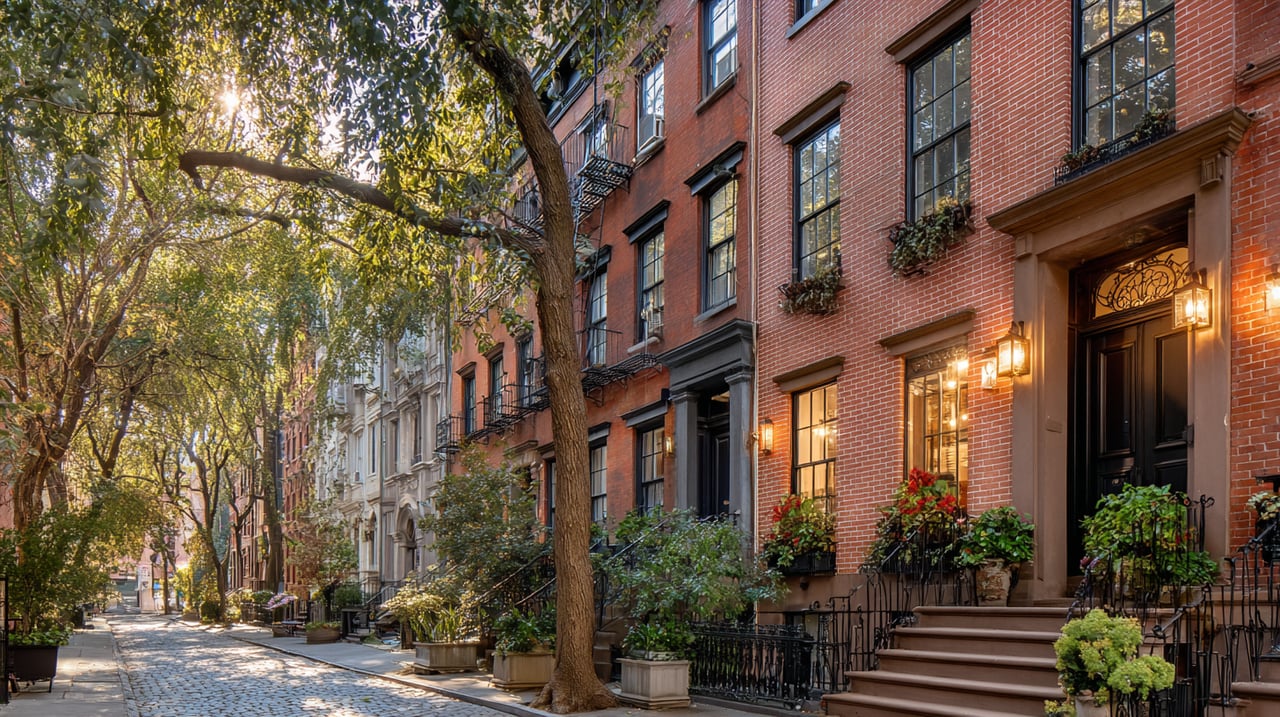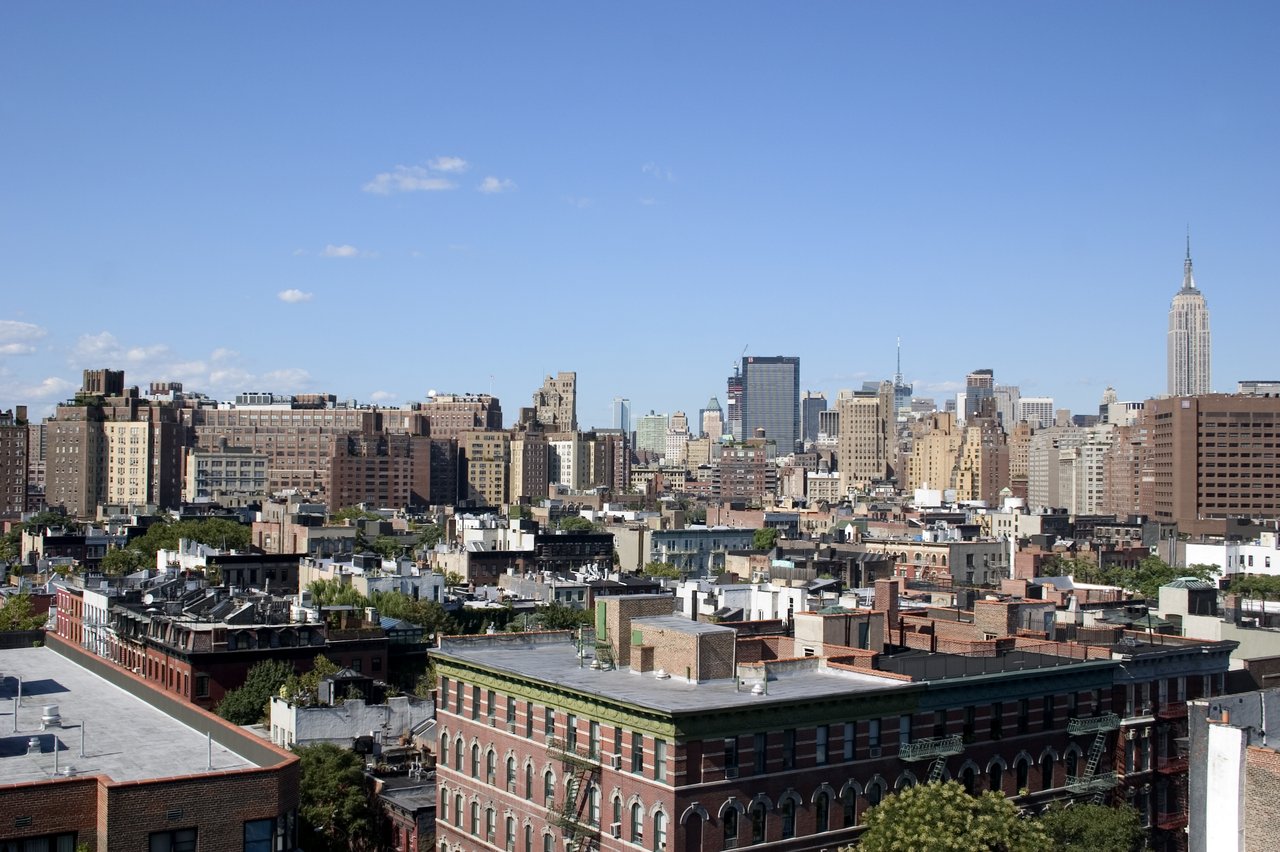
The Greenwich Village Historic District was designated in 1969, making it the largest protected district in New York City at the time. That designation was not a formality. It was a direct response to the threat of demolition that had already claimed Penn Station and was advancing toward the Village's low-rise blocks of townhouses and walk-up apartment buildings. The preservation movement that began here reshaped how the entire city thinks about its architectural heritage.
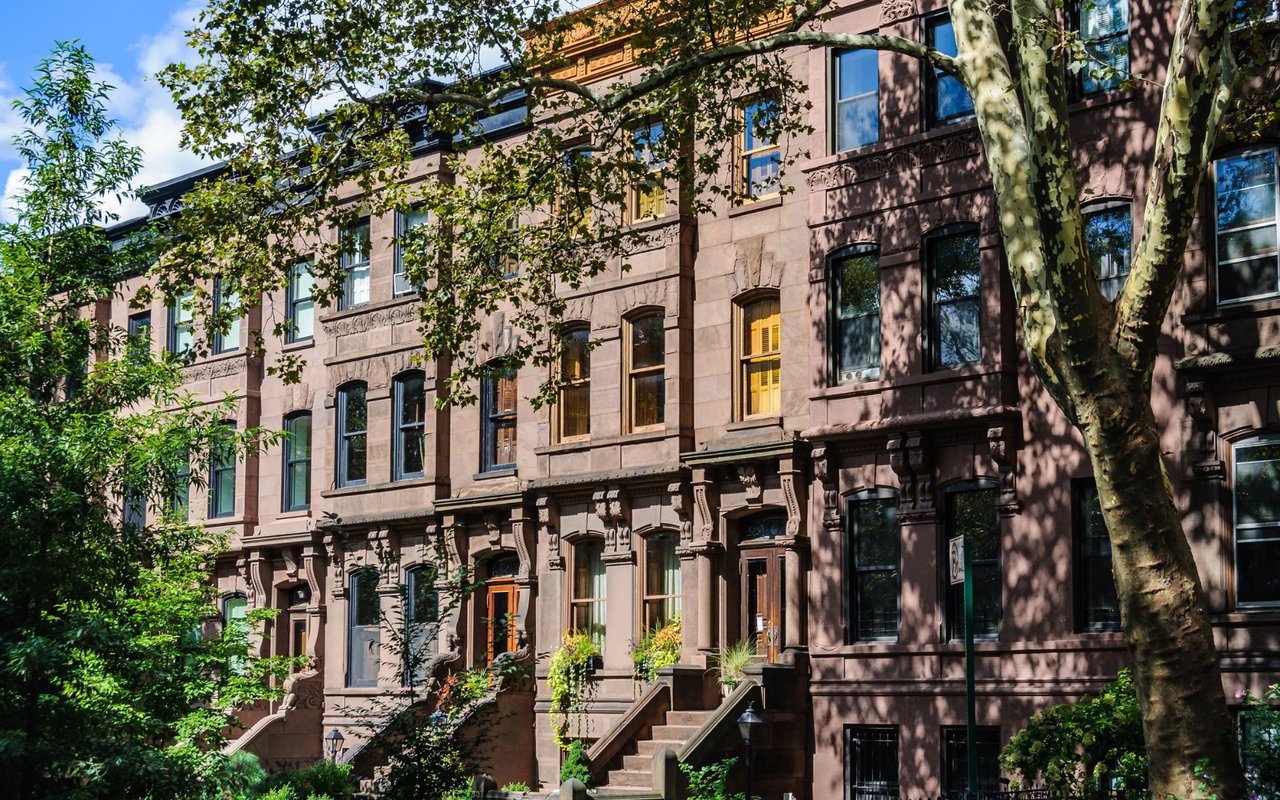
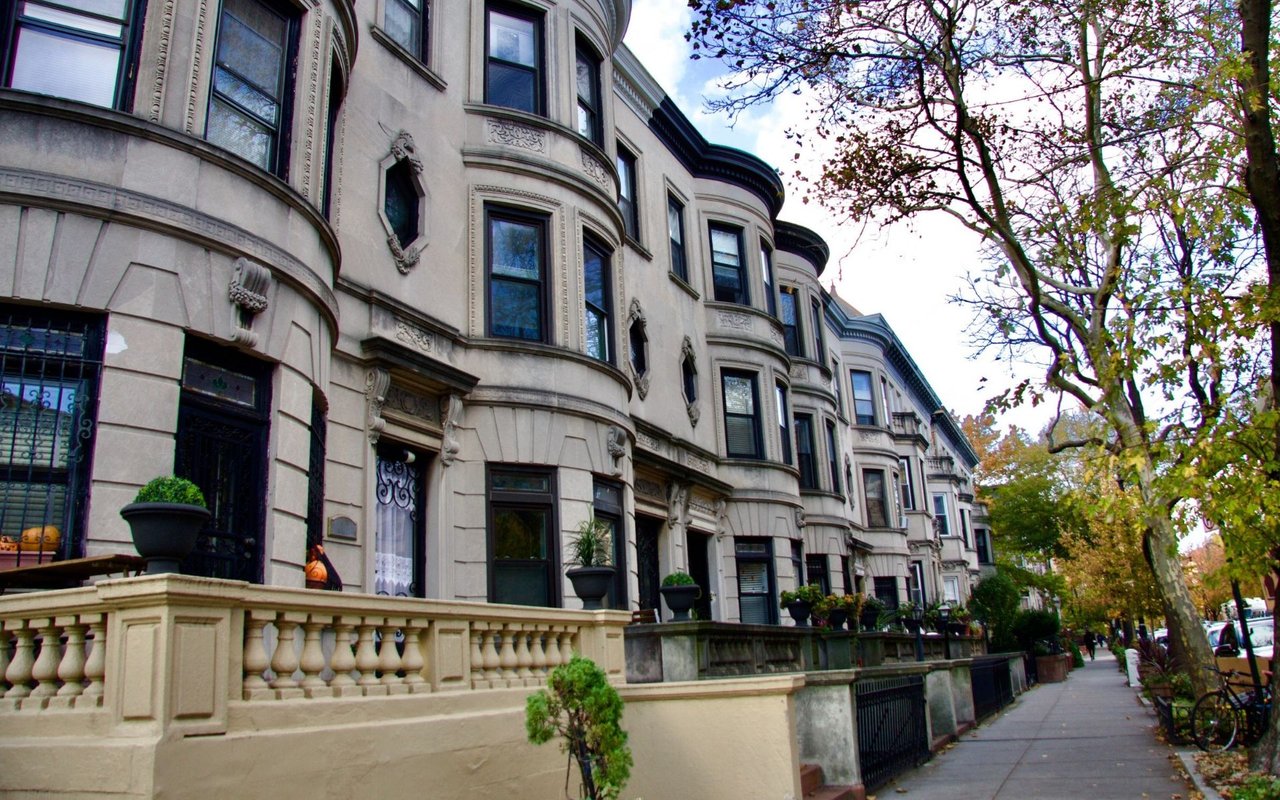
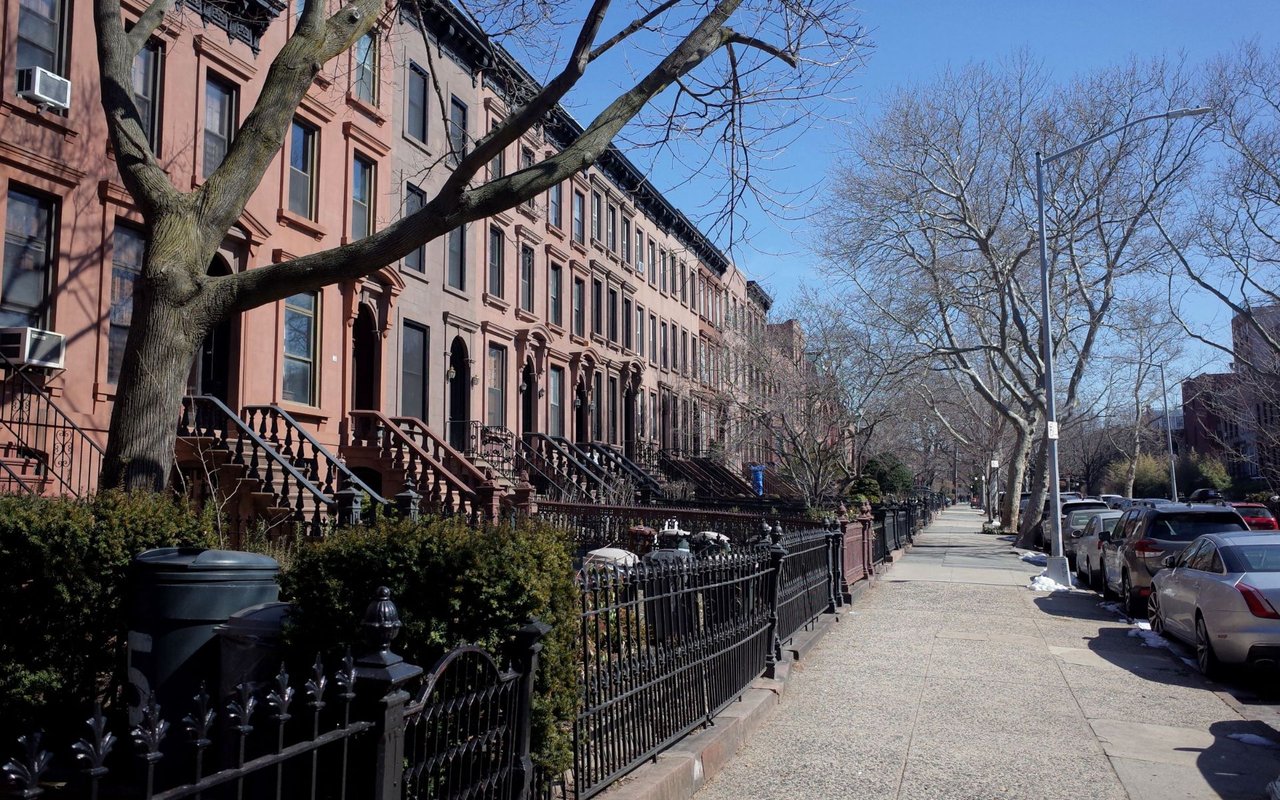
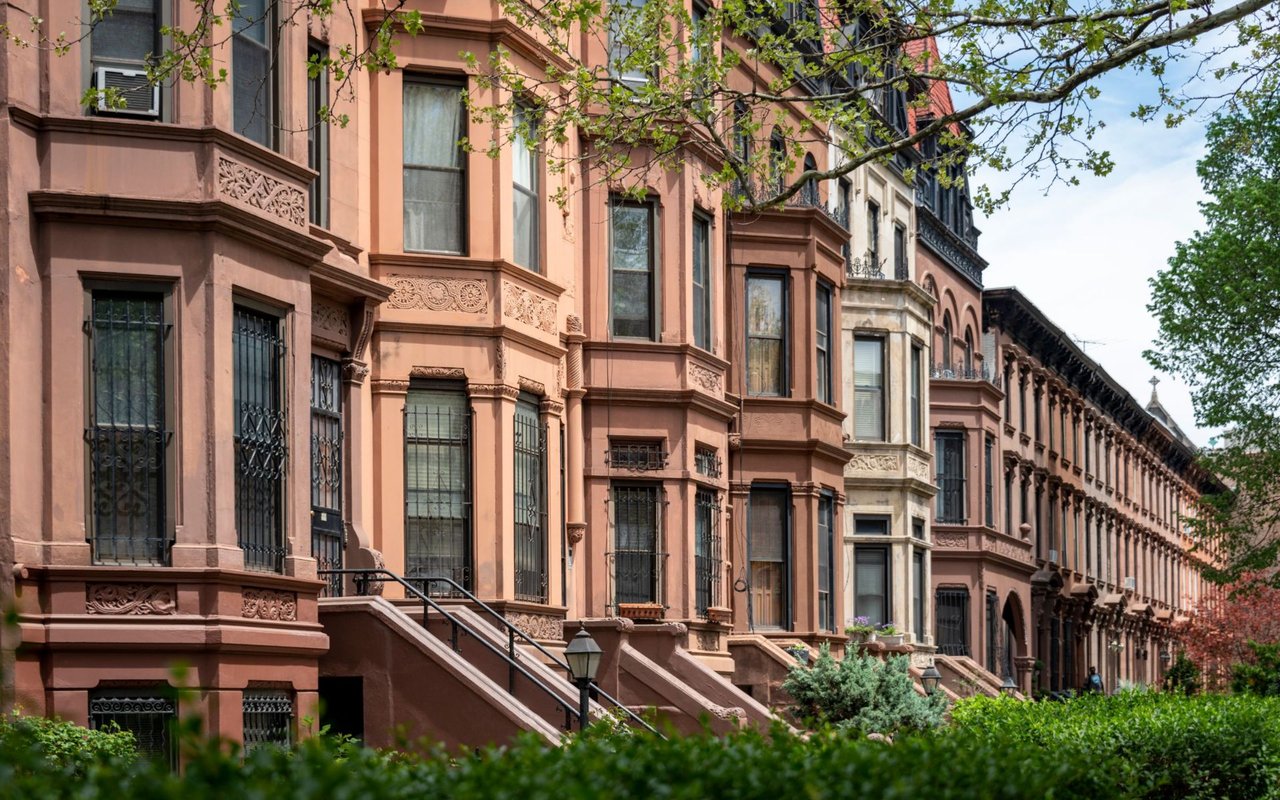
What the designation protected was not a museum. It was a living neighborhood of townhouses built between the 1830s and the 1890s in Greek Revival, Italianate, and Federal styles. These are structures with histories embedded in their facades: original ironwork, carved lintels, brownstone stoops that have been climbed by two centuries of residents.
Washington Square Park is not merely a green space. It is the cultural center of gravity for an entire section of Manhattan. The arch at its northern entrance, the chess tables along its southwestern edge: these are fixed points around which the Village organizes itself. NYU's campus wraps around the park on three sides, and that academic presence gives the area an intellectual current that distinguishes it from every other residential neighborhood in the city.
The park also defines the real estate market in its immediate vicinity. Properties with direct park views on Washington Square North occupy some of the most coveted addresses in Manhattan. The Greek Revival row houses along that block have traded at figures that reflect their irreplaceable position.
Washington Square Park does not just anchor the Village. It gives the neighborhood permission to be itself.
Greenwich Village's townhouses represent one of the purest expressions of residential scarcity in Manhattan. No new townhouses are being built within the historic district. The existing stock dates from a period when craftsmanship was a given rather than a selling point: hand-carved marble mantels, original plaster ceiling medallions, parlor-floor proportions designed for entertaining.
Noble has sold townhouses in the Village at record prices, and we approach this segment with the specificity it demands. The structural condition of a townhouse built in 1845 is not the same as one built in 1880. The renovation history matters. The mechanical systems matter. Whether the rear yard faces south or north matters. These are details that only emerge through careful evaluation, and they are the details that determine whether a particular property is worth its asking price.
New York University is the Village's largest institutional presence, and its relationship with the surrounding neighborhood is complex. The university brings intellectual energy and a steady flow of people through the streets. It also brings development pressure. NYU's expansion plans have been a source of community tension for decades, and the boundaries between campus and neighborhood are constantly being negotiated.
For residents, the practical impact is mixed. The proximity to academic lectures and film screenings is a genuine amenity. The student population keeps the neighborhood's restaurants and shops operating year-round. But the university's appetite for expansion means that the institutional footprint is always evolving, and that evolution affects property values on adjacent blocks in ways that require local knowledge to assess.
The Village's cultural history is not decorative. It is structural. The literary community that formed here in the early twentieth century, the folk music movement of the 1960s, the LGBTQ civil rights movement that began at the Stonewall Inn on Christopher Street: these were not events that happened to occur in the Village. They happened because the Village's physical character, its crooked streets and small-scale buildings, created the conditions for dissent and creativity in ways that a planned grid could not.
That heritage still informs the neighborhood's identity. The Village attracts residents who value its history not as a brand but as an operating principle. The streets are deliberately irregular. The buildings are deliberately modest in scale. The resistance to large-scale development is not accidental. It is a conscious choice, reinforced by landmark protections that the community fought to establish.
Greenwich Lane, developed on the site of the former St. Vincent's Hospital, introduced a collection of new condominium buildings to the Village's western edge. The project was designed to respect the neighborhood's scale while offering the kind of modern amenities and finishes that the existing housing stock cannot provide. For buyers who want a Village address with contemporary infrastructure, Greenwich Lane remains the most significant recent addition to the market.
Greenwich Village is a neighborhood where the wrong purchase can be as consequential as the right one. The historic district protections mean that renovation projects require LPC approval, and the townhouse market in particular demands expertise that goes well beyond what a standard transaction requires. We bring that expertise. Our knowledge of the Village extends to the block-by-block distinctions that determine value, and we counsel our clients with the precision that this neighborhood demands.
28,649 people live in Greenwich Village, where the median age is 39 and the average individual income is $147,040. Data provided by the U.S. Census Bureau.
Total Population
Median Age
Population Density Population Density This is the number of people per square mile in a neighborhood.
Average individual Income
There's plenty to do around Greenwich Village, including shopping, dining, nightlife, parks, and more. Data provided by Walk Score and Yelp.
Explore popular things to do in the area, including Big Enchilada, Garibaldi Plaza, and New View Beauty Salon.
| Name | Category | Distance | Reviews |
Ratings by
Yelp
|
|---|---|---|---|---|
| Dining | 0.24 miles | 0 reviews | 0/5 stars | |
| Active | 0.06 miles | 0 reviews | 0/5 stars | |
| Beauty | 0.23 miles | 0 reviews | 0/5 stars | |
| Beauty | 0.35 miles | 0 reviews | 0/5 stars | |
|
|
||||
|
|
||||
|
|
||||
|
|
||||
|
|
||||
|
|
Greenwich Village has 13,926 households, with an average household size of 2. Data provided by the U.S. Census Bureau. Here’s what the people living in Greenwich Village do for work — and how long it takes them to get there. Data provided by the U.S. Census Bureau. 28,649 people call Greenwich Village home. The population density is 102,744 and the largest age group is Data provided by the U.S. Census Bureau.
Total Population
Population Density Population Density This is the number of people per square mile in a neighborhood.
Median Age
Men vs Women
Population by Age Group
0-9 Years
10-17 Years
18-24 Years
25-64 Years
65-74 Years
75+ Years
Education Level
Total Households
Average Household Size
Average individual Income
Households with Children
With Children:
Without Children:
Marital Status
Blue vs White Collar Workers
Blue Collar:
White Collar: