Why Live in Quogue?
The Quiet Hampton
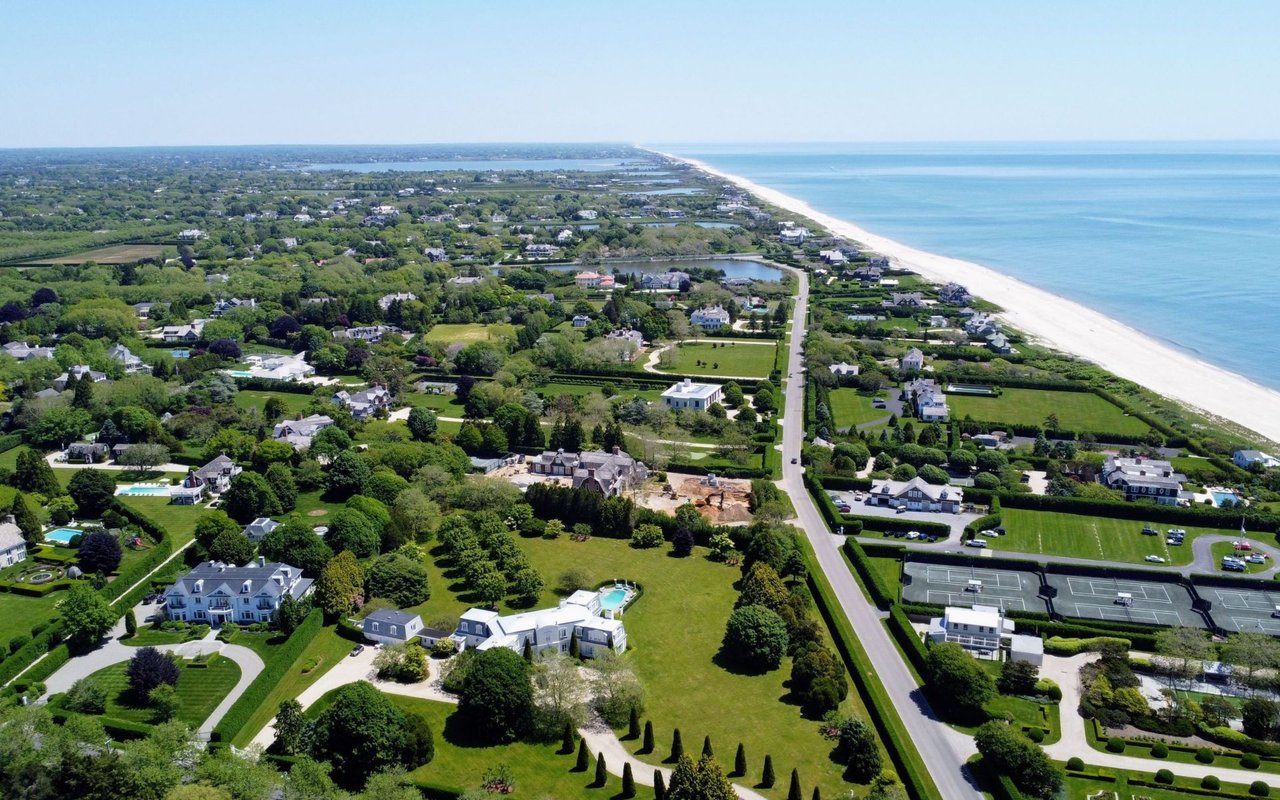
Quogue's appeal is its refusal to become something else. While the eastern villages evolved into destinations -- with gallery openings and social calendars dense enough to fill a magazine -- Quogue has held its position with a stubbornness that borders on principle. The village has been called "the Hampton that time forgot," and the phrase captures something real: Quogue does not compete for attention because it does not want attention. The families who have summered here for generations -- the Cooks, Fosters, Herricks, Jessups, Howells, Posts, descendants of Southampton's original settlers -- established a community built on privacy rather than display.
That multi-generational character gives Quogue a social depth that newer Hamptons communities cannot manufacture. Properties here pass between family members. Neighbors have known each other for decades. The result is a community with a texture that money alone cannot buy, and a real estate market where the most significant transactions are often the quietest.
What is the Quogue Historic District?
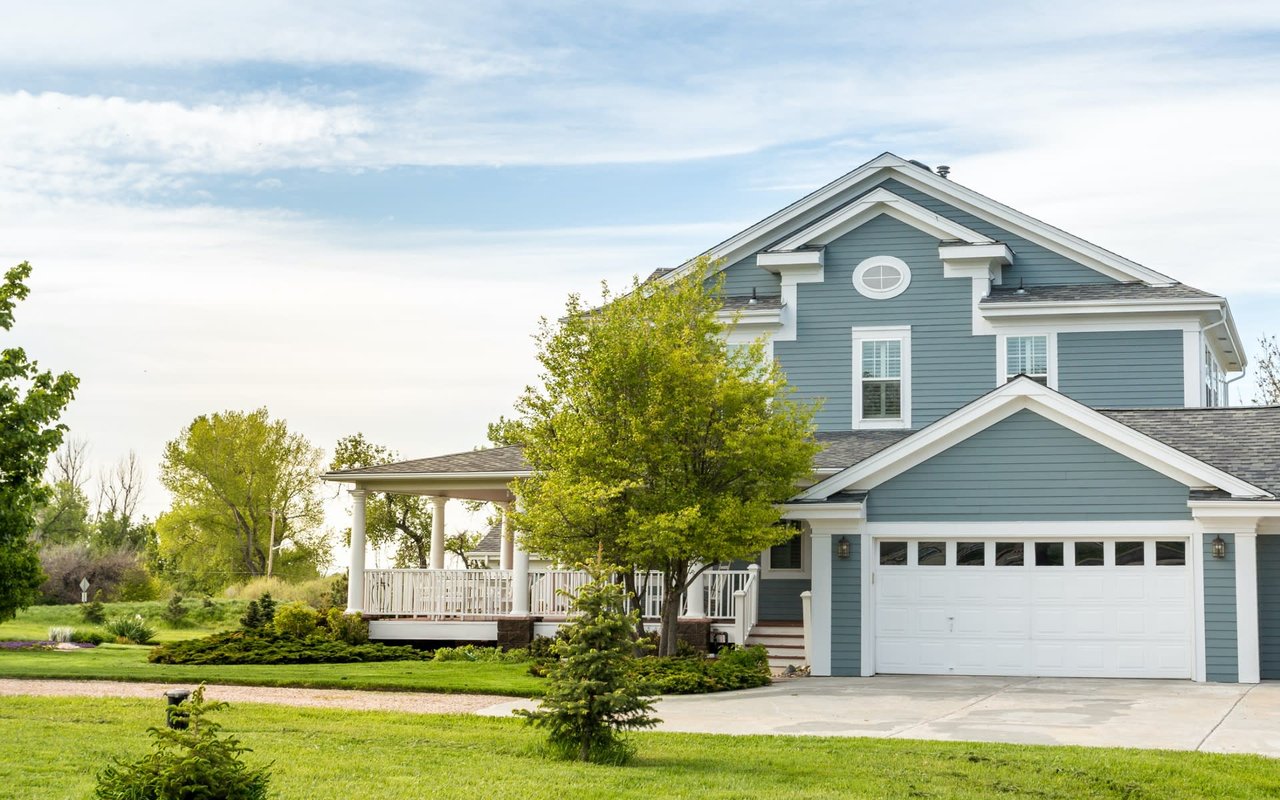
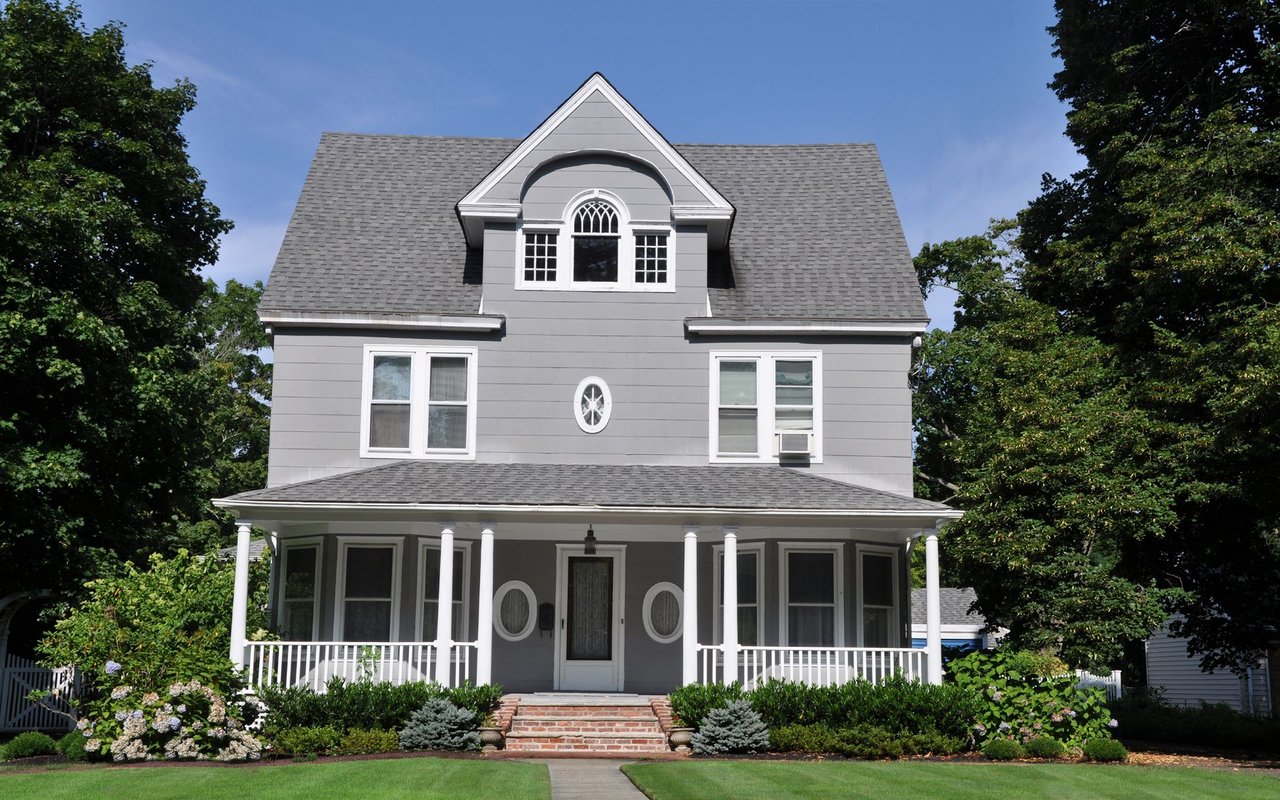
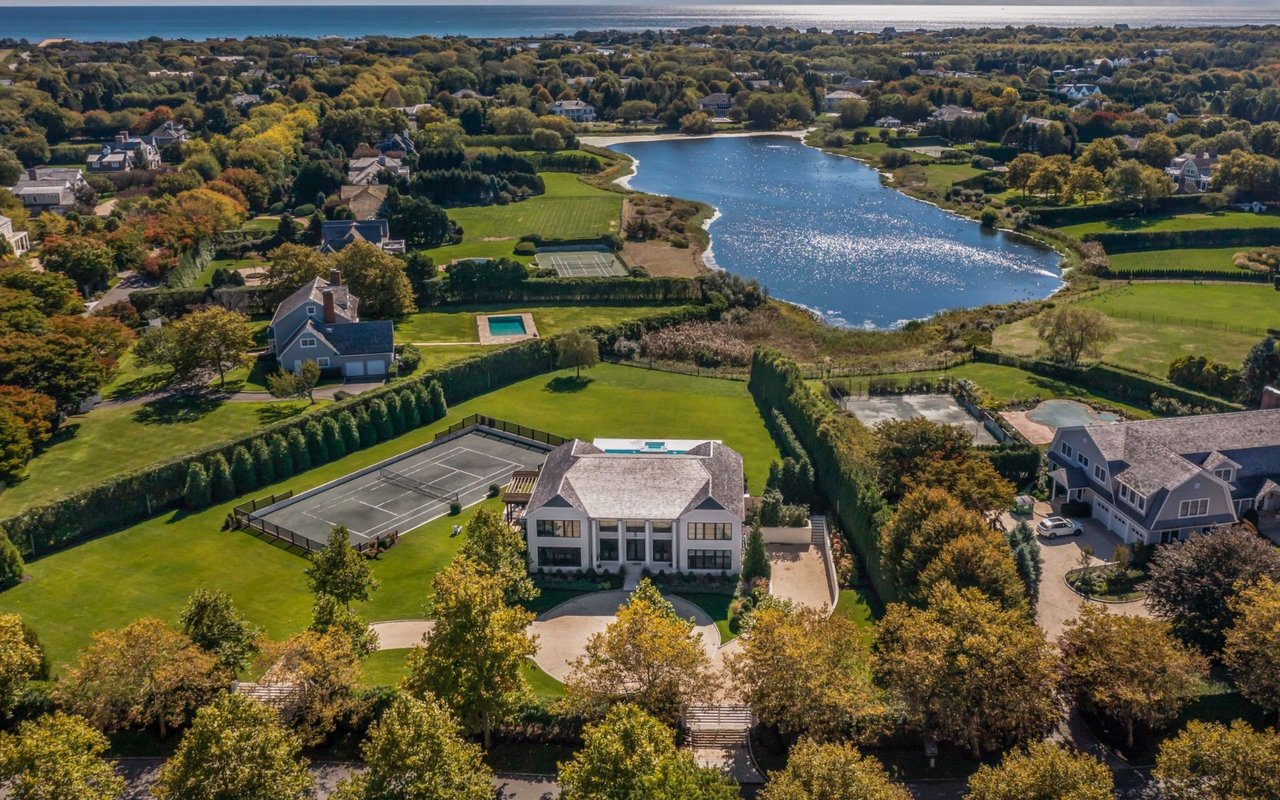
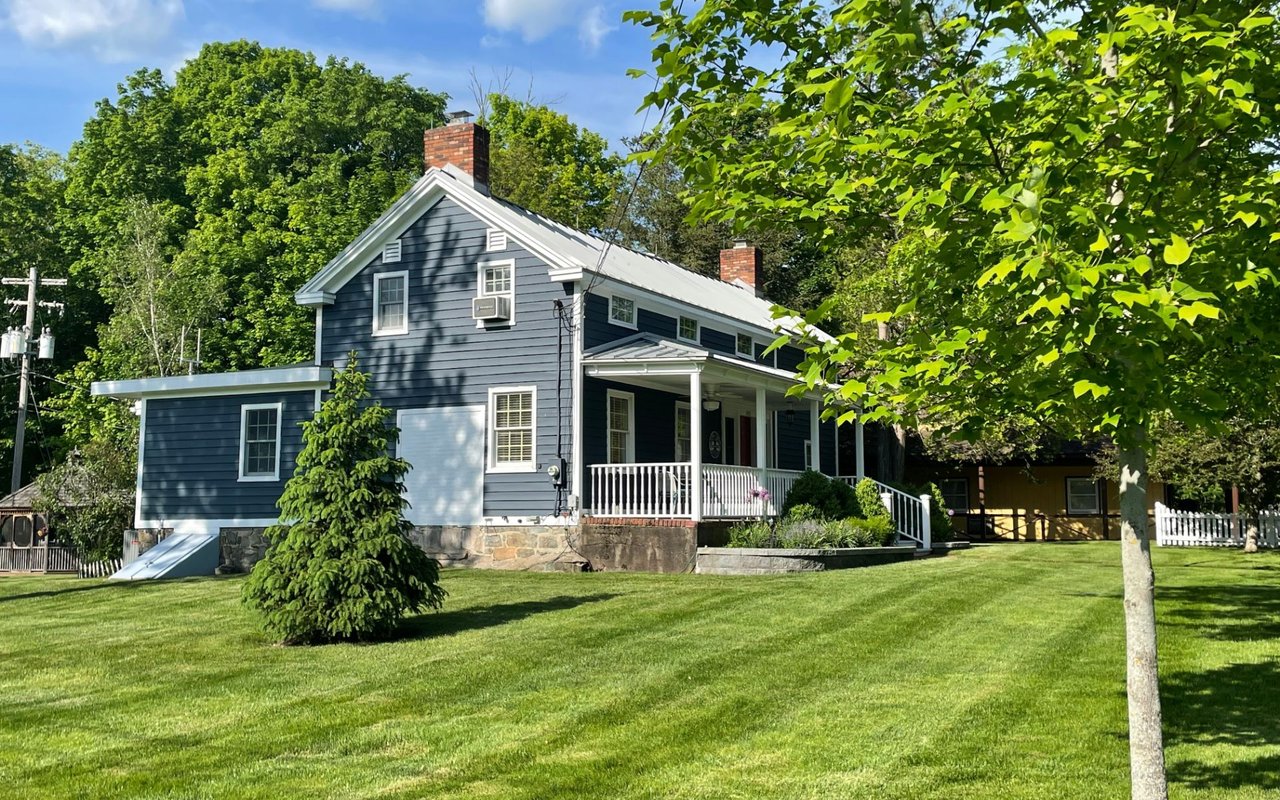
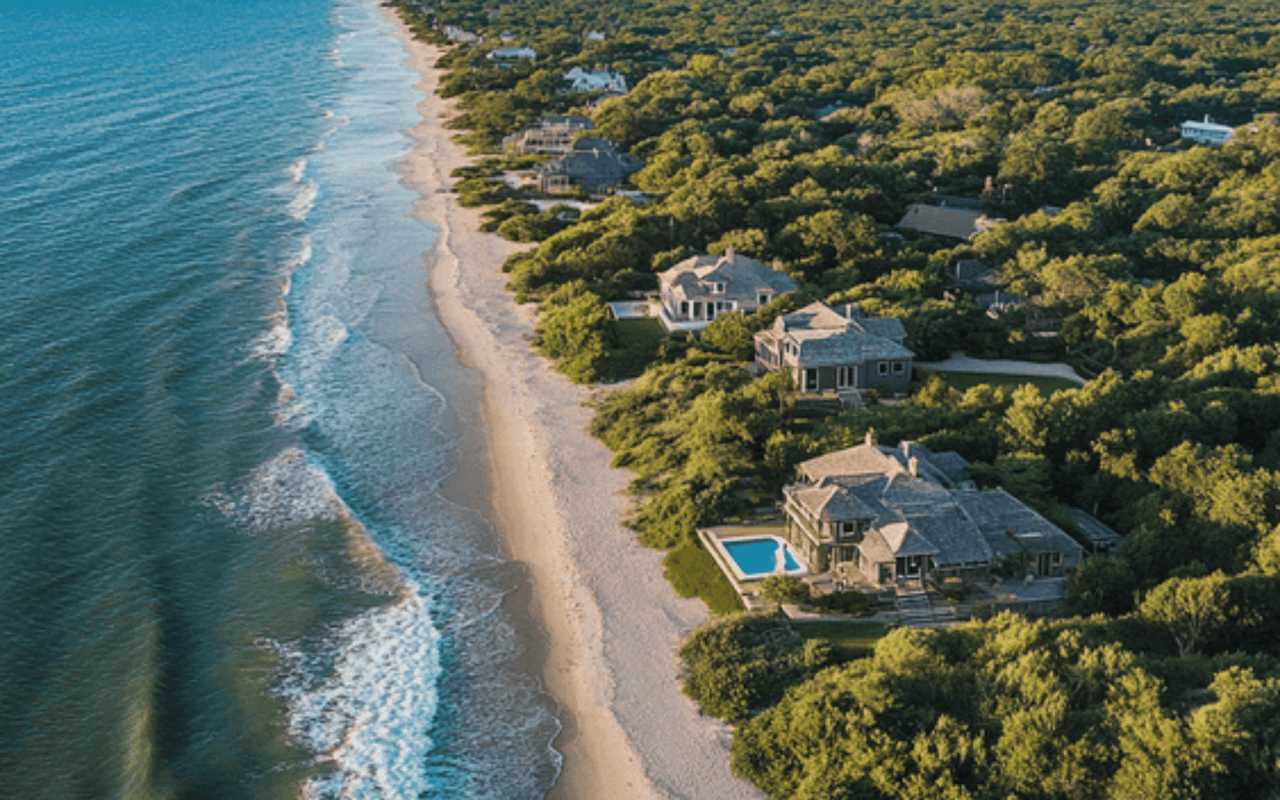
The Quogue Historic District encompasses over two hundred and fifty shingle-style homes -- a concentration of late-nineteenth and early-twentieth-century residential architecture that rivals any on the East End. The houses sit on oversized lots with vast lawns and high hedges, creating streetscapes where the dominant impression is of space rather than structure. The architectural language is consistent without being uniform: cedar shingle with wraparound porches and dormer windows, the kind of proportions that reflect an era when summer houses were designed for permanence.
The deliberate resistance to commercialization means that these homes exist within a setting that has not been compromised by adjacent development. There is minimal retail and minimal nightlife -- a building environment that protects the character of the historic district rather than competing with it.
The Quogue Wildlife Refuge
The Quogue Wildlife Refuge occupies three hundred and five acres along the southern edge of the village -- free admission, open every day from sunrise to sunset, with seven miles of trails through pine barrens and oak forest. The refuge was founded in 1934 and has been maintained as a community resource ever since. For residents, it functions as an extension of their own property -- a preserved landscape that provides the kind of daily access to nature that most communities can only approximate through public parks.
The refuge's presence reinforces Quogue's character as a place where the natural environment takes precedence over commercial development. It is not a park designed for visitors. It is a landscape preserved for the community that surrounds it.
Who Buys in Quogue?
The Quogue buyer is not looking for the Hamptons experience as it is commonly understood. They want the antidote. They are seeking a community where discretion is the default and where the architecture tells a story about continuity rather than ambition. These buyers often have multi-generational connections to the village, though newcomers who share those values are welcomed -- provided they understand that Quogue's quietness is a feature that the community actively protects.
Our Perspective
Quogue rewards buyers who value preservation over renovation and community over convenience. The market here operates with a discretion that matches the village's character -- properties often circulate through personal networks before reaching public listings, and the buyers who succeed are those who have demonstrated patience and genuine interest in becoming part of the community. We work with clients who understand those dynamics and who appreciate Quogue for the deliberate choice it represents.