When the Parrish Art Museum opened its new building in Water Mill on November 10, 2012, it did more than relocate a collection. It announced that a hamlet best known for farmland and a seventeenth-century gristmill had become a destination for serious architecture. Herzog & de Meuron designed the museum on a fourteen-acre site that had been a tree nursery, drawing inspiration from local barns and artist studios. The building uses two hundred-year-old heart pine and fills its ten sky-lit galleries with natural light. It is a structure that belongs to its landscape rather than imposing upon it -- a rare achievement in contemporary museum design.
The Parrish was founded in 1898 and spent most of its life on Jobs Lane in Southampton Village. The decision to move to Water Mill was a statement about the hamlet's emergence as a cultural address, and the building has delivered on that promise. For buyers evaluating Water Mill, the museum's presence matters -- it signals a community that values craft and permanence over spectacle.
"Herzog & de Meuron designed a building that belongs to its landscape rather than imposing upon it -- a rare achievement in contemporary museum design."
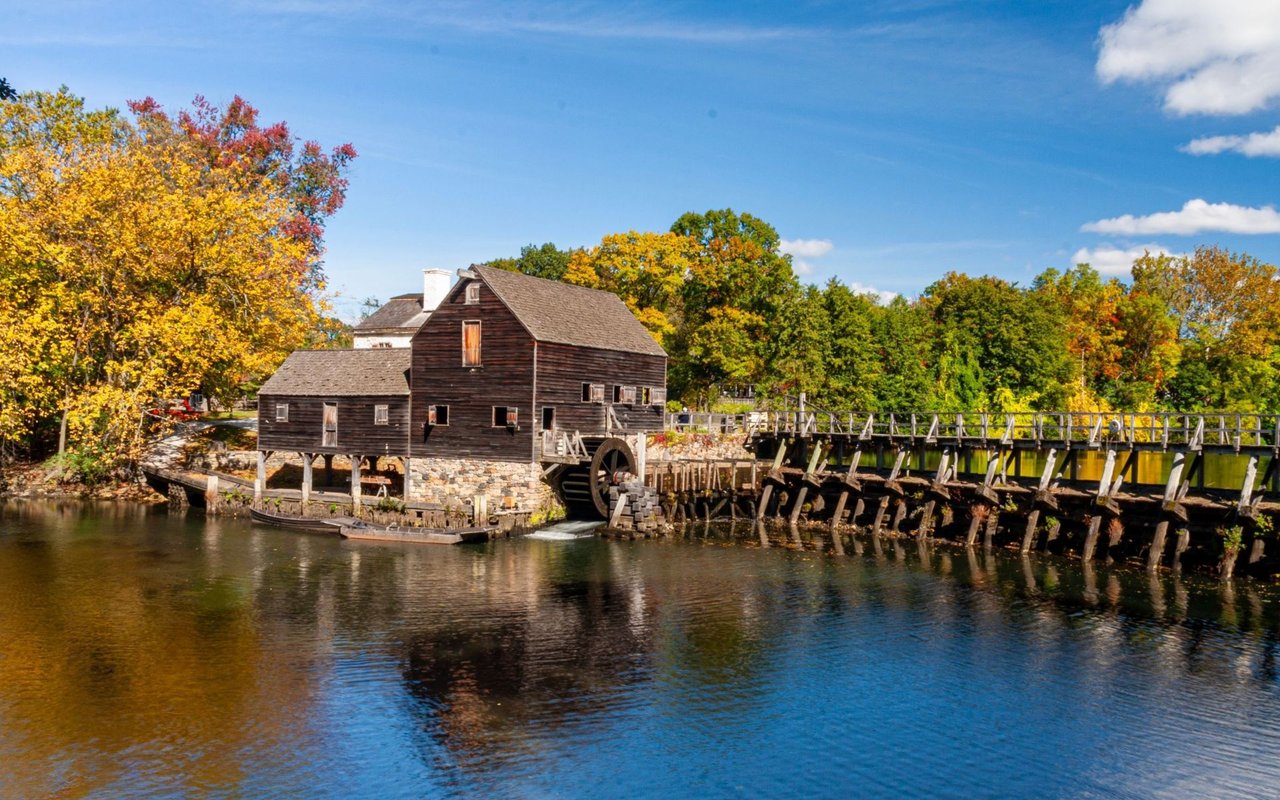
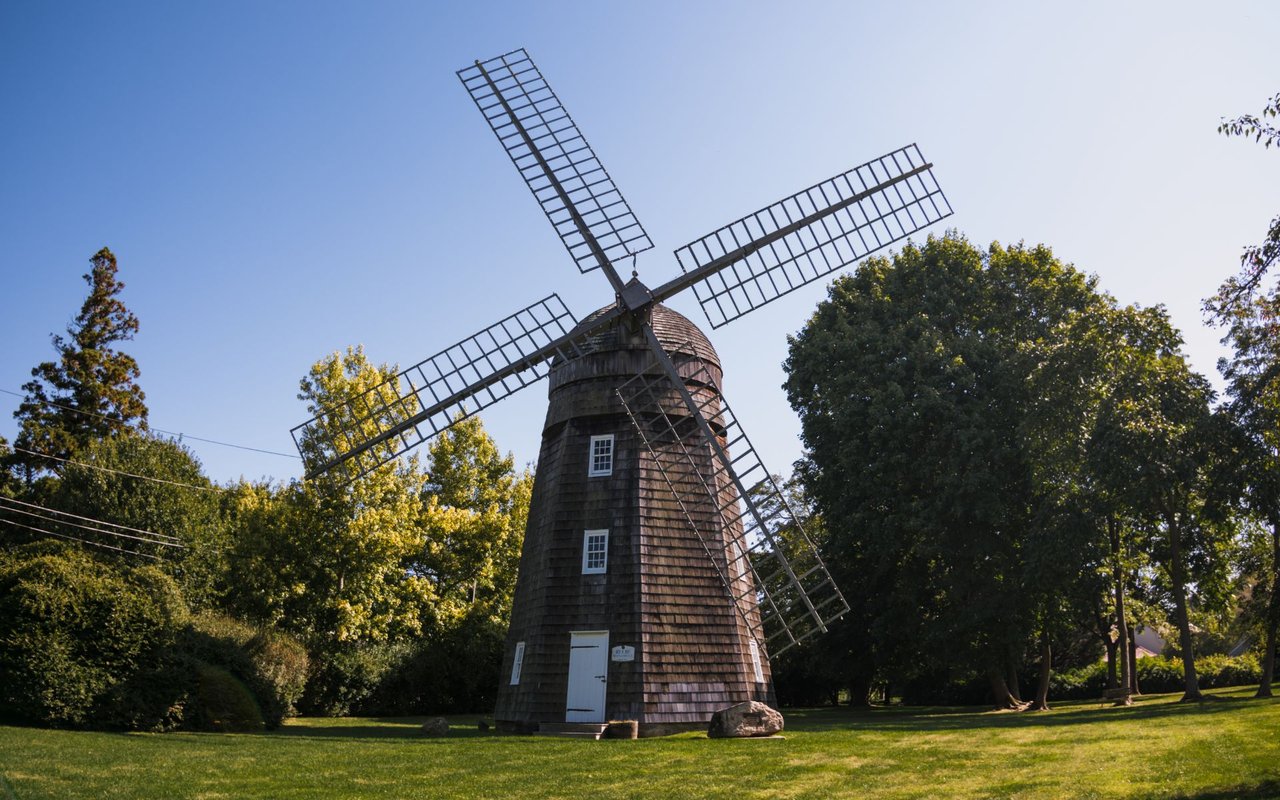
Water Mill takes its name from the water-powered gristmill built in 1644, now preserved as the Water Mill Museum. The mill is a reminder that this hamlet's identity was established through utility rather than aspiration. The early settlers needed to grind grain, and the stream provided the power. That pragmatic relationship with the land persists in Water Mill's character -- a community where the agricultural landscape is not a backdrop for residential development but the reason the residential development exists.
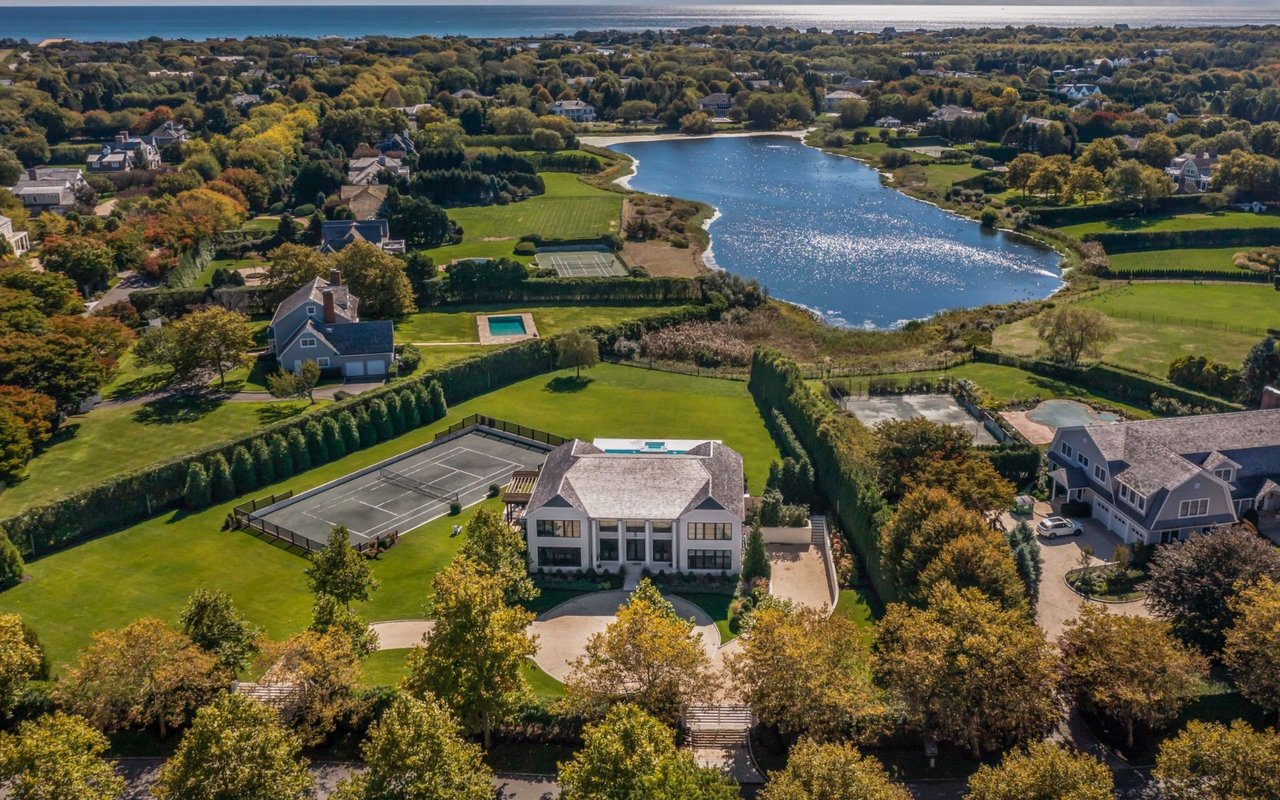
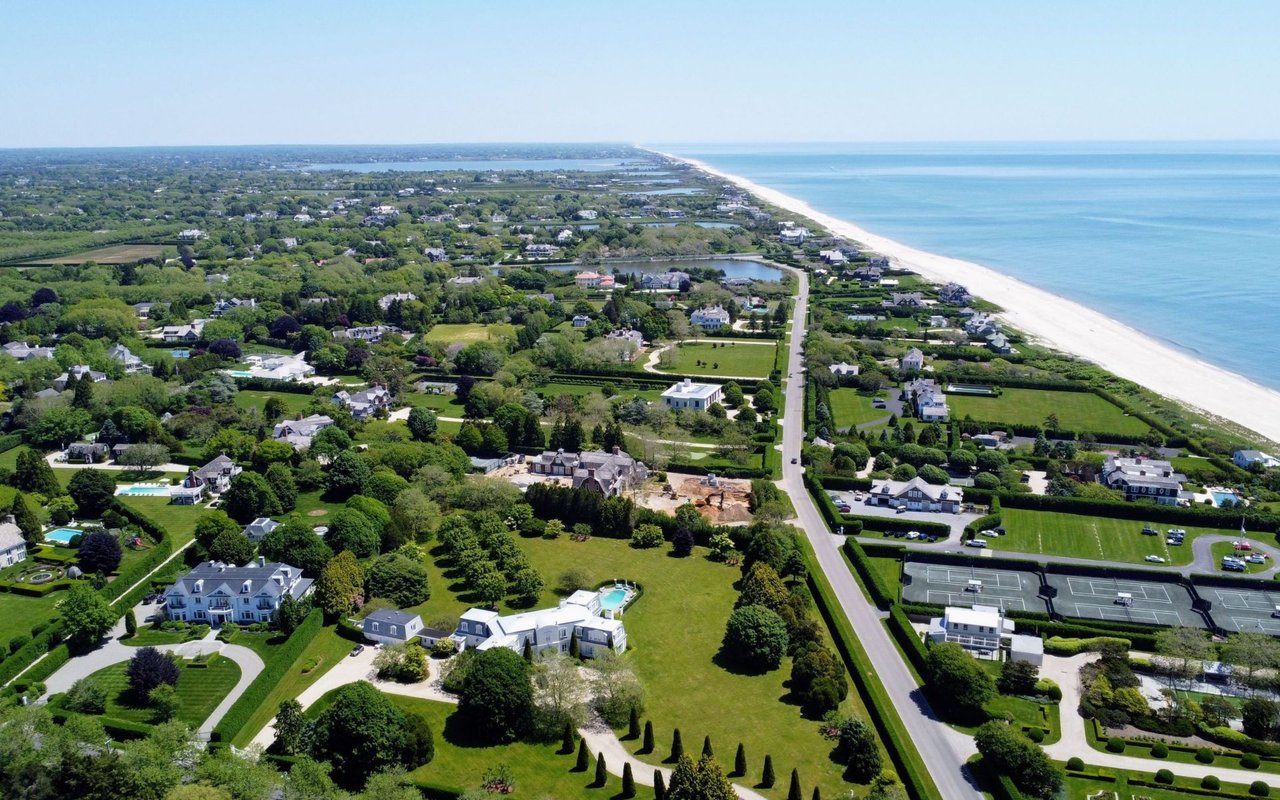
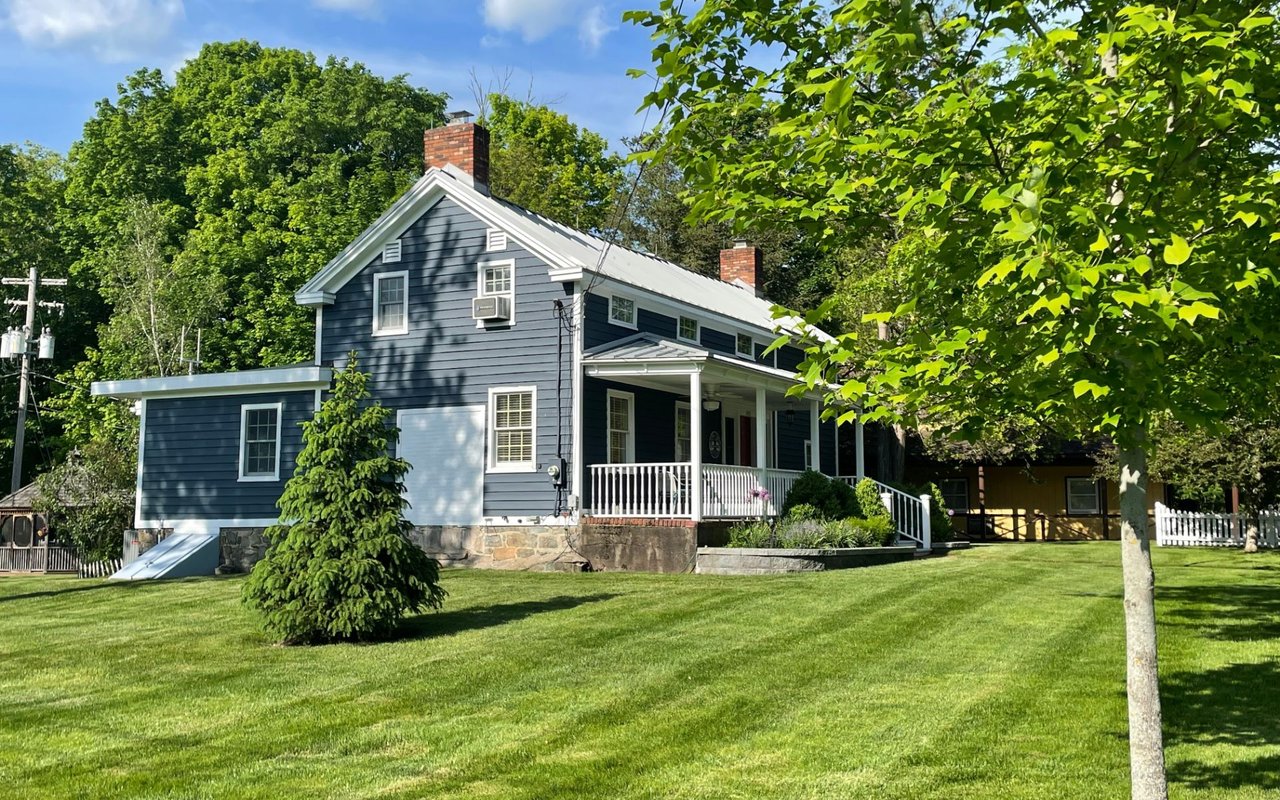
Water Mill's residential market is defined by acreage. The properties here tend to be larger than what is available in Bridgehampton or Southampton Village, and the preserved farmland that surrounds them ensures that the open views are a permanent feature rather than a temporary condition. Buyers who come to Water Mill are typically looking for a different scale of property than the village centers provide -- homes with generous setbacks and mature landscaping, the kind of privacy that only distance from neighbors can create.
The hamlet sits west of Bridgehampton with easier access to the western Hamptons communities, though it maintains a quieter profile than any of them. The commercial infrastructure is minimal by design, and the daily rhythm of life here reflects that deliberate restraint.
The Water Mill buyer wants land. The profile is consistent: someone who values acreage over walkability and who prefers the company of preserved fields to the social activity of a village center. They appreciate the Parrish Art Museum as a neighbor but do not need a commercial district within walking distance. These buyers have typically looked at Bridgehampton and Sagaponack as well, and Water Mill's appeal lies in offering comparable scale at a position that feels slightly removed from the competition for status that the more prominent addresses attract.
Water Mill is where architecture and agriculture converge, and the Parrish Art Museum's presence has elevated the hamlet's profile in ways that continue to influence the market. We work with buyers who are drawn to that convergence and who understand that Water Mill's value lies in its scale and its setting rather than its social infrastructure. The market here rewards patience and local knowledge, and our team's familiarity with the hamlet's inventory -- both listed and off-market -- gives our clients an advantage in a market where the best properties do not always announce themselves.
2,447 people live in Water Mill, where the median age is 53.2 and the average individual income is $128,565. Data provided by the U.S. Census Bureau.
Total Population
Median Age
Population Density Population Density This is the number of people per square mile in a neighborhood.
Average individual Income
There's plenty to do around Water Mill, including shopping, dining, nightlife, parks, and more. Data provided by Walk Score and Yelp.
Explore popular things to do in the area, including The Pike, Dunkin', and Milk Pail Fresh Market.
| Name | Category | Distance | Reviews |
Ratings by
Yelp
|
|---|---|---|---|---|
| Dining | 0.21 miles | 9 reviews | 5/5 stars | |
| Dining | 0.46 miles | 2 reviews | 4.5/5 stars | |
| Dining · $$$ | 0.52 miles | 65 reviews | 3.3/5 stars | |
| Dining | 0.57 miles | 16 reviews | 4.1/5 stars | |
| Dining | 0.59 miles | 0 reviews | 0/5 stars | |
| Dining | 0.7 miles | 0 reviews | 0/5 stars | |
| Dining · $$ | 0.87 miles | 124 reviews | 3.5/5 stars | |
| Dining | 0.92 miles | 0 reviews | 0/5 stars | |
| Dining | 0.95 miles | 0 reviews | 0/5 stars | |
| Dining | 0.99 miles | 0 reviews | 0/5 stars | |
| Dining | 1.01 miles | 1 review | 5/5 stars | |
| Active | 0.7 miles | 0 reviews | 0/5 stars | |
| Active | 0.7 miles | 0 reviews | 0/5 stars | |
| Active | 0.77 miles | 0 reviews | 0/5 stars | |
| Active | 0.83 miles | 1 review | 5/5 stars | |
| Active | 0.89 miles | 0 reviews | 0/5 stars | |
| Active | 0.92 miles | 0 reviews | 0/5 stars | |
| Active | 0.99 miles | 14 reviews | 4.6/5 stars | |
| Active | 1.02 miles | 1 review | 5/5 stars | |
| Active | 1.04 miles | 0 reviews | 0/5 stars | |
| Active | 1.06 miles | 1 review | 3/5 stars | |
| Beauty | 0.92 miles | 0 reviews | 0/5 stars | |
| Beauty | 0.99 miles | 0 reviews | 0/5 stars | |
| Beauty | 1.05 miles | 0 reviews | 0/5 stars | |
|
|
||||
|
|
||||
|
|
||||
|
|
||||
|
|
||||
|
|
Water Mill has 1,140 households, with an average household size of 2.13. Data provided by the U.S. Census Bureau. Here’s what the people living in Water Mill do for work — and how long it takes them to get there. Data provided by the U.S. Census Bureau. 2,447 people call Water Mill home. The population density is 189 and the largest age group is Data provided by the U.S. Census Bureau.
Total Population
Population Density Population Density This is the number of people per square mile in a neighborhood.
Median Age
Men vs Women
Population by Age Group
0-9 Years
10-17 Years
18-24 Years
25-64 Years
65-74 Years
75+ Years
Education Level
Total Households
Average Household Size
Average individual Income
Households with Children
With Children:
Without Children:
Marital Status
Blue vs White Collar Workers
Blue Collar:
White Collar: