The Gardens That Define the Neighborhood
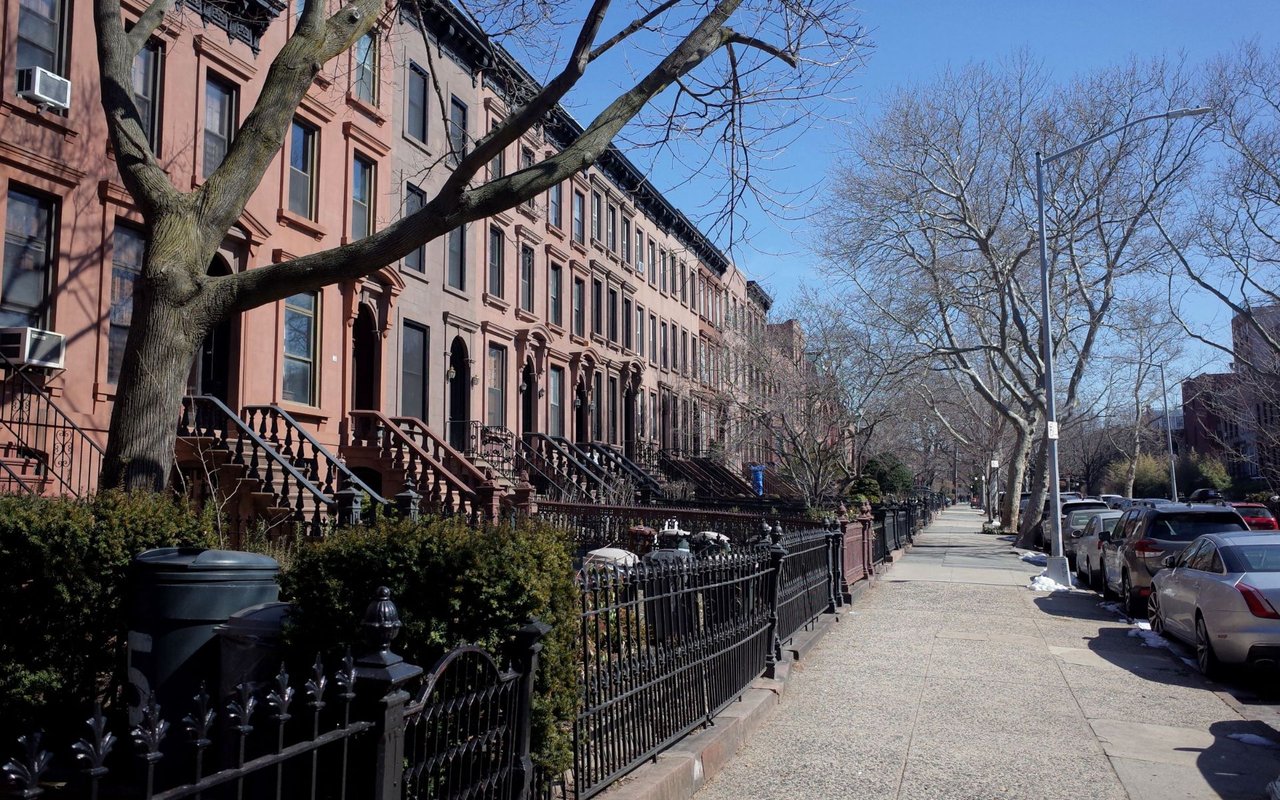
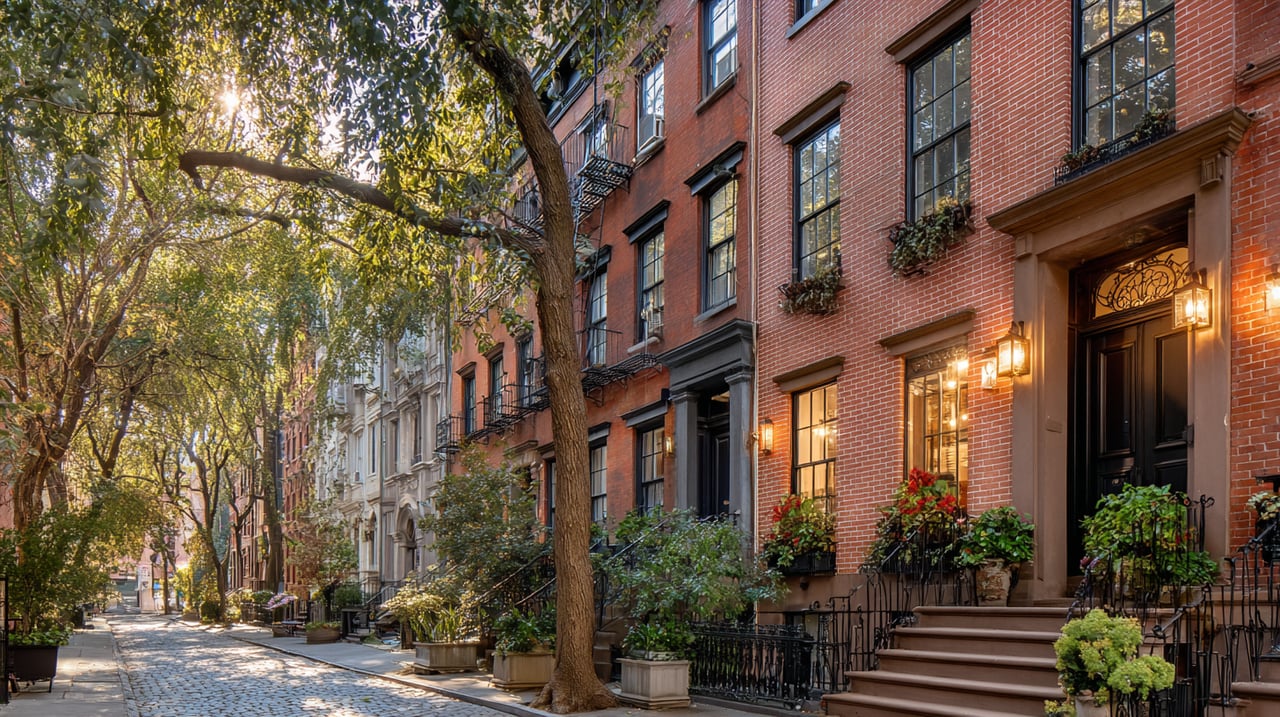
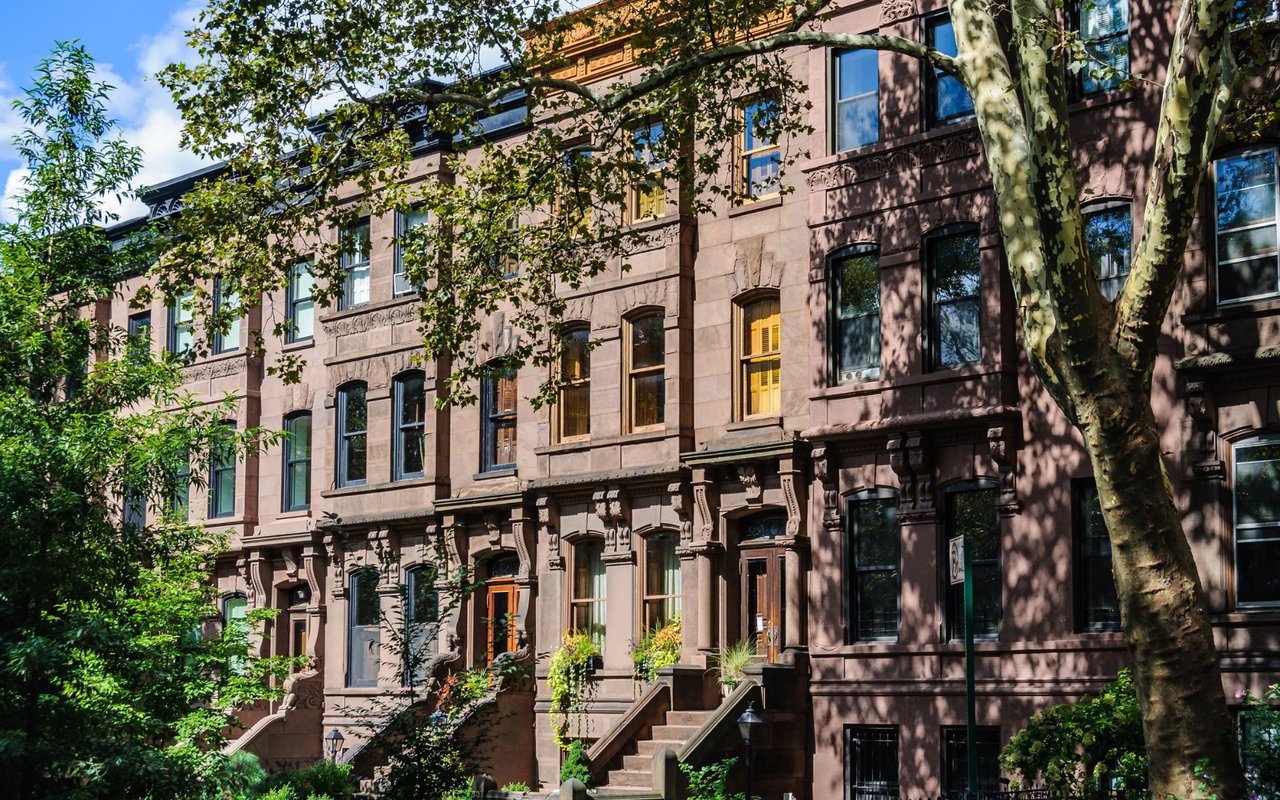
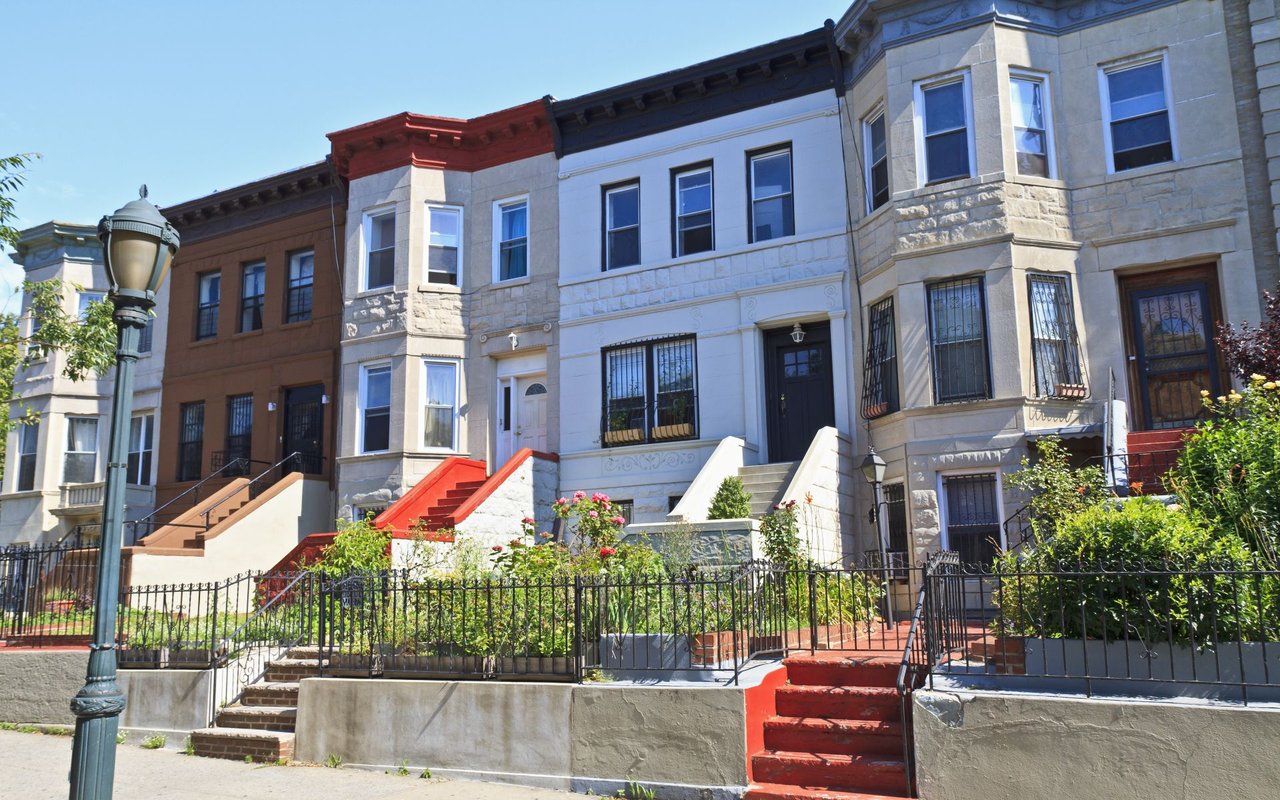
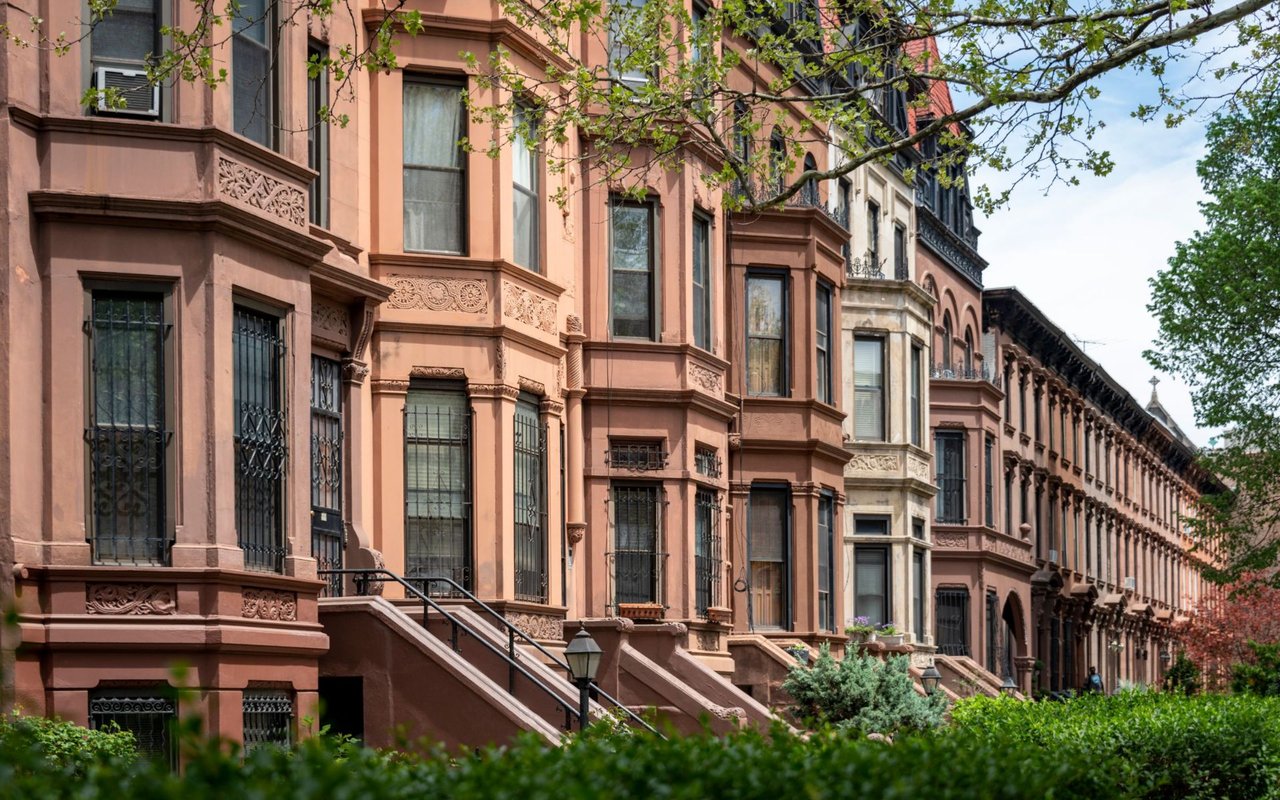
Carroll Gardens exists because of a surveyor named Richard Butts. In 1846, Butts laid out the street plan for the blocks between Degraw and Fourth Place with front-yard setbacks of thirty-three to forty-five feet, an extraordinary depth for a Brooklyn row house neighborhood. The result was a residential streetscape unlike anything else in the borough: row houses set back from the sidewalk behind deep front gardens bordered by wrought-iron fences and shaded by trees that have been growing for more than a century.
These gardens are not incidental to Carroll Gardens' identity. They are the identity. The setbacks create a buffer between the street and the building facade that transforms the experience of walking these blocks. The depth of the gardens gives the neighborhood an openness that the narrow lots would not otherwise allow. In spring and summer, the plantings are dense enough to obscure the buildings behind them. The effect is less like a Brooklyn neighborhood and more like a residential street in a smaller city where the relationship between house and sidewalk has not been compressed by density.
Richard Butts drew a surveyor's line in 1846. What grew behind it became the defining feature of an entire neighborhood.
The Carroll Gardens Historic District
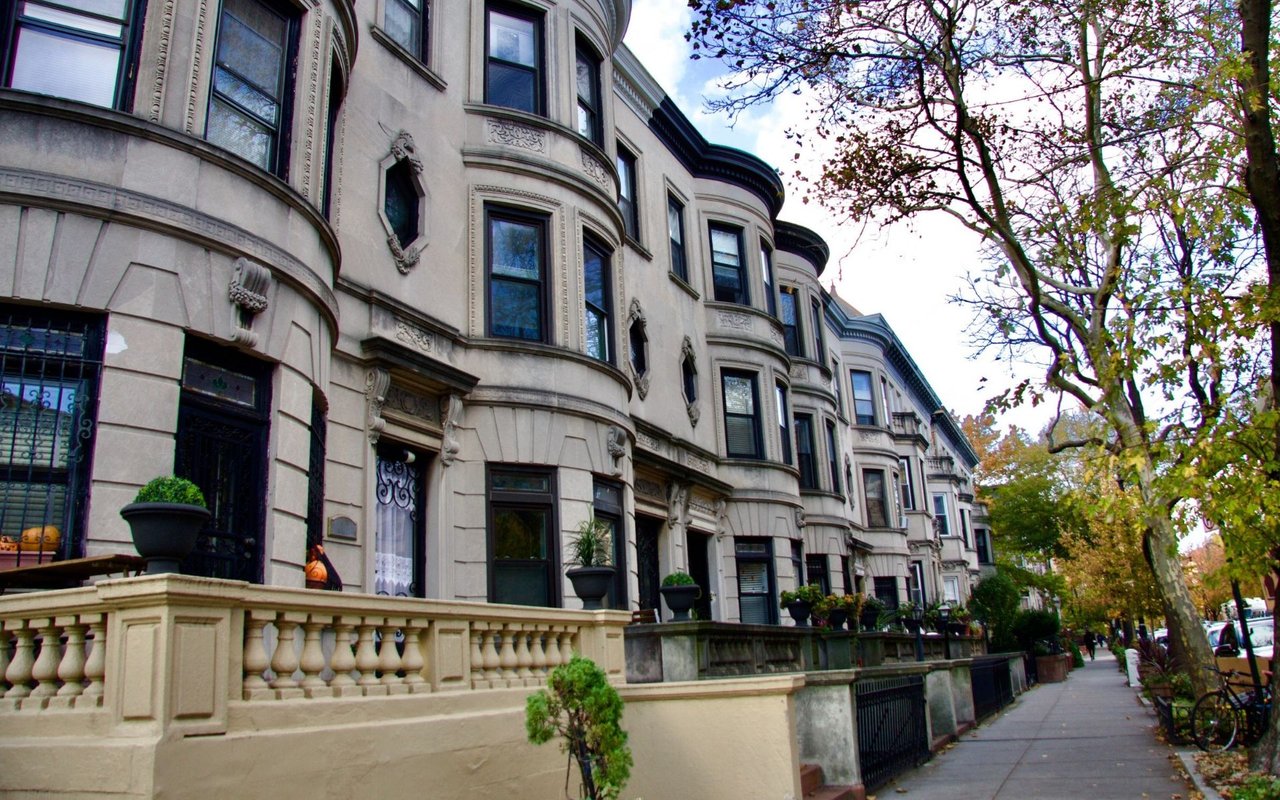
The Carroll Gardens Historic District, designated by the Landmarks Preservation Commission, encompasses one hundred and thirty-four contributing row houses dating from the 1860s through the 1880s. The predominant styles are neo-Grec and Italianate, with brownstone facades with heavy bracketed cornices and the incised ornamental details that characterize the neo-Grec vocabulary. The consistency of the district is striking. These homes were built within a twenty-year period by a small number of builders working from related pattern books, which gives the blocks a visual coherence that more architecturally diverse neighborhoods cannot match.
The landmark designation protects exteriors only, which means that the interiors of Carroll Gardens' row houses have been renovated extensively over the decades. Behind a preserved neo-Grec facade, a buyer might find a gut-renovated interior with a modern kitchen extending into the rear garden, or an unrenovated home with original plaster moldings and pine floors that have been under the same family's care since the early twentieth century. That range of interior conditions is part of what makes the Carroll Gardens market dynamic.
Italian-American Heritage and Neighborhood Character
Carroll Gardens' Italian-American heritage is not merely historical. It is still legible in the neighborhood's commercial corridors and community life. Court Street retains bakeries and delis that have operated for decades, their display cases arranged with a specificity that chain retail cannot replicate. The annual feasts and street fairs continue. The older generation of residents who have lived in these row houses since they were working-class homes coexist with newer arrivals who paid substantially more for the same buildings.
That coexistence gives Carroll Gardens a texture that purely gentrified neighborhoods have lost. The neighborhood has changed, and the changes are visible in the restaurants on Smith Street and the renovated interiors behind the landmarked facades. But the continuity is visible too, in the gardens that the original families planted and the community institutions that persist. The tension between those forces is part of what makes Carroll Gardens feel lived-in rather than curated.
Smith Street and Court Street
Carroll Gardens' two primary commercial corridors run parallel along its eastern and western edges. Smith Street's restaurant scene, which emerged in the late 1990s, has matured into a reliable dining corridor with independent restaurants that draw from the surrounding neighborhoods. Lucali, a small pizzeria on Henry Street just off Smith, became famous enough to generate lines around the block, but the quieter places on Smith itself are where the neighborhood's dining identity actually lives.
Court Street offers a more quotidian mix. The grocery stores, hardware shops, and cafes here serve daily needs rather than weekend occasions. The interplay between the two streets gives Carroll Gardens residents access to both registers without leaving the neighborhood.
What Should Buyers Know About the Row Houses in Carroll Gardens?
The Carroll Gardens row house market rewards buyers who understand the specific variables that distinguish one property from another within a seemingly uniform housing stock. The depth of the front garden varies from block to block based on Butts' original survey. The condition of the brownstone facade, whether it has been resurfaced or retains its original material, affects both aesthetics and maintenance costs. The rear-yard exposure matters: south-facing gardens receive substantially more light than north-facing ones.
The interior layout of an unrenovated Carroll Gardens row house typically follows a railroad plan: rooms arranged in sequence from front to back, connected by a side hallway. Renovations often open the lower floors into a single living space that connects to the rear garden, and the quality of that renovation, the structural engineering, the kitchen systems, the integration of old and new, determines a significant portion of the property's value. We evaluate these details with our clients because they are the details that separate a confident purchase from an uncertain one.
Our Perspective
Carroll Gardens is a neighborhood where the physical details matter more than the address. Two row houses on the same block can differ significantly in value based on the depth of the front garden, the quality of the renovation, and the condition of the original facade. We counsel our clients on those distinctions with precision. The landmark protections that govern the historic district add a layer of regulatory complexity to any renovation plan, and we help our clients understand what is possible before they commit to a property that may limit their vision.