Cast Iron, Preserved
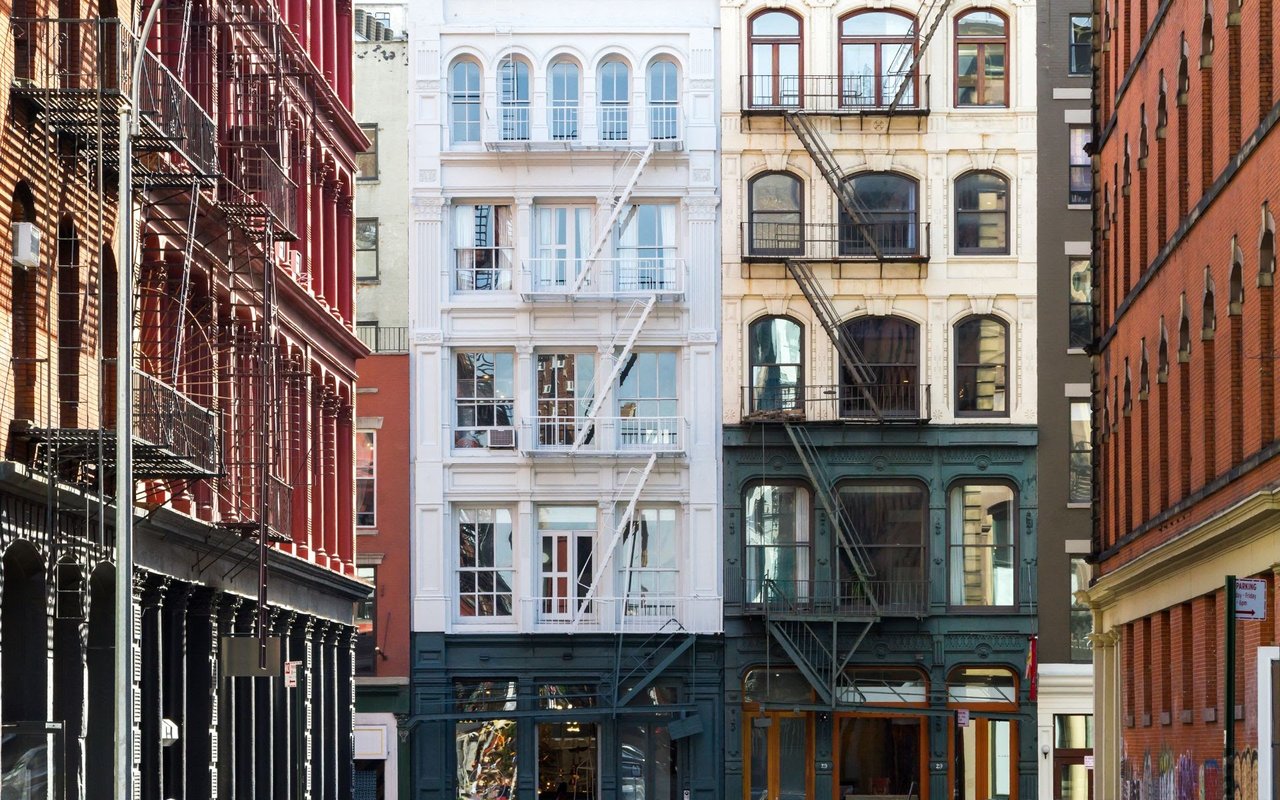
Soho's defining characteristic is not retail. It is architecture. The neighborhood contains the largest concentration of cast-iron-fronted buildings in the world, with roughly two hundred and fifty structures carrying landmark designation. These buildings were constructed in the second half of the nineteenth century as commercial warehouses and manufacturing spaces, their ornate facades cast in iron to mimic the stone ornamentation that their owners could not otherwise afford. The irony is that the imitation has outlasted most of the originals. Soho's cast-iron facades are now among the most protected architectural assets in New York.
The artists who moved into these buildings in the 1960s and 1970s did not come for the architecture. They came for the space: open floor plans, twelve-foot-plus ceilings, freight elevators large enough to move canvases and sculptures. What they created, almost by accident, was a template for loft living that has been copied around the world but never quite replicated.
The loft as a residential concept was not invented in Soho, but it was perfected here.
What Does Landmark Protection Mean for Buyers?
Every exterior alteration in the Soho Cast-Iron Historic District requires review by the Landmarks Preservation Commission. This applies to windows, facades, rooftop additions, and even the color of paint on a fire escape. For some buyers, this sounds restrictive. For the right buyer, it is precisely the point.
Landmark protection is what prevents Soho from becoming unrecognizable. It ensures that the streetscape you see today will be substantially the same in twenty years. In a city where entire blocks can be demolished and rebuilt within a single real estate cycle, that permanence has real value. We consider landmark status a feature of the market rather than a limitation, and we help our clients understand the LPC process so that it does not become an obstacle to the renovations they envision.
Two Sohos
The neighborhood operates on a split personality. Broadway, Spring Street, and the blocks closest to the subway stations are dominated by international retail brands. On a Saturday afternoon, these streets carry foot traffic that rivals Times Square. This is the Soho that tourists know.
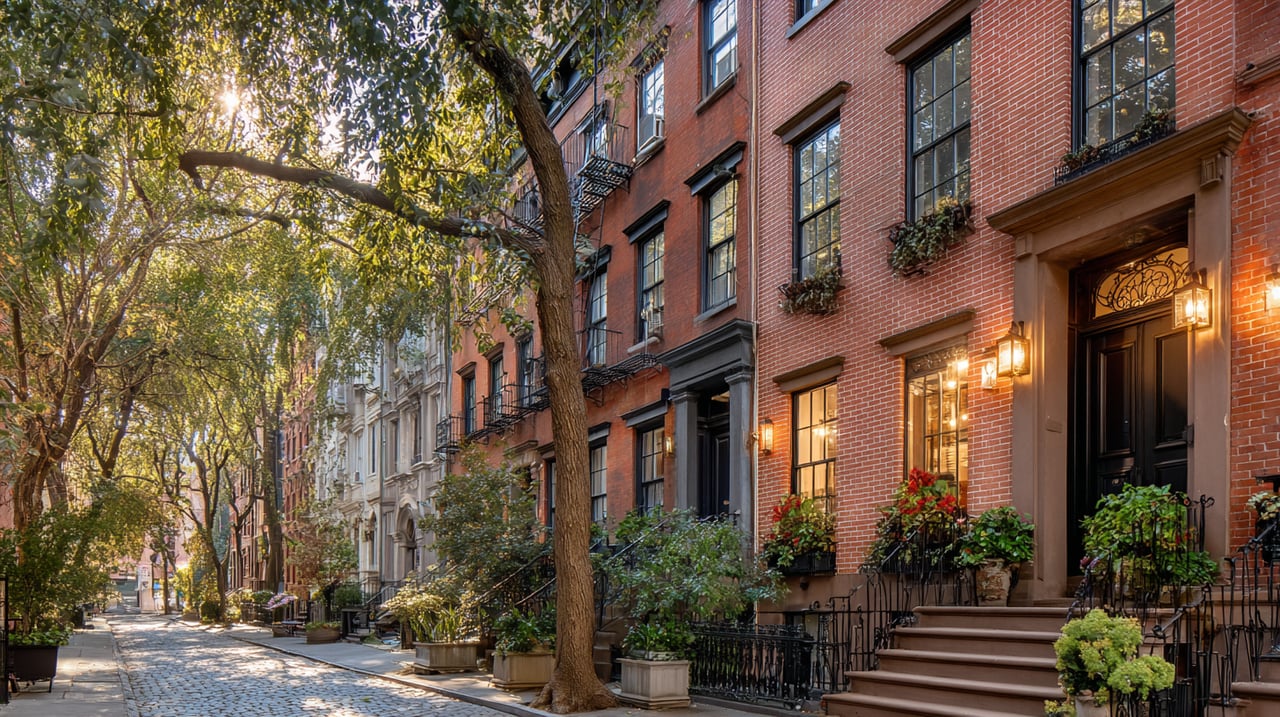
The residential Soho exists one or two blocks away. Crosby Street, Wooster Street, Greene Street, and Mercer Street are remarkably quiet by Manhattan standards. The cobblestones discourage through traffic. The ground-floor galleries and small restaurants create a streetscape that feels closer to a European city than to the commercial intensity a block east. The most desirable apartments in Soho are the ones that look out onto these quieter streets, where the iron facades catch the light without the interruption of signage.
The Residential Inventory
Soho's housing stock is dominated by loft apartments in converted commercial buildings. Full-floor lofts with three thousand or more square feet, arched windows spanning the full width of the facade, and original columns running through the living space define the neighborhood's residential identity. These are not subtle apartments. They announce themselves through proportion and light.
Co-op conversions from the 1970s and 1980s coexist with newer condominium buildings that have been inserted carefully into the existing streetscape. The condominium options tend to offer updated systems and modern amenities, but they cannot replicate the ceiling heights and raw character of the original lofts. Buyers in Soho are often choosing between those two propositions: updated convenience or unrepeatable character.
Living in Soho
The neighborhood's restaurant scene has matured beyond the celebrity-chef moment of the early 2000s. Balthazar on Spring Street remains an institution. The Mercer Hotel's restaurant draws a quiet, knowing crowd. But the smaller spots on the side streets are where Soho's dining identity lives now: places that rely on regular clientele rather than foot traffic.
For daily life, Soho requires a certain tolerance for its contradictions. The weekend crowds are real. The quiet of a Tuesday morning on Wooster Street is equally real. Residents who thrive here tend to be people who enjoy the energy without needing to participate in it.
Our Perspective
Soho rewards buyers who understand the inventory at a granular level. The difference between a north-facing loft on Broadway and a south-facing loft on Crosby Street is not marginal. It is fundamental. We guide our clients through those distinctions and help them see beyond the surface appeal of high ceilings and exposed brick to the structural and practical realities that determine whether a particular loft will serve them well for years to come.