Cobblestones and Concrete
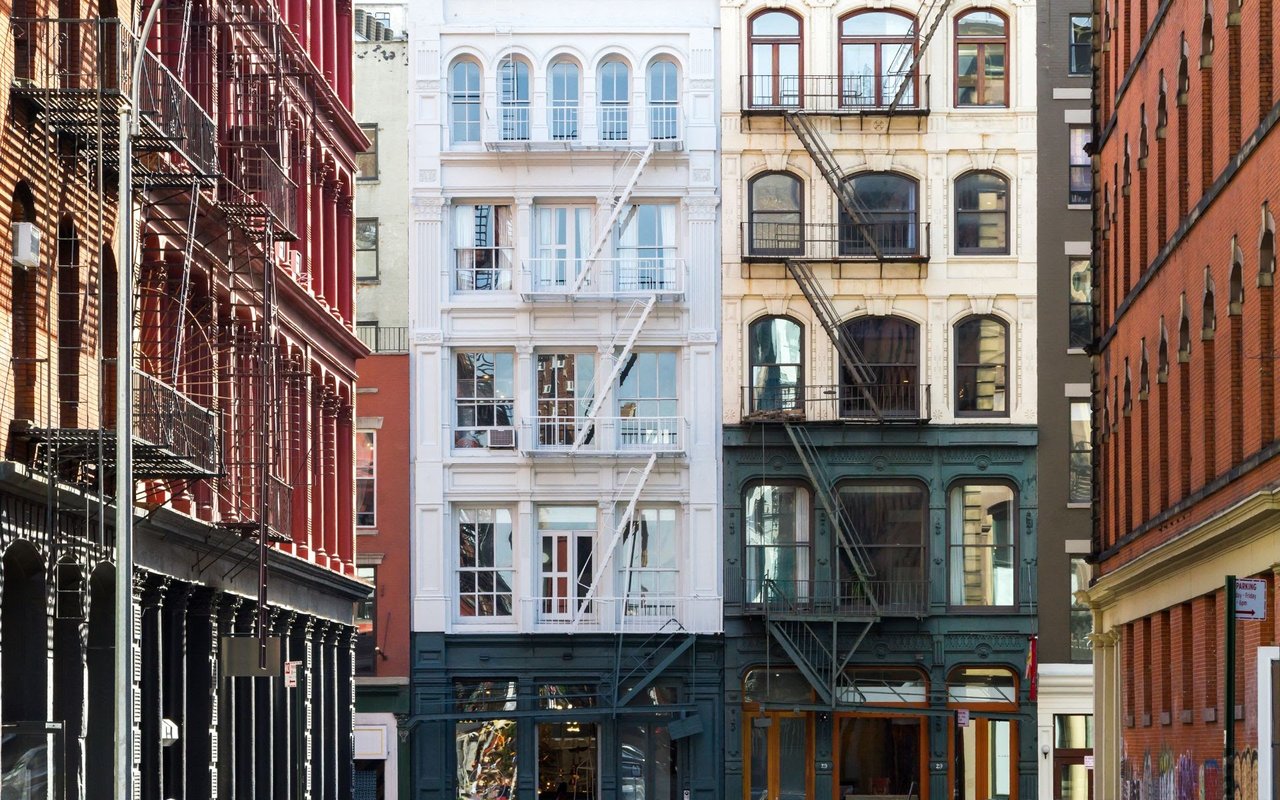
Tribeca occupies a particular place in Manhattan's residential hierarchy. It is simultaneously one of the city's oldest neighborhoods and one of its newest residential districts. The cast-iron warehouses that line its cobblestone streets were built for commerce in the nineteenth century. Artists began converting them into lofts in the 1970s, drawn by the raw space and the natural light, at rents the rest of Manhattan had already outgrown. What followed was one of the most complete neighborhood transformations in the city's history.
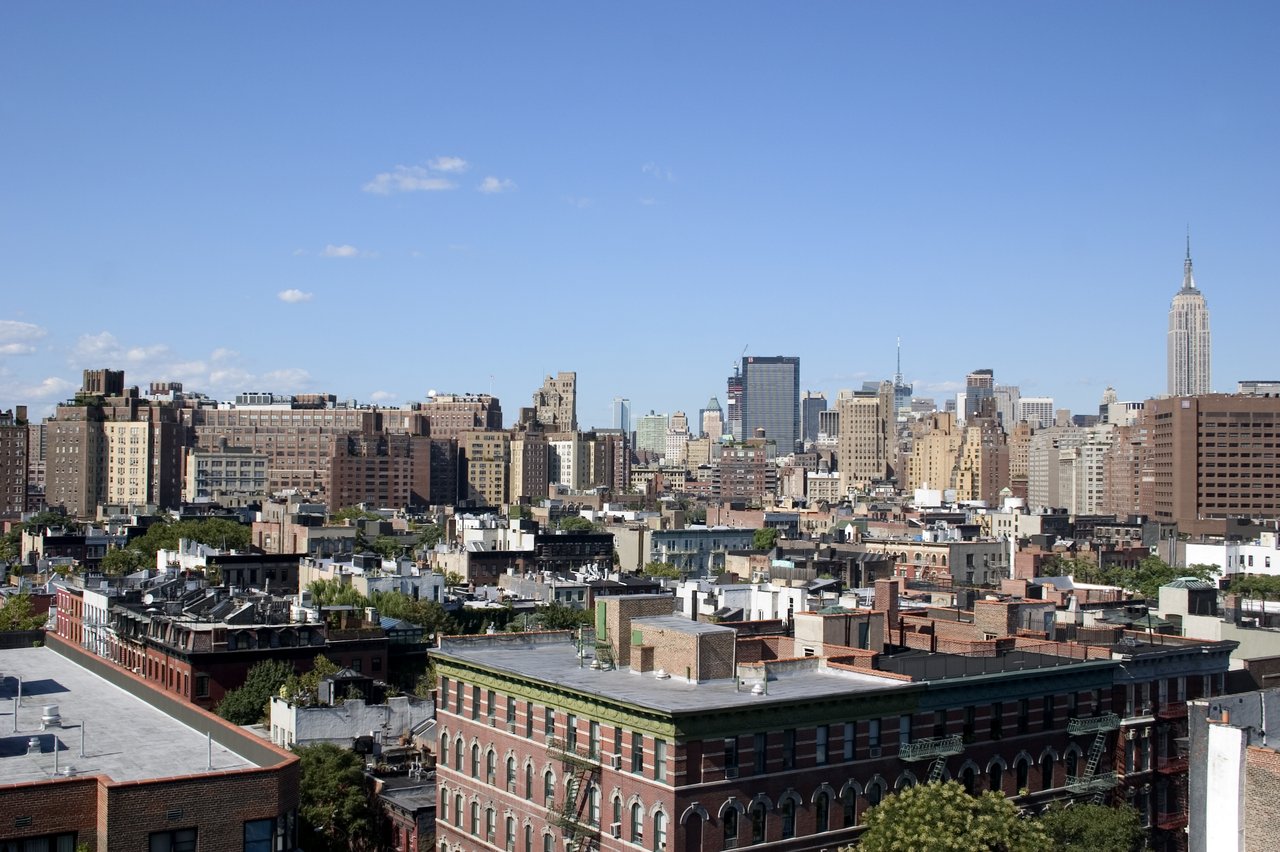
Today, Tribeca is where downtown's artistic heritage meets the highest tier of Manhattan luxury. The loft buildings remain, many with original freight elevators still operational, but they now sit alongside trophy new developments that have redefined what residential architecture looks like in New York.
The Architecture of Ambition
56 Leonard Street
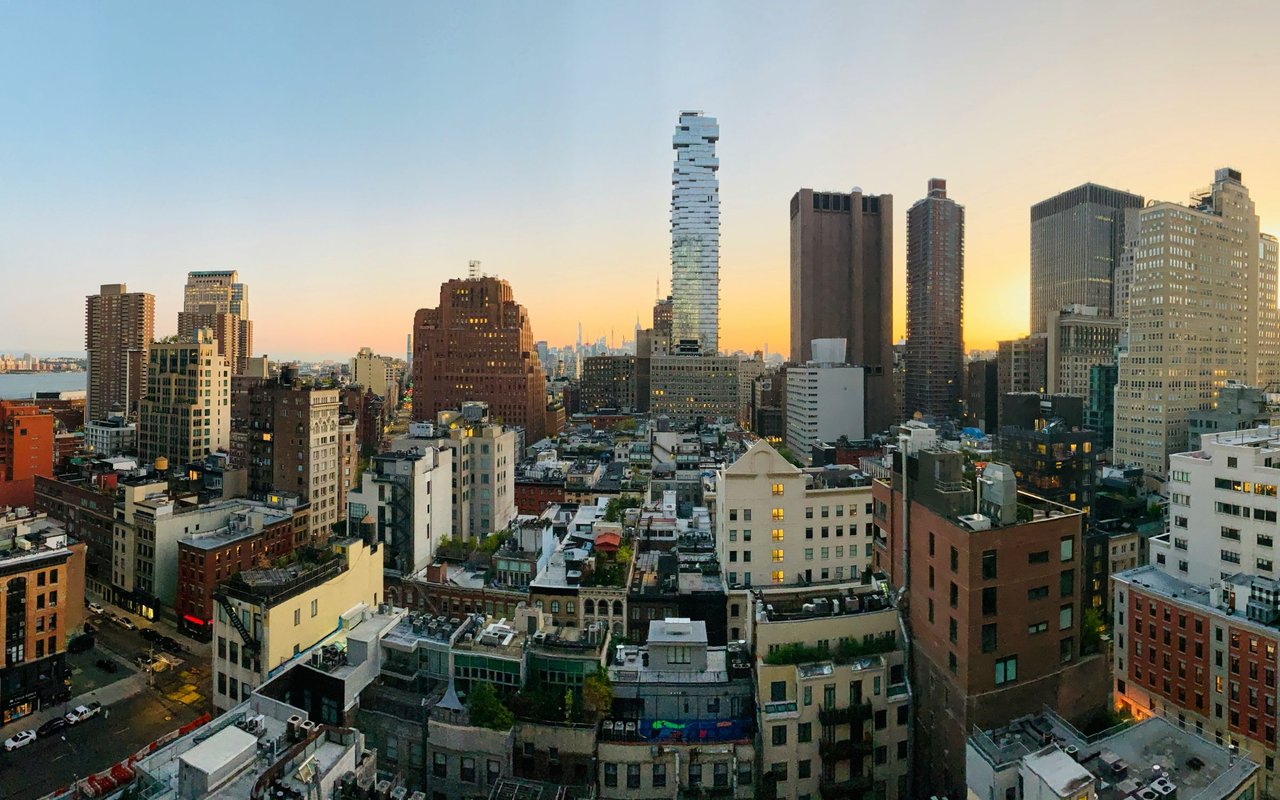
Herzog and de Meuron's cantilevered tower, widely known as the Jenga building, is one of the most consequential residential structures built in New York this century. Its stacked, rotating floor plates create a silhouette that is impossible to mistake for anything else on the skyline. Noble has sold at 56 Leonard, and we understand both the building's appeal and its particularities. The apartments here are not conventional. The shifting floor plates mean that no two residences share the same layout, and the views change orientation as you move up the building.
70 Vestry and 443 Greenwich
70 Vestry, designed by Robert A.M. Stern, takes a different approach: a limestone facade that feels more like an Upper East Side pre-war building transported downtown. The effect is deliberate. It appeals to buyers who want Tribeca's neighborhood character without a contemporary aesthetic. 443 Greenwich, with its private parking and celebrity-adjacent reputation, occupies yet another niche. Together, these buildings illustrate Tribeca's unusual range: a single neighborhood that accommodates radically different ideas about what luxury means.
Tribeca does not ask its buildings to agree with one another. That is part of what makes it work.
The Neighborhood at Street Level
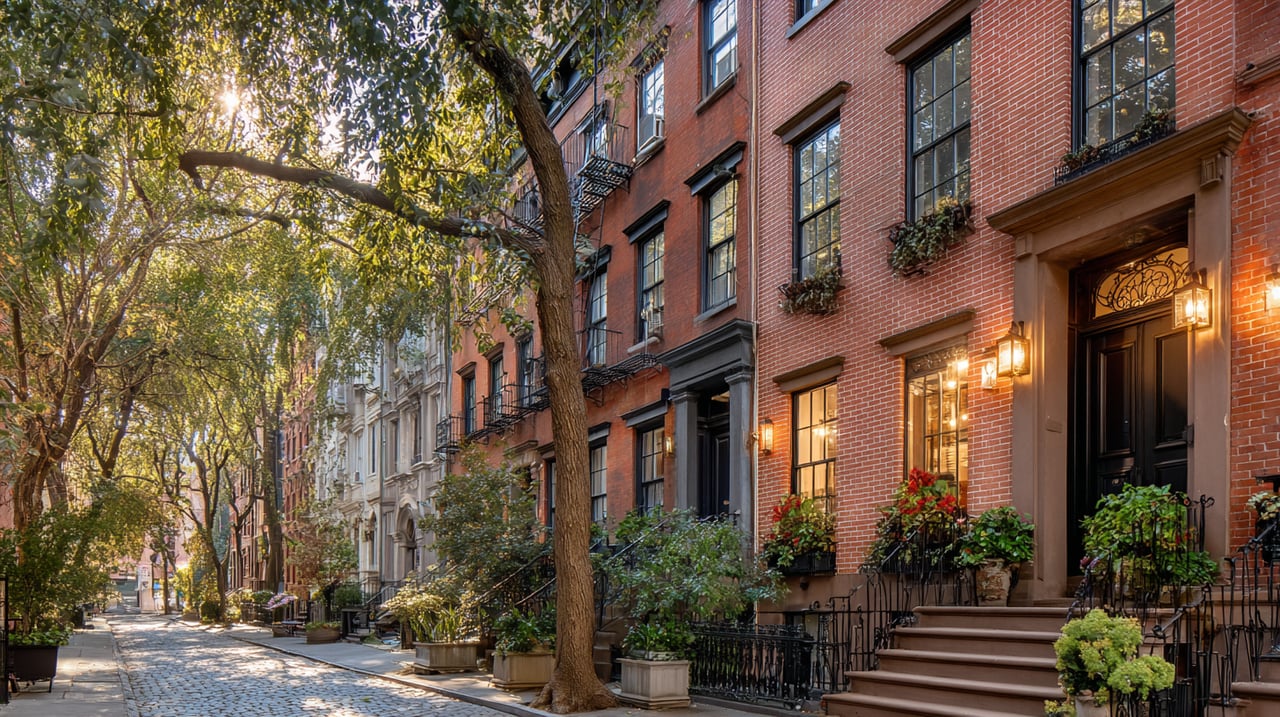
Walk through Tribeca on a weekday morning and you will see something that most Manhattan neighborhoods cannot offer: quiet. The cobblestone blocks south of Canal Street are among the least trafficked in the borough. Locanda Verde occupies a corner of the Greenwich Hotel. The Odeon still operates on West Broadway, a survivor of the neighborhood's earlier era. Tiny Park and Washington Market Park give families usable outdoor space without the crowds of Central Park.
The Hudson River waterfront is a short walk west, and the path that runs along it connects Tribeca to Battery Park City in one direction and Hudson River Park in the other. For families, this is not a minor detail. Daily access to open water and a continuous greenway changes the calculus of raising children downtown.
Who Buys in Tribeca?
Tribeca's buyer profile has evolved. The artists who pioneered the neighborhood have largely been replaced by finance professionals, entrepreneurs, and a significant number of families with school-age children. The public schools serving the neighborhood, including PS 234 and Stuyvesant High School, have reputations that draw families who might otherwise look uptown.
The celebrity presence in Tribeca is real but operates with a discretion that suits the neighborhood. Residents here do not seek attention. They seek the space and relative anonymity that Tribeca provides more effectively than almost any other Manhattan neighborhood.
The Loft Market
Original loft conversions remain among the most sought-after properties in Tribeca. The appeal is visceral: twelve-to-sixteen-foot ceilings, exposed brick and timber, arched windows that flood the space with southern or western light. These are apartments that cannot be built anymore, and their scarcity drives a premium that has held steady even as new construction has added supply nearby.
Not every loft is created equal. The quality of the conversion matters enormously. We advise our clients on the structural details that separate a well-executed renovation from a superficial one: the mechanical systems, the soundproofing between floors, the capacity of the electrical infrastructure to support modern living.
Our Perspective
Tribeca is a neighborhood we know at the unit level. From the loft buildings on Duane and Reade streets to the new towers along the waterfront, we have worked in virtually every significant address in the district. Our clients benefit from that depth. When a loft on Hubert Street comes to market, we already know the building's history and the quality of its construction. That knowledge is the difference between a confident purchase and an uncertain one.