East of the Park
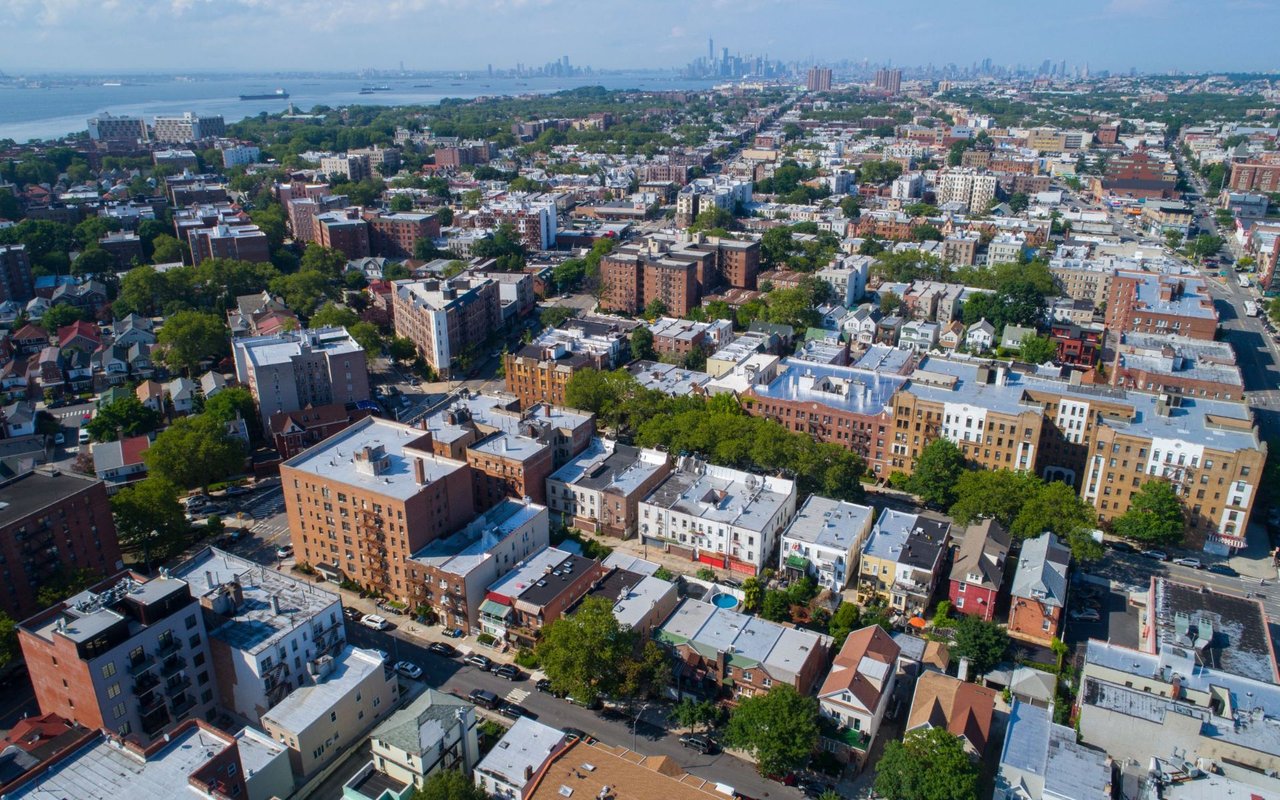
Crown Heights is a large neighborhood, stretching from Washington Avenue on the west to Ralph Avenue on the east, with Eastern Parkway running through its center like a boulevard-width spine. The scale matters. Crown Heights is not a microneighborhood with a single character. It is a place of significant internal variation, where the blocks closest to Prospect Park share almost nothing in daily experience with the blocks a mile to the east. Understanding Crown Heights means understanding those gradients rather than treating the neighborhood as a single proposition.
The western edge of Crown Heights borders two of Brooklyn's most significant cultural institutions. The Brooklyn Museum, designed by McKim, Mead and White with a Beaux-Arts facade that ranks among their finest public commissions, sits at the corner of Eastern Parkway and Washington Avenue. The Brooklyn Botanic Garden, with its Japanese Hill-and-Pond Garden, Cherry Esplanade, and Steinhardt Conservatory, occupies the adjacent acreage. These institutions give western Crown Heights a cultural anchoring that few residential neighborhoods in the city can match.
Eastern Parkway: America's First Parkway
Eastern Parkway was designed by Frederick Law Olmsted and Calvert Vaux in 1870 as the country's first true parkway, a tree-lined boulevard with separate lanes for pedestrians and carriages, with planted medians that were intended to extend the experience of Prospect Park into the surrounding neighborhoods. The design was revolutionary for its time and directly influenced the parkway systems that would later be built across the United States.
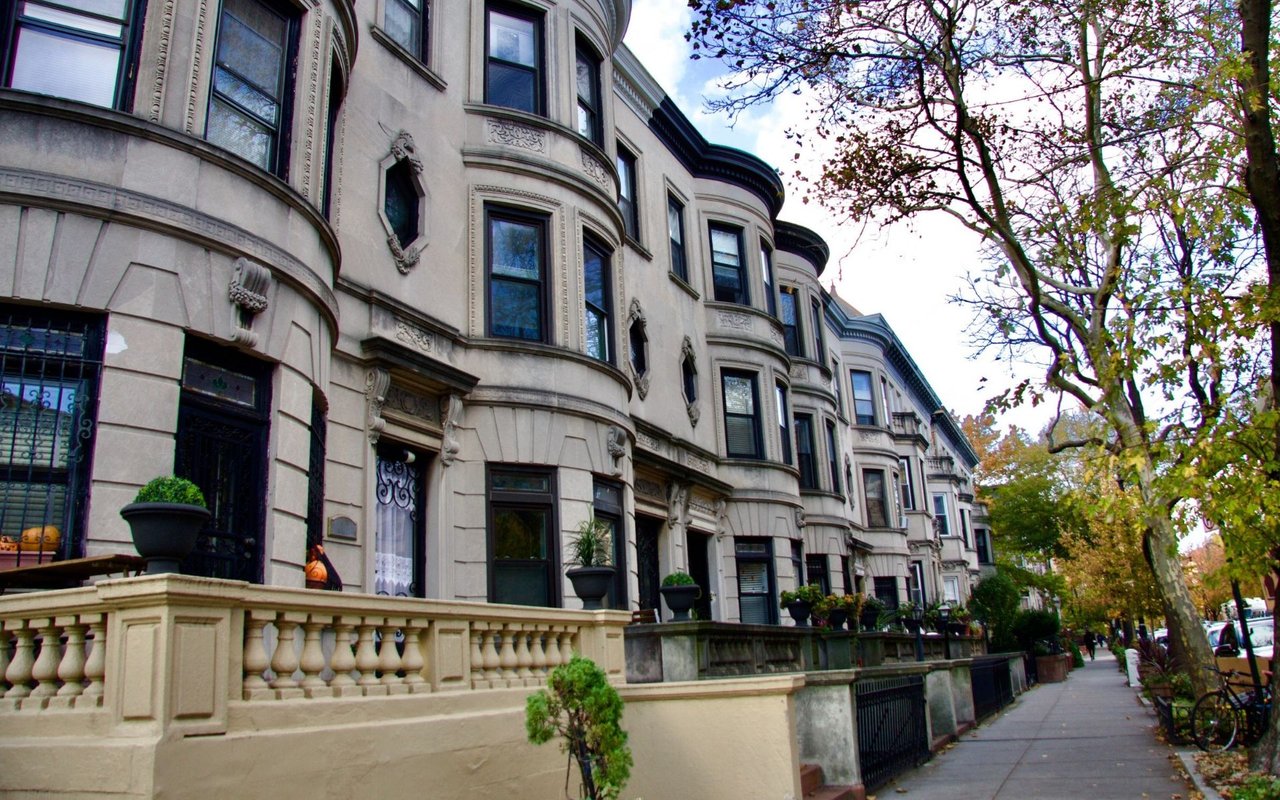
The apartment buildings and row houses that line Eastern Parkway reflect the boulevard's original ambition. The facades here tend to be more formal than those on the side streets: limestone-fronted row houses, apartment buildings with arched entries and ornamental stonework, structures that were designed to face a grand public space. The parkway itself remains one of the most impressive pieces of urban planning in Brooklyn, and the properties that front it benefit from a width of street and canopy of trees that the narrower interior blocks cannot offer.
Eastern Parkway was not just a road. It was Olmsted and Vaux's argument that the experience of a park should not end at the park's edge.
Western Crown Heights and the Franklin Avenue Corridor
The blocks closest to Prospect Park and the Brooklyn Museum have absorbed the most concentrated residential investment in recent years. Franklin Avenue, which runs north-south through the neighborhood's western section, has evolved into a commercial corridor with independent restaurants and specialty shops that serve the surrounding residential blocks. The transformation of Franklin Avenue from a quiet commercial strip into a dining destination has been one of the more visible markers of Crown Heights' evolution.
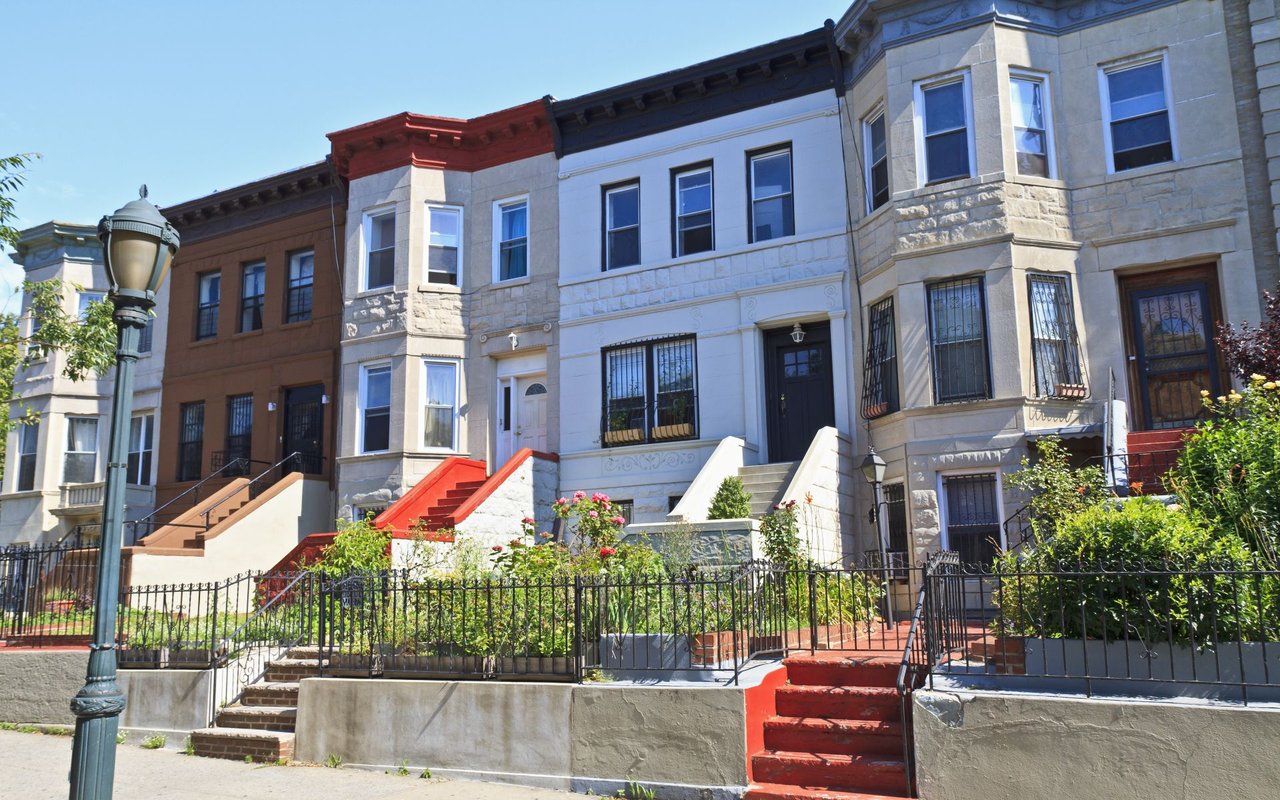
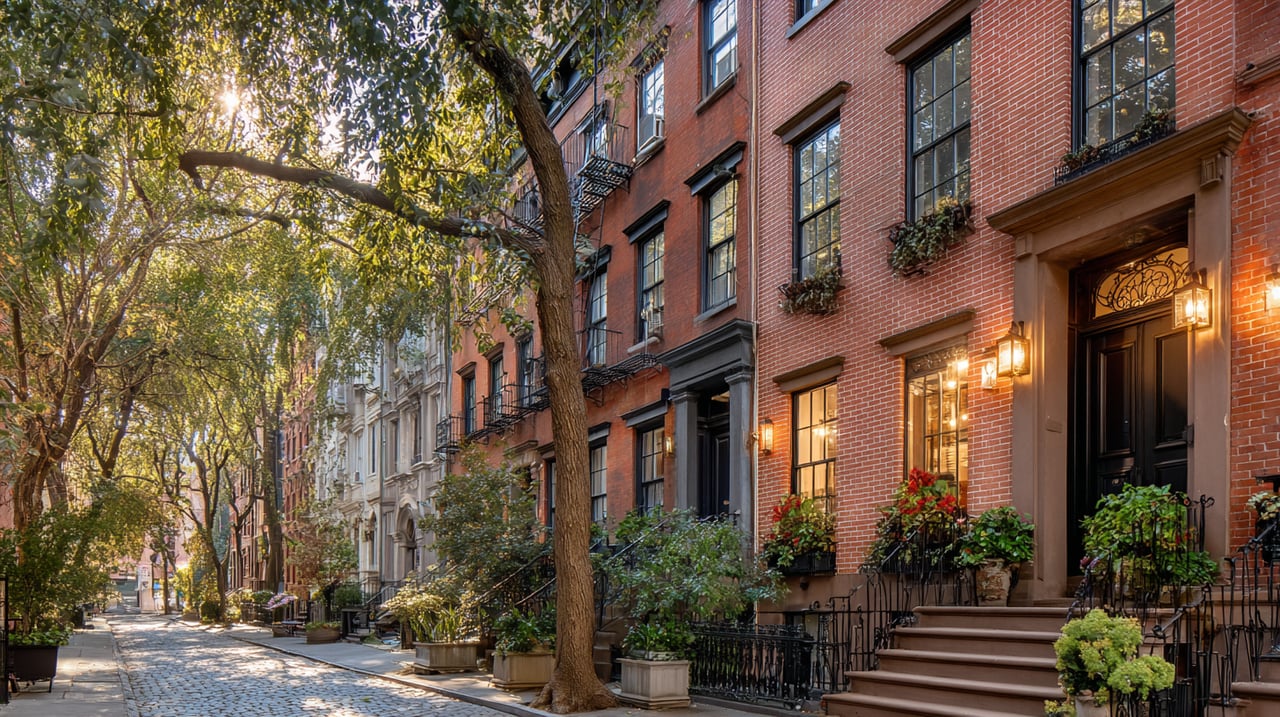
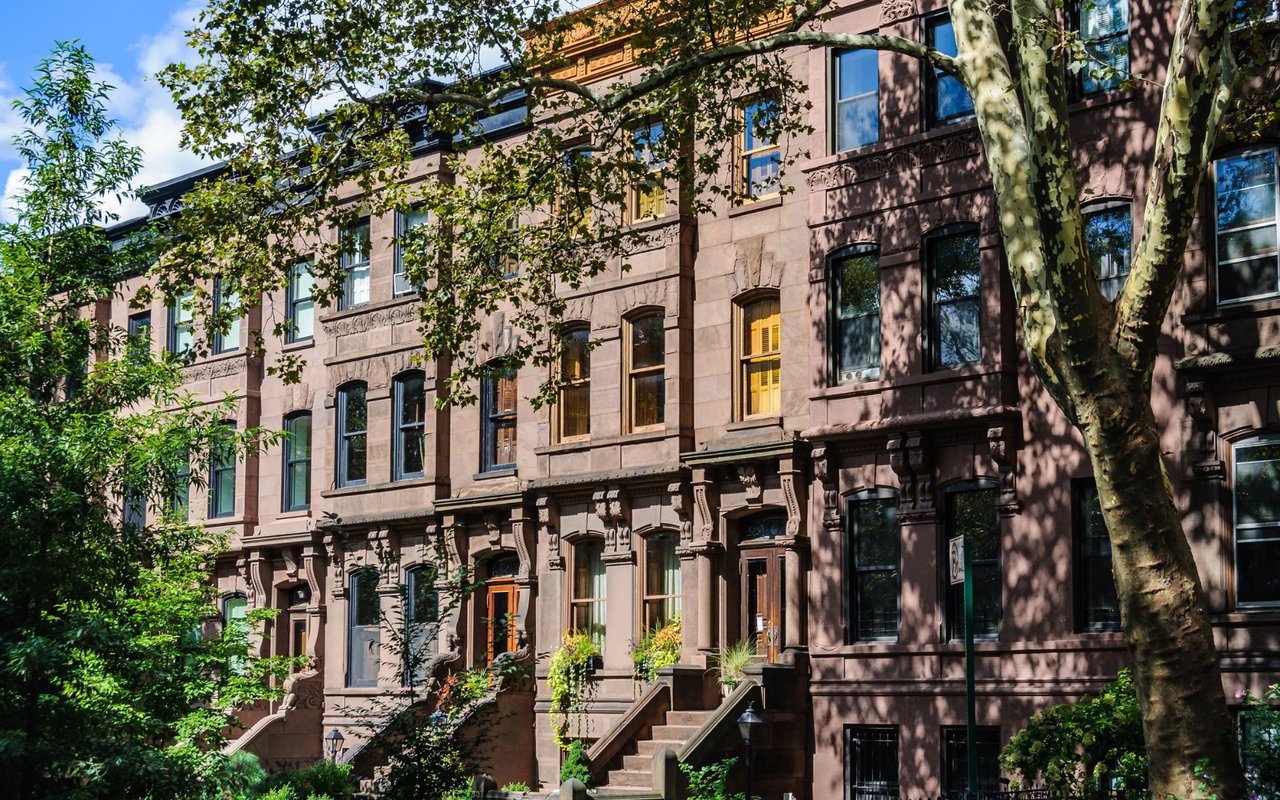
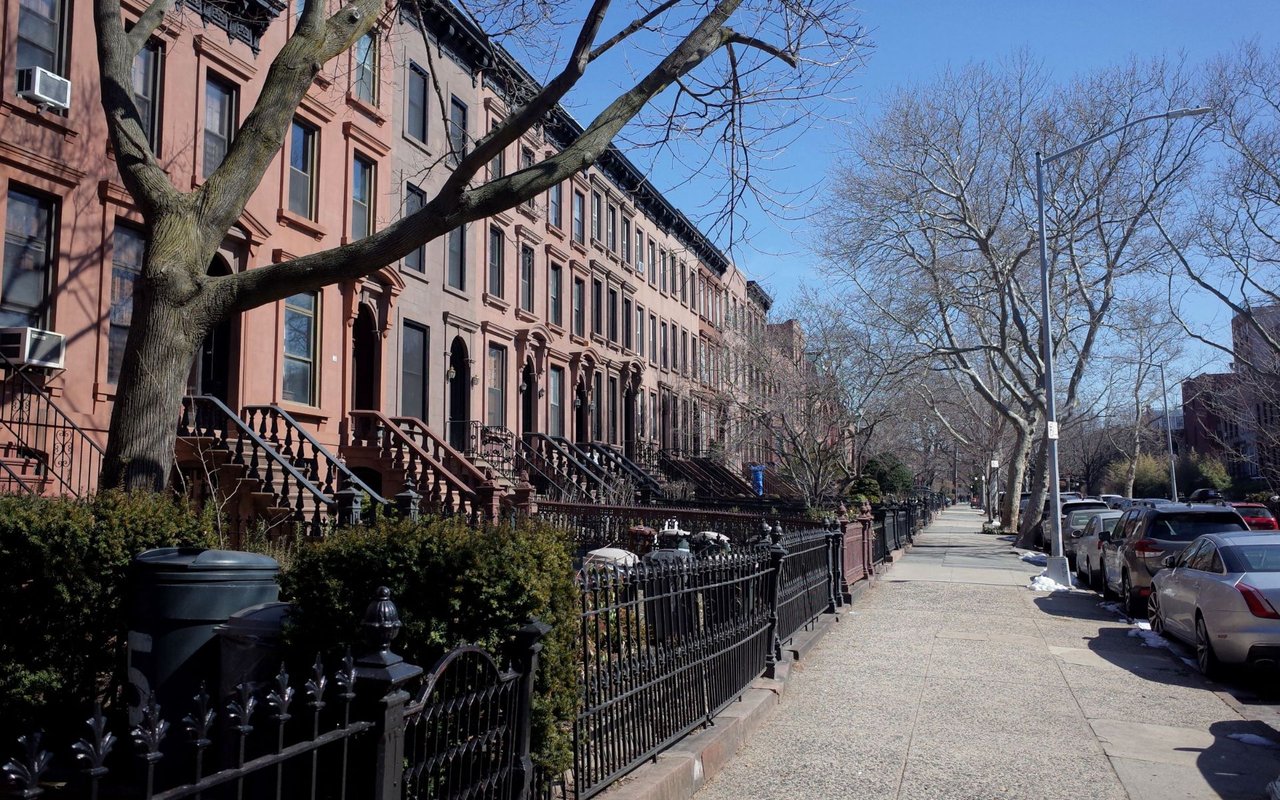
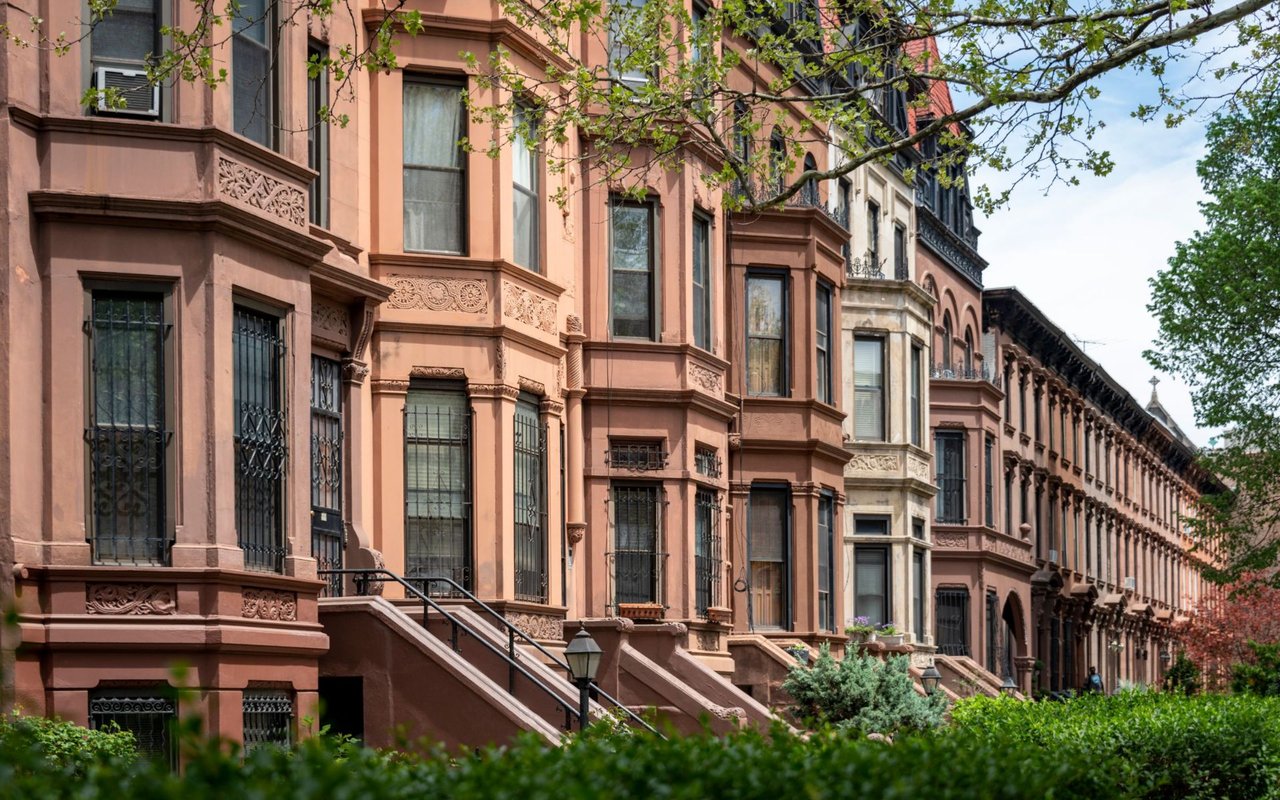
The residential streets surrounding Franklin Avenue, particularly the blocks between Classon Avenue and Franklin between Eastern Parkway and Atlantic Avenue, contain a mix of row houses and small apartment buildings that offer the scale and character of brownstone Brooklyn at price points that the neighborhoods to the west have largely outgrown. The architecture here includes limestone-fronted row houses with intact stoops and deep parlor floors that open to rear gardens that catch afternoon light.
The Row House Stock
Crown Heights contains one of the largest collections of intact late-nineteenth-century row houses in Brooklyn. The predominant building type is a three-or four-story limestone or brownstone-fronted house with a raised stoop and parlor-floor entry. Many of these buildings retain their original ornamental details: carved lintels, etched glass transoms, decorative ironwork on stoops and fences. The craftsmanship is comparable to what you find in Park Slope or Bedford-Stuyvesant, but the market has historically priced these properties at levels that reflect Crown Heights' later arrival to the broader brownstone market.
For buyers interested in whole-building ownership, Crown Heights offers a depth of inventory that more established neighborhoods no longer possess. The possibility of purchasing a row house with original architectural details intact, renovating it to contemporary standards, and owning an entire building in a neighborhood with strong transit access and proximity to Prospect Park is a proposition that few other parts of Brooklyn can currently match.
Cultural Diversity as a Defining Characteristic
Crown Heights' cultural landscape is among the most diverse in Brooklyn. The neighborhood's Caribbean heritage is expressed through its commercial corridors, community institutions, and public life. The West Indian American Day Parade, which runs along Eastern Parkway each Labor Day, draws participation from across the city and the region. The Lubavitch Hasidic community, centered around the 770 Eastern Parkway headquarters, has been a presence in the neighborhood for decades. These communities, along with more recent arrivals, create a cultural complexity that resists simple characterization.
That diversity is part of what gives Crown Heights its particular energy. The neighborhood does not present a single face. It contains multiple communities, multiple commercial ecosystems, and multiple ways of living on the same blocks. For residents who value that kind of complexity, Crown Heights offers something that more homogeneous neighborhoods cannot.
Our Perspective
Crown Heights is a neighborhood where block-level knowledge matters as much as it does anywhere in Brooklyn. The experience of living on a quiet limestone-lined street near the Botanic Garden is fundamentally different from living on a busier block closer to Nostrand Avenue, even though both addresses carry the same neighborhood name. We guide our clients through those internal distinctions with care, helping them understand which blocks, which building types, and which exposures align with how they actually want to live. The depth of the housing stock here means that the right property exists for a wide range of buyers, but finding it requires the kind of local knowledge that only sustained presence in the market provides.