Our Featured Listings in the Area
- previous
- next
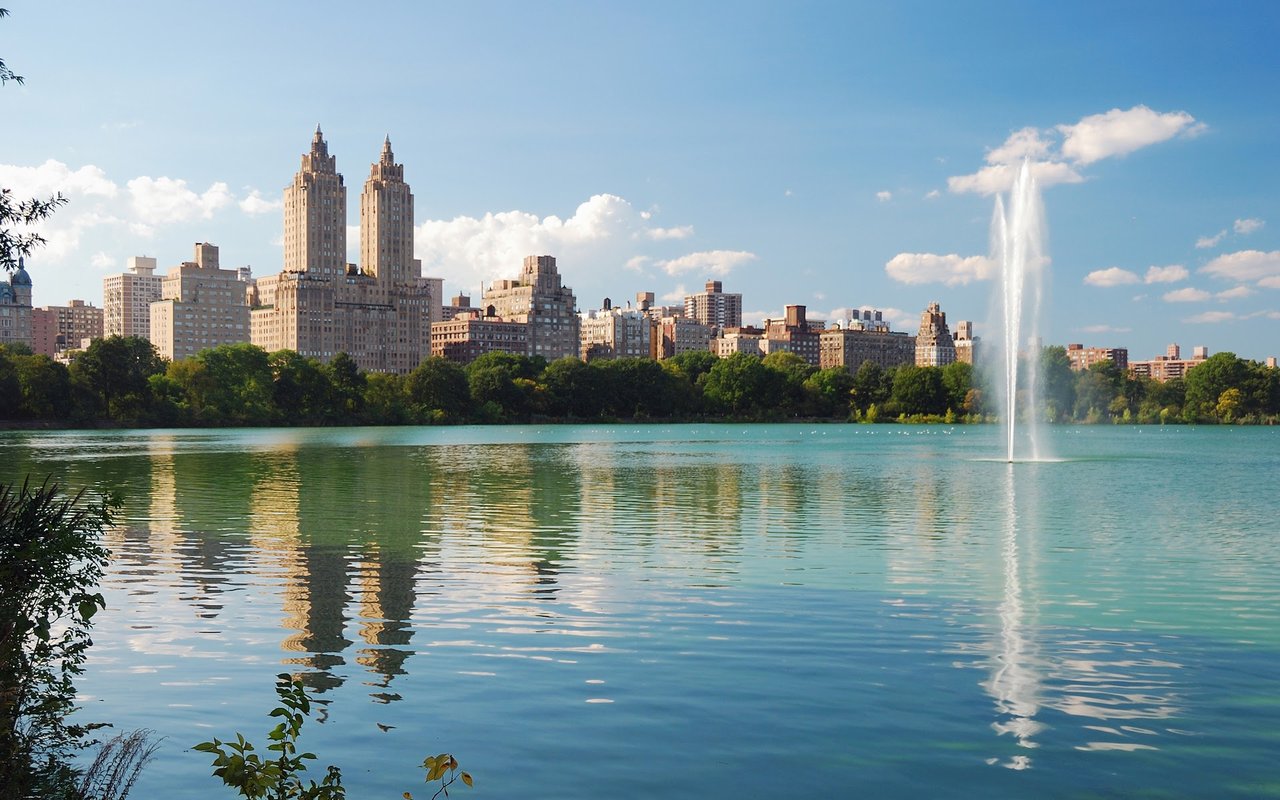
The Upper West Side is where Manhattan's pre-war co-operative apartment tradition reaches its fullest expression. The grand buildings along Central Park West, the twin-towered silhouettes of the San Remo and the Eldorado, the fortress-like presence of the Dakota at Seventy-Second Street: these are not simply residential addresses. They are landmarks that define what New York looks like from the outside and what it feels like to live in from within.
This is a neighborhood built on a specific idea of domestic life. The apartments here were designed with formal rooms, service quarters, and the kind of proportions that assumed entertaining would happen at home. That idea has evolved, but the bones remain. The classic seven layout, three bedrooms with a formal dining room, living room, kitchen, and maid's room, continues to set the standard for family living on the Upper West Side.
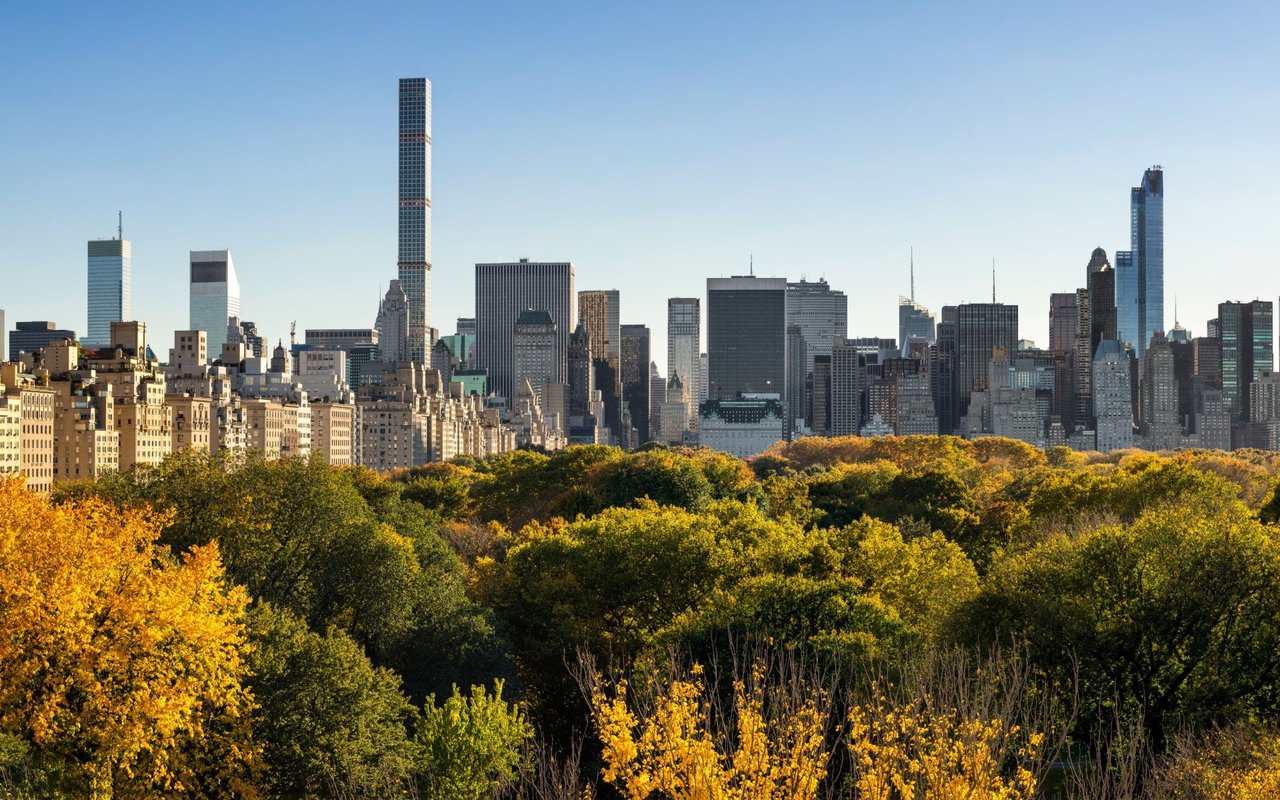
Central Park West is one of the world's great residential addresses, and it earns that distinction through a combination of architectural quality and geographic fortune. The buildings that line the avenue face directly onto Central Park with western exposures that catch the afternoon and evening light. The park itself functions as an extension of the living space: an eight-hundred-acre front yard that no amount of money could privately replicate.
If Central Park West gets the headlines, Riverside Drive gets the loyalty. The avenue that runs along Riverside Park from Seventy-Second Street northward offers a residential experience that is quieter and in many ways more livable than its eastern counterpart. The park, designed by Frederick Law Olmsted, slopes down to the Hudson River and provides a continuous green corridor that feels more intimate than Central Park's vast open spaces.
Riverside Drive is the Upper West Side's best-kept open secret: the same pre-war quality, a fraction of the competition.
The buildings along Riverside Drive tend to be slightly less grand than those on Central Park West, which keeps pricing more accessible while offering comparable apartment quality. For buyers who prioritize daily life over prestige address, Riverside Drive is often the smarter choice.
The Upper West Side's reputation as Manhattan's premier family neighborhood is not accidental. It is the product of strong public schools and abundant park access within a neighborhood culture that genuinely accommodates children. PS 87 on the Upper West Side and PS 199 on the western edge are among the most sought-after elementary schools in the city, and the zoning for these schools directly influences real estate decisions.
The American Museum of Natural History at Seventy-Ninth Street and Central Park West serves as both a cultural institution and a neighborhood amenity. For families with young children, the museum's proximity means that a rainy Saturday afternoon never lacks a destination. Lincoln Center, a few blocks south, provides a cultural infrastructure that ranges from the Metropolitan Opera to the New York Philharmonic to the School of American Ballet.
The comparison is inevitable, and the distinctions are real. The Upper East Side is more formal in its architecture and its social conventions. The Upper West Side is more culturally oriented and more willing to tolerate a certain casual imperfection. Madison Avenue and Columbus Avenue serve different constituencies, and the difference is not merely about price.
Upper West Side co-op boards, while selective, tend to operate with a slightly less rigid formality than their East Side counterparts. The neighborhood attracts academics, performing artists, writers, and professionals in media alongside the finance executives who dominate the East Side. That diversity of professional background creates a social fabric that feels more textured and less uniform.
The Upper West Side co-op market operates on relationships and reputation. Board packages are evaluated not just on financials but on character, and the process requires an advisor who understands the unwritten expectations of each building. We bring that understanding to every transaction. Whether our clients are pursuing a classic seven on Central Park West or a sun-flooded apartment on Riverside Drive, we counsel them with the specificity and discretion that this market requires.
217,067 people live in Upper West Side, where the median age is 45 and the average individual income is $126,498. Data provided by the U.S. Census Bureau.
Total Population
Median Age
Population Density Population Density This is the number of people per square mile in a neighborhood.
Average individual Income
There's plenty to do around Upper West Side, including shopping, dining, nightlife, parks, and more. Data provided by Walk Score and Yelp.
Explore popular things to do in the area, including The Dancing Spirit Wellness, Allstate Insurance NYC 13.1 Marathon, and Friends of Jodi.
| Name | Category | Distance | Reviews |
Ratings by
Yelp
|
|---|---|---|---|---|
| Active | 0.32 miles | 0 reviews | 0/5 stars | |
| Active | 0.39 miles | 0 reviews | 0/5 stars | |
| Active | 0.4 miles | 0 reviews | 0/5 stars | |
| Active | 0.46 miles | 0 reviews | 0/5 stars | |
| Active | 0.66 miles | 0 reviews | 0/5 stars | |
| Active | 0.96 miles | 0 reviews | 0/5 stars | |
| Beauty | 1.01 miles | 0 reviews | 0/5 stars | |
| Beauty | 1.08 miles | 1 review | 4/5 stars | |
|
|
||||
|
|
||||
|
|
||||
|
|
||||
|
|
||||
|
|
Upper West Side has 106,031 households, with an average household size of 2. Data provided by the U.S. Census Bureau. Here’s what the people living in Upper West Side do for work — and how long it takes them to get there. Data provided by the U.S. Census Bureau. 217,067 people call Upper West Side home. The population density is 137,467 and the largest age group is Data provided by the U.S. Census Bureau.
Total Population
Population Density Population Density This is the number of people per square mile in a neighborhood.
Median Age
Men vs Women
Population by Age Group
0-9 Years
10-17 Years
18-24 Years
25-64 Years
65-74 Years
75+ Years
Education Level
Total Households
Average Household Size
Average individual Income
Households with Children
With Children:
Without Children:
Marital Status
Blue vs White Collar Workers
Blue Collar:
White Collar: