Our Featured Listings in the Area
- previous
- next
The West Village is not purchased rationally. Buyers here are rarely comparing it against a spreadsheet of alternatives. They want this neighborhood specifically, and they are willing to pay a premium that reflects that certainty. The cobblestone blocks and the Federal-era townhouses, protected by landmark designations that prevent the streetscape from ever changing: these are the features that drive demand, and they are the same features that constrain supply. The result is the most scarcity-driven pricing in Manhattan.
Almost no new construction is possible within the historic district boundaries. The few parcels that could theoretically support development face community opposition and regulatory review that make the economics prohibitive. What exists is, with rare exceptions, what will continue to exist. That permanence is the West Village's greatest asset.
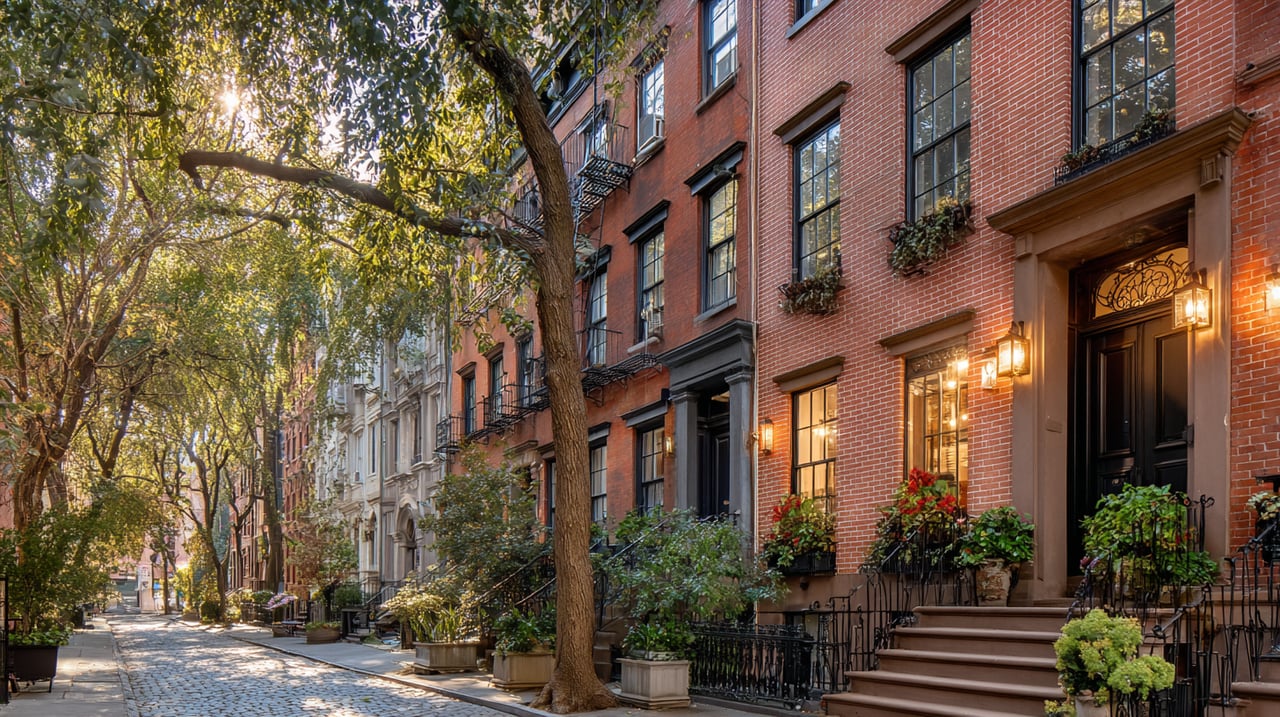
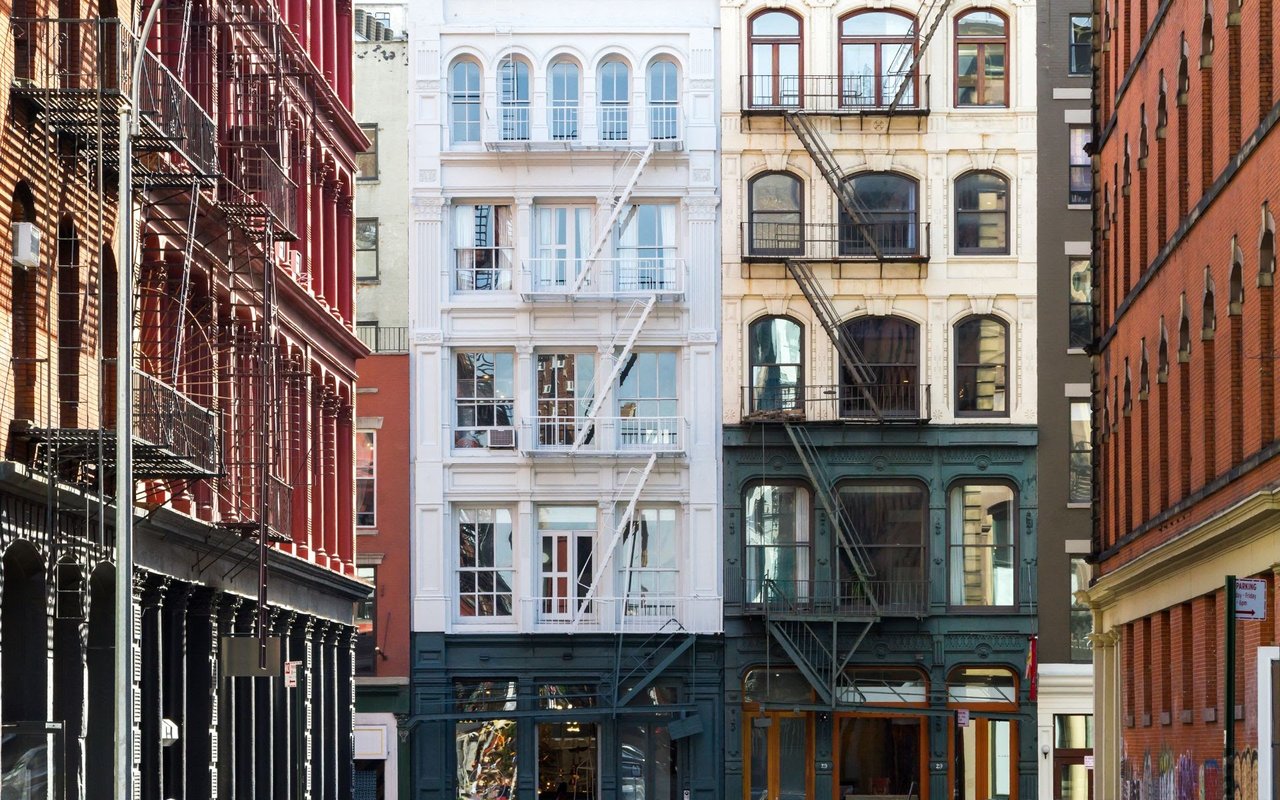
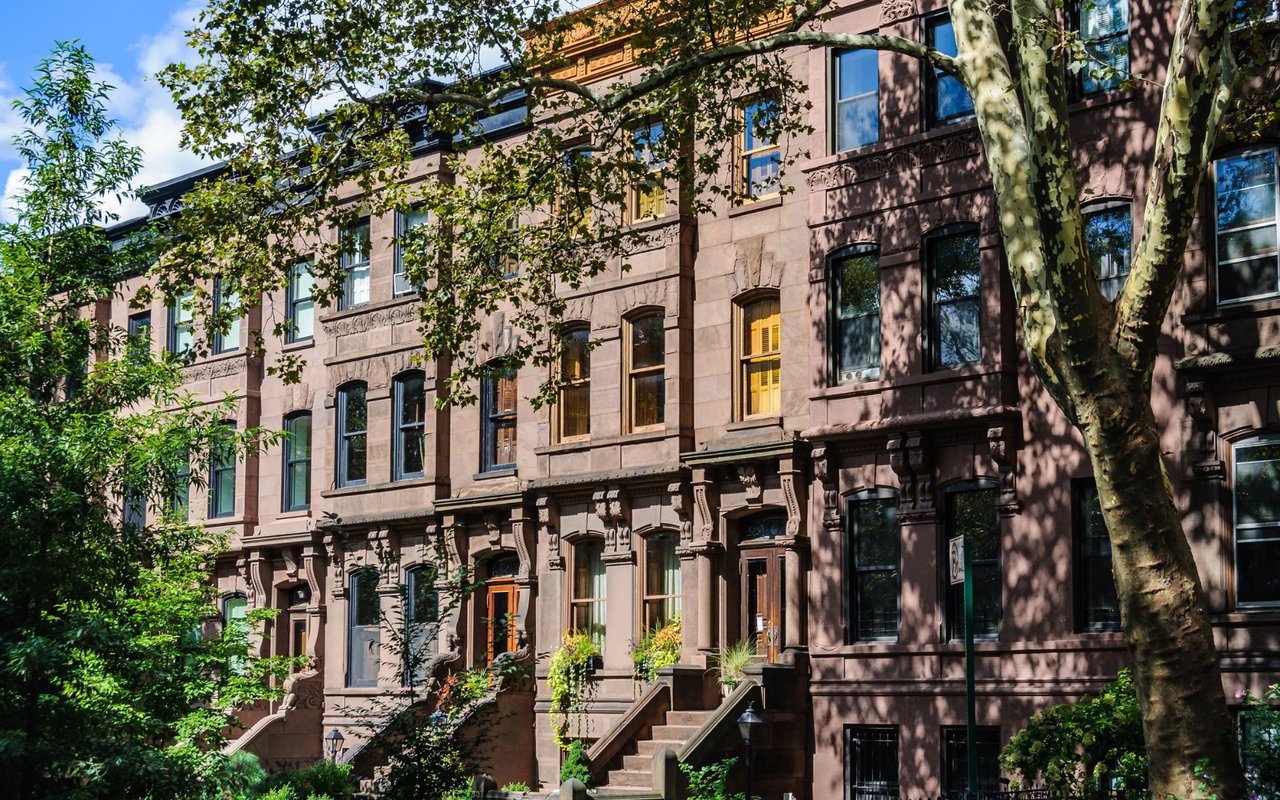
Certain streets in the West Village carry an outsized emotional resonance. Perry Street, Bank Street, Bethune Street, and Charles Street are among the most coveted residential addresses in the city. The townhouses along these blocks tend to be Federal or early Greek Revival in style, with brick facades, shuttered windows, and rear gardens that provide a level of privacy almost impossible to find elsewhere in Manhattan.
These are not large properties by suburban standards. A typical West Village townhouse might offer twenty feet of width and four stories. But the quality of the light and the sound insulation provided by the surrounding low-rise context create a living experience that transcends square footage.
In the West Village, what you cannot see from the street is often what matters most: the garden, the light, the quiet.
The glass towers at 173 and 176 Perry Street, designed by Richard Meier, are among the most architecturally polarizing buildings in the neighborhood. Completed in 2002, they introduced a contemporary transparency to a streetscape defined by nineteenth-century masonry. Whether you consider them a bold intervention or an intrusion depends largely on your aesthetic disposition.
What is not debatable is their market significance. The Perry Street towers established that the West Village could support high-end new construction at price points previously associated only with Fifth Avenue and Central Park. They expanded the definition of what a West Village residence could be, and in doing so, they pulled the entire neighborhood's pricing upward.
Bleecker Street tells the story of the West Village's transformation in miniature. The stretch between Seventh Avenue and Hudson Street has evolved from a bohemian corridor of record shops and small cafes into a destination for luxury retail. Marc Jacobs, now departed, was among the first to recognize the street's potential. The shops that replaced the original tenants are polished and international, but the street retains a walkability and human scale that distinguishes it from Madison Avenue or Fifth Avenue.
For residents, Bleecker Street functions as a Main Street in a borough that does not officially have one. The mix of dining and independent retailers creates a daily experience that feels more like a small town than a global city. That quality is deliberate. The West Village's zoning and landmark protections work together to maintain a street-level character that larger-scale development would erase.
The West Village's supply dynamics are straightforward: there is not enough inventory to meet demand, and there is no structural mechanism to create more. The historic district designation prevents demolition. The low-rise zoning prevents building upward. The result is a market where well-maintained properties in prime locations trade at premiums that would be difficult to justify on a pure square-footage basis but make perfect sense when you account for the impossibility of replication.
Co-ops in the West Village tend to be in smaller buildings with fewer than twenty units. The intimacy of these buildings is part of their appeal, but it also means that listings are infrequent. When a desirable apartment in a strong building comes to market, the window for action is narrow. We prepare our clients for that reality in advance.
The West Village demands an advisor who understands that the numbers alone do not tell the story. A garden-level apartment on a quiet block may outperform a top-floor unit on a busier street in ways that only a buyer who has spent time in both will appreciate. We bring that experiential knowledge to every engagement. Our clients in the West Village are buying something more than an apartment. They are buying a daily life, and we take the responsibility of guiding that decision seriously.
32,518 people live in West Village, where the median age is 42 and the average individual income is $164,566. Data provided by the U.S. Census Bureau.
Total Population
Median Age
Population Density Population Density This is the number of people per square mile in a neighborhood.
Average individual Income
There's plenty to do around West Village, including shopping, dining, nightlife, parks, and more. Data provided by Walk Score and Yelp.
Explore popular things to do in the area, including Charles Gourmet Produce, Barrese Newsstand, and Alie Flynt LCSW.
| Name | Category | Distance | Reviews |
Ratings by
Yelp
|
|---|---|---|---|---|
| Dining · $ | 0.07 miles | 2 reviews | 1/5 stars | |
| Shopping | 0.39 miles | 0 reviews | 0/5 stars | |
| Active | 0.25 miles | 0 reviews | 0/5 stars | |
| Beauty | 0.17 miles | 0 reviews | 0/5 stars | |
| Beauty | 0.32 miles | 0 reviews | 0/5 stars | |
| Beauty | 0.44 miles | 0 reviews | 0/5 stars | |
|
|
||||
|
|
||||
|
|
||||
|
|
||||
|
|
||||
|
|
West Village has 18,891 households, with an average household size of 2. Data provided by the U.S. Census Bureau. Here’s what the people living in West Village do for work — and how long it takes them to get there. Data provided by the U.S. Census Bureau. 32,518 people call West Village home. The population density is 83,673 and the largest age group is Data provided by the U.S. Census Bureau.
Total Population
Population Density Population Density This is the number of people per square mile in a neighborhood.
Median Age
Men vs Women
Population by Age Group
0-9 Years
10-17 Years
18-24 Years
25-64 Years
65-74 Years
75+ Years
Education Level
Total Households
Average Household Size
Average individual Income
Households with Children
With Children:
Without Children:
Marital Status
Blue vs White Collar Workers
Blue Collar:
White Collar: