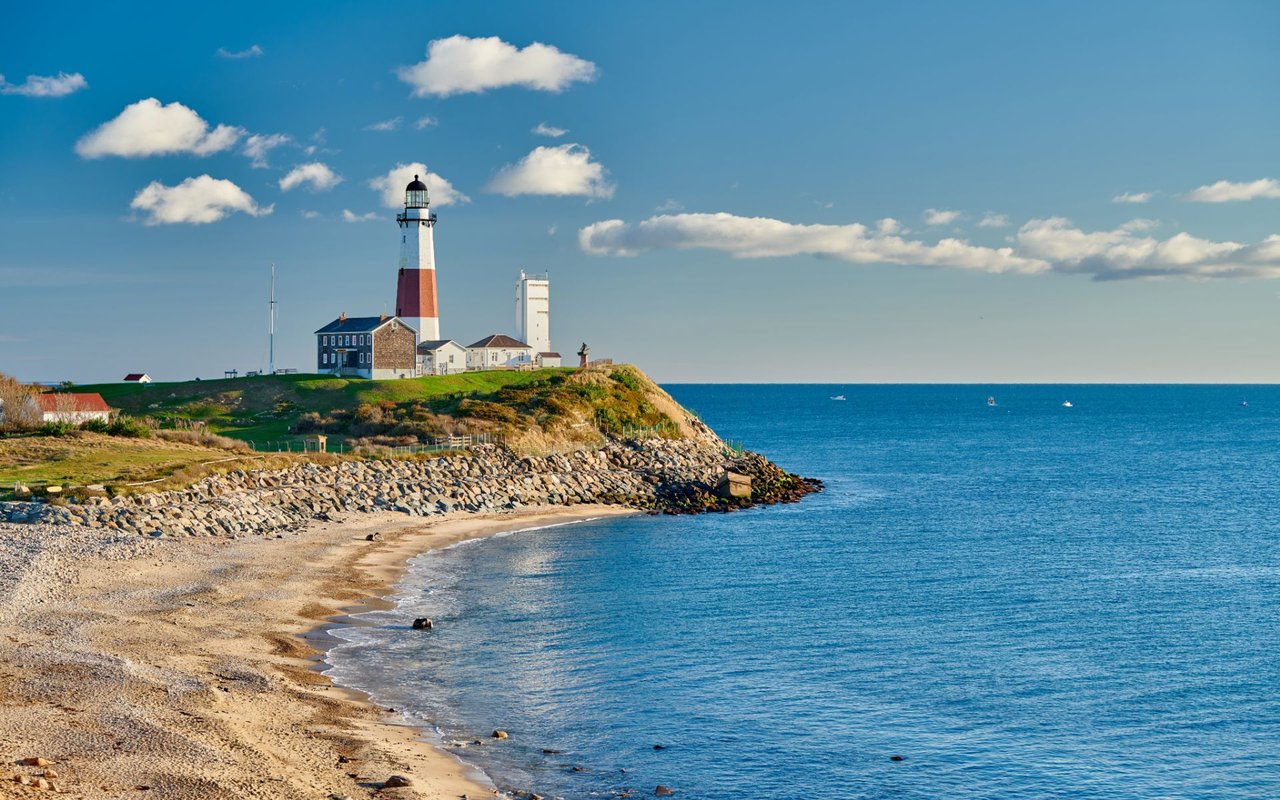
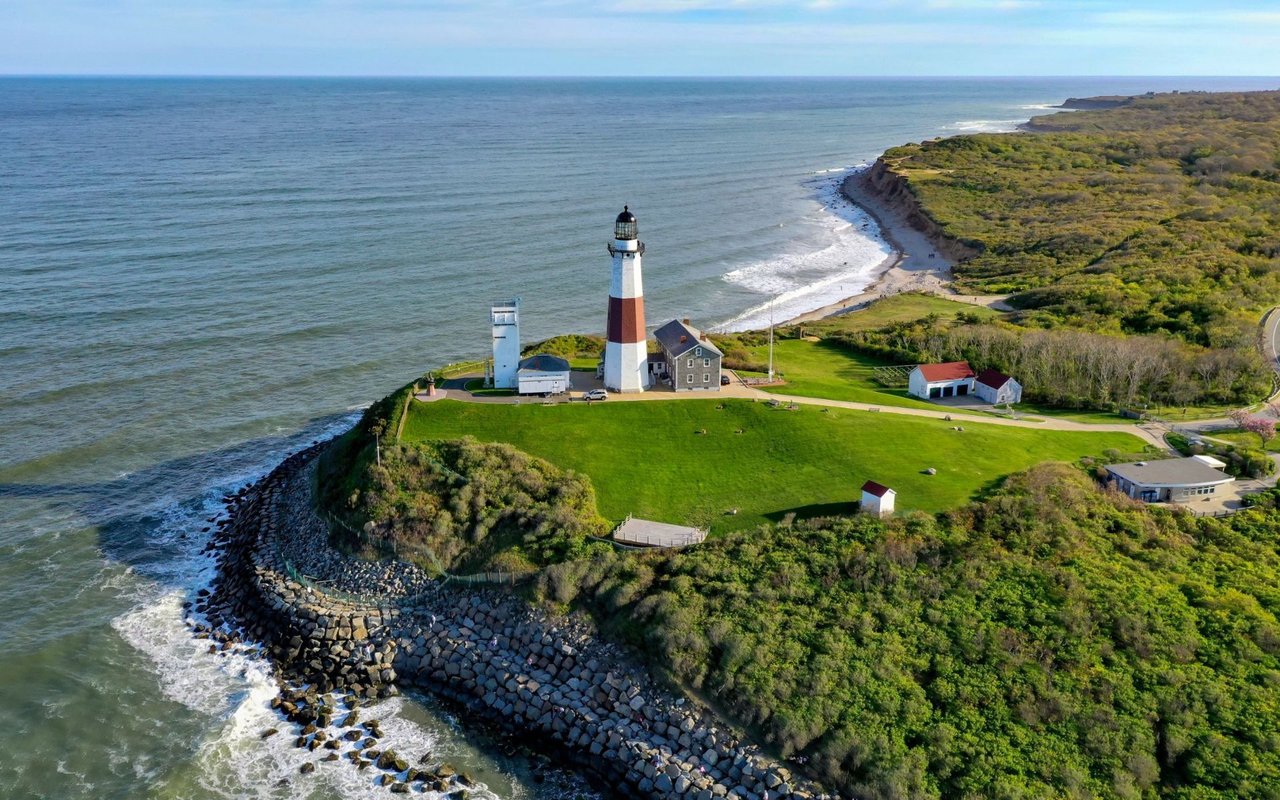
The Second Congress authorized its construction in 1792, and by November of 1796 the Montauk Point Lighthouse was operational -- the oldest lighthouse in New York State and the fourth oldest in the United States. It was one of the first public works projects of the new nation, a signal to the Atlantic that the American coast was no longer uncharted. The lighthouse still stands at the easternmost tip of Long Island, and it still marks the same truth it marked two centuries ago: this is where the land runs out.
Montauk takes its character from that finality. There is nowhere farther east to go, and the village has shaped itself around that geographic fact. The development pressure that transformed much of the Hamptons arrived here later, and it arrived against resistance. Montauk is not a village that aspires to become something else. Its appeal is precisely that it has refused the polish that the western Hamptons adopted decades ago.
"Montauk is not a village that aspires to become something else. Its appeal is precisely that it has refused the polish that the western Hamptons adopted decades ago."
Ditch Plains was colonized by surfers in the 1960s, and the beach remains the center of Montauk's surf community. This is not a lifestyle brand. The breaks are real and the water is cold. The culture around Ditch Plains has more in common with the California coast than with anything happening in Southampton. The residential market near the beach reflects this ethos -- properties here tend to be smaller and less formal, priced for buyers who value proximity to the water over square footage.
The surf culture has become a significant part of Montauk's identity, attracting a younger buyer demographic than most of the East End. These are buyers who want direct ocean access without the social conventions that accompany it elsewhere in the Hamptons. The trade-off is real: Ditch Plains offers authenticity at the expense of the infrastructure and services that the more established villages provide.
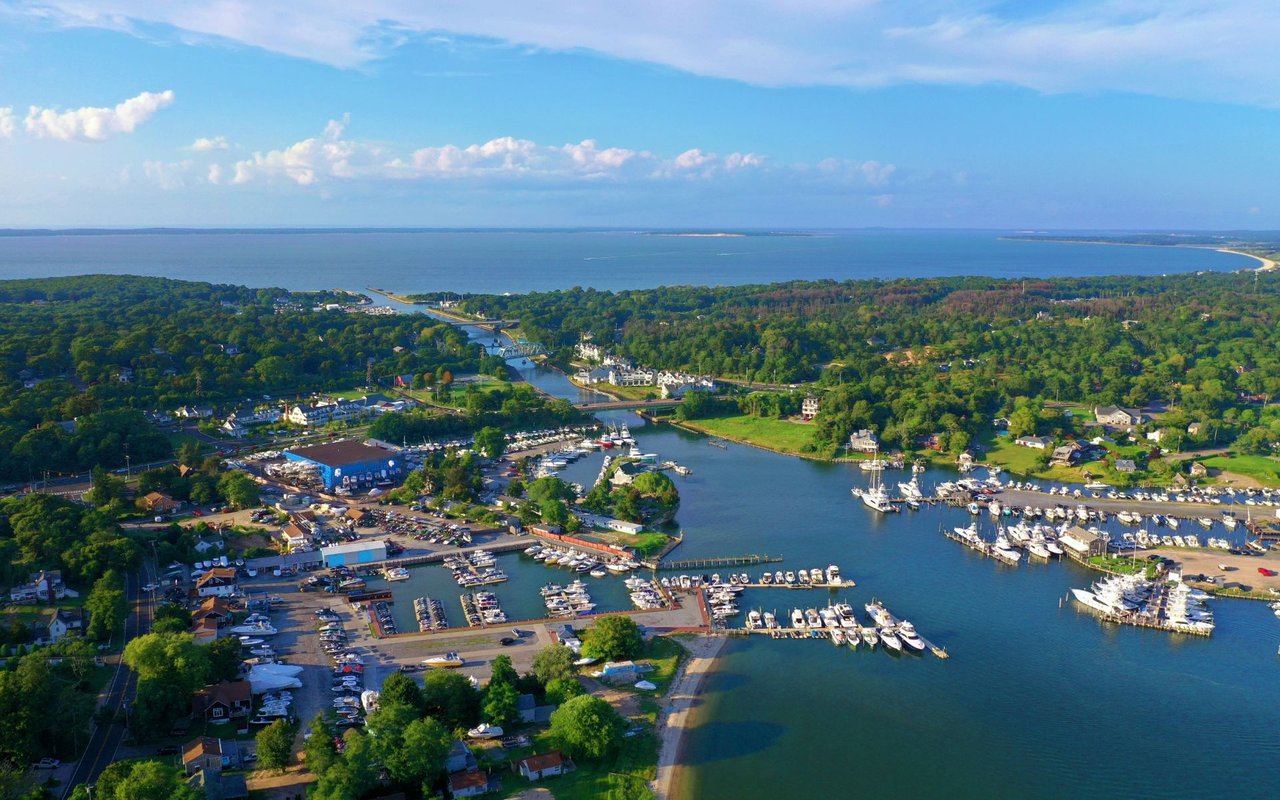
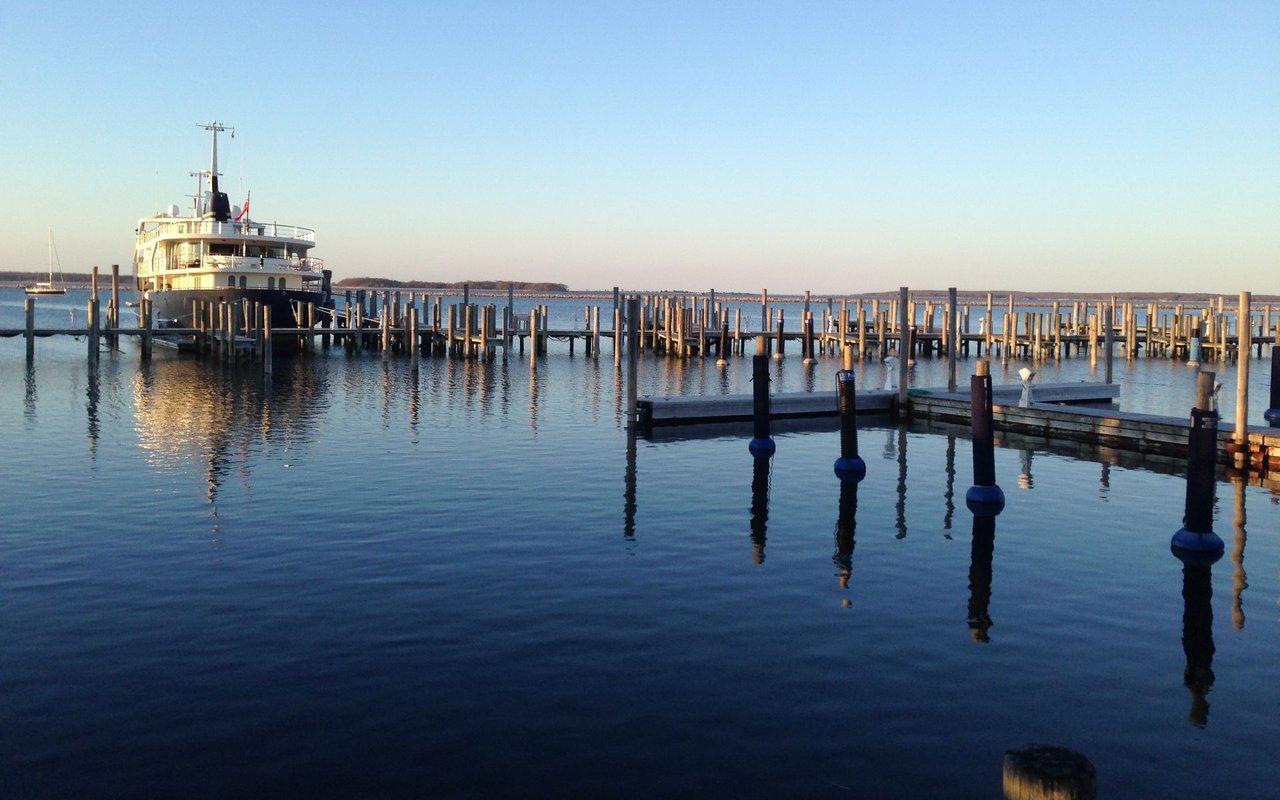
Montauk's commercial fishing fleet still operates from the harbor, and that working waterfront gives the village a texture that most of the Hamptons lost a generation ago. The boats are not decorative. They go out and come back with catch, and the restaurants that serve that fish are part of a supply chain rather than a marketing concept. Gurney's Montauk Resort & Seawater Spa sits on the oceanfront as a local institution, but even Gurney's exists within a community that takes its relationship with the ocean seriously.
Camp Hero, the Army base that opened in 1942, is now a state park with its radar tower and gun emplacements still visible among the trails. The base's presence is a reminder that Montauk's strategic position at the tip of Long Island has attracted attention for reasons that have nothing to do with real estate. The park itself offers some of the most dramatic coastal hiking on the East End, with bluffs that drop directly to the Atlantic.
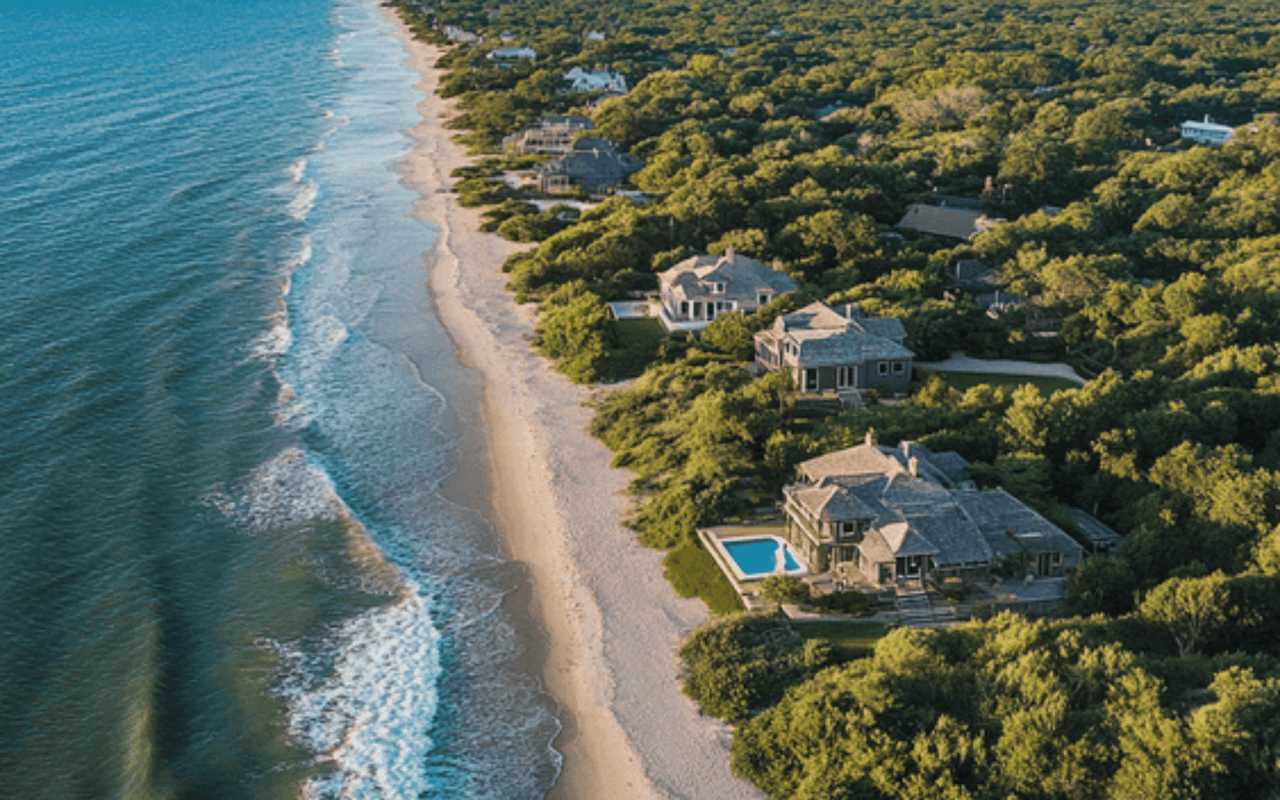
Montauk attracts buyers who have seen the rest of the Hamptons and decided they want less -- less formality and less distance between themselves and the water. The market here accommodates a broader range than most East End communities, from modest cottages near town to larger oceanfront properties with significant acreage. What unites the buyer profile is a preference for the unfinished over the manicured, and a willingness to accept that Montauk's charm is inseparable from its rougher edges.
Montauk operates on its own terms within the broader Hamptons market, and advising buyers here requires a different sensibility than the estate sections of Southampton or East Hampton. The inventory is more varied and the community more year-round. The priorities of the typical buyer tend toward the experiential rather than the architectural. We work with clients who understand that distinction and who value Montauk for what it is rather than what it might become.
4,073 people live in Montauk, where the median age is 51.2 and the average individual income is $86,607. Data provided by the U.S. Census Bureau.
Total Population
Median Age
Population Density Population Density This is the number of people per square mile in a neighborhood.
Average individual Income
There's plenty to do around Montauk, including shopping, dining, nightlife, parks, and more. Data provided by Walk Score and Yelp.
Explore popular things to do in the area, including Maguro Japanese Market, Bambi's Cafe, and Adios Fishing Charter.
| Name | Category | Distance | Reviews |
Ratings by
Yelp
|
|---|---|---|---|---|
| Dining | 0.9 miles | 5 reviews | 5/5 stars | |
| Dining | 0.93 miles | 18 reviews | 4.9/5 stars | |
| Active | 1.86 miles | 5 reviews | 5/5 stars | |
| Active | 1.91 miles | 38 reviews | 5/5 stars | |
| Active | 1.81 miles | 25 reviews | 5/5 stars | |
| Active | 0.69 miles | 6 reviews | 5/5 stars | |
| Nightlife | 1.86 miles | 5 reviews | 5/5 stars | |
|
|
||||
|
|
||||
|
|
||||
|
|
||||
|
|
||||
|
|
Montauk has 1,618 households, with an average household size of 2.45. Data provided by the U.S. Census Bureau. Here’s what the people living in Montauk do for work — and how long it takes them to get there. Data provided by the U.S. Census Bureau. 4,073 people call Montauk home. The population density is 220 and the largest age group is Data provided by the U.S. Census Bureau.
Total Population
Population Density Population Density This is the number of people per square mile in a neighborhood.
Median Age
Men vs Women
Population by Age Group
0-9 Years
10-17 Years
18-24 Years
25-64 Years
65-74 Years
75+ Years
Education Level
Total Households
Average Household Size
Average individual Income
Households with Children
With Children:
Without Children:
Marital Status
Blue vs White Collar Workers
Blue Collar:
White Collar: