Why Live in Shelter Island?
The Ferry Changes Everything
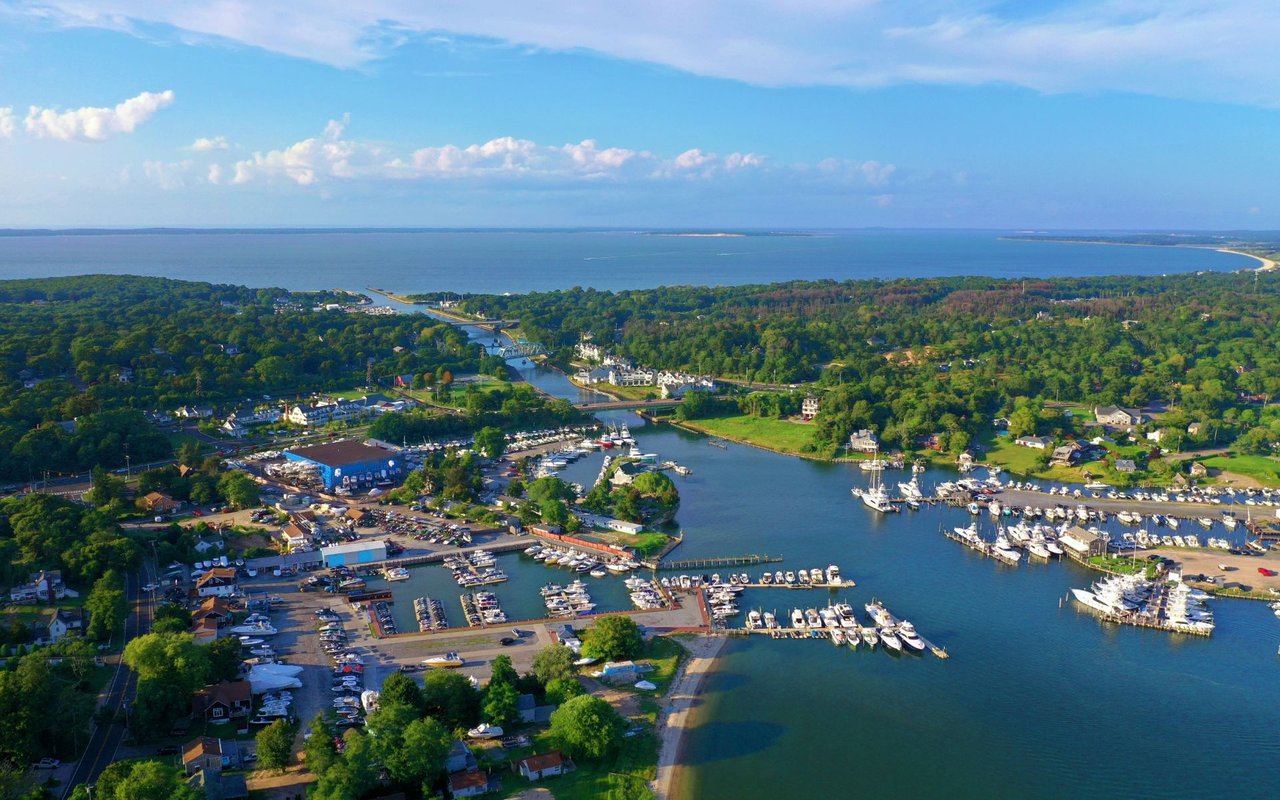
You cannot drive to Shelter Island. That single fact -- the requirement of a ferry crossing, either from Greenport on the North Fork or from North Haven on the South Fork -- defines everything about the community that exists on the other side. The ferry is a filter. It eliminates the casual visitor and the impulse stop. Everyone who arrives on Shelter Island made a conscious decision to be there, and that intentionality shapes the island's character in ways that no zoning ordinance could replicate.
There are no franchises on Shelter Island. No chain restaurants. No traffic lights. The year-round community is small, and the island's infrastructure reflects that scale -- local businesses serving a community small enough that anonymity is difficult to maintain. The result is a place that feels genuinely apart from the rest of the East End, separated not just by water but by a fundamentally different set of priorities.
"The ferry is a filter. It eliminates the casual visitor and the impulse stop. Everyone who arrives made a conscious decision to be there."
Mashomack and the Protected Landscape
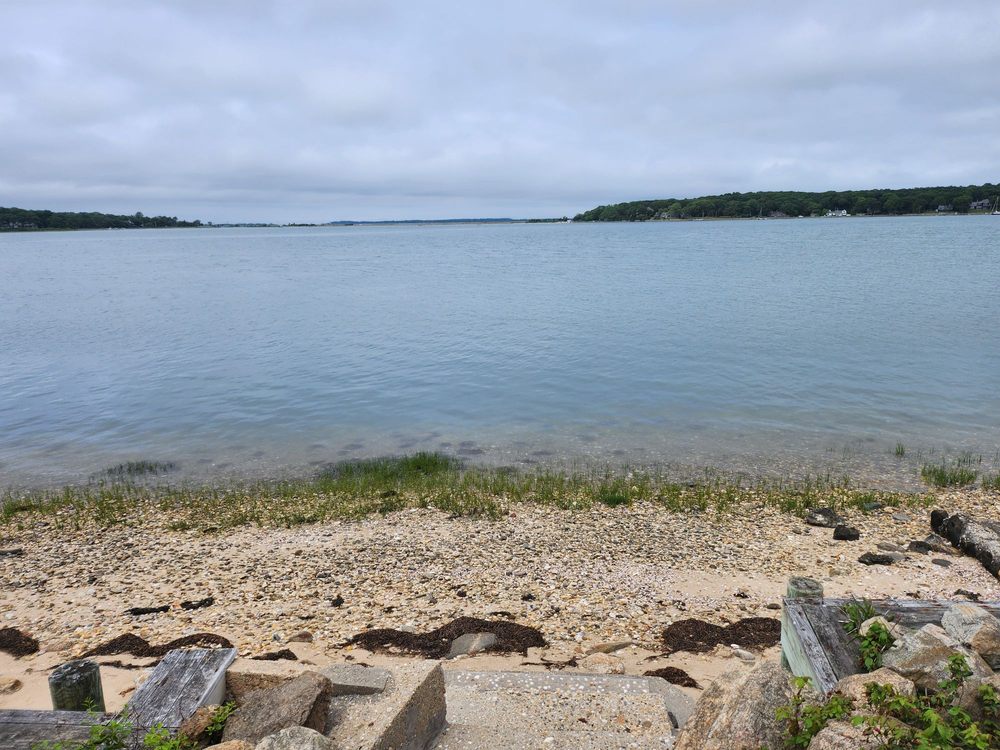
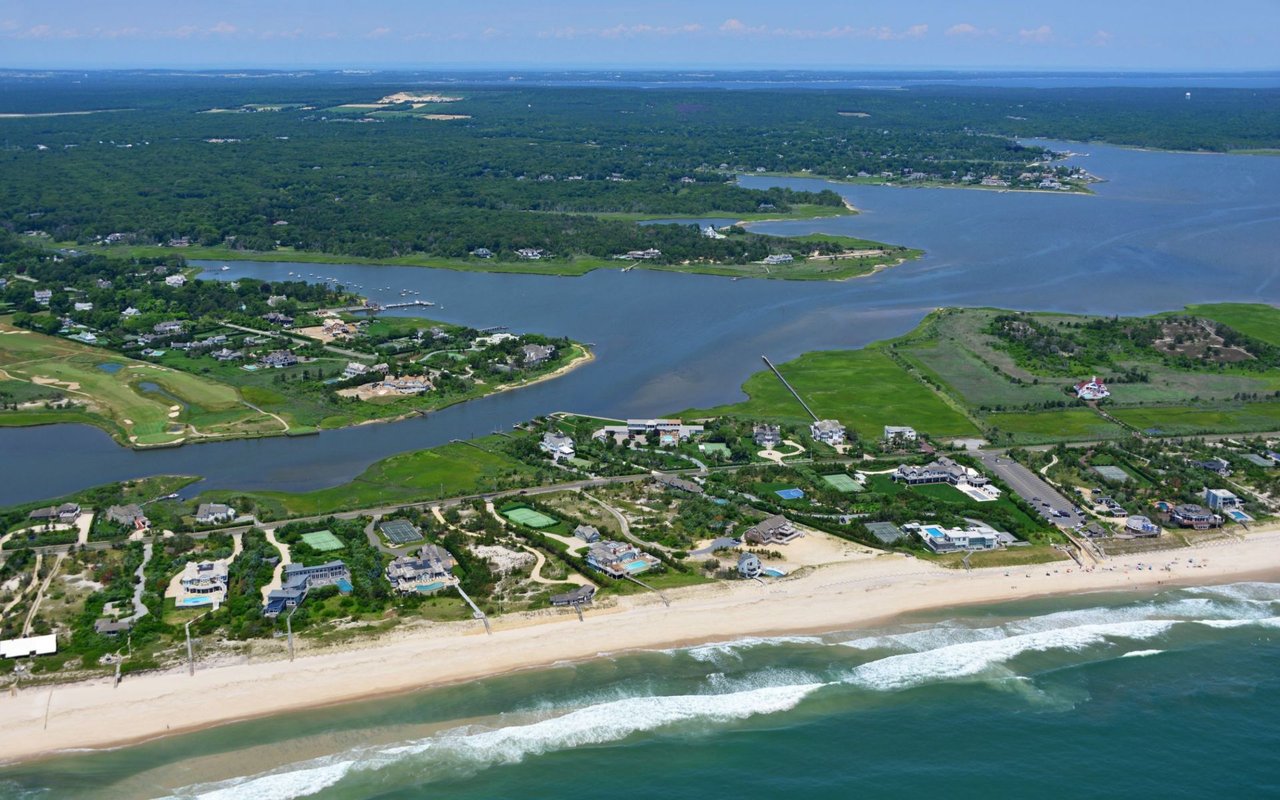
The Nature Conservancy manages the Mashomack Preserve, roughly two thousand acres of forest and tidal creeks along the coastline of the southeastern third of the island. The preserve is sometimes called the "Jewel of the Peconic Bay," and the description is earned. The acreage is vast enough that it fundamentally constrains development on the island -- a third of Shelter Island's land mass is permanently protected, which means the residential inventory that exists is all that will ever exist.
For buyers, the preserve creates a paradox: the same protection that makes Shelter Island beautiful also makes its market structurally limited. Properties near the Mashomack boundary benefit from views and trails that will never be developed, but the supply of available homes cannot expand to meet demand. That scarcity is reflected in hold periods that are among the longest on the East End.
Shelter Island Heights and Dering Harbor
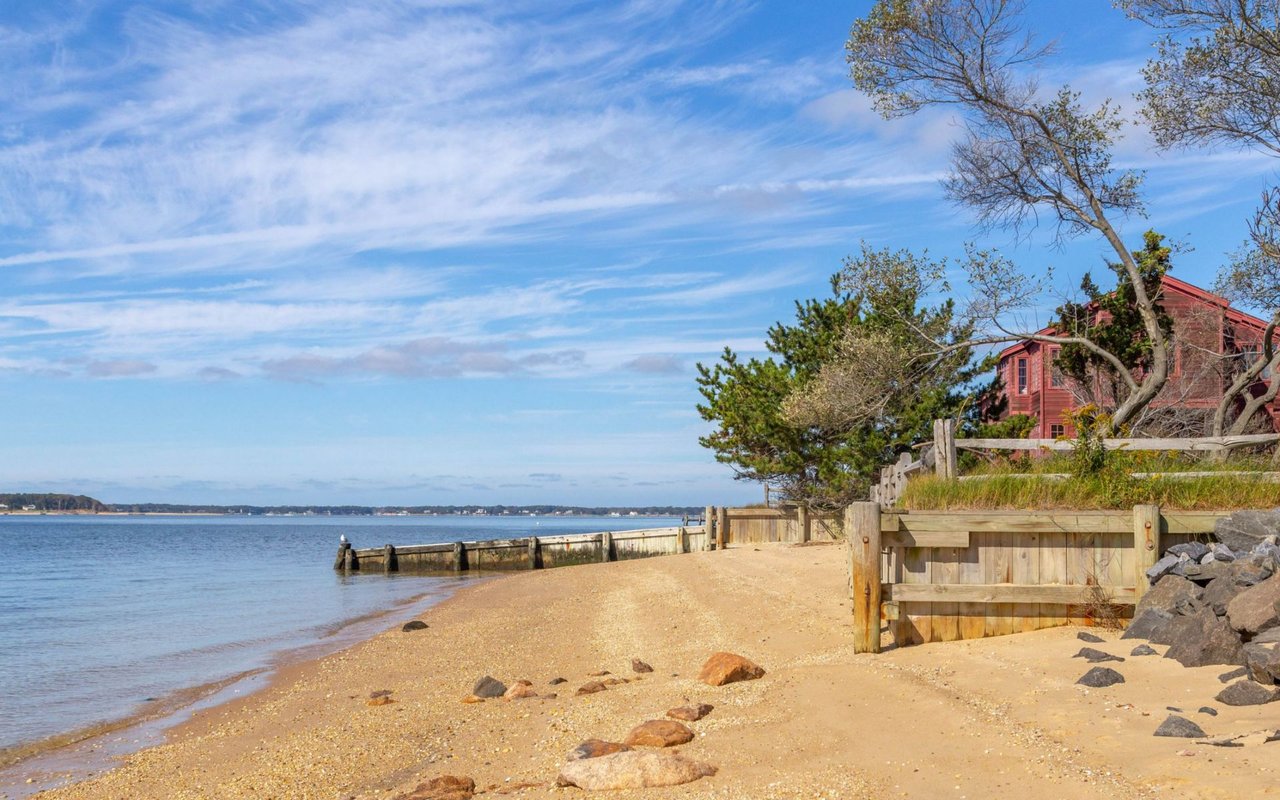
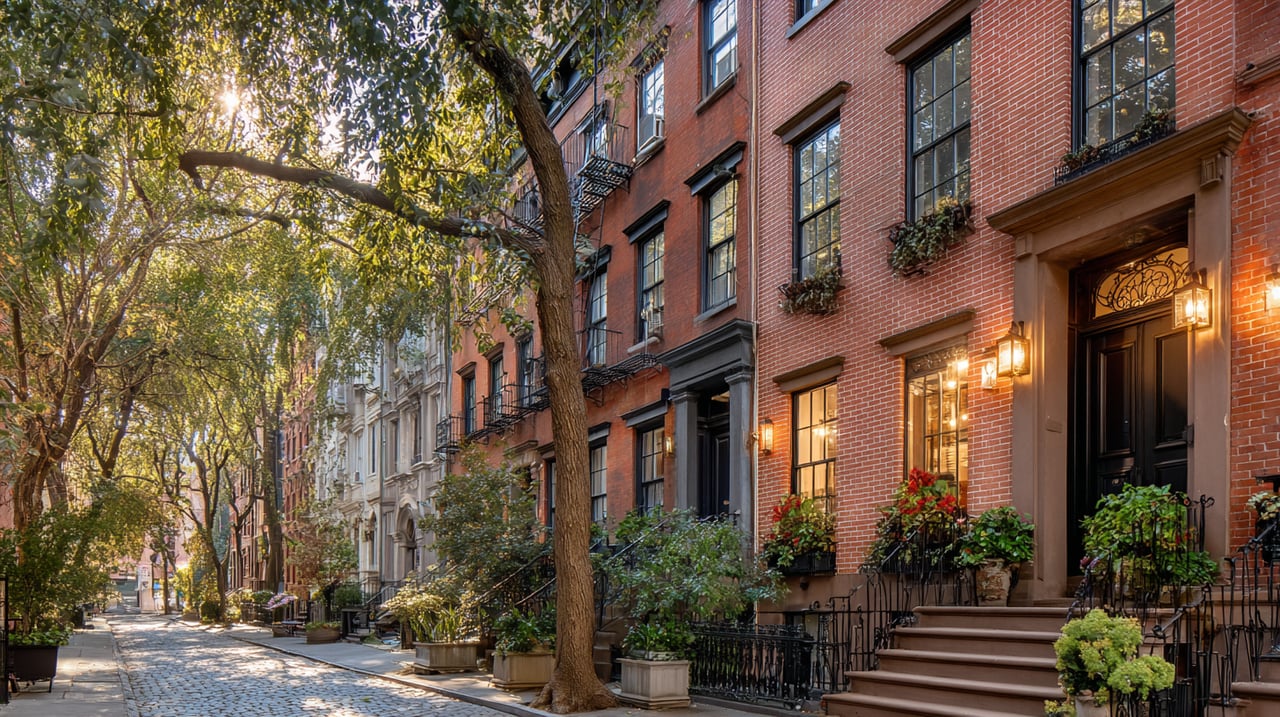
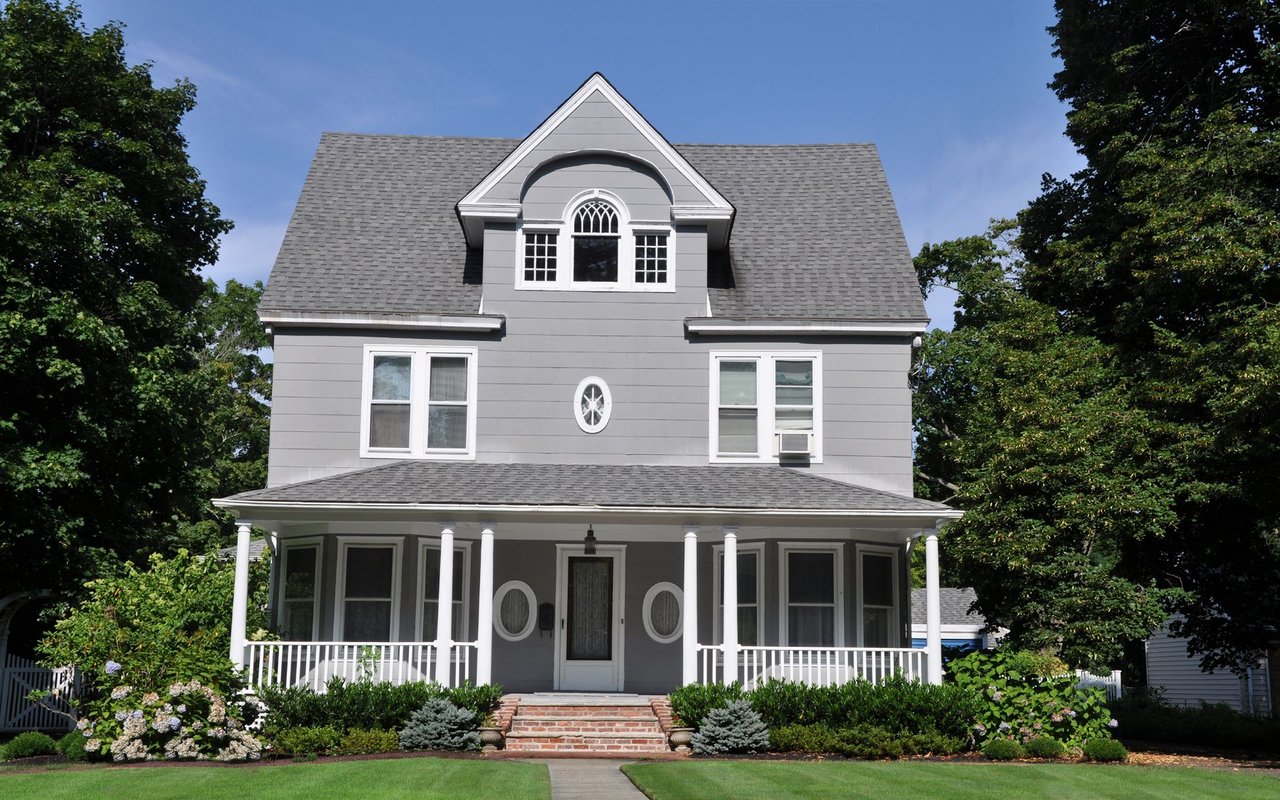
Shelter Island Heights preserves a collection of Victorian-era architecture that gives the neighborhood a character distinct from anything else on the East End. The houses are ornate and colorful, set on tree-lined streets that feel closer to a nineteenth-century resort community than to the shingled understatement of the Hamptons. The Heights has a walkable center with a handful of shops and restaurants, and its waterfront provides views across to Greenport and the North Fork.
Dering Harbor, an incorporated village within Shelter Island, is one of the smallest incorporated villages in New York State. Its scale is intimate -- a handful of waterfront properties on a protected harbor, with the kind of privacy that comes from being a place so small that it barely registers on most maps. Dering Harbor attracts buyers who want seclusion at a level that even Shelter Island's broader market cannot provide.
Who Crosses the Water and Buys in Shelter Island?
The Shelter Island buyer has typically considered -- and rejected -- the Hamptons. They want the East End's natural beauty without its social apparatus. They are comfortable with the ferry schedule governing their arrivals and departures. They value the absence of commercial infrastructure as a feature rather than a limitation. And they understand that buying on an island means accepting a set of trade-offs: limited services and seasonal businesses in a market where selling can take as long as buying.
The appeal is genuine seclusion, not performative simplicity. Shelter Island does not have the restaurants or the cultural programming of Sag Harbor or East Hampton, but it has something those villages cannot offer -- the psychological distance that a body of water creates between the island and the demands of the mainland.
Our Perspective
Shelter Island requires a different kind of advisory relationship than the mainland Hamptons. The market is smaller and the inventory more limited. The decision to buy here is as much a lifestyle choice as a real estate transaction. We work with clients who have already made that choice and who need an advisor familiar with the island's micro-markets -- the difference between a Heights property and a Dering Harbor property, and the realities of island living that do not appear in listing descriptions.