A Neighborhood Built on Conversion
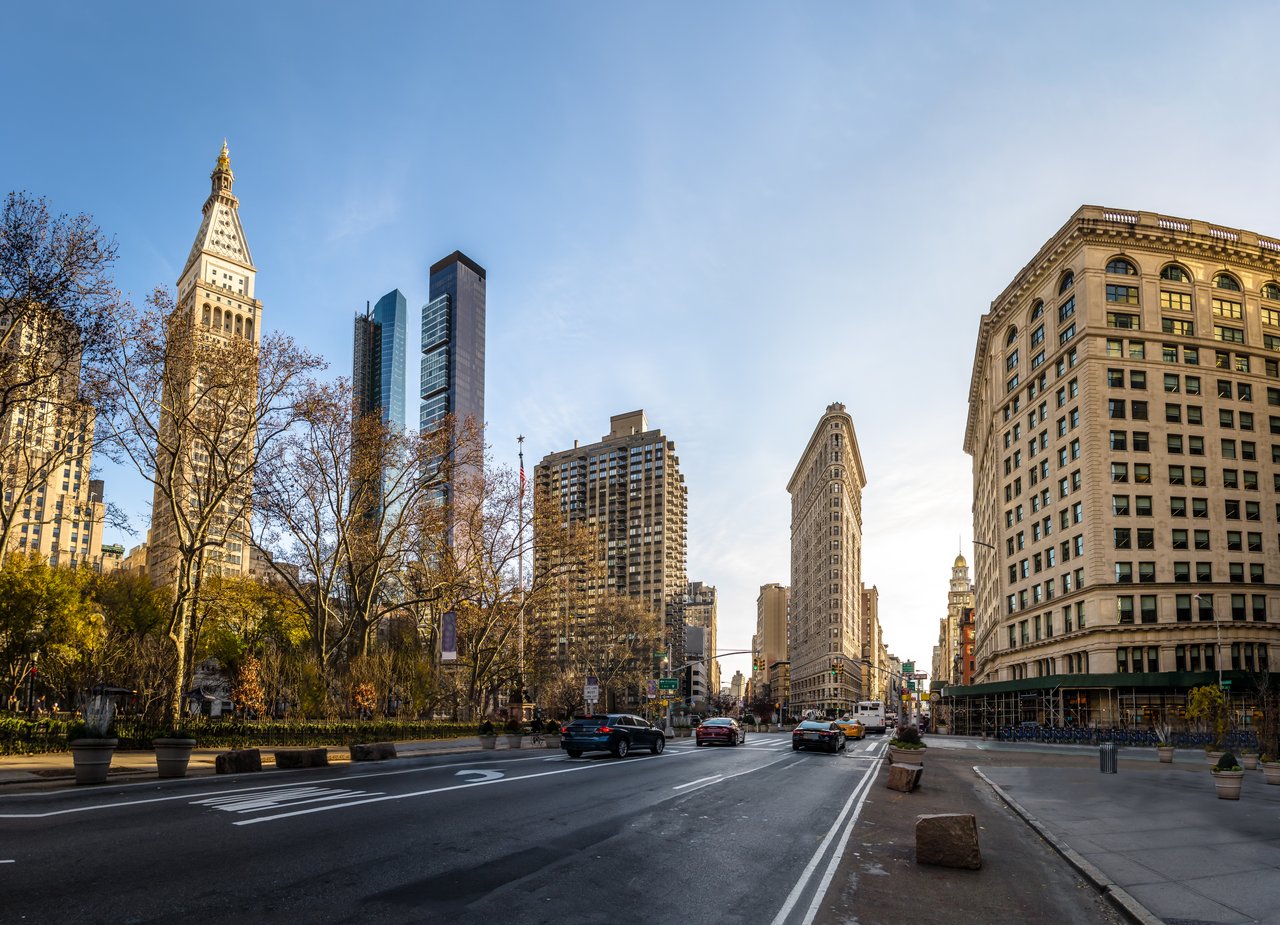
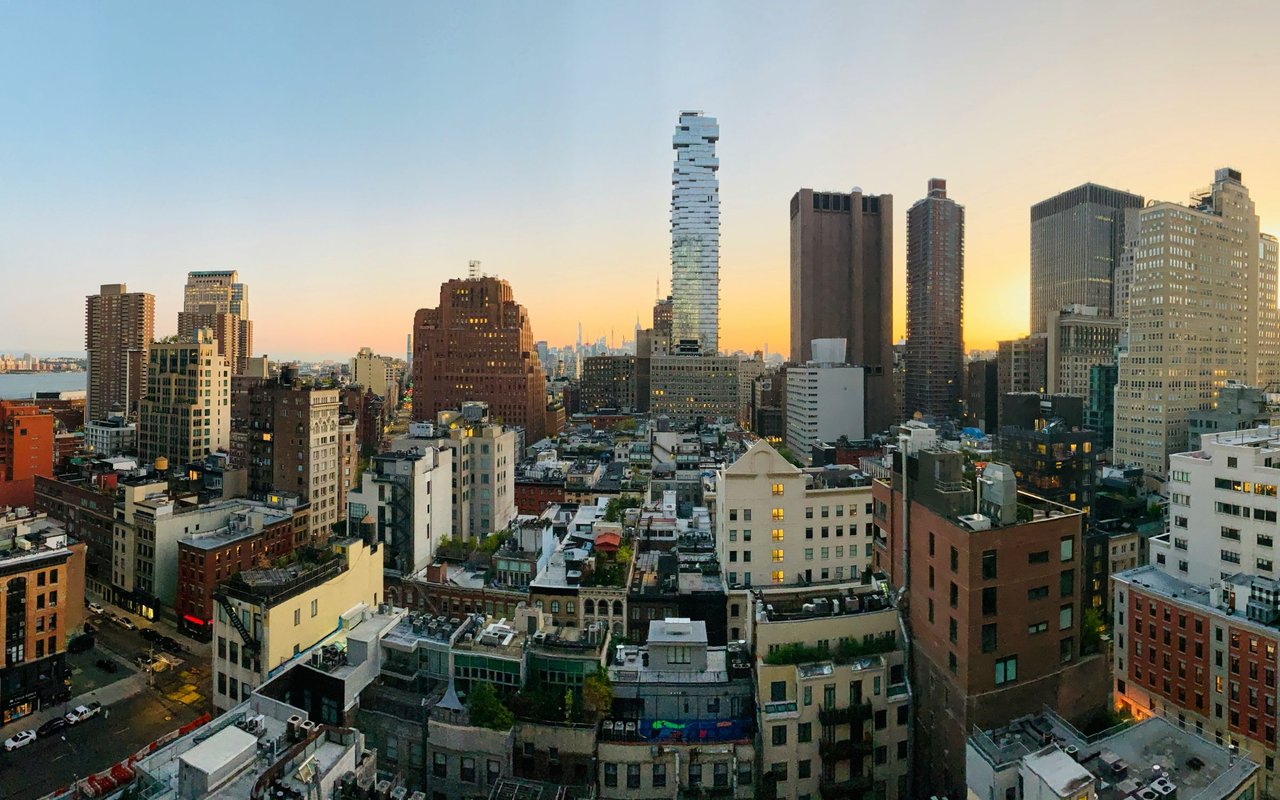
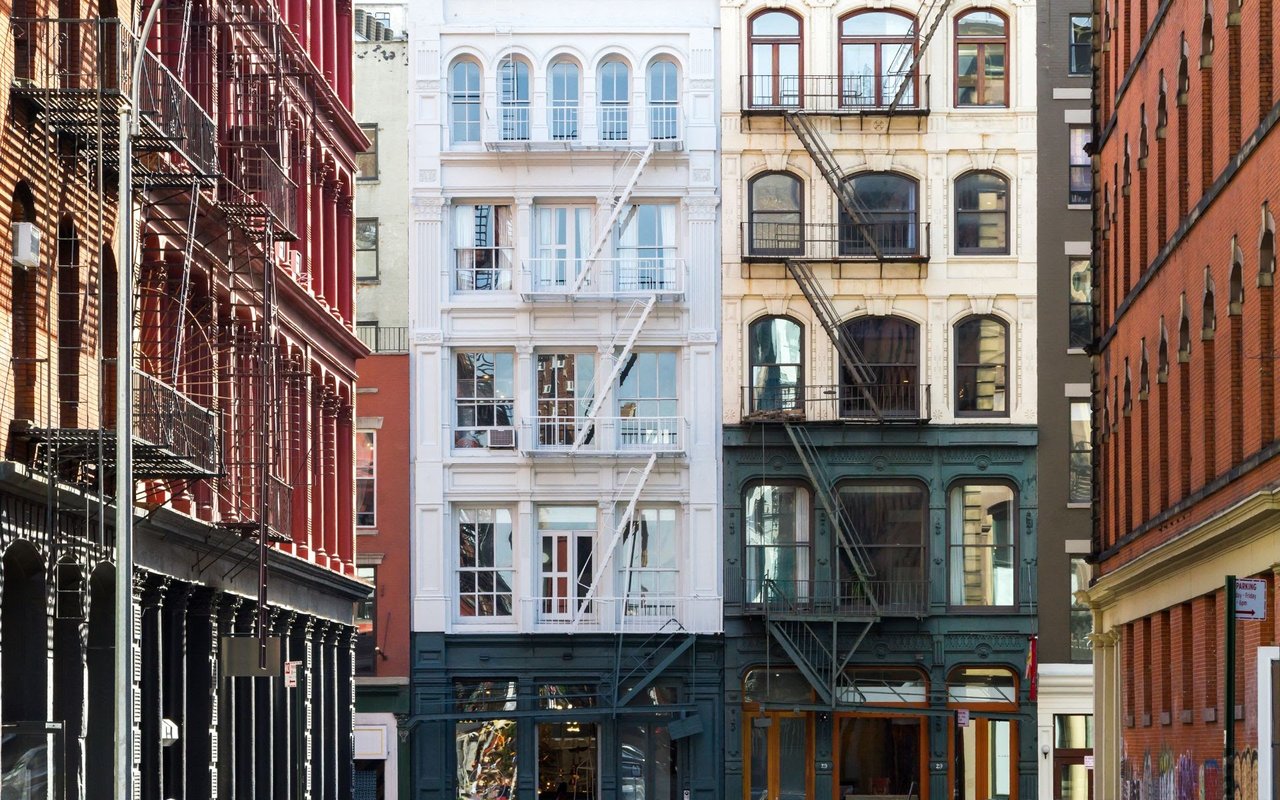
Flatiron has always been a place of reinvention. The district takes its name from the triangular building at the intersection of Broadway and Fifth Avenue, a structure that was never supposed to be beautiful but became iconic through sheer audacity of form. That same spirit of transformation defines the residential market here. Former commercial lofts and grand industrial spaces have been rethought and remade into some of Manhattan's most distinctive homes.
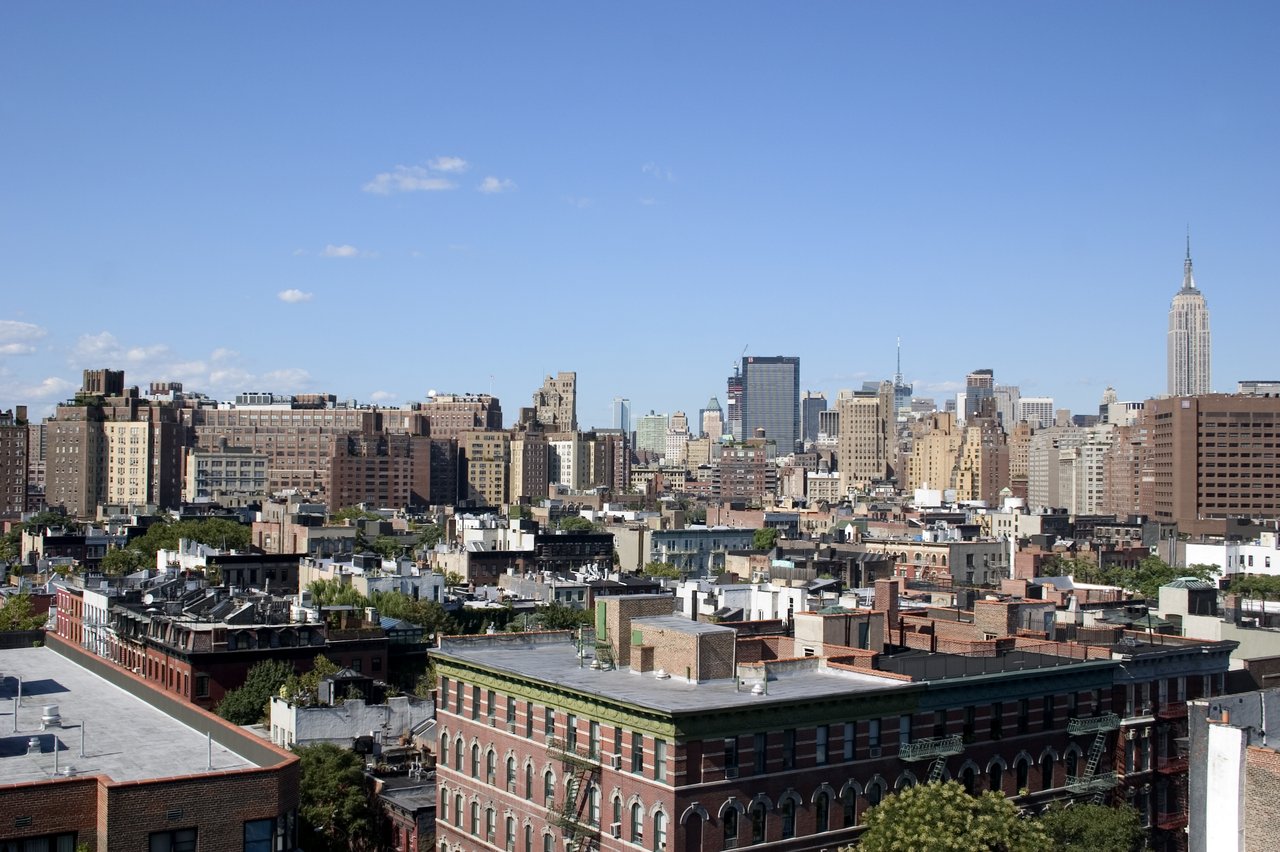
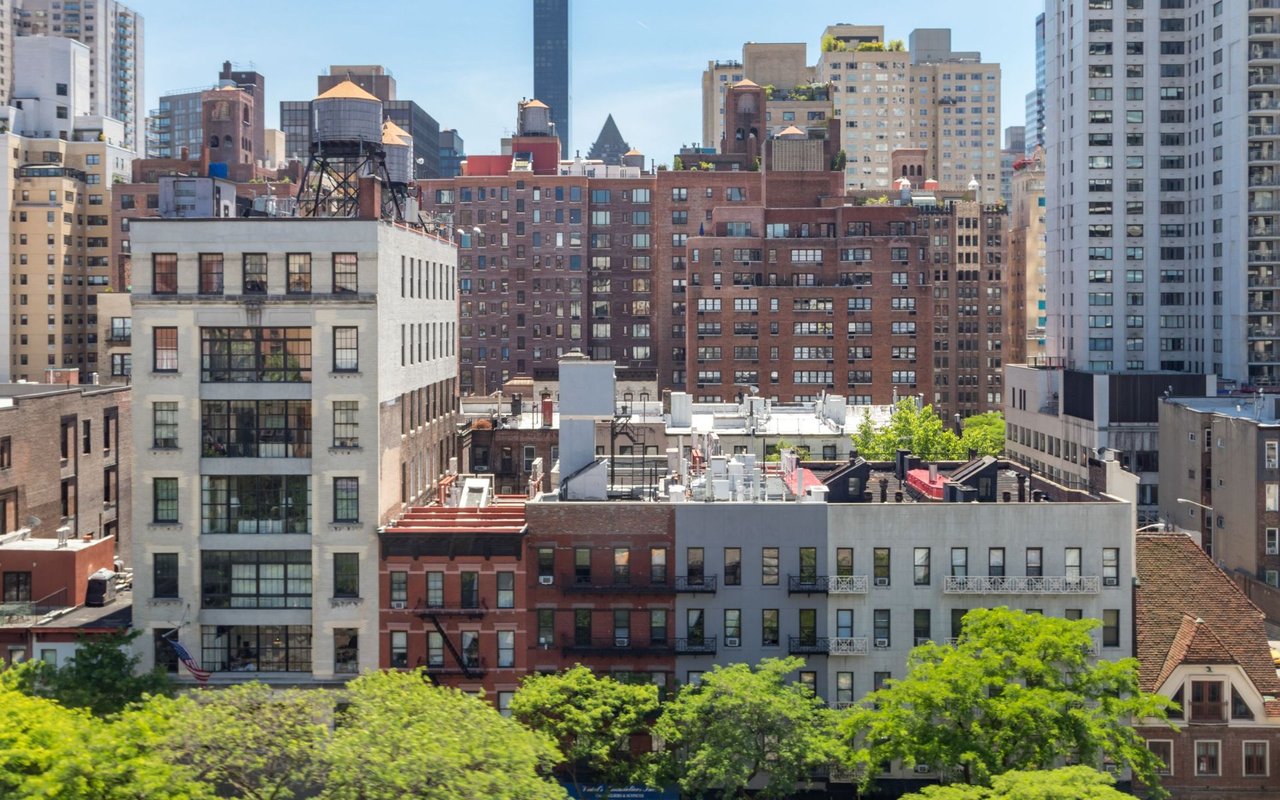
The neighborhood occupies a position on the map that mirrors its character: situated between Midtown's corporate gravity and downtown's creative restlessness, Flatiron borrows from both without belonging entirely to either. It is a neighborhood for people who want substance without pretension.
The Flatiron Building's Next Chapter
The Flatiron Building itself is entering its most significant transformation since Daniel Burnham completed it in 1902. The Brodsky Organization is converting the upper floors into approximately sixty luxury condominiums, preserving the terra-cotta facade and iconic triangular floor plates while reimagining the interiors for residential life. This is not simply another conversion project. It is the adaptation of one of the most photographed buildings on earth into a place where people will actually live.
When a building this recognizable becomes residential, it does not just change the address. It redefines what the neighborhood means.
The significance extends beyond the building itself. The Flatiron conversion signals a broader confidence in the district's residential future and draws a certain kind of buyer: someone who values architectural provenance and wants to own a piece of the city's physical history.
Madison Square Park and Its Orbit
Madison Square Park is the neighborhood's center of gravity. The park functions less like a traditional green space and more like a living room for the surrounding blocks. Shake Shack began here as a seasonal hot dog cart. The public art installations rotate seasonally, drawing foot traffic that feels intentional rather than incidental. Along the park's perimeter, the residential buildings that matter most cluster within a few blocks.
The Conversion Corridor
The stretch of Fifth Avenue and the side streets radiating from the park have produced some of Manhattan's most compelling residential conversions. 212 Fifth Avenue brought pre-war grandeur into a modern condominium framework. 10 Madison Square West occupies a former commercial building with the kind of ceiling heights and window proportions that cannot be replicated in new construction. The Sohmer Piano Building at 170 Fifth Avenue kept its original facade while its interiors were entirely reconceived. 141 Fifth Avenue offers a quieter alternative for buyers who want the location without the flagship scale.
Noble has sold at Madison Square Park Tower, and we know this micro-market well. The appeal is consistent across buyers: they want the park views and the ceiling heights that come with living in a building of genuine architectural weight.
Who Buys in Flatiron?
The buyer profile here skews toward professionals in creative industries and finance who have outgrown their first apartment but have no interest in moving to a glass tower on Billionaires' Row. They want space and light, with proximity to restaurants like Eleven Madison Park and Cosme without the performative luxury of newer developments farther north.
Families are increasingly part of the picture. The area's public schools have improved steadily, and the park provides the kind of daily outdoor access that makes raising children in Manhattan feel less like a compromise. Eataly, just a block from the park, has become a de facto community gathering point that functions as grocery store, restaurant, and neighborhood anchor simultaneously.
The Real Estate Landscape
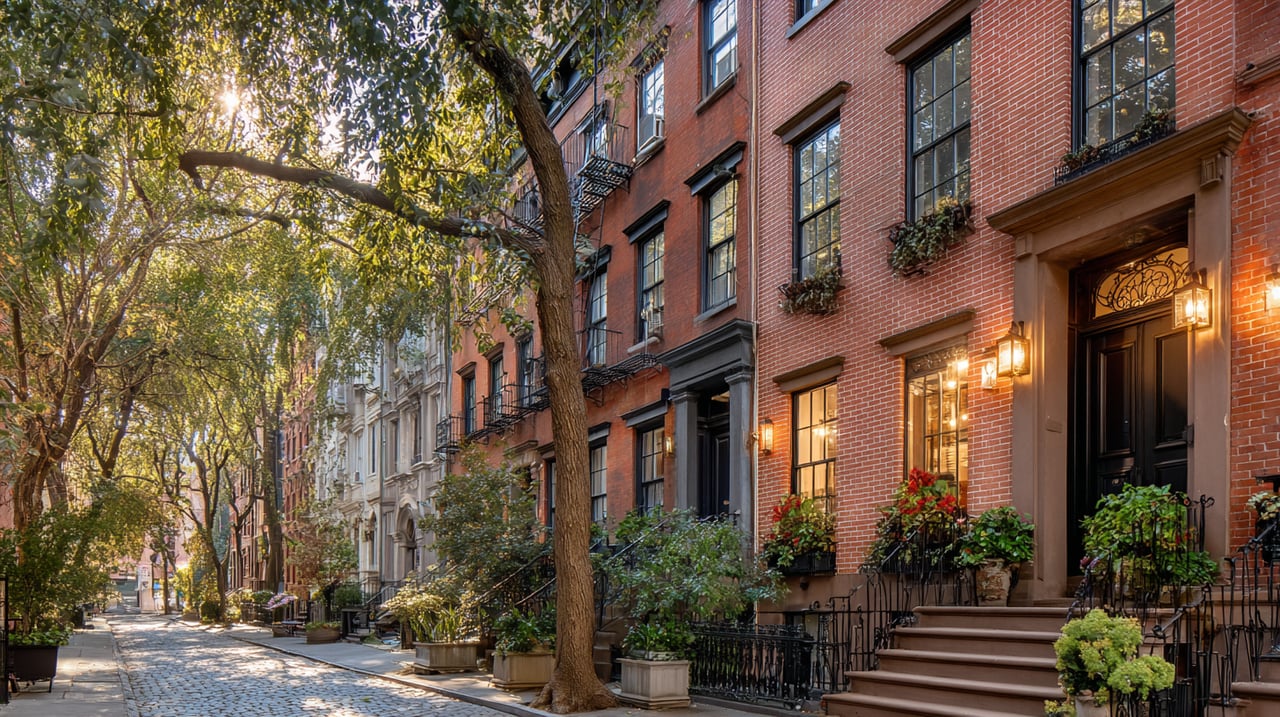
Flatiron's housing stock resists easy categorization. Converted lofts with twelve-foot ceilings sit alongside pre-war co-ops with classic six layouts. New development has arrived selectively, filling gaps without overwhelming the existing architectural fabric. The result is a market that rewards patience and knowledge. Not every building here is obvious, and the best opportunities often come from understanding which conversions were executed with care and which cut corners.
In Flatiron, the most interesting properties are the ones that required the most imagination to create.
Our Perspective
Flatiron is a neighborhood that rewards specificity. The difference between one block and the next can be significant, and the distinction between a thoughtful conversion and a rushed one matters enormously to long-term value. We guide our clients through those distinctions. The Flatiron Building's residential conversion will bring renewed attention to this district, but the buyers who do best here are the ones who understood its appeal before the headlines.