The Architecture of Permanence
The Upper East Side is where New York does not improvise. The limestone and brick facades along Fifth Avenue and Park Avenue were built to communicate stability, and they have done so for the better part of a century. This is the neighborhood where Rosario Candela perfected the art of the luxury apartment, and where the relationship between a building's address and its reputation is understood with a precision that borders on the scientific.
Noble has conducted record-setting transactions on the Upper East Side, including sales at 785 Fifth Avenue and 520 Park Avenue that ranked among the most significant co-op and condominium closings of their respective years. The Carlyle has also been part of that history. This is not a neighborhood we observe from a distance. It is one we know at the level of individual apartments, individual boards, and individual doormen.
Rosario Candela and the Language of Park Avenue
To understand the Upper East Side's residential architecture, you need to understand Rosario Candela. Born in Palermo in 1890, Candela arrived in New York as a teenager and went on to design more than seventy-five apartment buildings in the city, the greatest concentration of which stand along Park Avenue and its cross streets between Sixty-Second and Eighty-Sixth Streets. His buildings at 720 Park Avenue, 740 Park Avenue, and 778 Park Avenue are widely considered his finest work.
Candela was not primarily interested in exteriors. His building facades are deliberately restrained, most of them clad in brick with limestone trim that signals quality without calling attention to itself. The genius was inside. Candela's floor plans are studies in circulation and proportion: curved freestanding staircases that allow arrival to feel like an event, grand entry foyers that separate public rooms from private quarters, parlor-floor living rooms with ceiling heights that accommodate scale without creating coldness. He understood that in a great apartment, the experience of moving from one room to the next should feel as considered as the rooms themselves.
Candela did not design apartments. He designed sequences of rooms that made living in them feel choreographed.
His influence extends beyond the buildings he designed. The standard by which every subsequent Park Avenue apartment has been judged, the proportions and the service infrastructure, was established in Candela's work during the 1920s and 1930s. When buyers today describe what they want in a classic Upper East Side apartment, they are often describing a Candela without knowing it.
What Makes 740 Park Avenue Singular?
Completed in 1930 at the corner of Seventy-First Street, 740 Park Avenue is widely regarded as the most exclusive co-operative apartment building in Manhattan. Candela designed the building with just thirty-one apartments, each occupying a full or half floor. The triplex penthouse, originally built for John D. Rockefeller Jr., encompasses roughly twenty thousand square feet across three levels.
The building's roster of former and current residents reads like a compressed history of American wealth. The Rockefeller family, the Guggenheims, the Vanderbilts, and a succession of financiers and industrialists have occupied its apartments over the decades. The co-op board's selectivity is legendary but not performative. It reflects a genuine institutional commitment to maintaining the character of the building over generations. Units at 740 Park trade rarely and quietly, often without ever appearing on public listing platforms.
Fifth Avenue or Park Avenue?
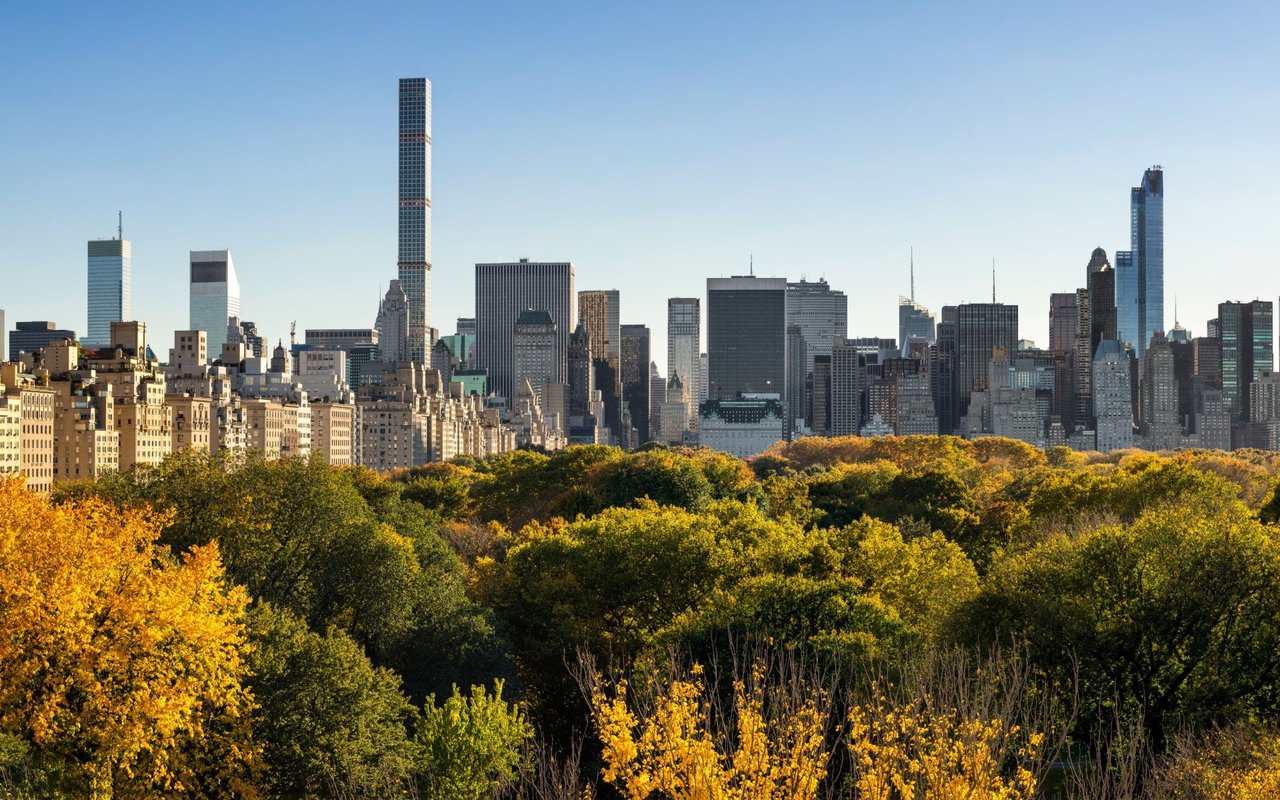
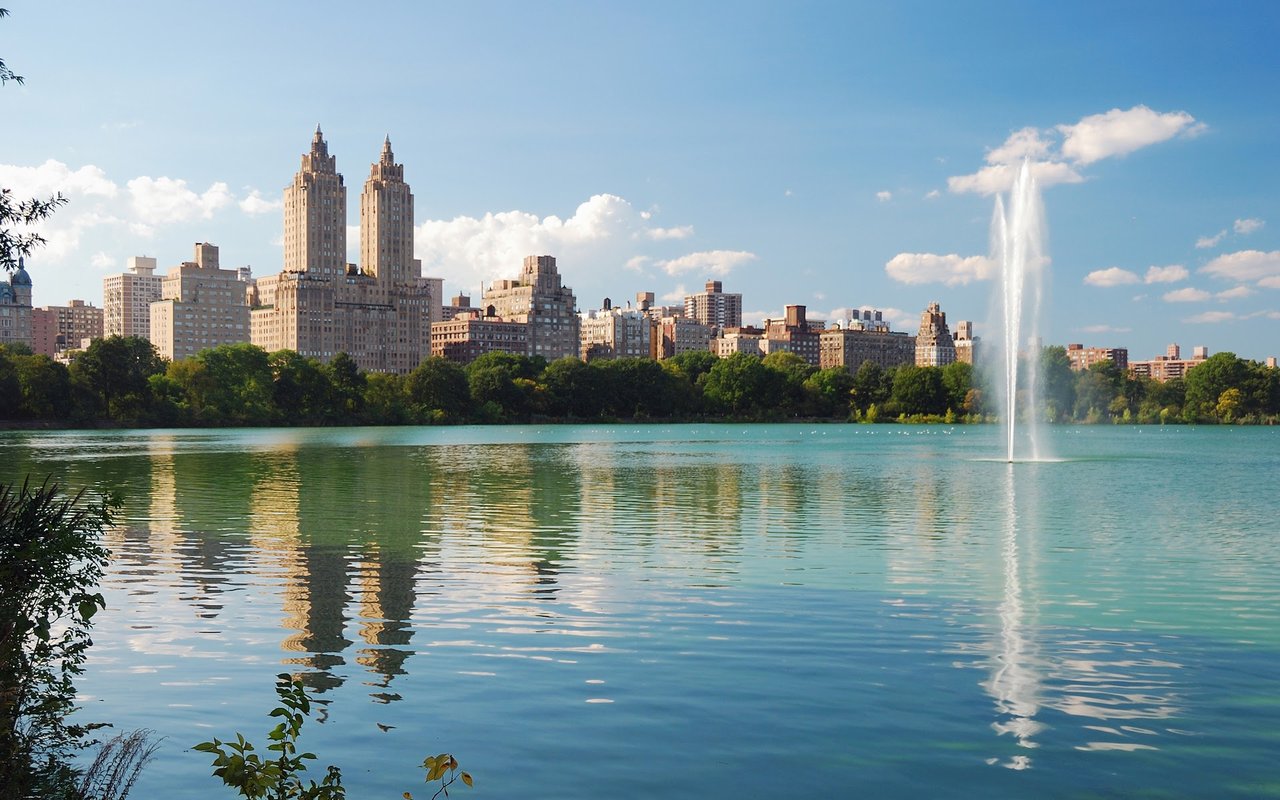
The question sounds simple, but the distinction is real and it shapes every purchasing decision on the Upper East Side. Fifth Avenue runs along the eastern edge of Central Park, offering direct park-facing exposures and unobstructed western light in the upper floors. The buildings here tend to face the park with a formality that is almost ceremonial. Museum Mile, stretching from the Metropolitan Museum of Art at Eighty-Second Street north through the Guggenheim, the Neue Galerie, and up to the Museum of the City of New York, gives Fifth Avenue a cultural infrastructure that no other residential street can match. The Frick Collection, now reopened in its original Gilded Age mansion on Seventieth Street, adds another layer to that corridor.
Park Avenue offers a different proposition entirely. The boulevard is wider, planted with medians that change with the seasons, and lined with canopied entrances that create a rhythm of arrival along the avenue. The experience is more sheltered than Fifth Avenue's exposure to the park. The buildings are set back from the street, and the doorman culture is more pronounced. Where Fifth Avenue presents itself to the park, Park Avenue presents itself to its own residents.
Neither is objectively superior. They attract different sensibilities, and we counsel our clients on which experience matches the way they actually live rather than the way they imagine living.
Carnegie Hill and the Upper Reaches
Above Eighty-Sixth Street, the Upper East Side shifts character. Carnegie Hill, named for Andrew Carnegie's mansion at Ninety-First Street (now the Cooper Hewitt museum), is quieter and more residential than the blocks farther south. The commercial intensity of Madison Avenue diminishes. The side streets between Park and Lexington are lined with townhouses and small apartment buildings that feel more like a neighborhood than an extension of a grand avenue.
The architectural quality in Carnegie Hill is high but less monumental. The buildings tend to be slightly smaller in scale, and the community identity is more cohesive. For buyers who want an Upper East Side address without the full weight of the Park Avenue corridor, Carnegie Hill offers a compelling alternative. The proximity to the reservoir's running track in Central Park and to the museums along Fifth Avenue provides daily amenities without the foot traffic that accompanies the blocks around the Met.
Madison Avenue: The Commercial Spine
Madison Avenue between Sixtieth and Eightieth Streets operates as the Upper East Side's retail and dining corridor. The luxury brands are here, but so are the independent galleries, the small French restaurants with twelve tables, and the specialty food shops that serve the surrounding residential blocks. Unlike Fifth Avenue's retail, which caters to tourists as much as to residents, Madison Avenue still feels like a neighborhood street that happens to carry extraordinary inventory.
The townhouse market east of Madison, particularly in the blocks between Park and Lexington Avenues in the East Sixties and Seventies, represents one of the most supply-constrained segments on the Upper East Side. These townhouses, many of them originally built as single-family residences in the late nineteenth century, offer a scale of private living that apartment buildings cannot replicate. The rear gardens, the multiple floors of entertaining space, and the autonomy of owning an entire building attract buyers for whom privacy is a primary consideration.
How the Upper East Side Differs from the Upper West Side
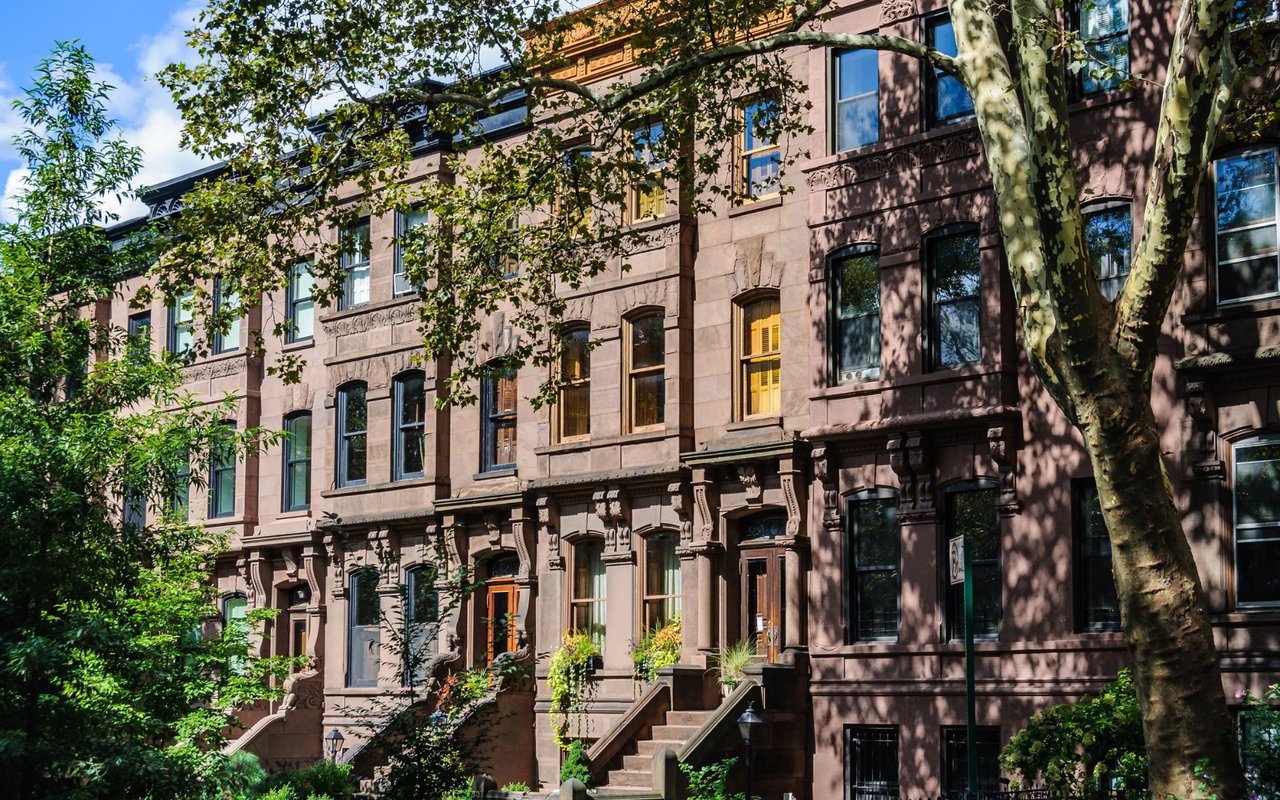
The comparison is unavoidable, and the differences go deeper than geography. The Upper East Side's architecture is more formal: limestone facades rather than brownstone, Beaux-Arts ornamentation rather than Romanesque Revival. The co-op boards here tend to operate with a formality that reflects the buildings themselves. The social orientation is different as well. Where the Upper West Side organizes around Lincoln Center and the intellectual life of the performing arts, the Upper East Side orients toward the visual arts, the private clubs on Park and Fifth, and a dining culture that operates at a different register.
Neither neighborhood is inherently superior. They reflect different values about how urban life should feel. We work across both and understand the buyers who choose each.
Our Perspective
The Upper East Side rewards advisors who understand that not all Park Avenue buildings are created equal, that the difference between a Candela layout and a competent imitation matters enormously at resale, and that the co-op board process here requires preparation that begins long before the application is submitted. Noble's record-setting transactions on the Upper East Side reflect a depth of knowledge built over years of working in these specific buildings. We do not treat the Upper East Side as a category. We treat each building and each exposure as its own market, because that is how the most informed buyers and sellers here already think.