Why Live in Westhampton?
What is the difference between Westhampton and Westhampton Beach?
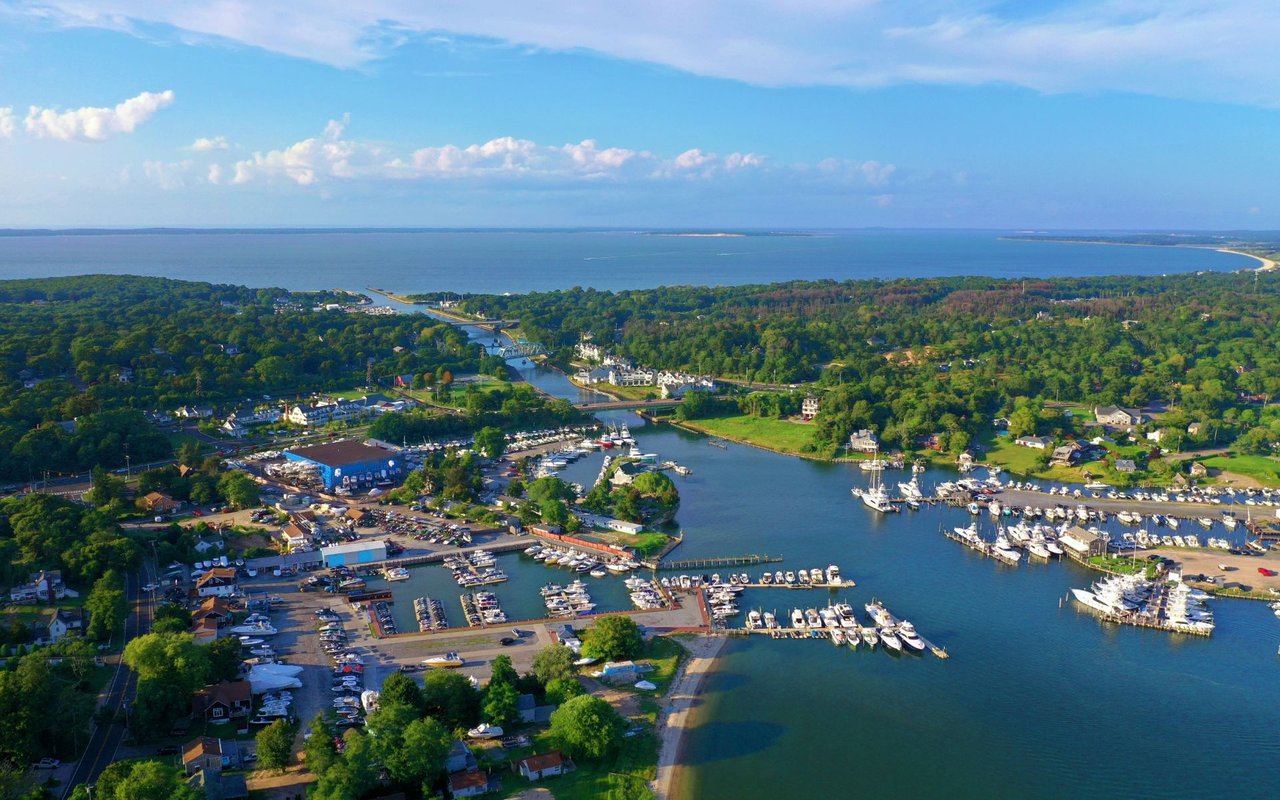
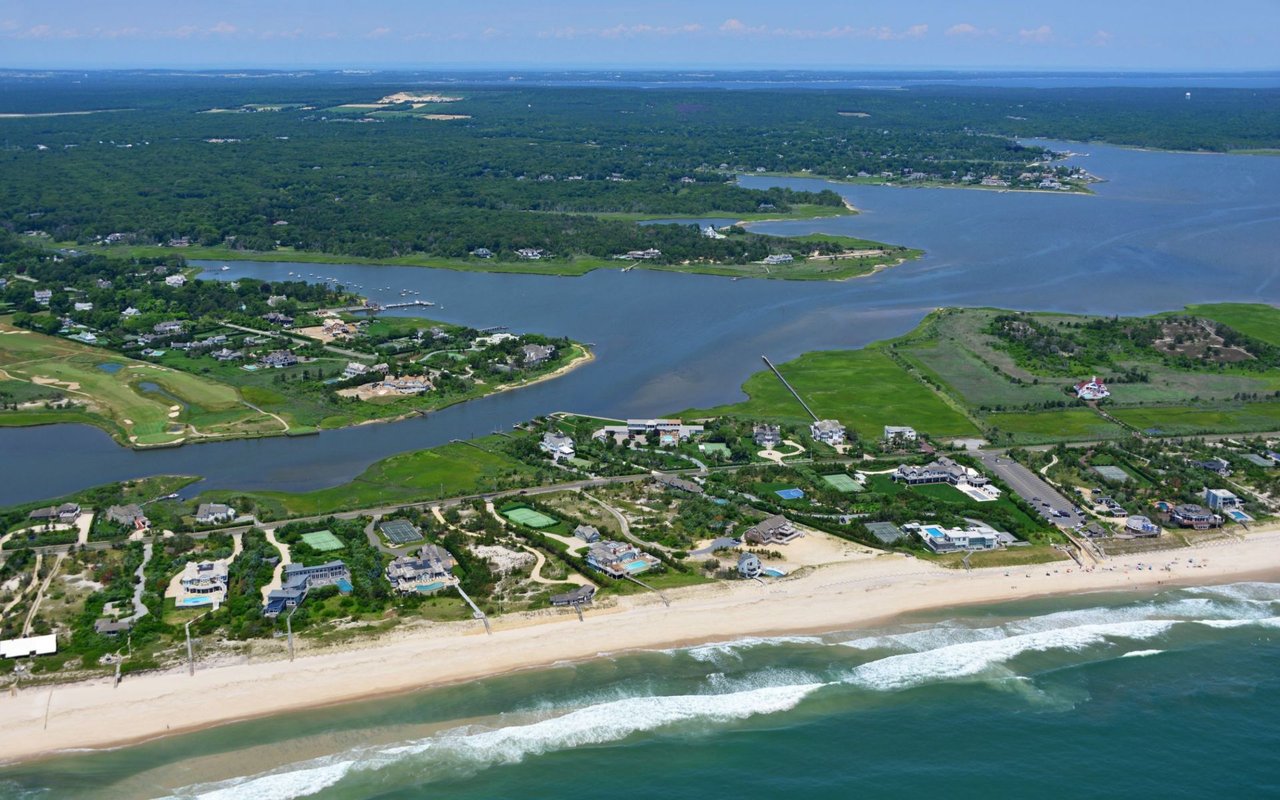
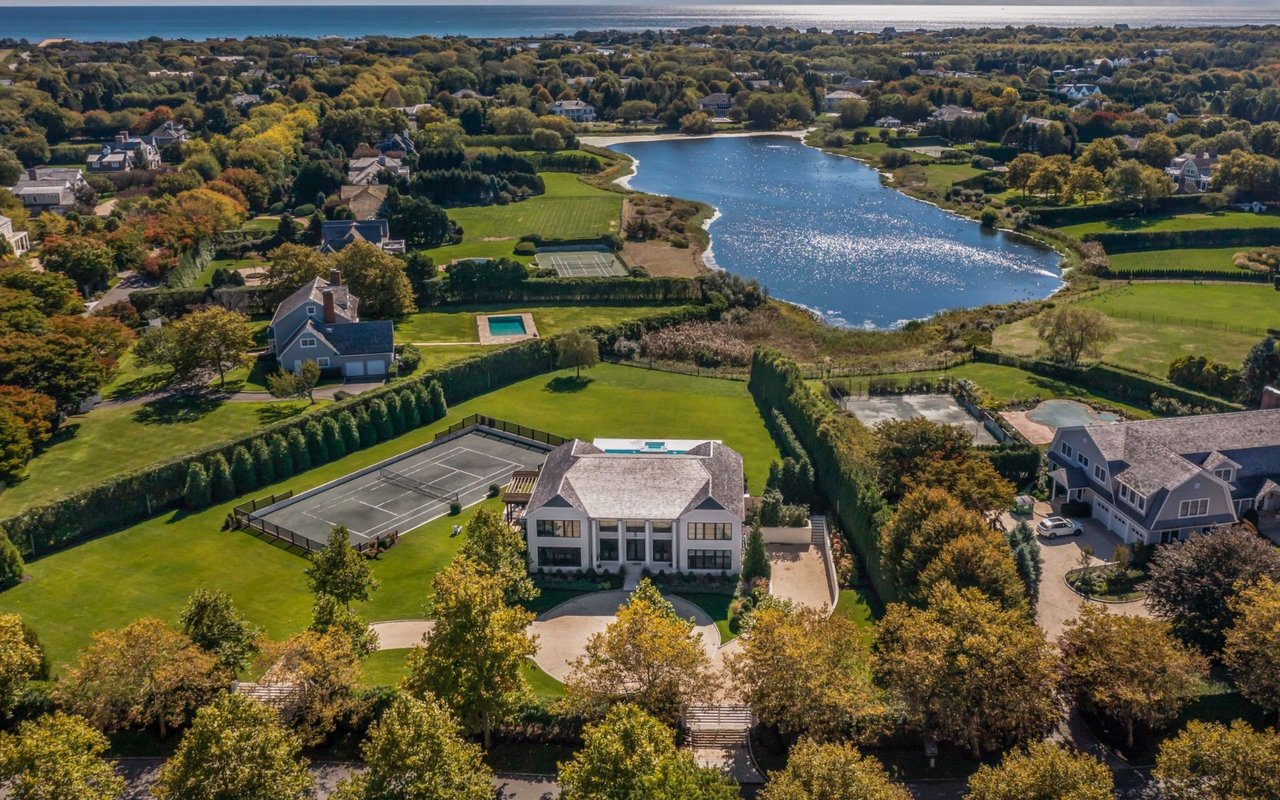
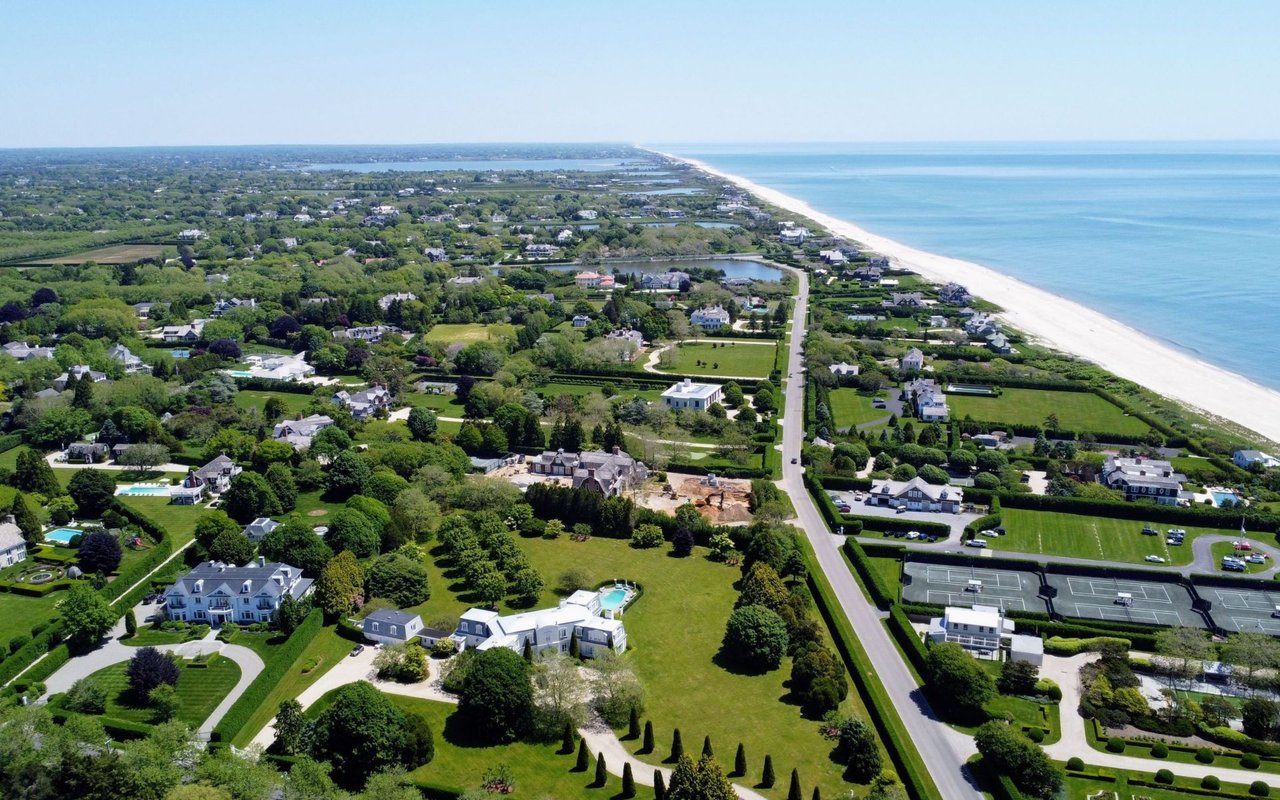
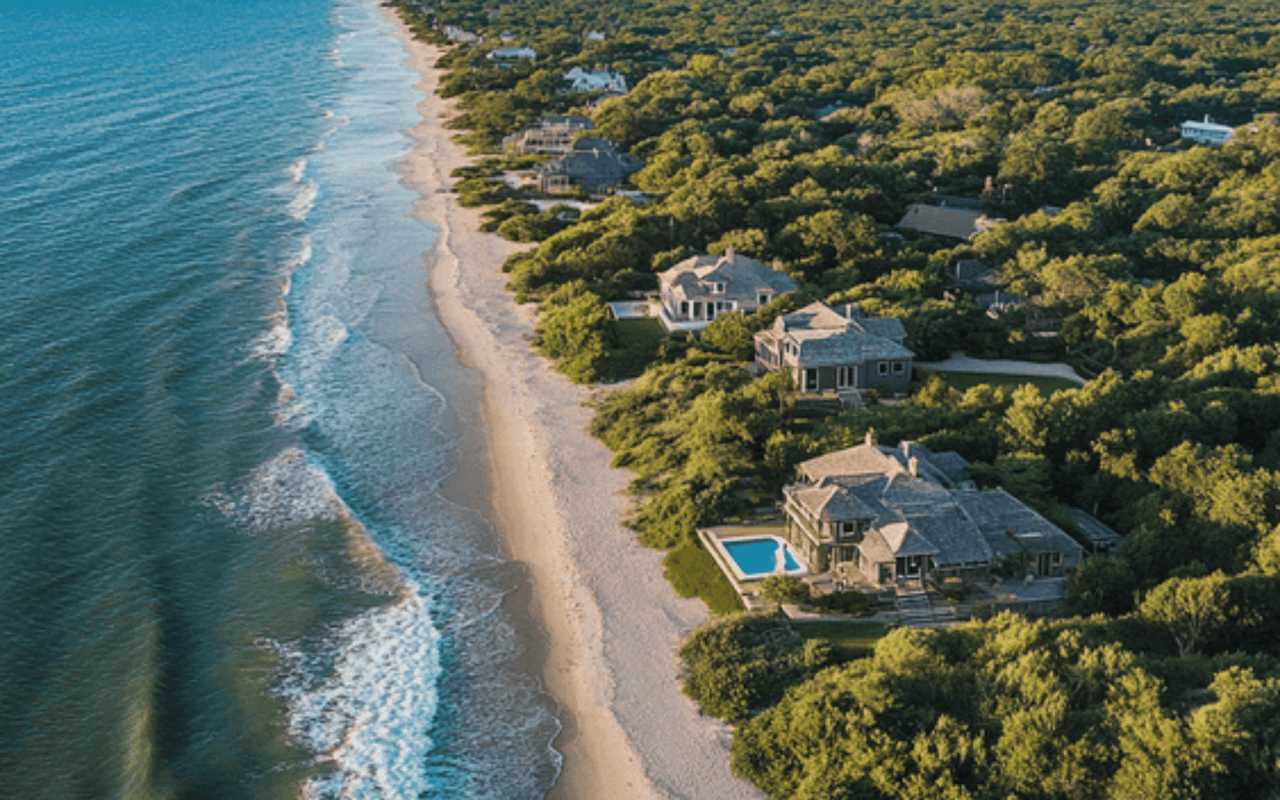
Westhampton is not Westhampton Beach, and the distinction matters more than the shared name suggests. Where Westhampton Beach is a walkable village with a Main Street and a performing arts center, the broader Westhampton hamlet is defined by its residential character -- larger lots, quieter roads, and a relationship with Moriches Bay that orients daily life toward the water rather than the sidewalk. The hamlet sprawls north and east of the village, stretching along the bay and inland through a landscape of subdivisions and established estates that range from mid-century ranches to shingled waterfront compounds.
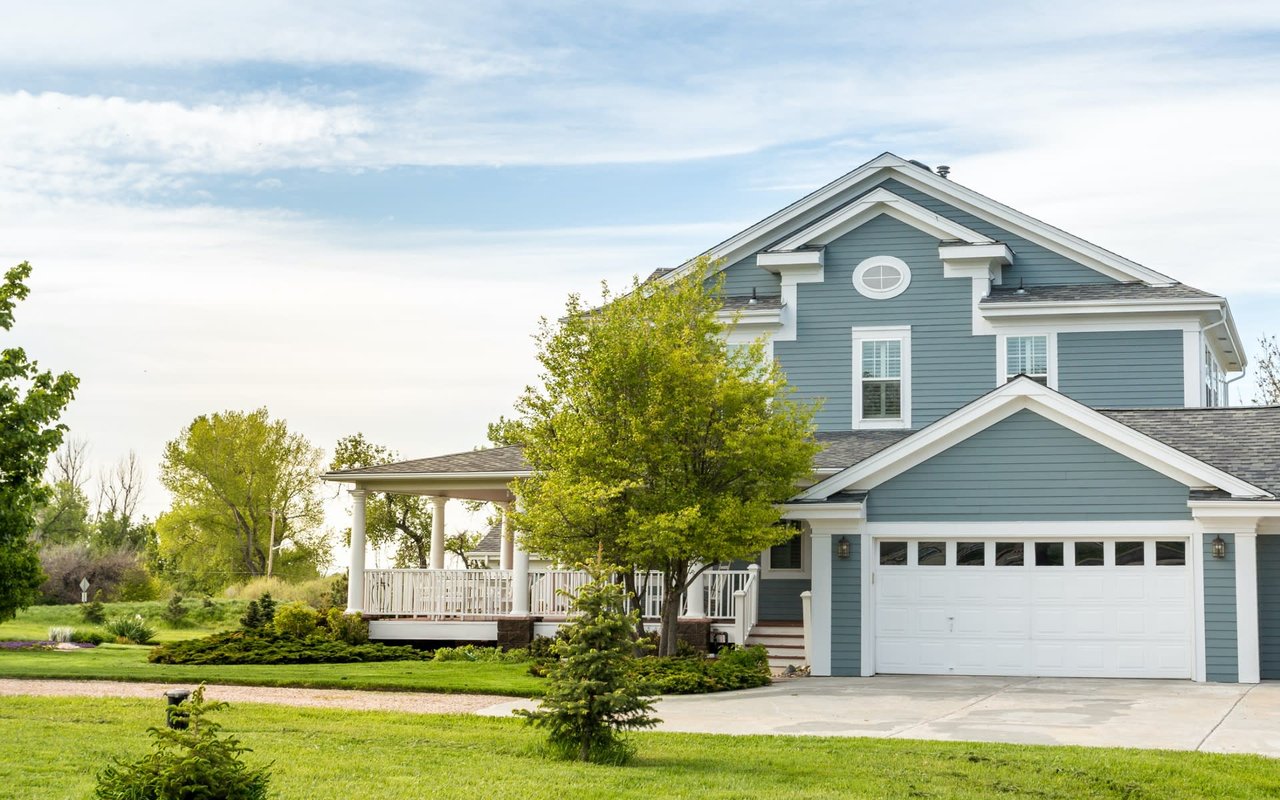
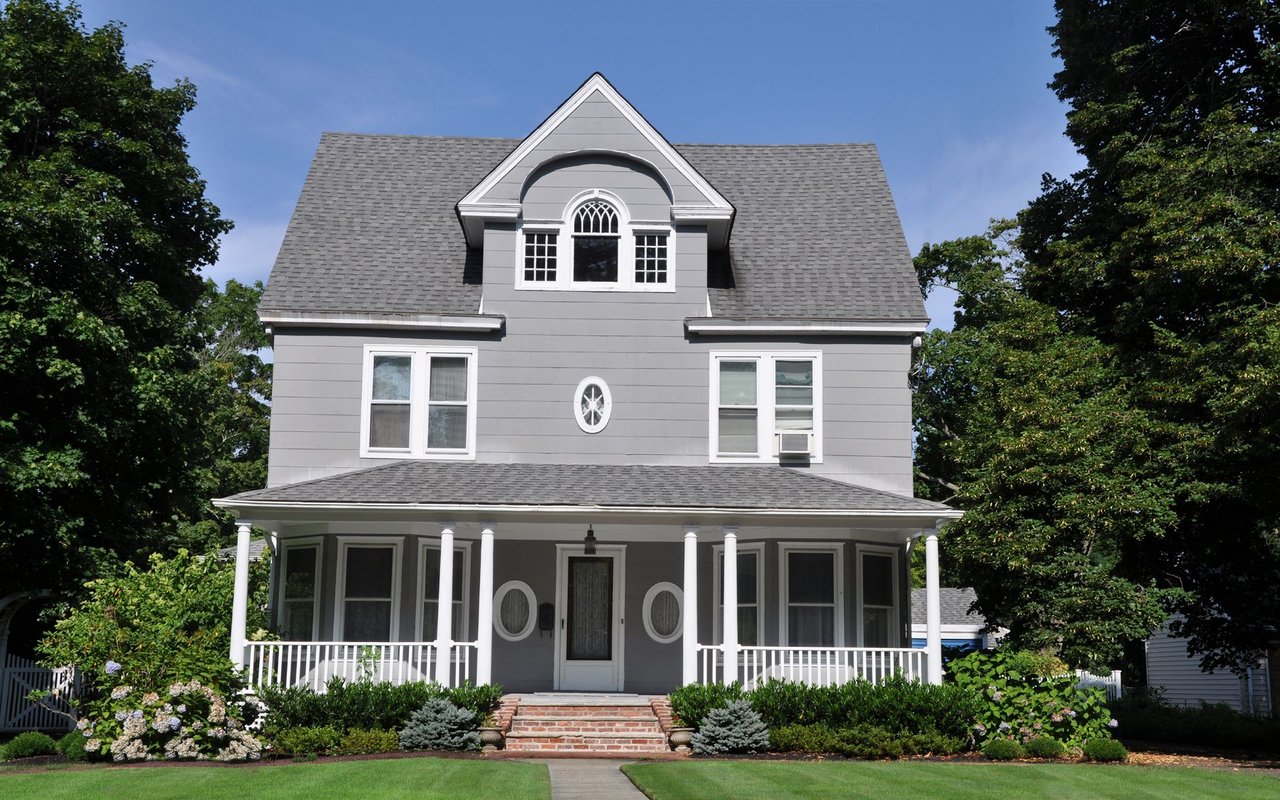
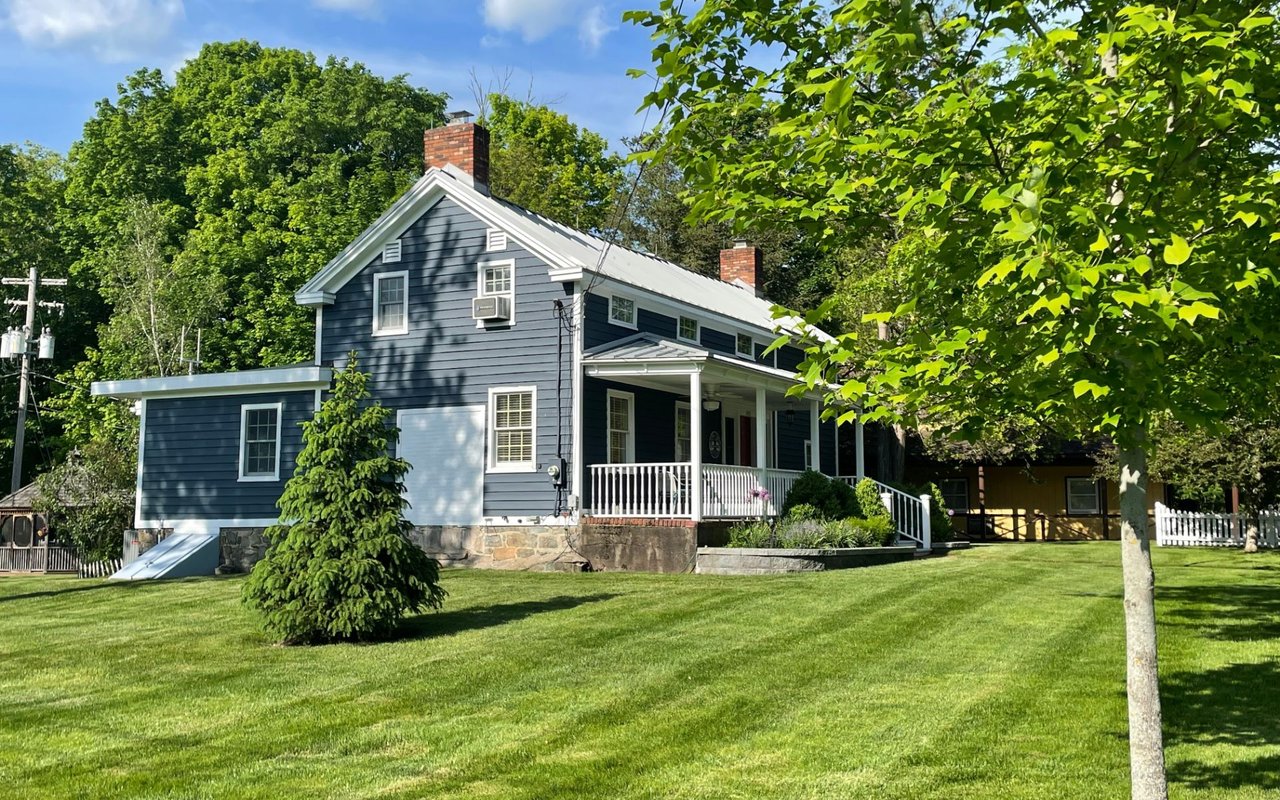
The house styles here are more eclectic than in the villages to the east. Westhampton never developed the rigid architectural vocabulary of a Quogue or a Southampton. Ranches sit alongside post-modern builds and traditional estates, and the result is a residential landscape that reflects individual preference rather than communal convention. For buyers who want the South Fork's natural setting without the social architecture of the more established villages, that informality is precisely the appeal.
What Does Moriches Bay Offer?
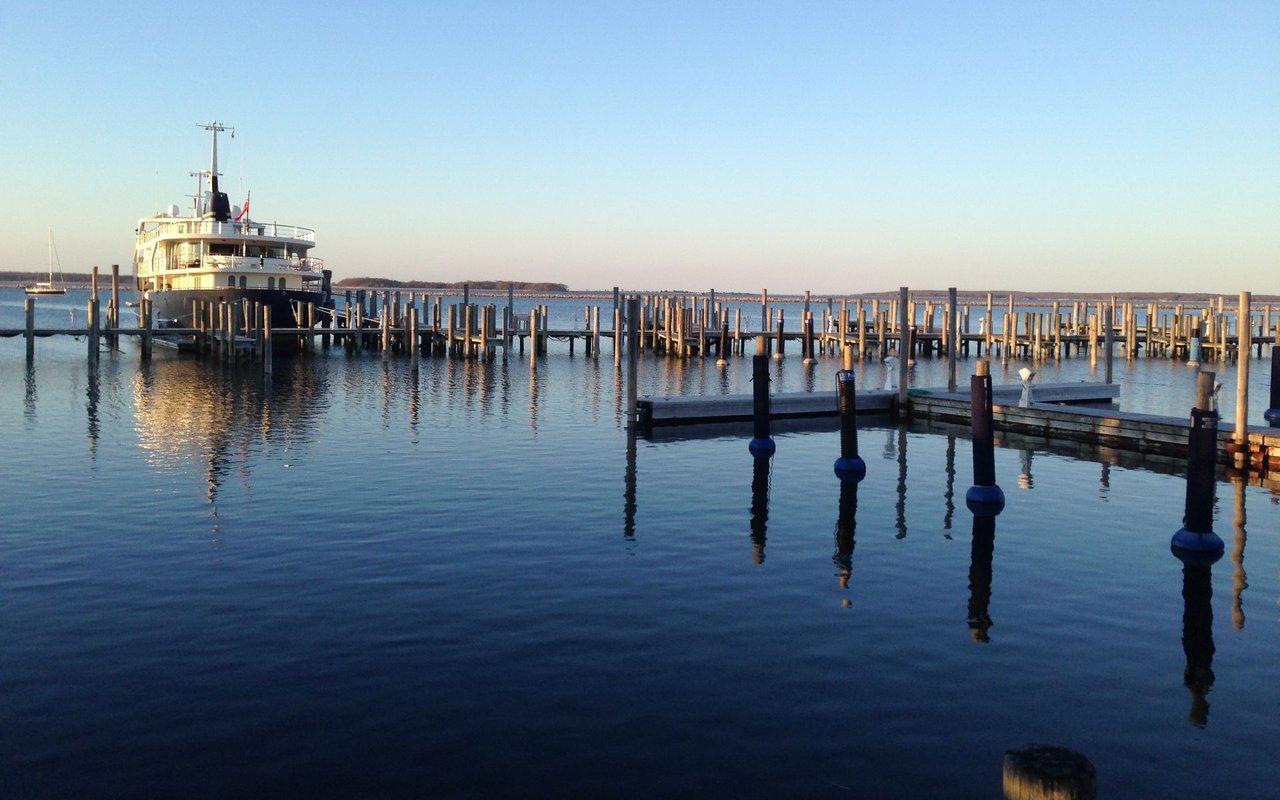
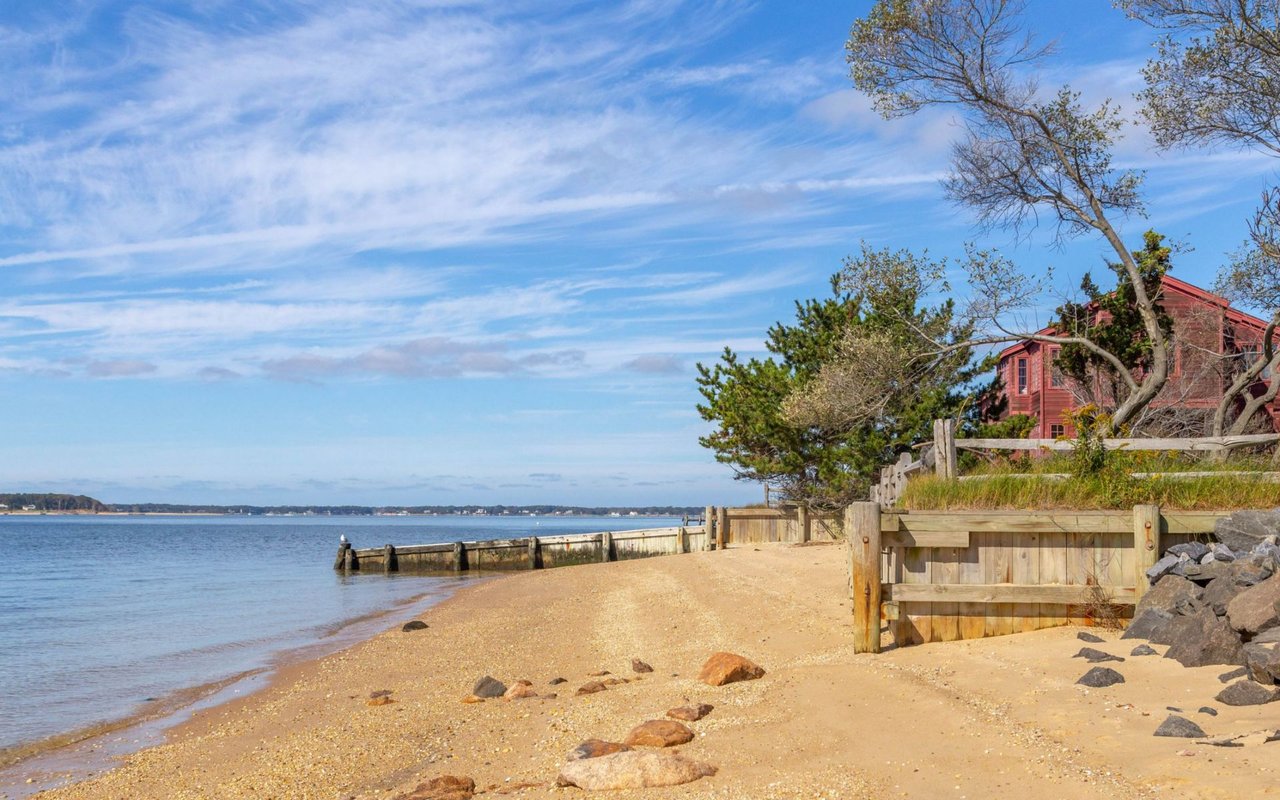
Moriches Bay is the geographic fact that shapes Westhampton's residential market. The bay is shallower and more protected than Shinnecock Bay to the east, which makes it ideal for recreational boating and kayaking. Properties along the bayfront -- particularly in the Quiogue section, where Quantuck Creek provides deep-water dock access -- carry premiums that reflect the practical value of being on the water rather than merely near it.
The western-facing exposures along Moriches Bay catch the afternoon and evening light in a way that the ocean side does not. Sunsets over the bay are a genuine daily event here, and the homes that are positioned to take advantage of that orientation tend to hold their value accordingly. It is a quieter relationship with the water than what the oceanfront provides -- less dramatic, but for many buyers, more livable on a daily basis.
"Sunsets over Moriches Bay are a genuine daily event here. It is a quieter relationship with the water than the oceanfront provides -- less dramatic, but more livable."
What is the History of Westhampton?
Westhampton's visible identity is residential and unassuming, but the hamlet carries a history that most visitors never encounter. Just north of Old Country Road, the United States Air Force operated a Cold War missile installation from 1959 until it was decommissioned in 1964. The facility was one of ten BOMARC sites on the east coast, built to defend New York City against Soviet bombers. The base is gone, but the land it occupied is a reminder that Westhampton played a role in the national defense infrastructure that few other Hamptons communities can claim.
Francis S. Gabreski Airport, just north of Westhampton Beach, continues that military connection as the home of the New York Air National Guard's 106th Rescue Wing. The airport also serves as the South Fork's primary general aviation facility -- a practical consideration for buyers who travel by private aircraft and want proximity to the East End without the drive from Republic or MacArthur airports farther west.
Who Buys in Westhampton?
The Westhampton buyer has typically visited Westhampton Beach and decided they want more separation from the village's energy. They value the yard over the sidewalk and the bay over the ocean. The hamlet's proximity to Westhampton Beach means that Main Street's restaurants and shops are minutes away by car, but the daily experience of living in the broader hamlet is defined by residential quiet. Listings here tend to move at a different tempo than in the village -- fewer transactions per year, longer hold periods, and a buyer profile that skews toward long-term ownership rather than seasonal turnover.
Our Perspective
Westhampton is best understood in relation to its surroundings -- the village energy of Westhampton Beach to the south, the protected bay to the north, and the broader South Fork market to the east. We work with buyers who have identified the hamlet's particular combination of bay access and residential scale as their priority. The market here is less visible than in the named villages, which means that local knowledge and off-market relationships carry more weight than in more active markets. That is the kind of advisory work our team does well.