Why Live in Amagansett?
The Hamlet That Keeps Its Voice Down
Amagansett sits between East Hampton Village and Montauk, and it has made a quiet art of being neither. The name comes from the Montaukett Indian word meaning "place of good water," and the hamlet has maintained a character consistent with that origin -- unpretentious and rooted in the land, skeptical of the kind of development that transformed its neighbors. Money arrives here and deliberately lowers its volume. The houses are substantial but rarely ostentatious, and the social culture tilts toward understatement in a way that distinguishes Amagansett from almost everywhere else on the East End.
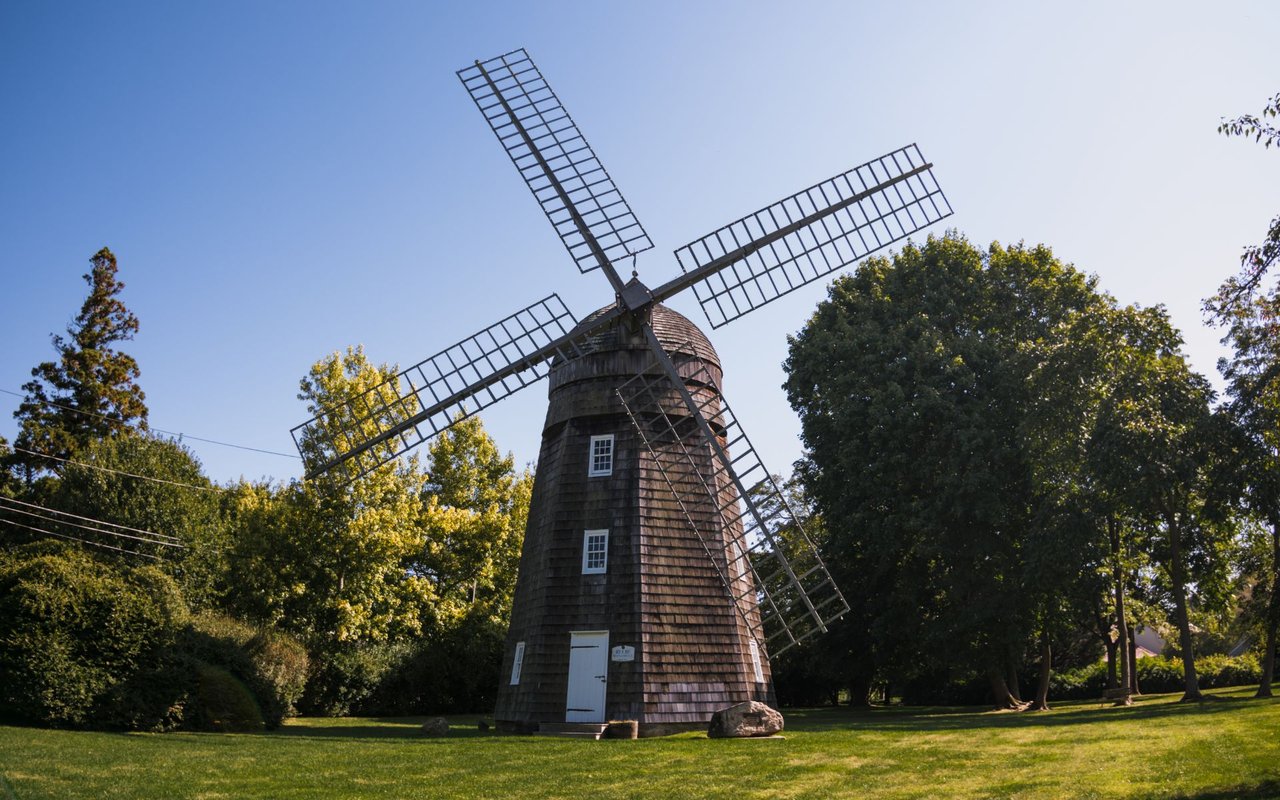
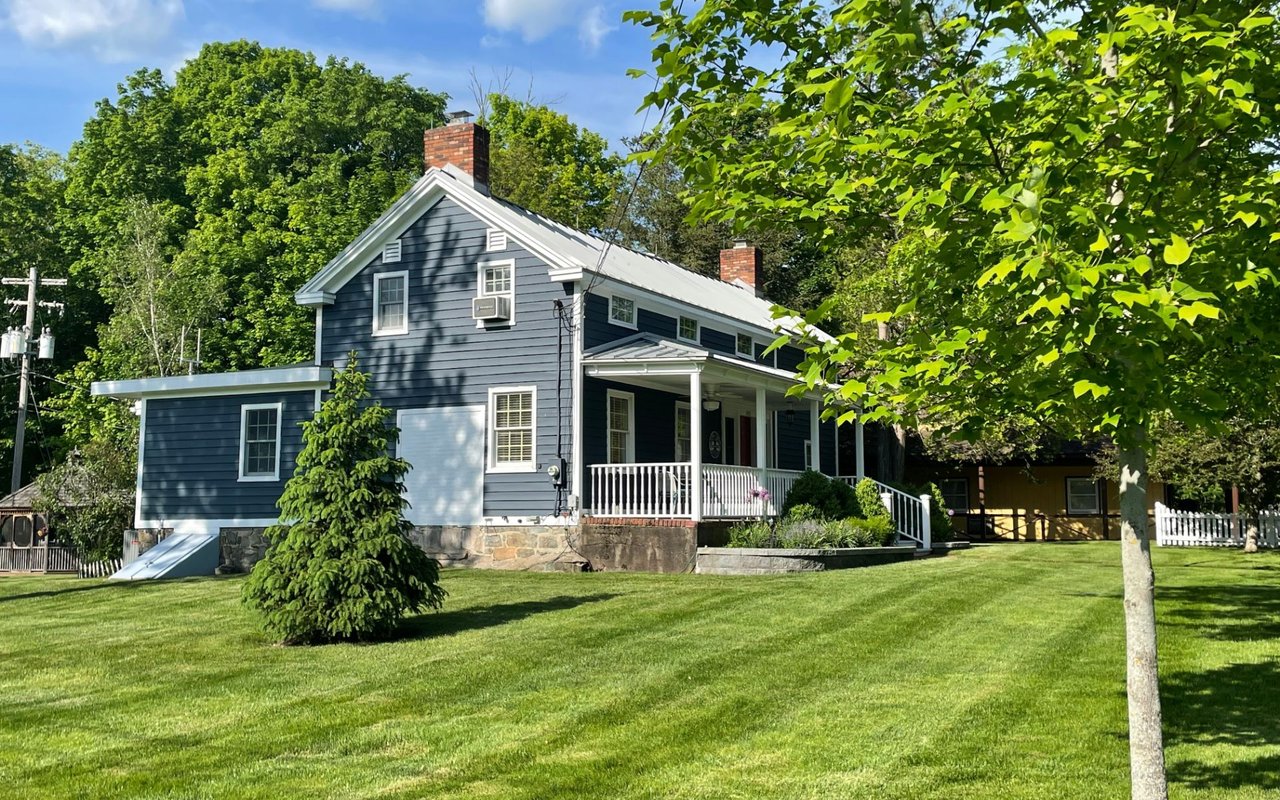
Miss Amelia's Cottage, dating to 1725, still stands as a marker of how long this community has existed in roughly the same register. Amagansett has not reinvented itself. It has simply continued, absorbing new arrivals without letting them alter the fundamental character of the place.
Devon Colony
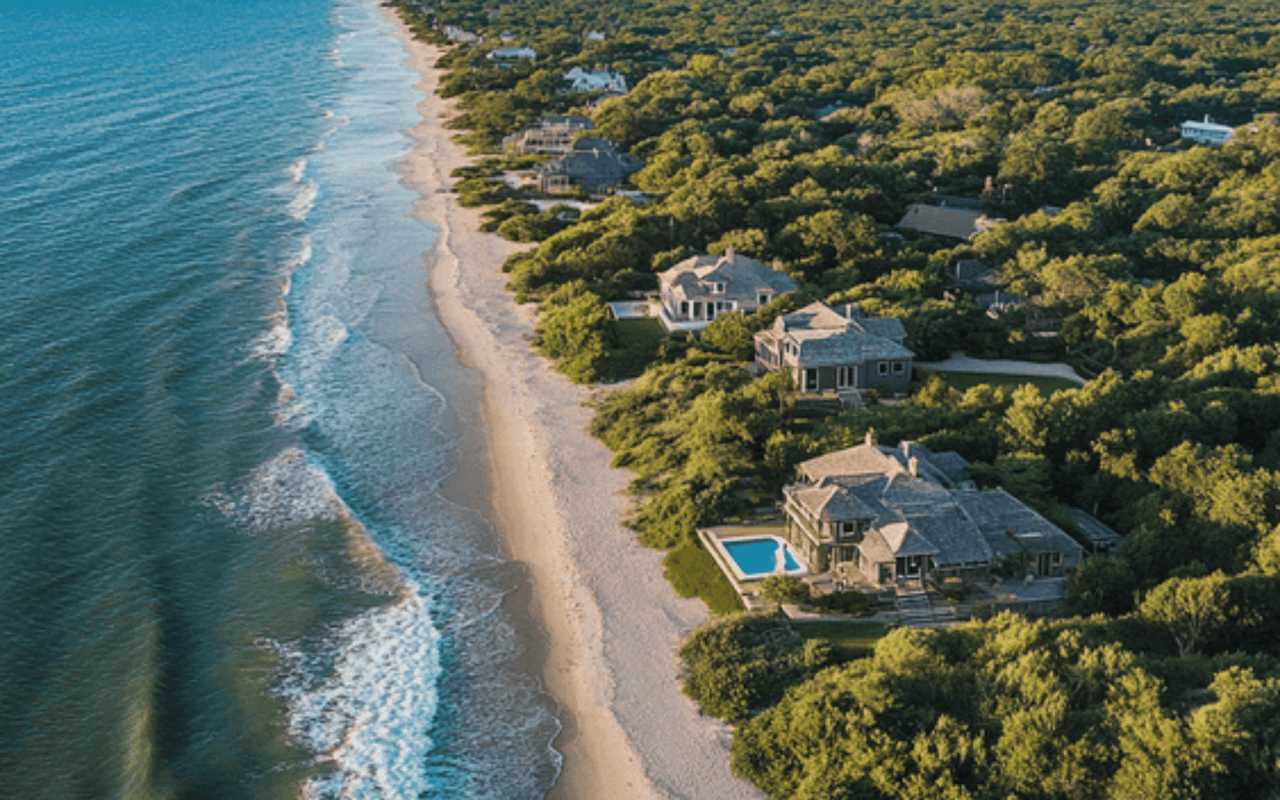
In 1908, four Cincinnati businessmen -- William Cooper Procter of Procter & Gamble, Richmond Levering, Joseph Rawson Jr., and William Stanhope Rowe -- purchased roughly one thousand acres of the Amagansett Highlands, a stretch of elevated terrain sitting ninety feet above sea level. Between 1909 and 1910, they built a private enclave of Italianate villas and shingle-style homes, designed by Cincinnati architects Tietig and Lee. Devon Colony was never intended as a resort. It was a private retreat for a small group of industrialists who wanted ocean views and absolute seclusion.
The colony's architecture and its elevated position give it a character that is distinct from anywhere else in the Hamptons. The homes sit above the surrounding landscape, with sightlines that extend across the Atlantic. Devon Colony remains one of the most private residential settings on the East End, and its inventory trades with the kind of infrequency that reflects genuine attachment rather than speculative ownership.
"Devon Colony was never intended as a resort. It was a private retreat for a small group of industrialists who wanted ocean views and absolute seclusion."
The Dunes and the Beaches
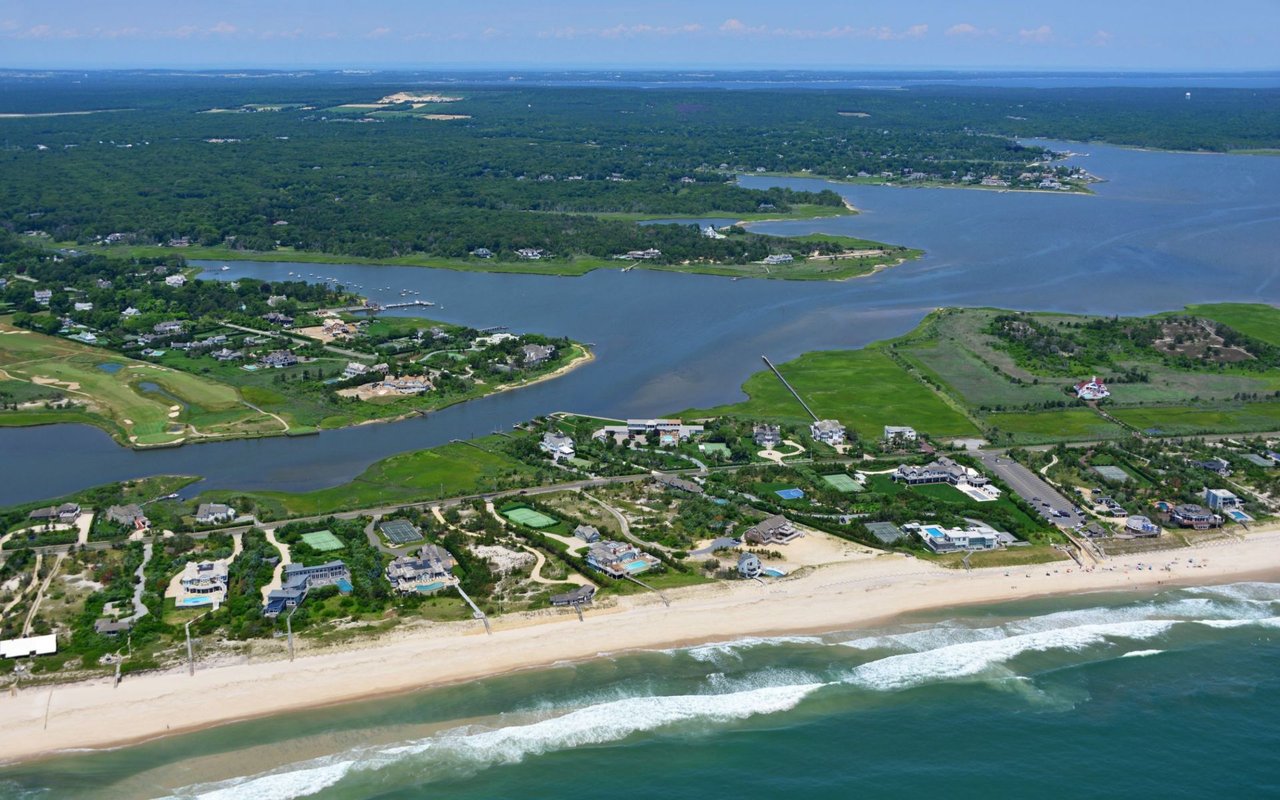
Amagansett Dunes is a neighborhood unto itself -- shingle-style cottages built close together with a shared boardwalk leading to the beach. The scale is intimate, almost communal, with a feel closer to a New England fishing village than to the estate sections farther west. The architecture is deliberately modest, and the proximity between houses creates a neighborliness that the hedged estates of Southampton or East Hampton would never permit.
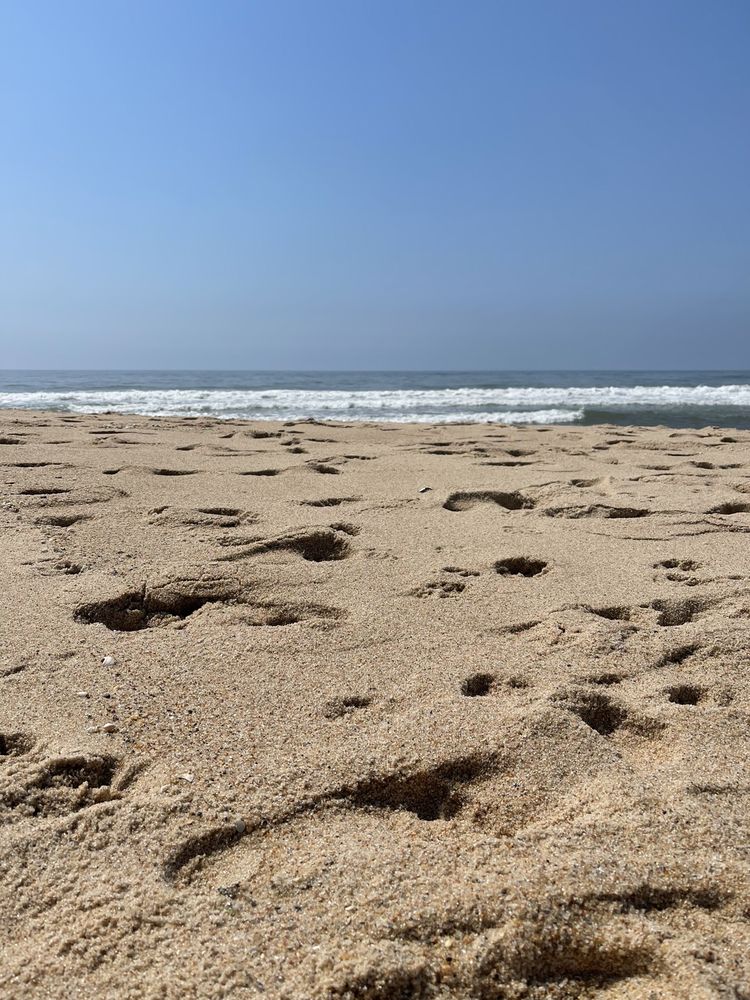
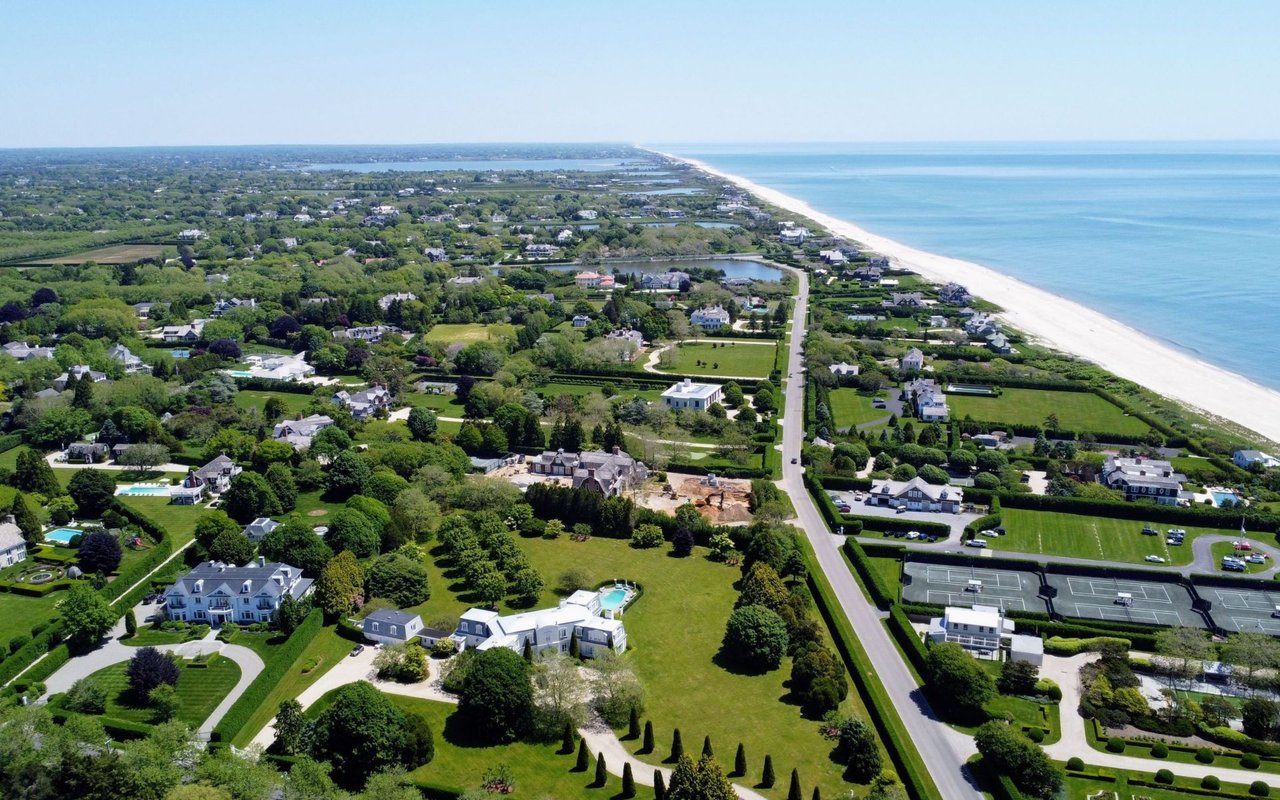
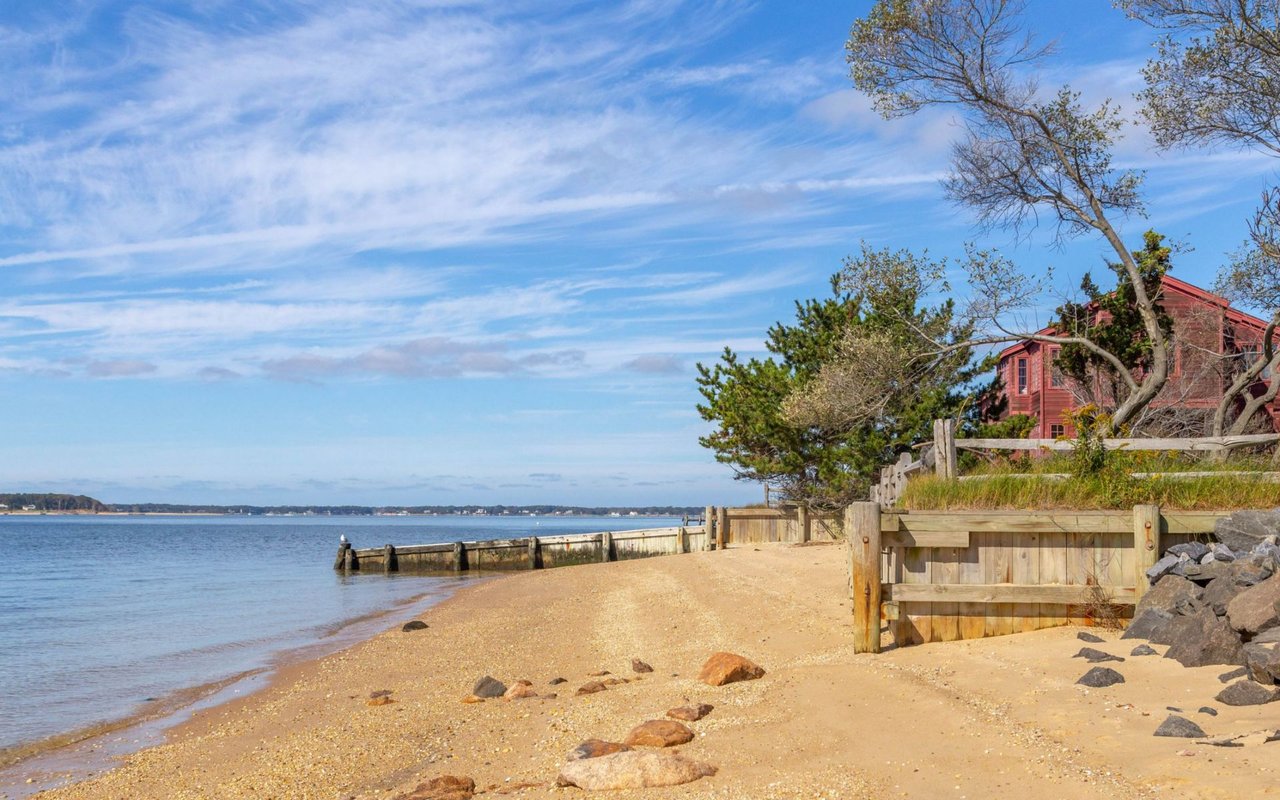
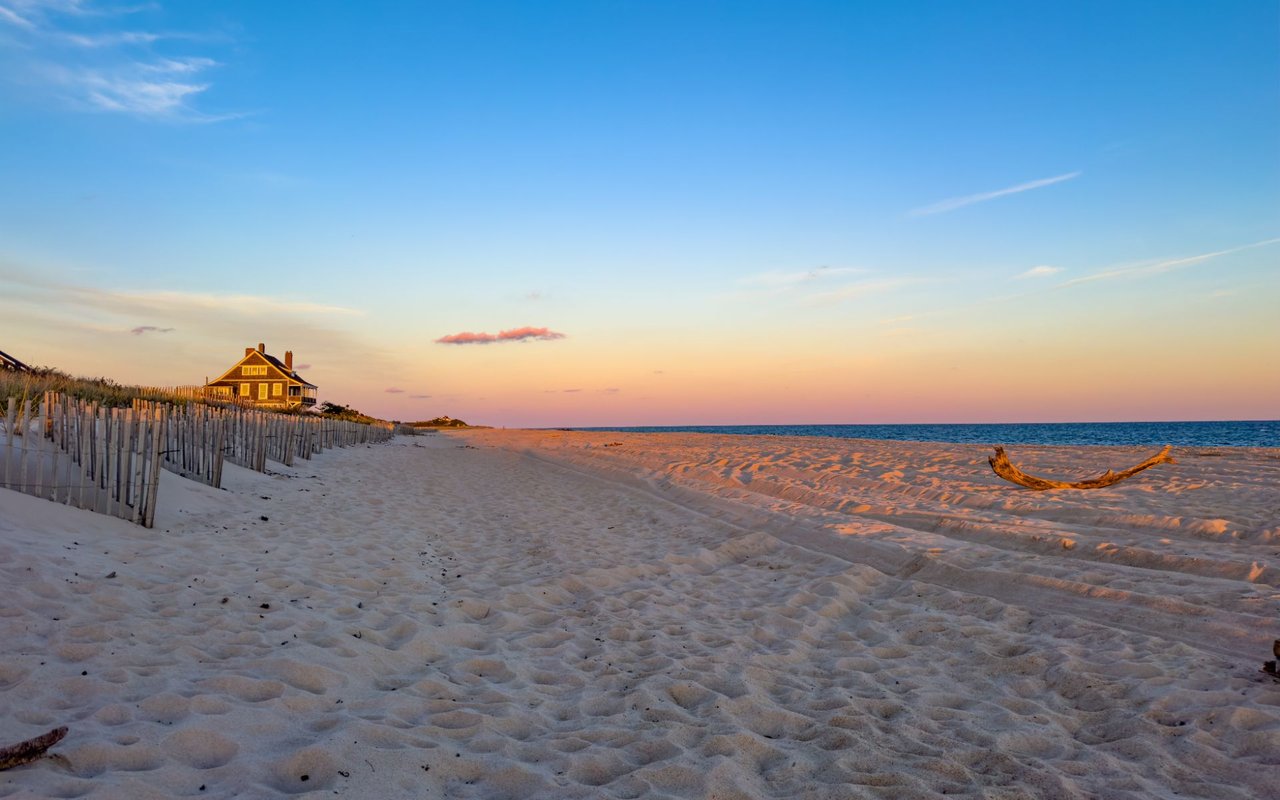
Indian Wells Beach draws its own following. Known locally as "Asparagus Beach" during the 1970s, it has evolved into one of the more popular public beaches on the South Fork. The beach is wide and less crowded than its counterparts in East Hampton, and for residents of the Dunes, the walk is measured in minutes rather than miles.
A Main Street Without Performance
Amagansett's Main Street operates at a scale that resists the boutique-and-gallery formula of the larger villages. Farm stands sit alongside local shops, and the commercial activity feels organic rather than curated. This is not a village center designed to attract foot traffic from neighboring towns. It serves the people who live here, and that self-sufficiency is part of what makes Amagansett appealing to buyers who have grown weary of the performative aspects of Hamptons life.
Our Perspective
Amagansett appeals to buyers who know the East End well enough to value restraint. The hamlet does not compete with East Hampton for cultural prestige or with Montauk for rugged authenticity. It occupies its own position -- quieter than either, more deliberate in its refusal to become something it is not. We work with clients who have identified Amagansett as their preference after considering the alternatives, and we bring the local knowledge necessary to navigate a market where the best properties often circulate through private channels before reaching public view.