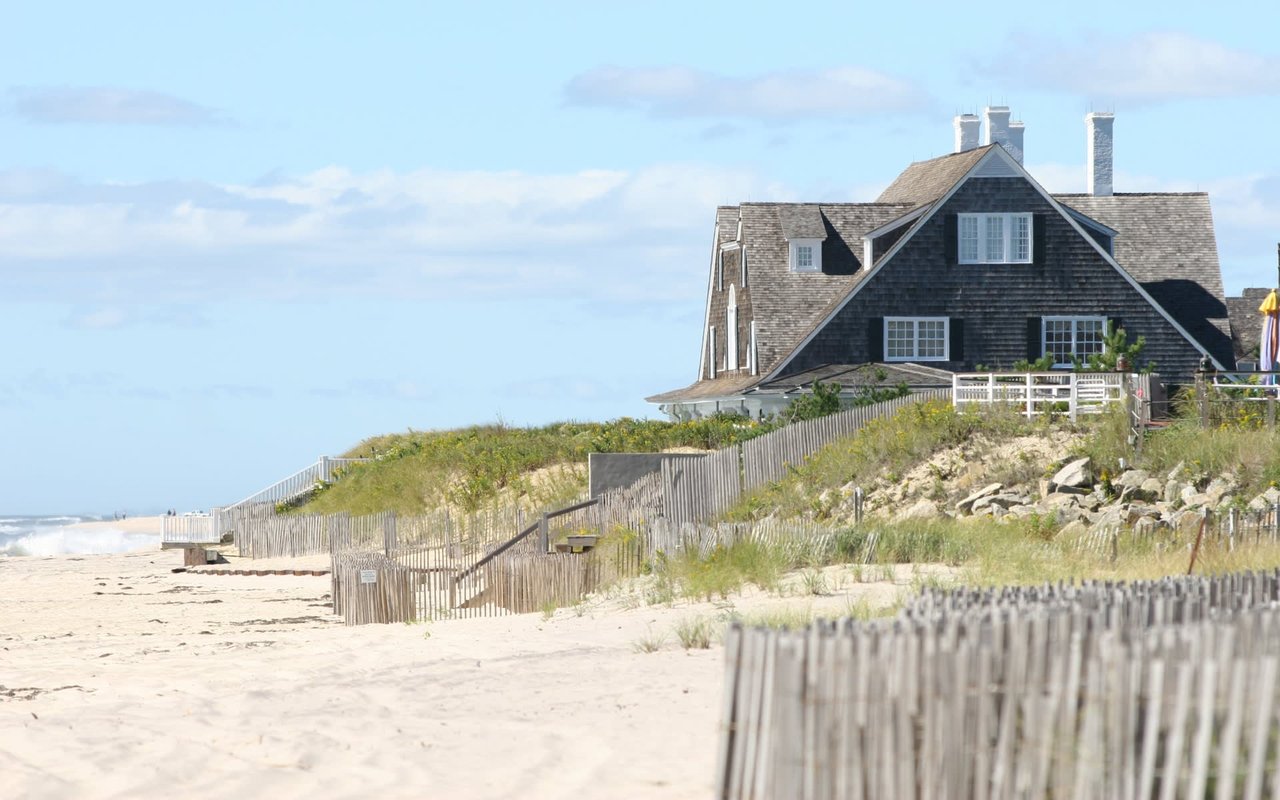
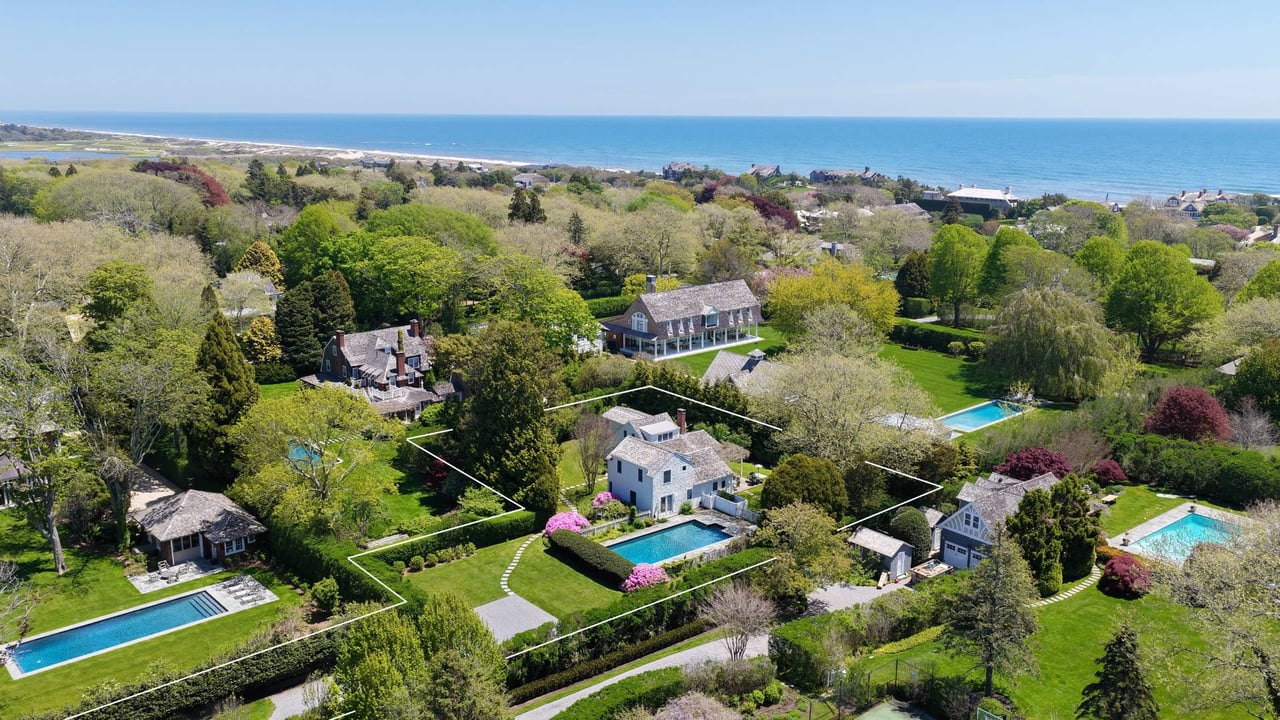
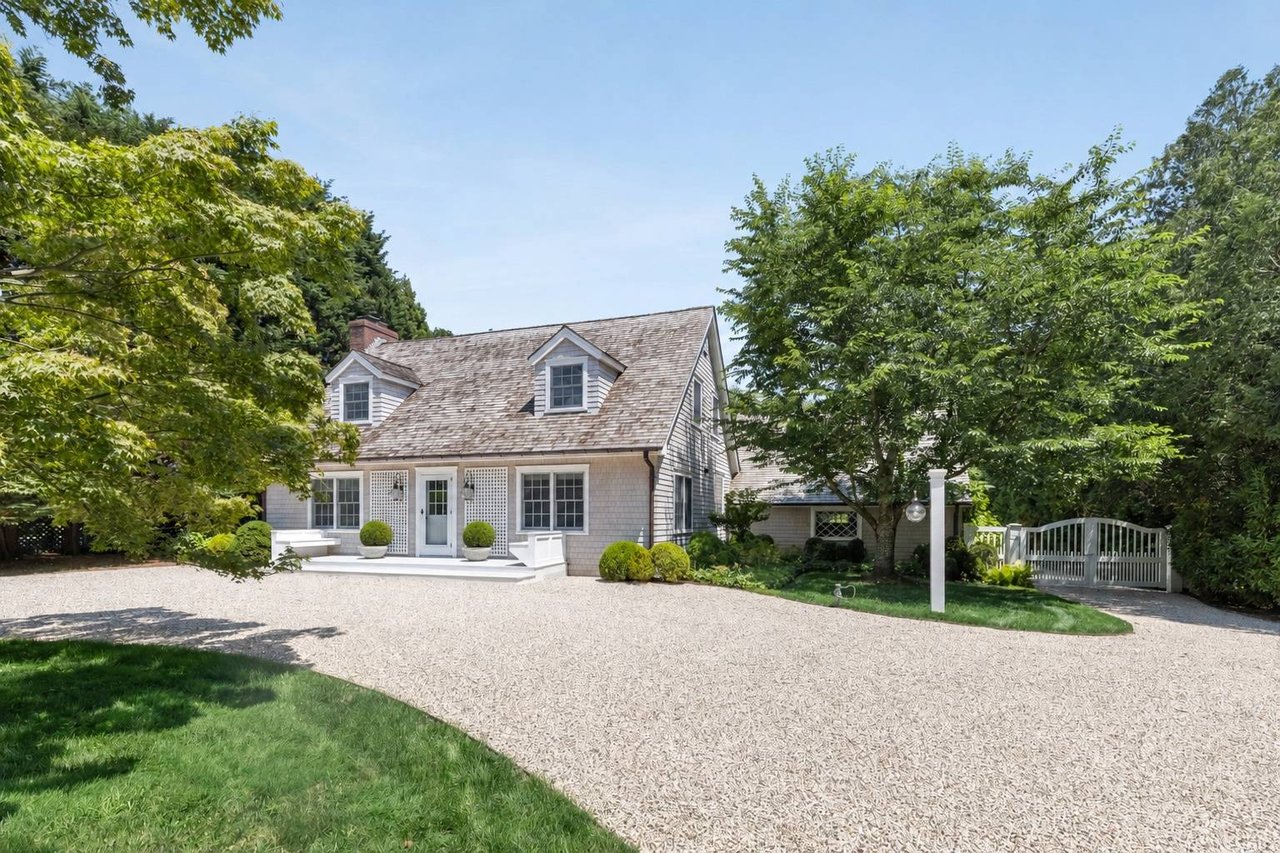
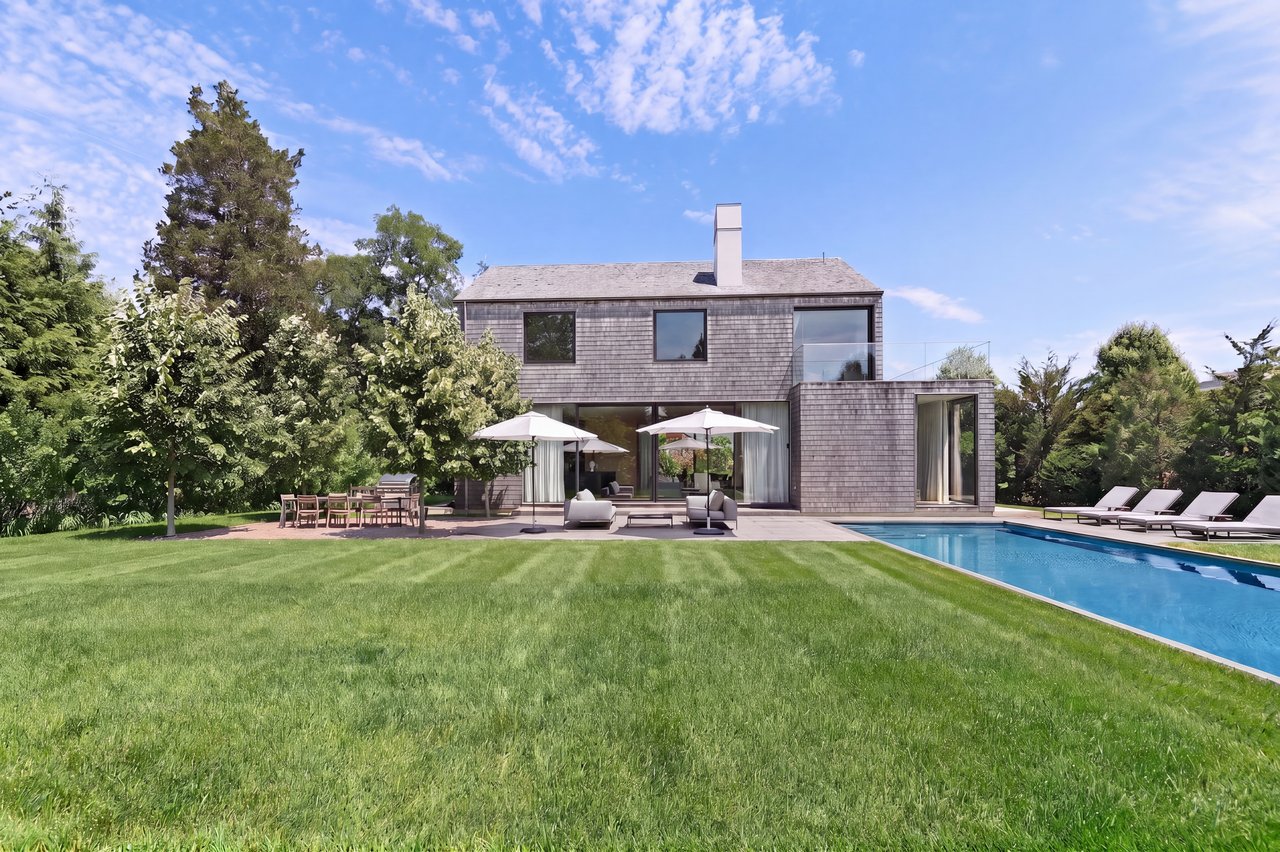
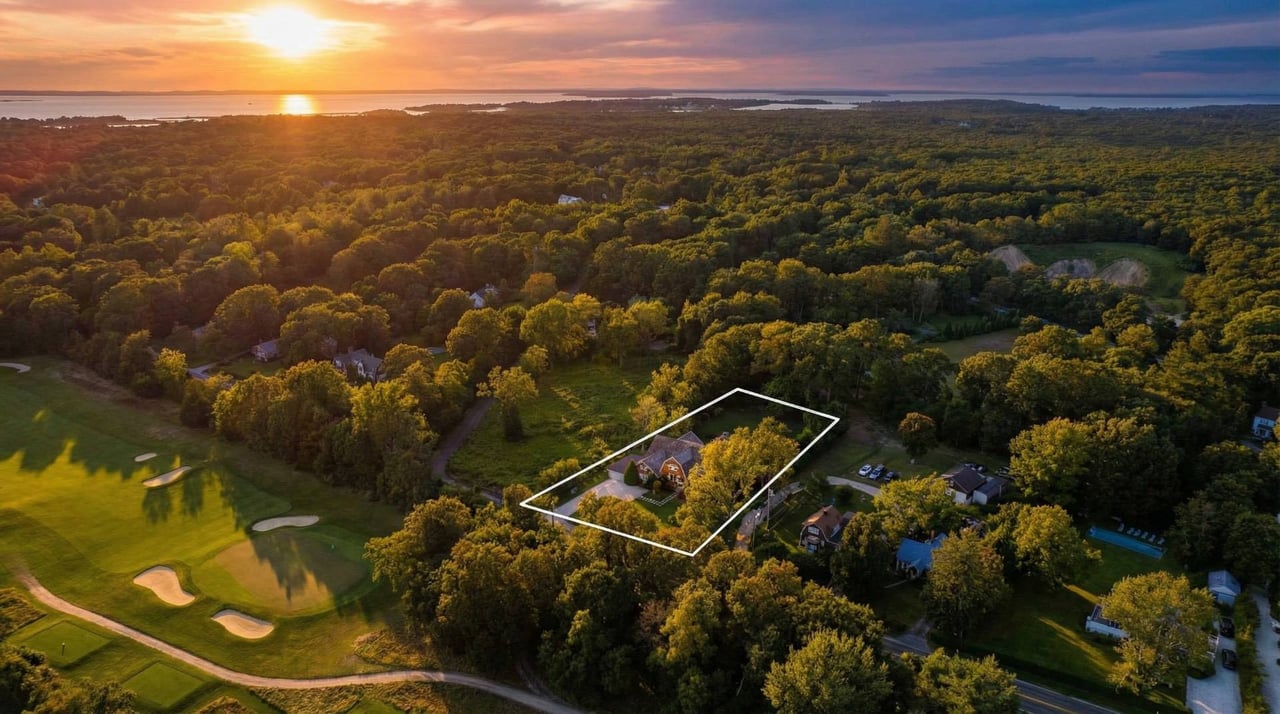
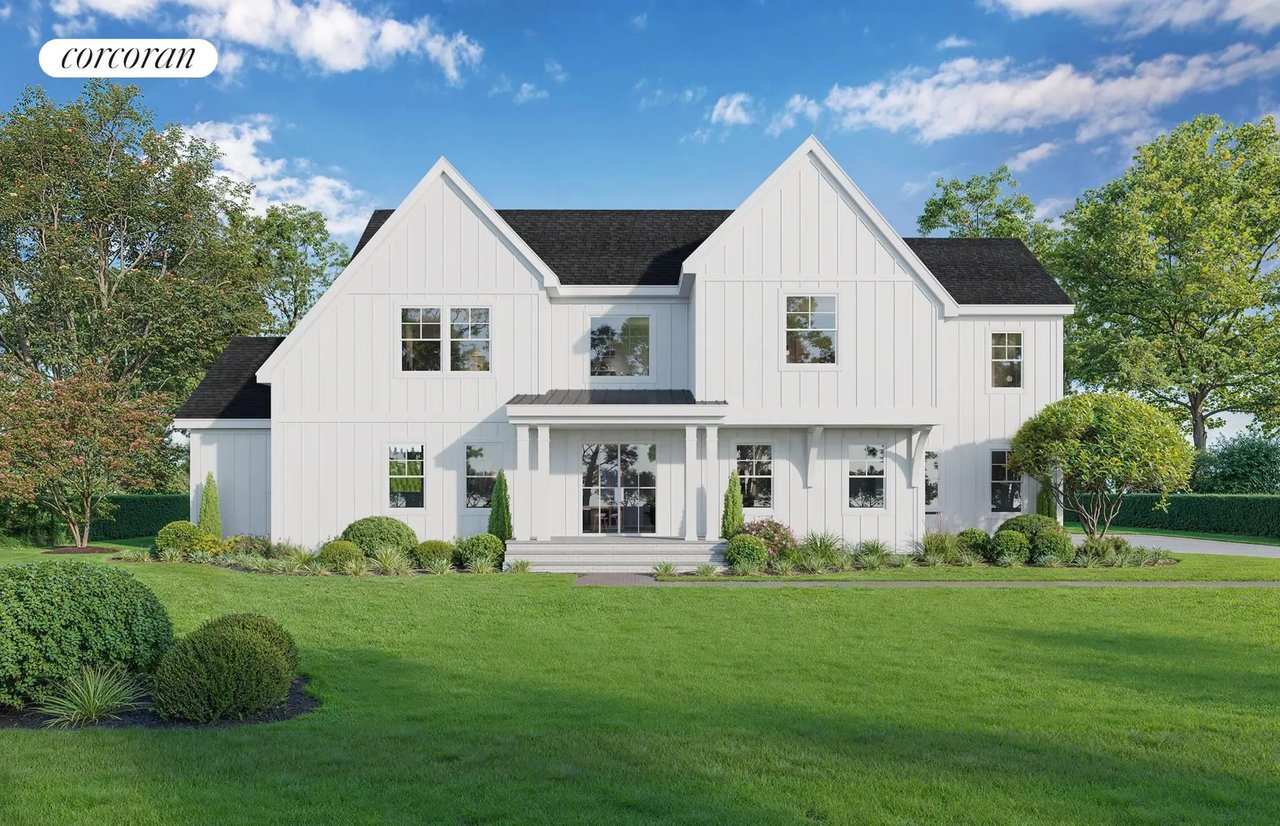
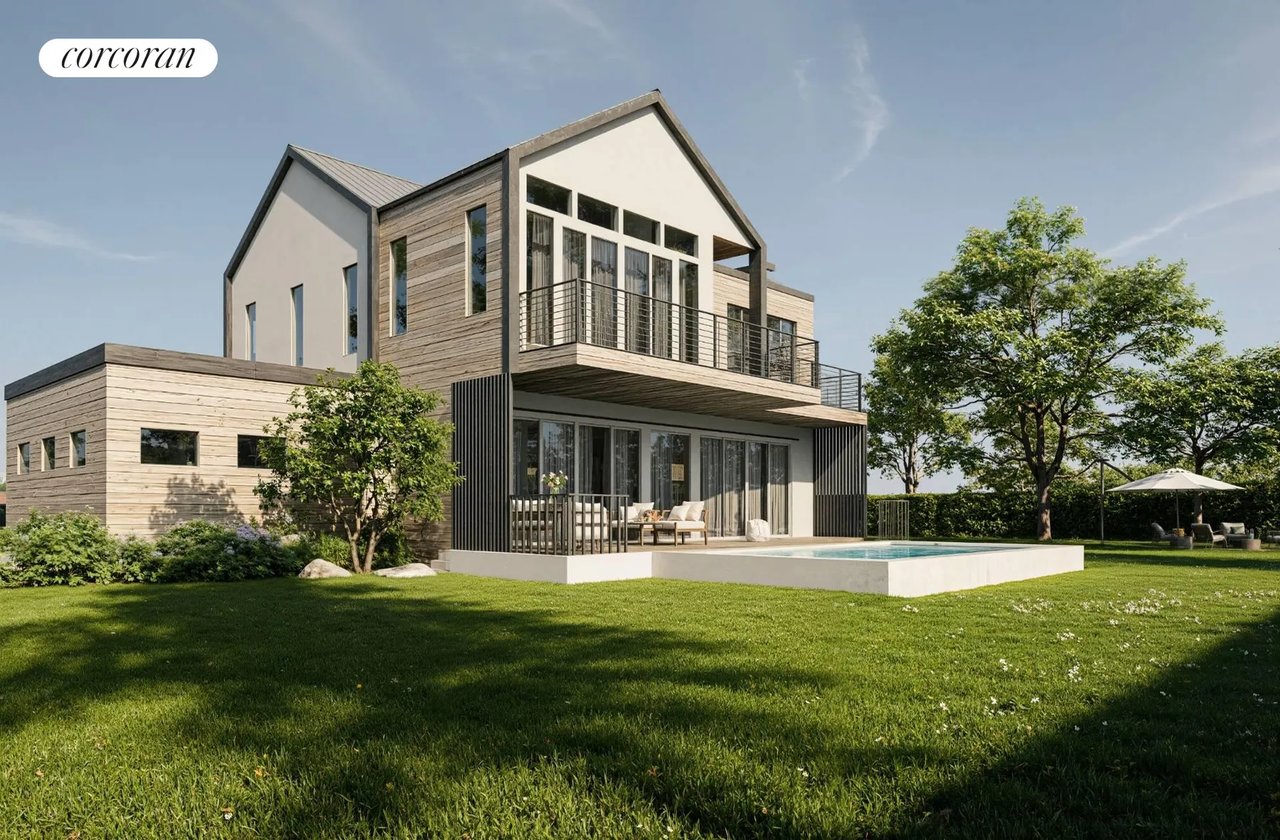
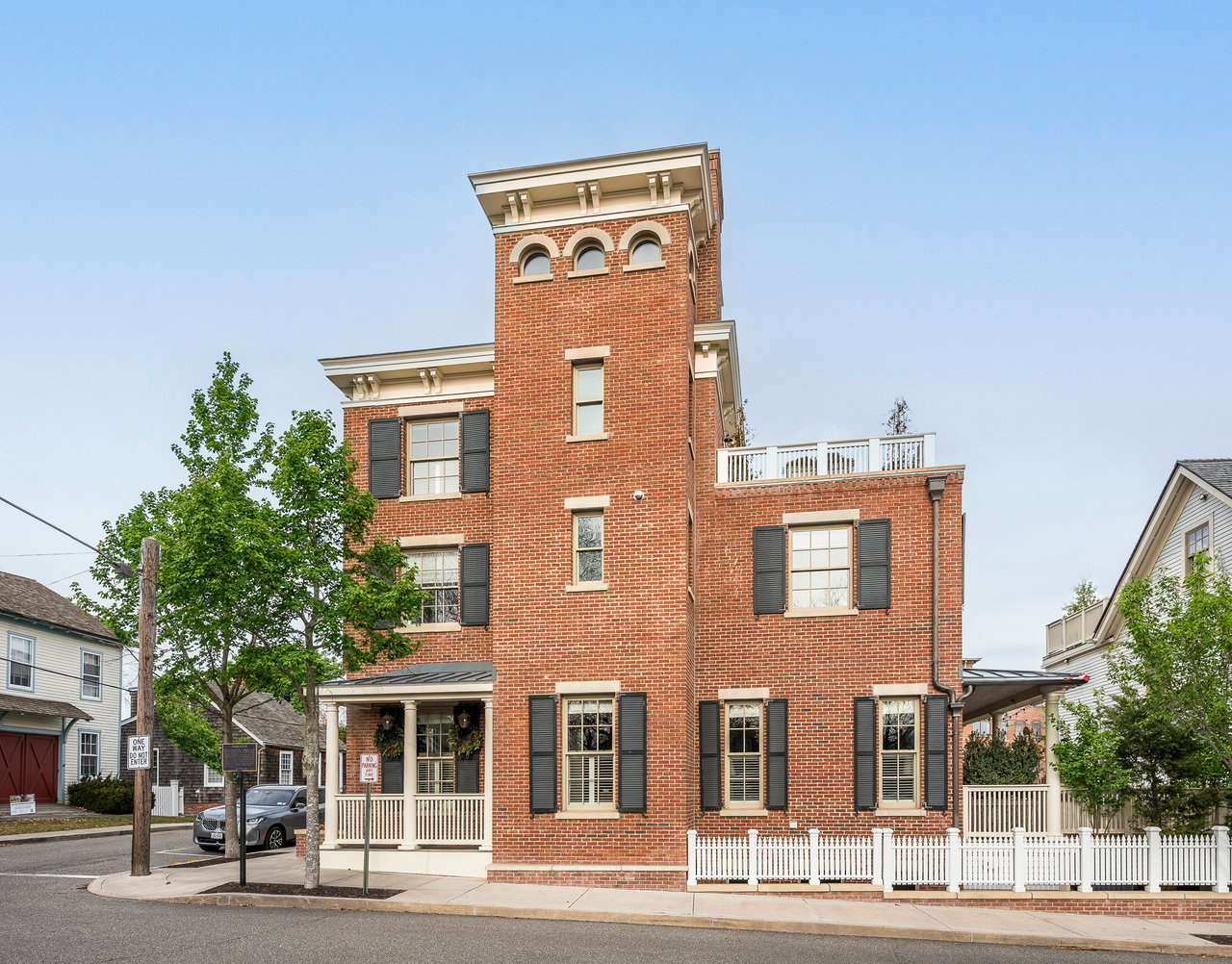
Our Featured Listings in the Area
- previous
- next
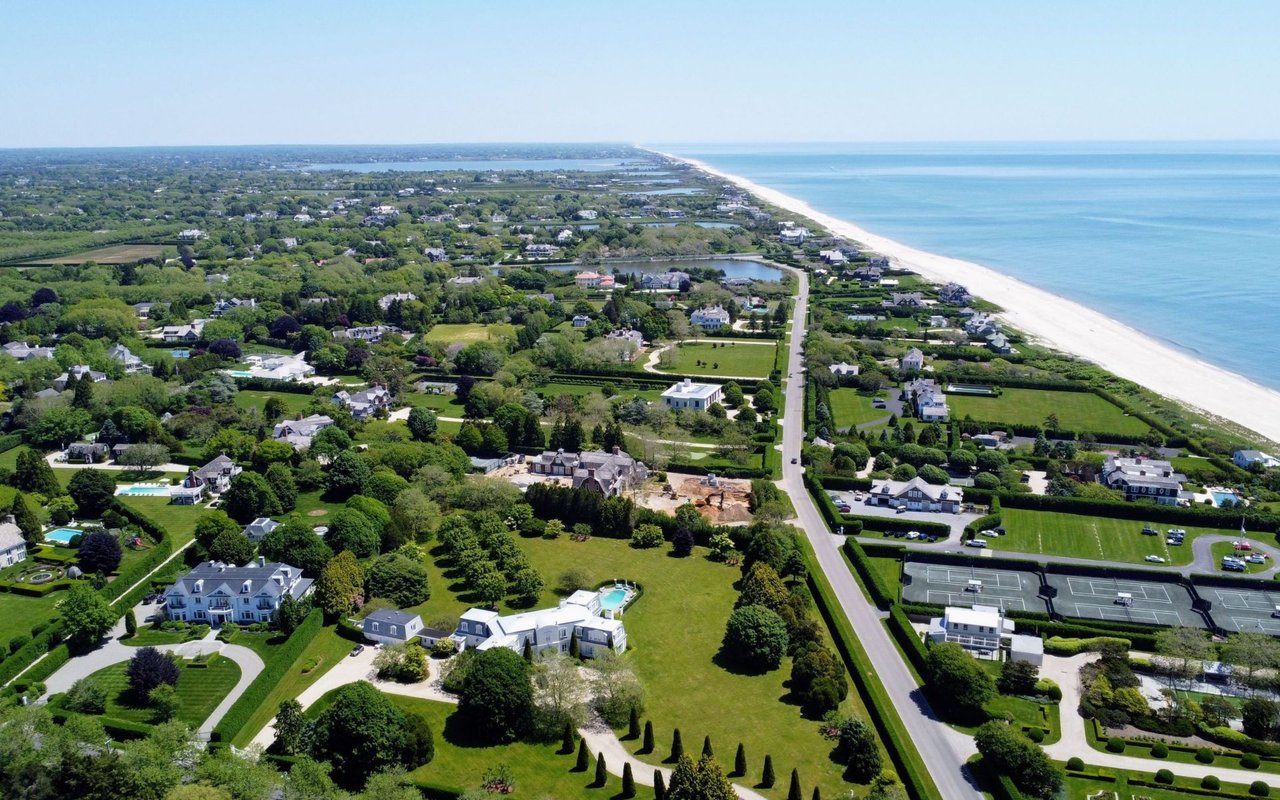
The Hamptons is not one place. It is a collection of villages and hamlets stretched along the South Fork of Long Island, each with its own character and its own rules. To speak about the Hamptons as a single market is to miss what makes it compelling. The oceanfront estates in Southampton share a zip code but almost nothing else with the surf shacks of Montauk. The farmland of Sagaponack operates under different preservation constraints than the village center of East Hampton. Understanding those distinctions is the starting point for any serious conversation about buying or selling here.
Noble's connection to the East End spans more than a decade. Our team expanded into the Hamptons with dedicated local specialists and now operates from Corcoran's Southampton office, giving us the depth of local knowledge that a seasonal presence cannot provide.
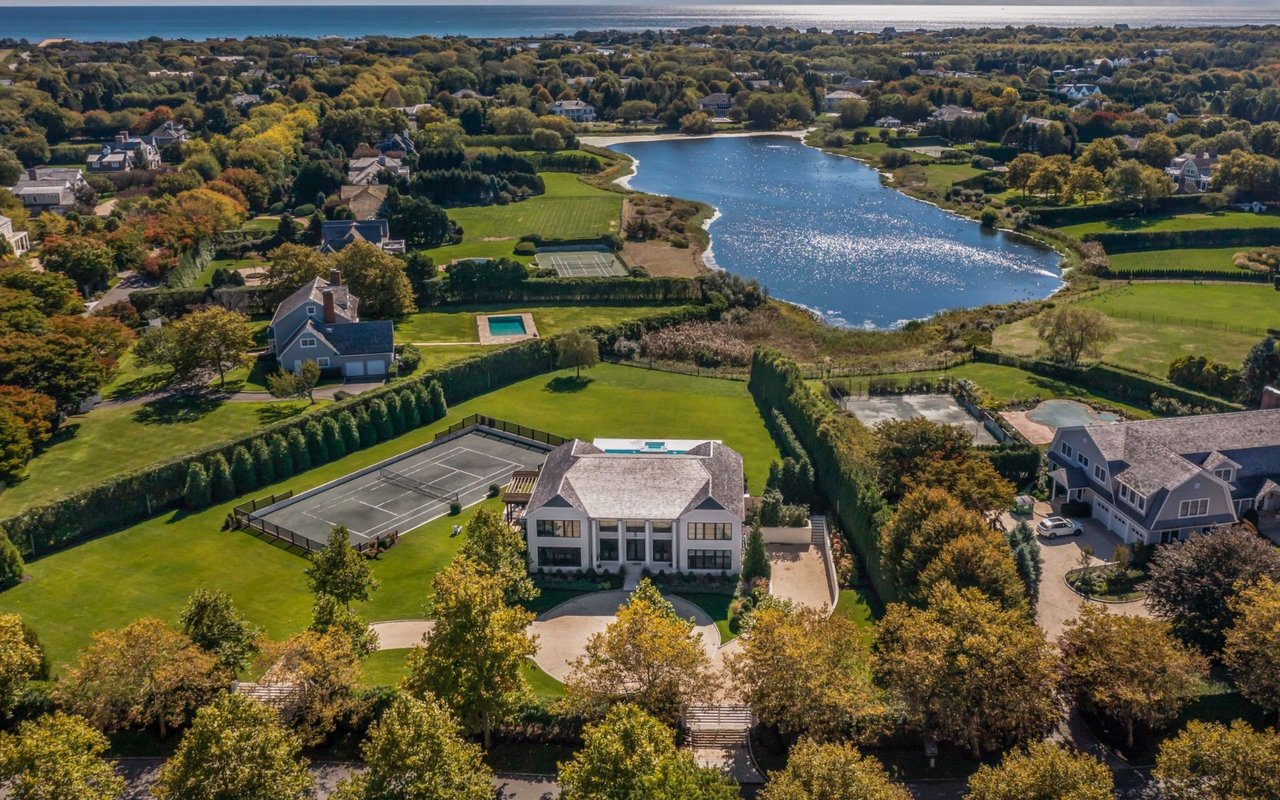
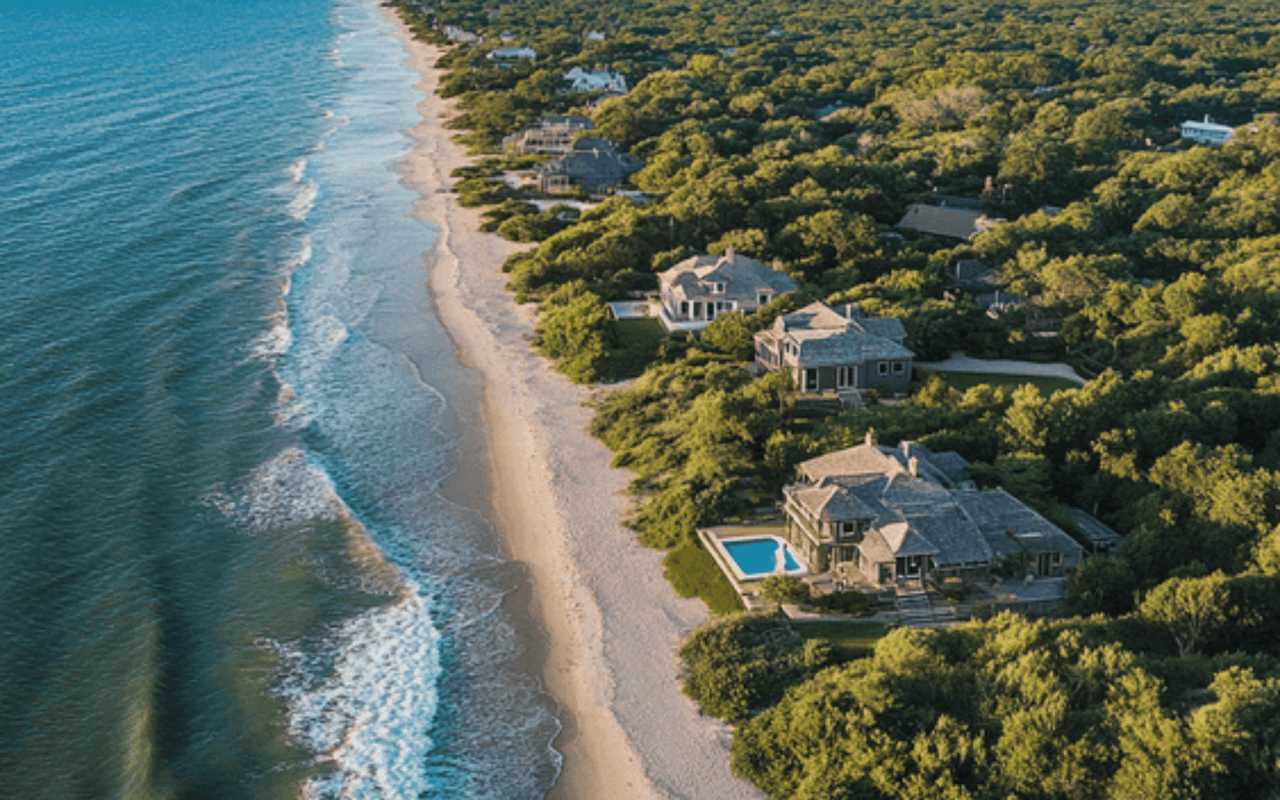
These two villages anchor the Hamptons market at its highest tier. Southampton's estate section, running south of the highway toward the ocean, contains some of the most significant residential properties on the Eastern Seaboard. The lots are measured in acres rather than square feet, and the architecture ranges from historic shingle-style cottages to contemporary glass-walled compounds. East Hampton offers a comparable scale with a slightly different sensibility. The village center is more walkable, and the cultural infrastructure around Guild Hall and the various galleries gives it an intellectual current that Southampton's quieter lanes do not quite replicate.
Bridgehampton has evolved into the athletic heart of the Hamptons. The equestrian culture around the Hampton Classic and the surrounding farmland give it a rural character that feels genuinely agricultural rather than decorative. Water Mill, its quieter neighbor to the west, attracts buyers who want acreage and privacy without the social machinery of the village centers.
Sagaponack remains among the most expensive zip codes in the country for a reason: the potato fields that surround its residential parcels are protected by agricultural easements, which means the open views that define the landscape will remain. For buyers who prize sightlines and stillness, there is no real equivalent.
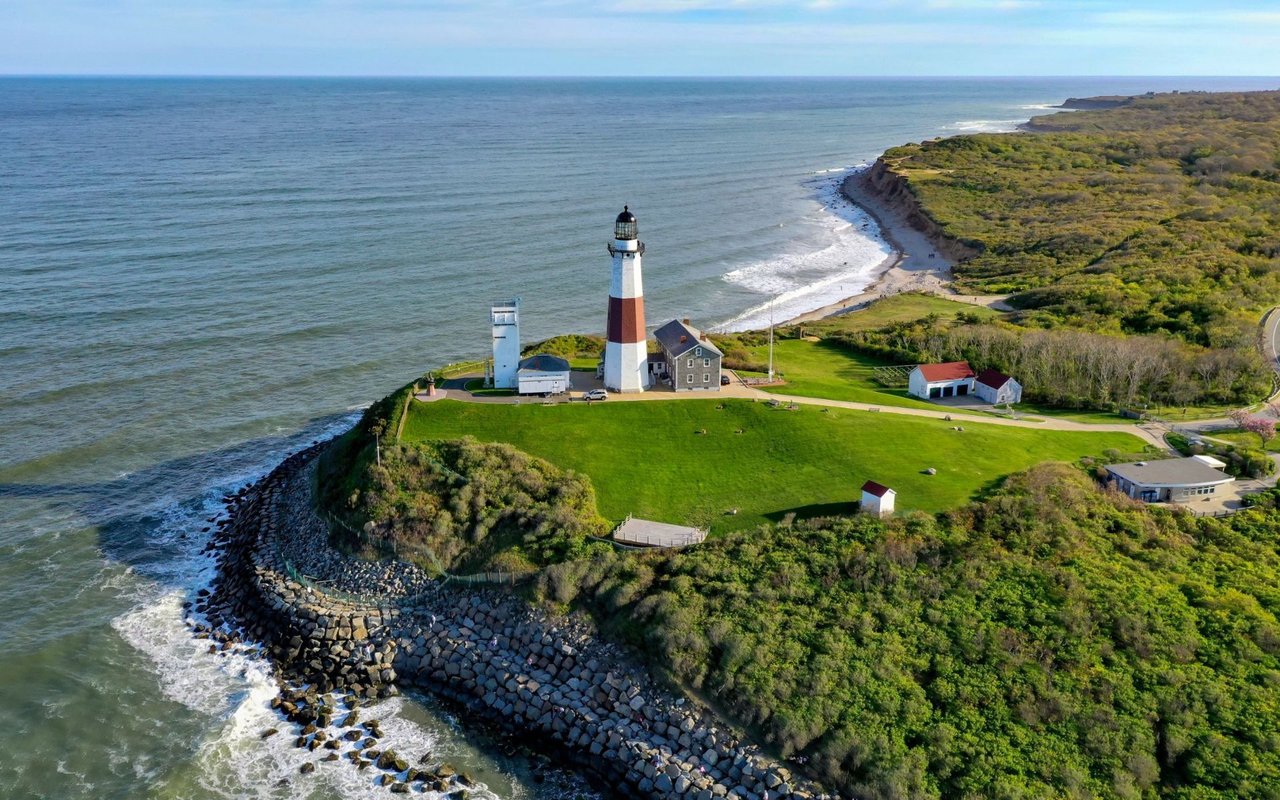
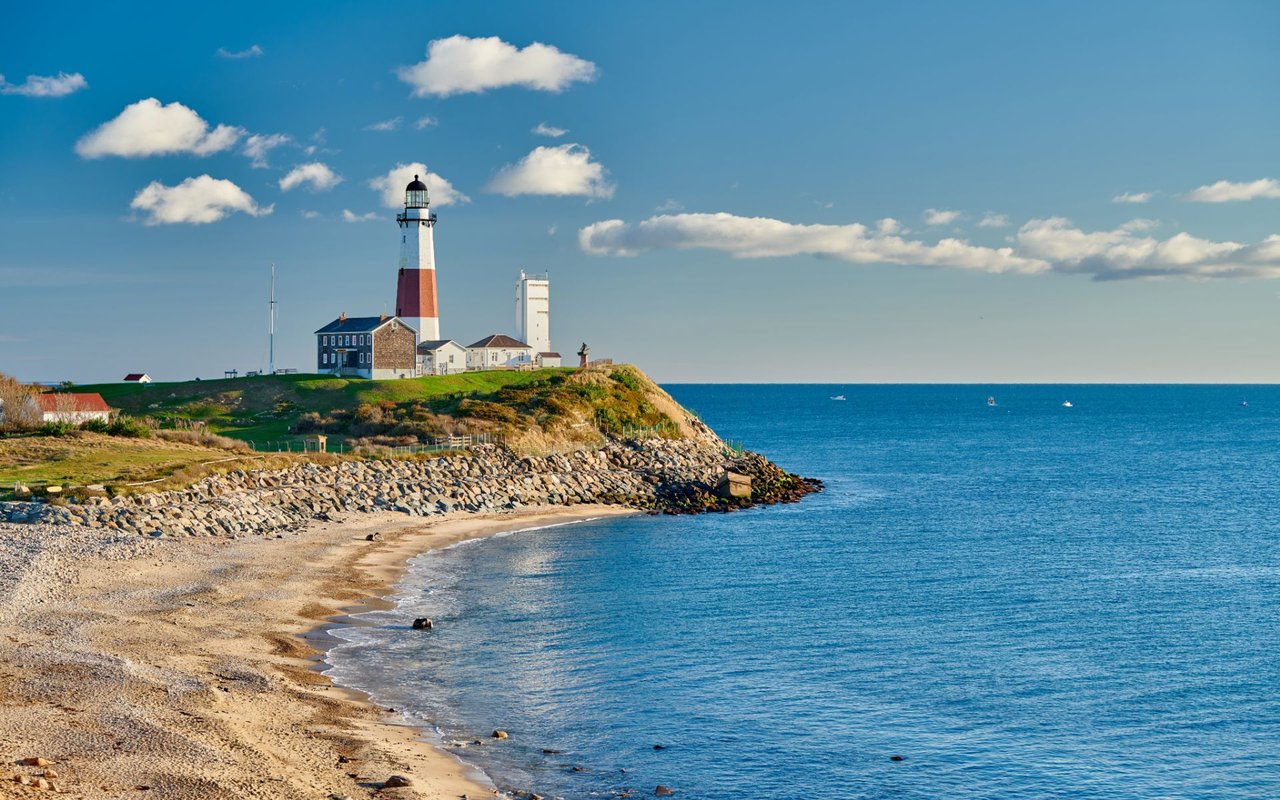
Montauk sits at the easternmost tip of Long Island and operates on its own terms entirely. The surf culture and fishing heritage make it the anti-Hamptons within the Hamptons, with a relative informality that the rest of the East End has largely outgrown. That said, the real estate market has appreciated significantly as younger buyers seek a less manicured version of East End life.
The Hamptons calendar is governed by Memorial Day and Labor Day, but the reality is more nuanced than the traditional summer-season narrative suggests. Year-round communities have grown substantially, particularly in Sag Harbor and East Hampton Village, where restaurants and shops now operate twelve months of the year. The pandemic accelerated this shift. Buyers who once came only in July now maintain primary or semi-primary residences, and the school enrollment in local districts has increased accordingly.
"The East End has not stopped being seasonal. But it has stopped being only seasonal."
This evolution matters for real estate decisions. A home purchased purely for summer weekends carries different requirements than a property intended for year-round use. We help our clients think through that distinction clearly.
The Hamptons market is driven by scarcity of land and the permanence of the natural environment. Unlike Manhattan, where developers can build upward, the East End is bounded by the ocean on one side and regulatory protections on the other. Zoning and wetland setbacks constrain supply, and historic district designations add a further layer of protection that in ways that directly support long-term value.
The housing stock is remarkably varied. A buyer might consider a 1920s cedar-shingled cottage in East Hampton Village, a newly built contemporary on the ocean in Southampton, or a converted barn on several acres in Bridgehampton. Each requires a different kind of expertise to evaluate.
Sag Harbor has its own dedicated page on our site, and it deserves one. The village's whaling heritage and distinctive housing stock set it apart from the broader Hamptons market in ways that require separate treatment. Noble's personal connection to Sag Harbor runs deep. For the full discussion of what makes it singular, we invite you to explore that page directly.
The Hamptons is a market that punishes generalists. The difference between an informed purchase and an expensive mistake often comes down to whether your advisor understands the hyper-local factors: which side of the road floods, which village board is likely to approve an addition, where the light falls in September versus July. Our team brings that granular knowledge to every engagement. We do not treat the Hamptons as a single product. We treat it as what it is: a collection of distinct communities, each with its own logic.
943 people live in The Hamptons, where the median age is 37.9 and the average individual income is $36,630. Data provided by the U.S. Census Bureau.
Total Population
Median Age
Population Density Population Density This is the number of people per square mile in a neighborhood.
Average individual Income
There's plenty to do around The Hamptons, including shopping, dining, nightlife, parks, and more. Data provided by Walk Score and Yelp.
Explore popular things to do in the area, including Milestone Golf Club, Johnson and Son Bikeworks, and Hog's Breath Saloon.
| Name | Category | Distance | Reviews |
Ratings by
Yelp
|
|---|---|---|---|---|
| Active | 1.23 miles | 5 reviews | 4.4/5 stars | |
| Active | 1.41 miles | 0 reviews | 0/5 stars | |
| Nightlife | 1.64 miles | 2 reviews | 2.5/5 stars | |
|
|
||||
|
|
||||
|
|
||||
|
|
||||
|
|
||||
|
|
The Hamptons has 341 households, with an average household size of 2.74. Data provided by the U.S. Census Bureau. Here’s what the people living in The Hamptons do for work — and how long it takes them to get there. Data provided by the U.S. Census Bureau. 943 people call The Hamptons home. The population density is 68 and the largest age group is Data provided by the U.S. Census Bureau.
Total Population
Population Density Population Density This is the number of people per square mile in a neighborhood.
Median Age
Men vs Women
Population by Age Group
0-9 Years
10-17 Years
18-24 Years
25-64 Years
65-74 Years
75+ Years
Education Level
Total Households
Average Household Size
Average individual Income
Households with Children
With Children:
Without Children:
Marital Status
Blue vs White Collar Workers
Blue Collar:
White Collar: