Boerum Hill was one of the first Brooklyn neighborhoods to attract buyers who saw brownstone living not as a compromise but as an aspiration. In the 1960s and 1970s, when the row houses here could be purchased at prices that reflected the neighborhood's declining condition rather than its architectural quality, a generation of new residents began the work of restoring buildings that had been subdivided into rooming houses or left to deteriorate. That process, repeated across hundreds of individual properties over several decades, produced the neighborhood that exists today: a compact grid of brownstone blocks with a residential character that rivals its more celebrated neighbors.
The name itself is a relatively recent invention. Boerum Hill was coined in the 1960s by residents who wanted to distinguish their blocks from the surrounding neighborhoods. They took the name from the Boerum family, whose colonial-era farm once occupied the land. The naming was strategic. It gave the neighborhood an identity separate from the declining commercial strips on Atlantic Avenue and the public housing developments on its periphery, and it created a brand that real estate professionals could use to market the area's rehabilitation.
Atlantic Avenue forms Boerum Hill's northern boundary and serves as its most dynamic commercial corridor. The avenue has undergone multiple transformations over the decades. Its antiques district, once one of the largest concentrations of antique dealers in the city, has contracted but not disappeared. The Middle Eastern restaurants and bakeries that arrived with earlier waves of immigration remain alongside newer additions. The overall effect is a commercial strip that feels layered rather than curated, with enough variety to resist easy categorization.
For residents, Atlantic Avenue is both an amenity and a dividing line. The blocks immediately south of the avenue share its energy and noise. The blocks farther south, toward Wyckoff Street and Bergen Street, are markedly quieter. That gradient from commercial to residential is part of Boerum Hill's appeal: the ability to access a lively corridor without living on one.
Atlantic Avenue does not define Boerum Hill. It provides the boundary against which the neighborhood's quiet residential character becomes legible.
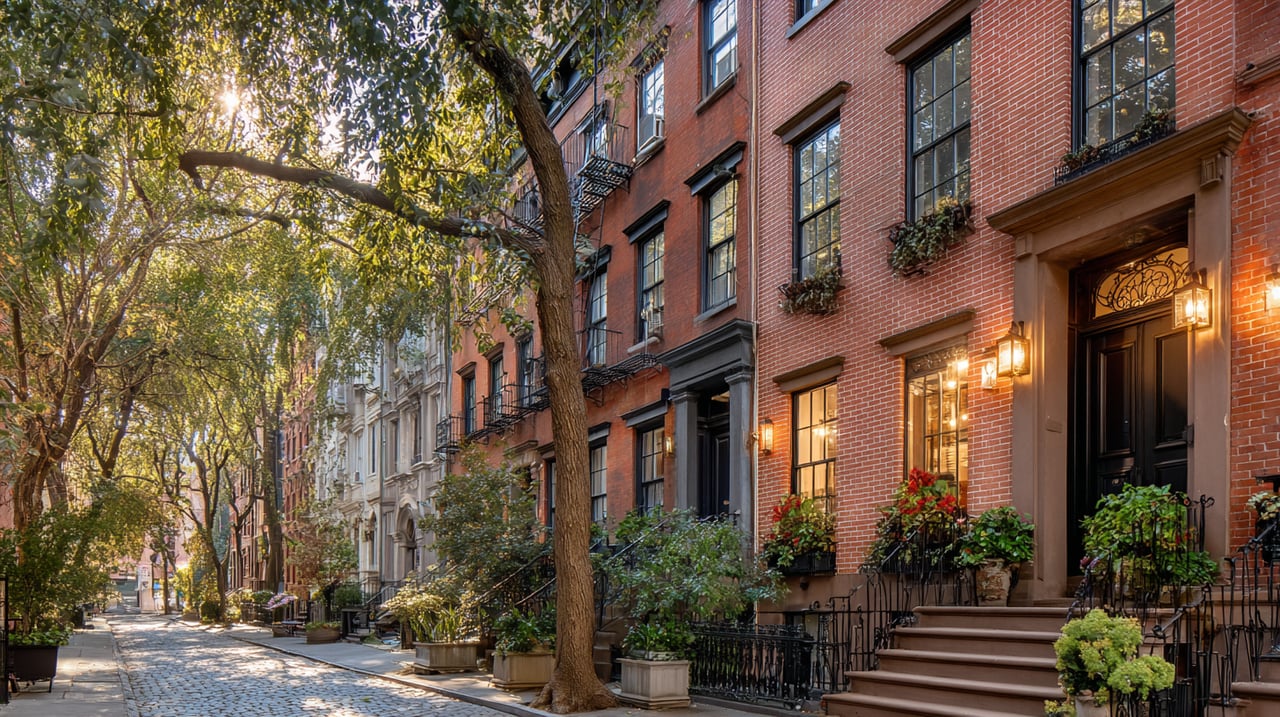
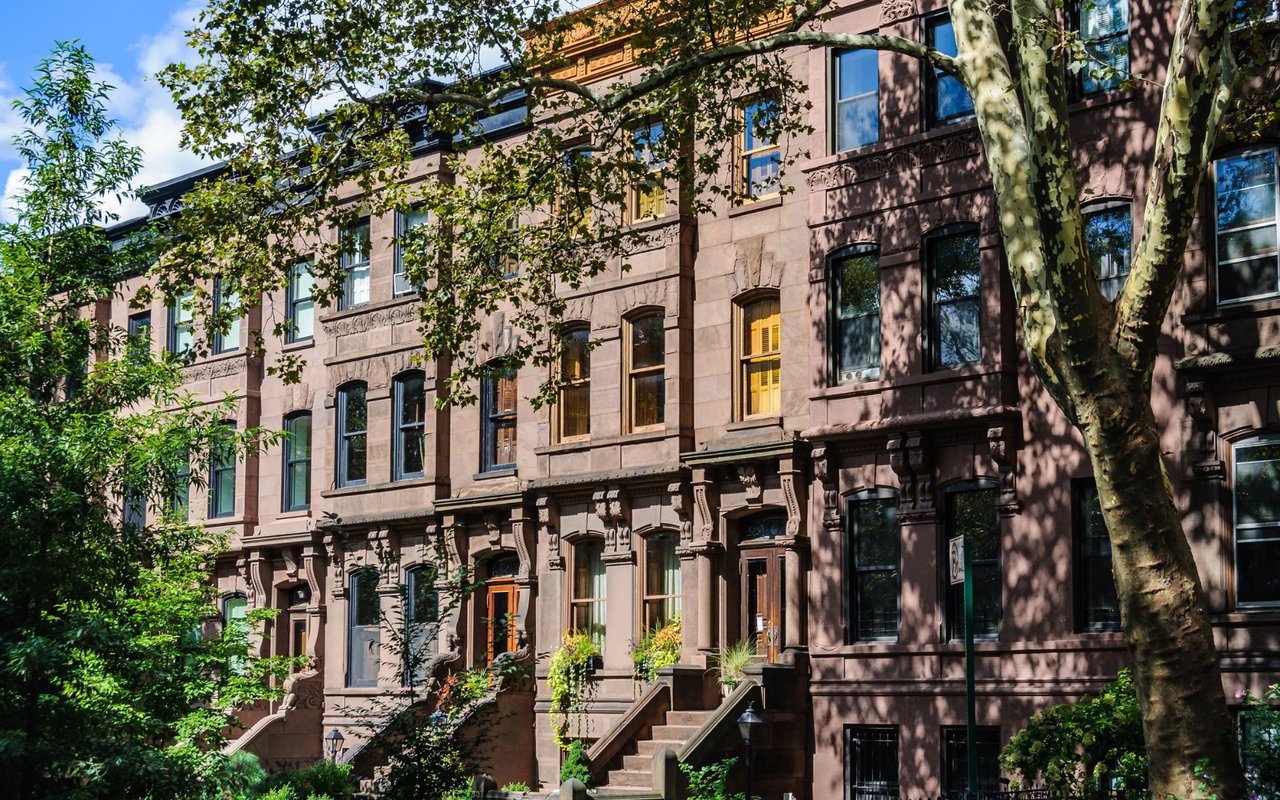
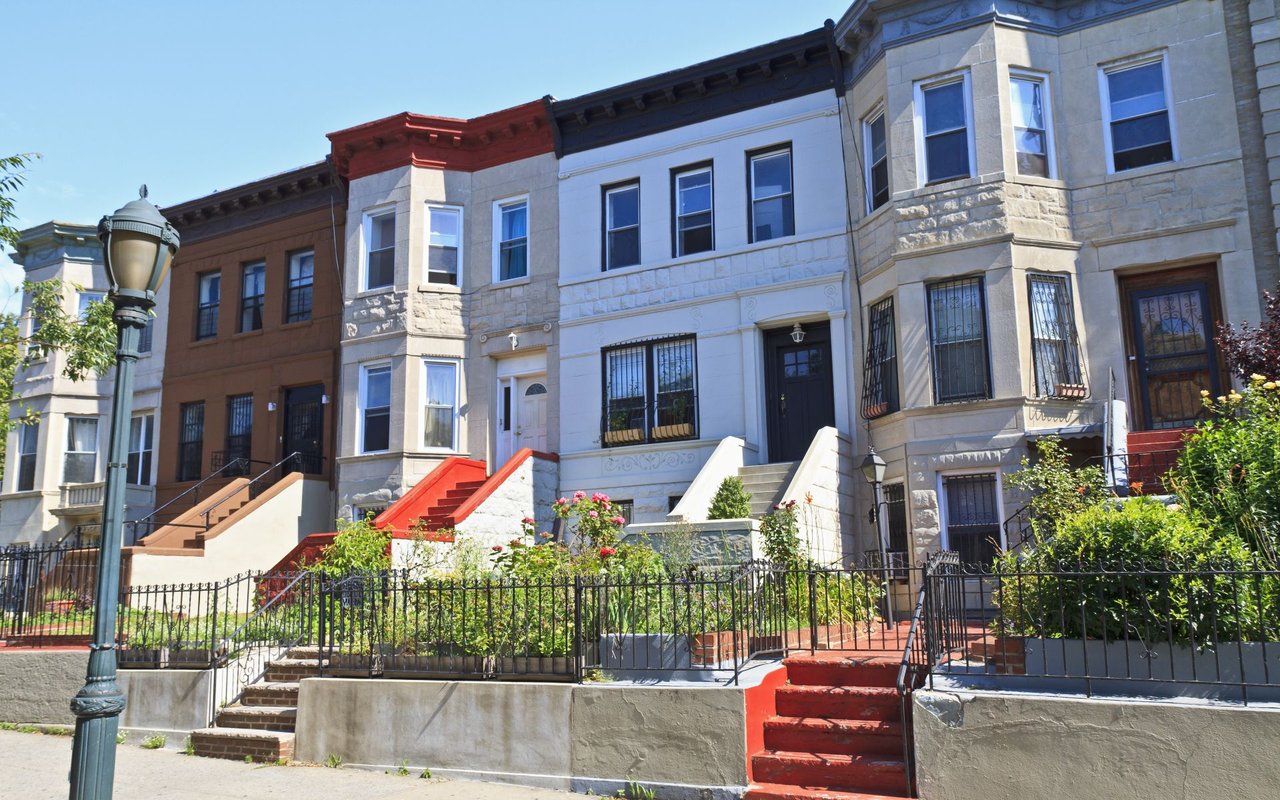
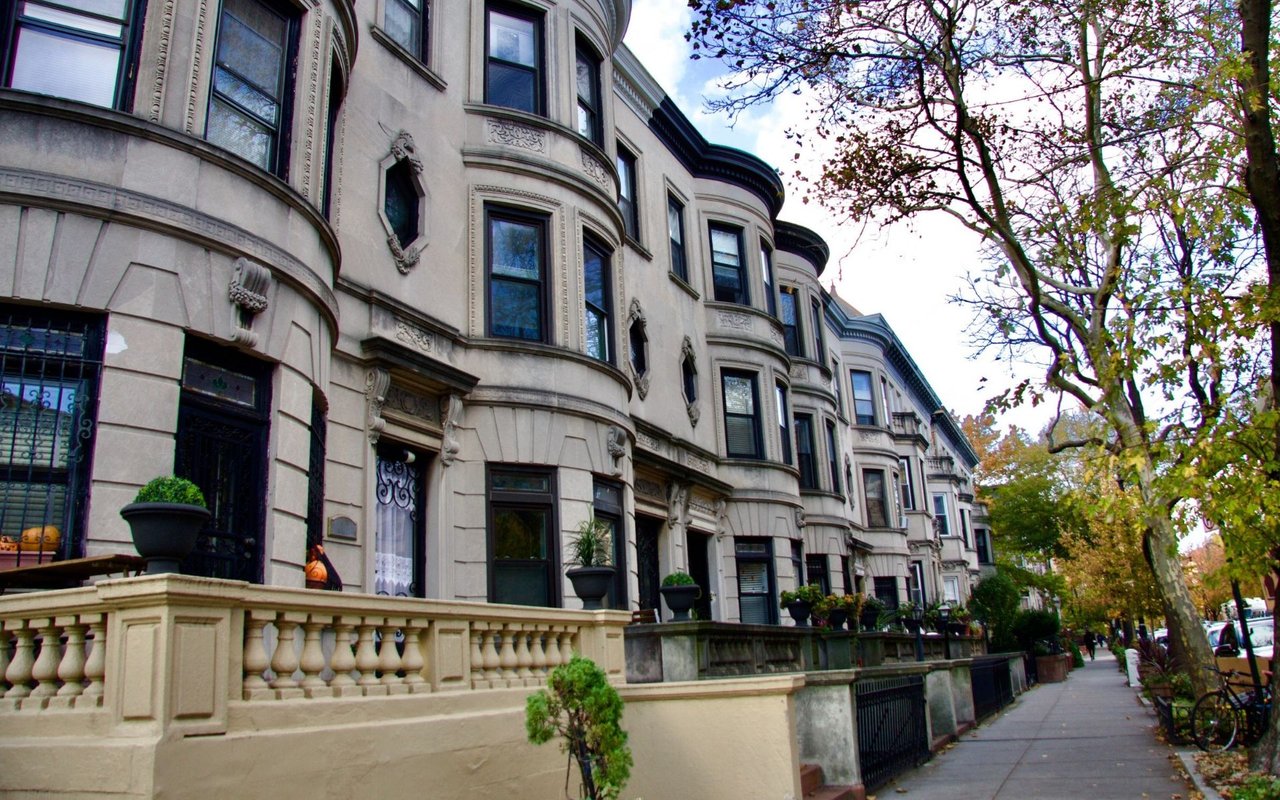
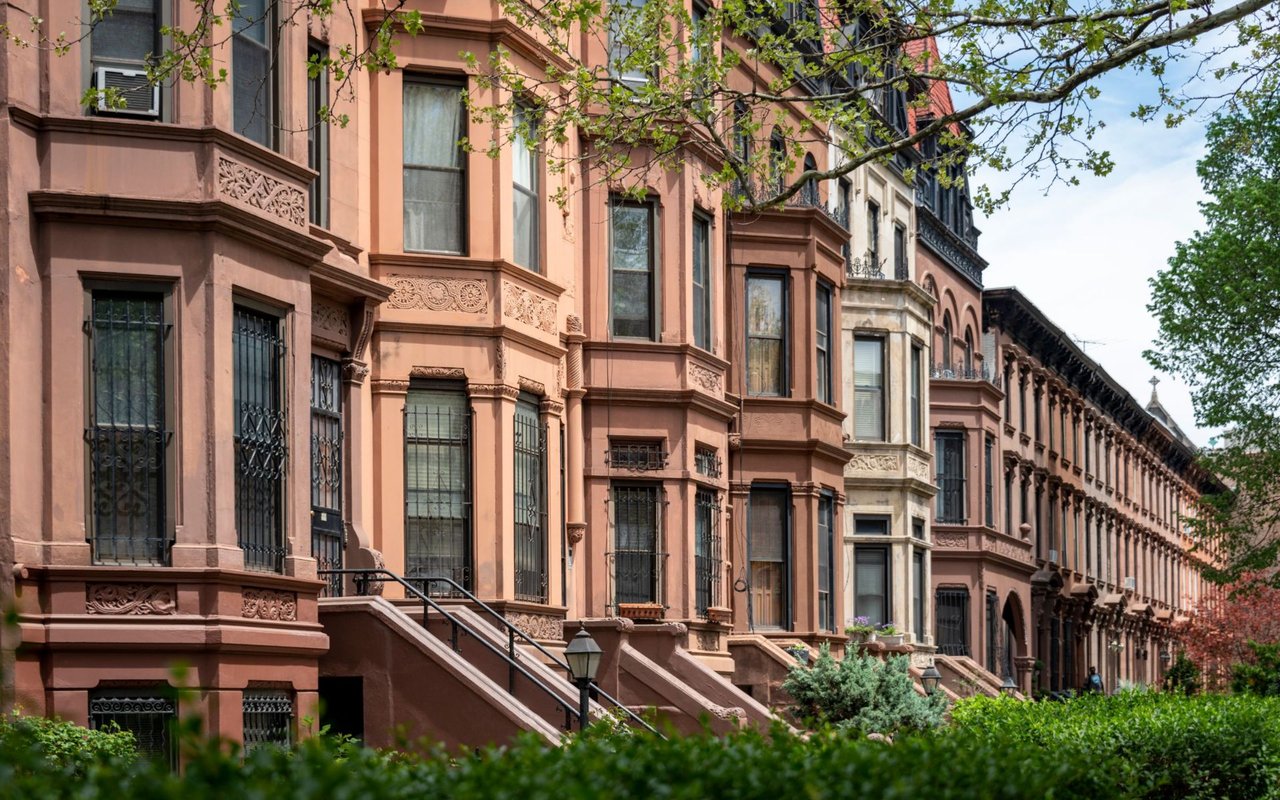
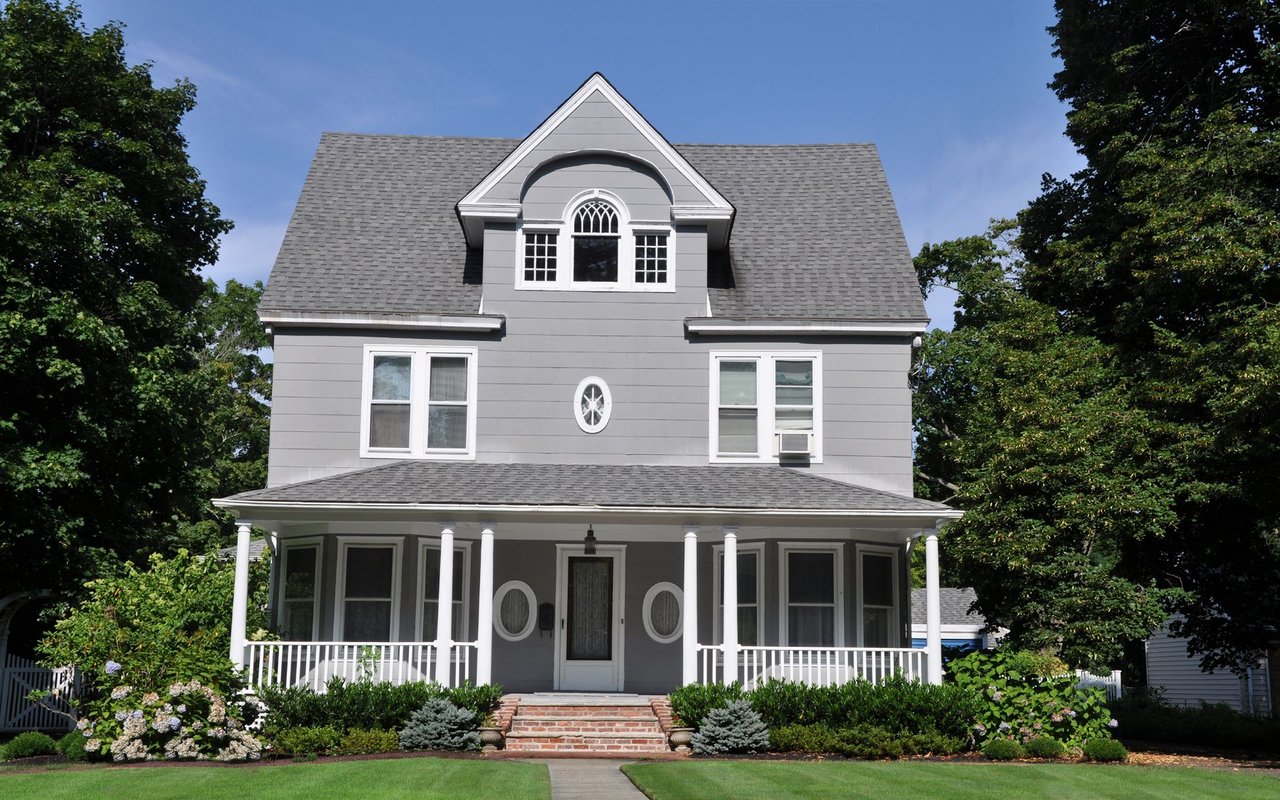
Boerum Hill's row houses share the same general vocabulary as those in Cobble Hill and Carroll Gardens: brownstone and brick facades with bracketed cornices, stoops rising to parlor-floor entries. The difference is one of degree rather than kind. The lots in Boerum Hill tend to be slightly narrower, the buildings slightly more modest in scale and ornamentation. Where Carroll Gardens has its deep front gardens and Cobble Hill has its landmarked consistency, Boerum Hill's streetscape is more varied and slightly less uniform.
That variation has a market effect. Boerum Hill has historically offered more architectural value relative to its price than either of its more landmarked neighbors. A brownstone that might be out of reach in Brooklyn Heights or priced at a premium in Carroll Gardens can sometimes be found here at a more accessible level, with the same ceiling heights, the same rear-garden potential, and the same structural quality. The difference is the block character and the presence or absence of landmark protection on that specific parcel.
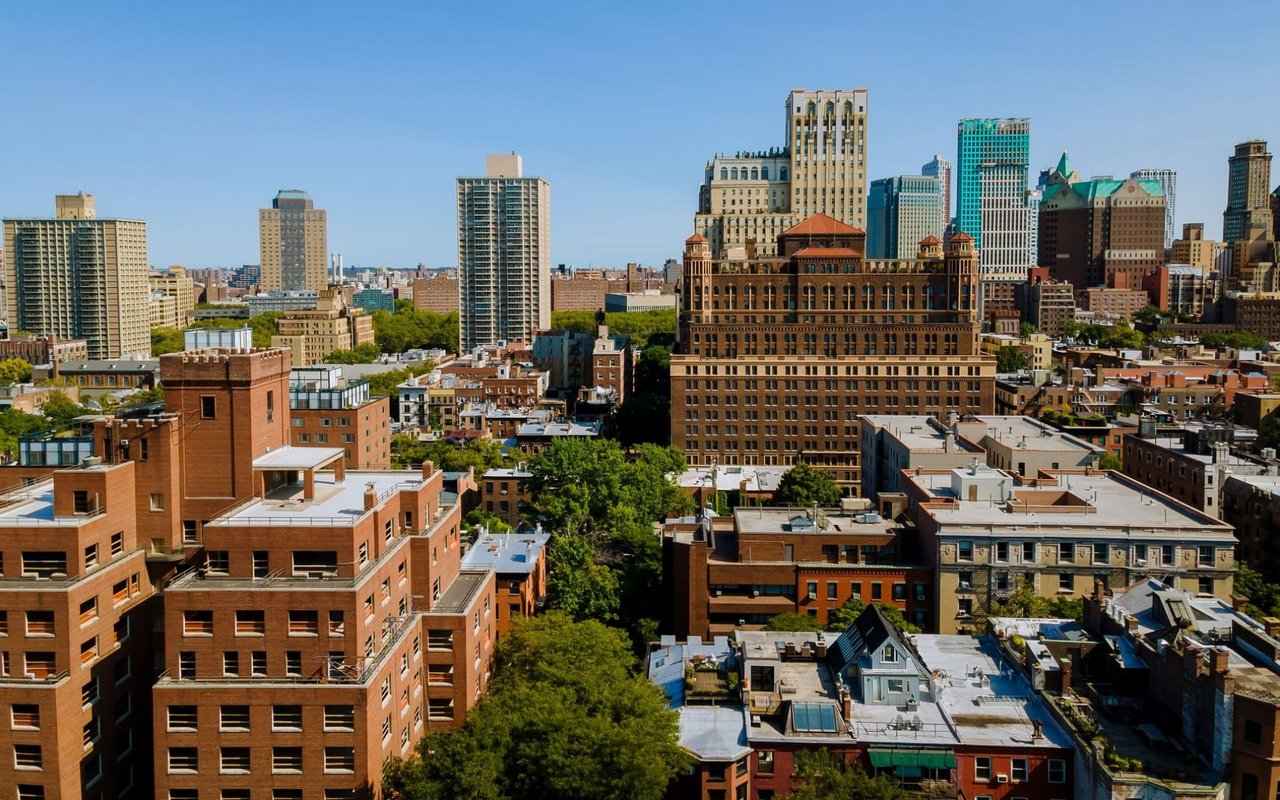
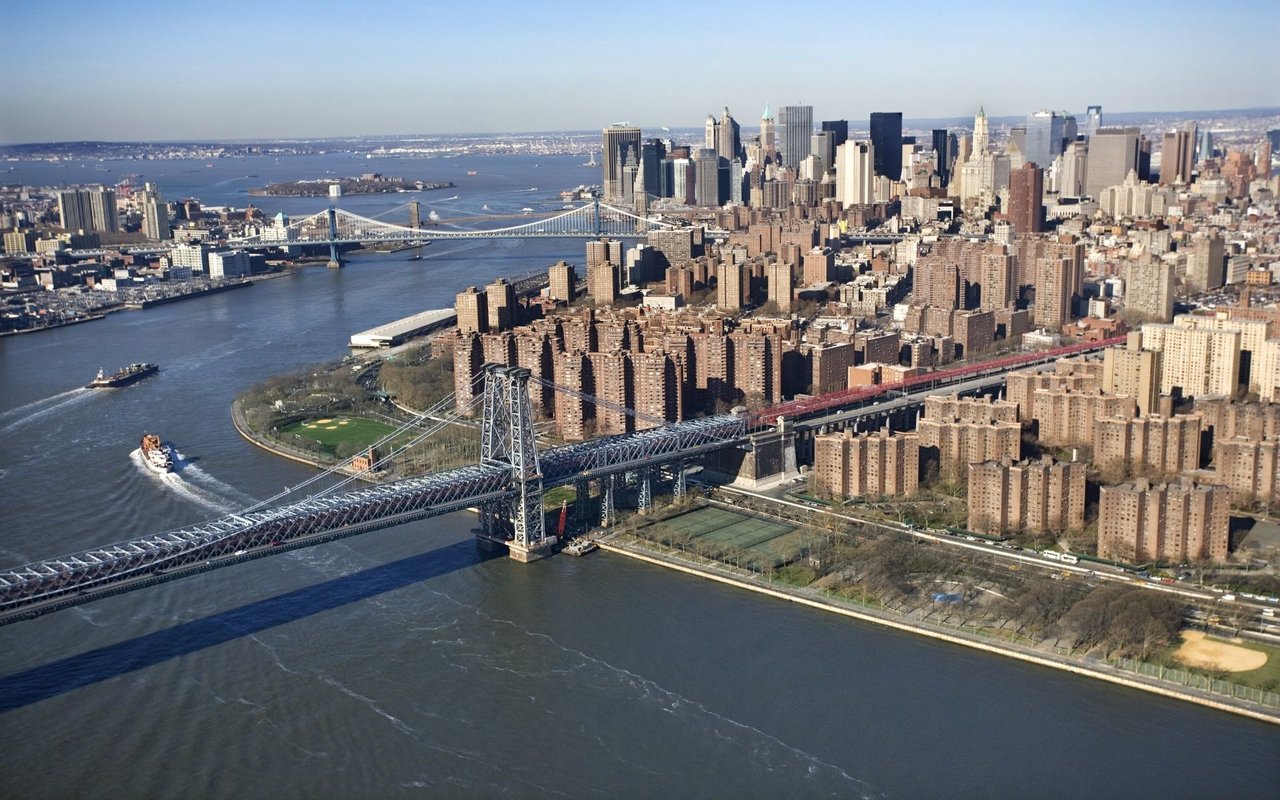
Boerum Hill occupies a geographic center among some of Brooklyn's most established residential neighborhoods. Brooklyn Heights sits to the northwest, Cobble Hill directly to the west, Carroll Gardens to the southwest, and Park Slope across Fourth Avenue to the east. The Barclays Center and Atlantic Terminal mark the neighborhood's northeastern corner, bringing transit access and commercial activity that the quieter interior blocks do not share.
That centrality is a genuine asset. Boerum Hill residents have access to the commercial corridors and amenities of multiple surrounding neighborhoods without the premium that those neighborhoods' own addresses command. Smith Street's restaurants and the expanding offerings along Atlantic Avenue are all within walking distance. The neighborhood functions as a hub from which the rest of brownstone Brooklyn is reachable on foot.
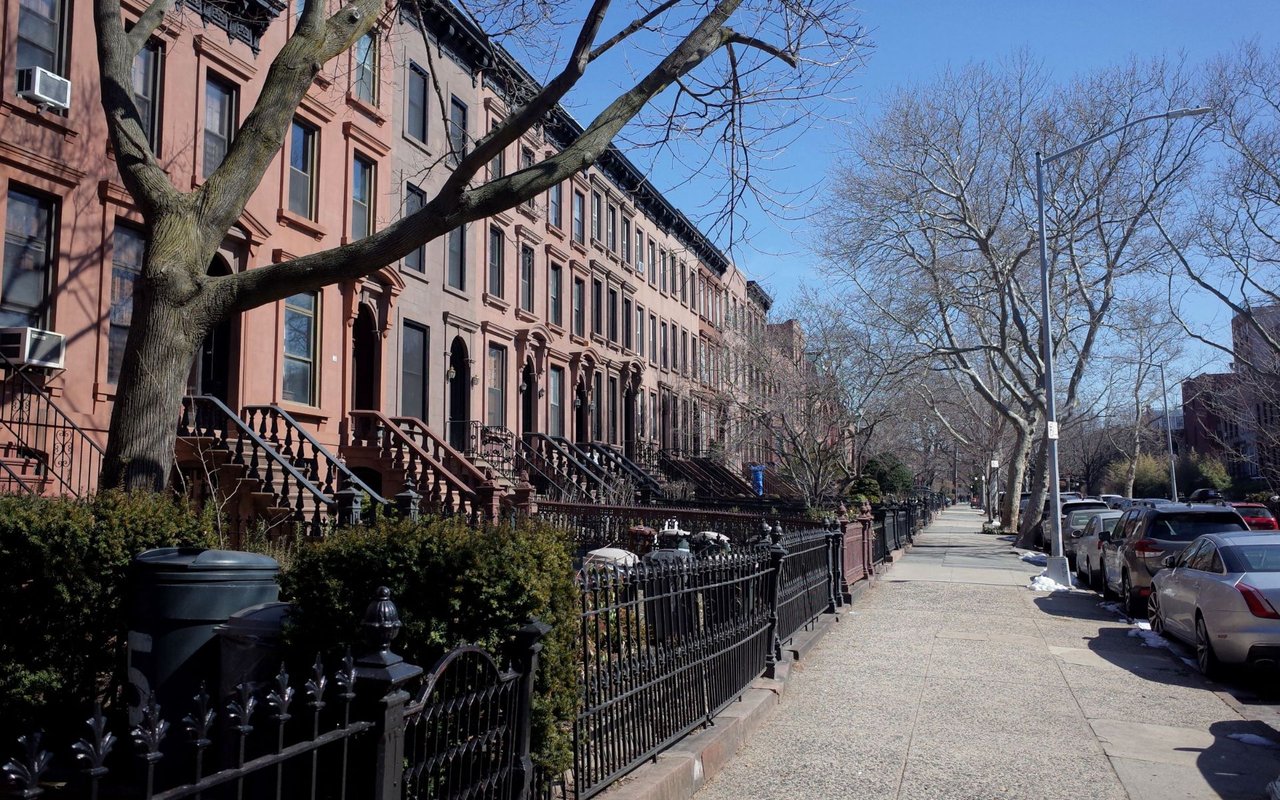
The quietest blocks in Boerum Hill, the ones that most closely approximate the residential calm of Cobble Hill or the Heights, are found along Dean Street, Pacific Street, and the numbered streets between Hoyt and Bond. These blocks are lined with three-and four-story row houses, many still configured as single-family homes or owner-occupied two-unit buildings. The tree canopy is mature, the stoops are occupied on weekend mornings, and the traffic is almost exclusively local.
State Street and Schermerhorn Street, closer to the institutional presence of the Brooklyn courts and government buildings, have a different character. The mix of residential and institutional uses creates a streetscape that feels more urban and less uniformly domestic. For some buyers, that energy is a feature. For others, the quieter interior blocks are the only blocks worth considering. We help our clients understand that distinction before they begin searching.
Boerum Hill is a neighborhood that offers many of the same architectural qualities as its higher-profile neighbors at pricing that reflects its less uniform block character and partial landmark protection. The buyers who do well here are those who evaluate individual properties rather than neighborhood averages. A well-maintained brownstone on a quiet Boerum Hill block can provide a residential experience equal to anything in the surrounding neighborhoods, provided the buyer understands the specific building and the specific block. That level of specificity is exactly what our advisory approach provides.
19,980 people live in Boerum Hill, where the median age is 36 and the average individual income is $101,743. Data provided by the U.S. Census Bureau.
Total Population
Median Age
Population Density Population Density This is the number of people per square mile in a neighborhood.
Average individual Income
There's plenty to do around Boerum Hill, including shopping, dining, nightlife, parks, and more. Data provided by Walk Score and Yelp.
Explore popular things to do in the area, including Grocery Candy, and Around the Clock Grocery.
| Name | Category | Distance | Reviews |
Ratings by
Yelp
|
|---|---|---|---|---|
| Dining | 0.39 miles | 0 reviews | 0/5 stars | |
| Dining | 0.39 miles | 0 reviews | 0/5 stars | |
|
|
||||
|
|
||||
|
|
||||
|
|
||||
|
|
||||
|
|
Boerum Hill has 8,836 households, with an average household size of 2. Data provided by the U.S. Census Bureau. Here’s what the people living in Boerum Hill do for work — and how long it takes them to get there. Data provided by the U.S. Census Bureau. 19,980 people call Boerum Hill home. The population density is 76,924 and the largest age group is Data provided by the U.S. Census Bureau.
Total Population
Population Density Population Density This is the number of people per square mile in a neighborhood.
Median Age
Men vs Women
Population by Age Group
0-9 Years
10-17 Years
18-24 Years
25-64 Years
65-74 Years
75+ Years
Education Level
Total Households
Average Household Size
Average individual Income
Households with Children
With Children:
Without Children:
Marital Status
Blue vs White Collar Workers
Blue Collar:
White Collar: