Why Live in Sag Harbor?
A Whaling Village That Never Lost Its Way
The Village That Earned Its Reputation
Most of the Hamptons was built by summer. Sag Harbor was built by the sea. Long before the East End became synonymous with weekend escapes, Sag Harbor was a working port—one of the first in the United States to receive an official Port of Entry designation, in 1789. Its whaling fleet, sometimes numbering over sixty vessels, sailed to the Pacific and the Arctic, and the wealth those voyages generated shaped a village of unusual permanence. The Federal and Greek Revival homes that line its streets were not summer houses. They were built by captains and merchants who intended to stay.
That distinction still matters. Sag Harbor carries an architectural seriousness and a year-round community identity that set it apart from the rest of the East End. Noble has roots in Sag Harbor lasting for more than a decade, and our team’s expansion into the Hamptons was rooted in the same instinct that draws most people to the village: once you know it well, everywhere else on the East End feels like a compromise.
Sag Harbor carries an architectural seriousness and a year-round community identity that set it apart from the rest of the East End.
The Real Estate Landscape
What makes Sag Harbor unusual among Hamptons markets is the range of what trades here—and how different the decision-making process is from one buyer to the next. A restored 1840s captain’s house on Main Street appeals to a fundamentally different sensibility than a contemporary waterfront build overlooking Noyac Bay, yet both transactions happen within the same village boundary. Our role is to understand which version of Sag Harbor a buyer is actually looking for, because the village accommodates more than one.
The Historic Village Core
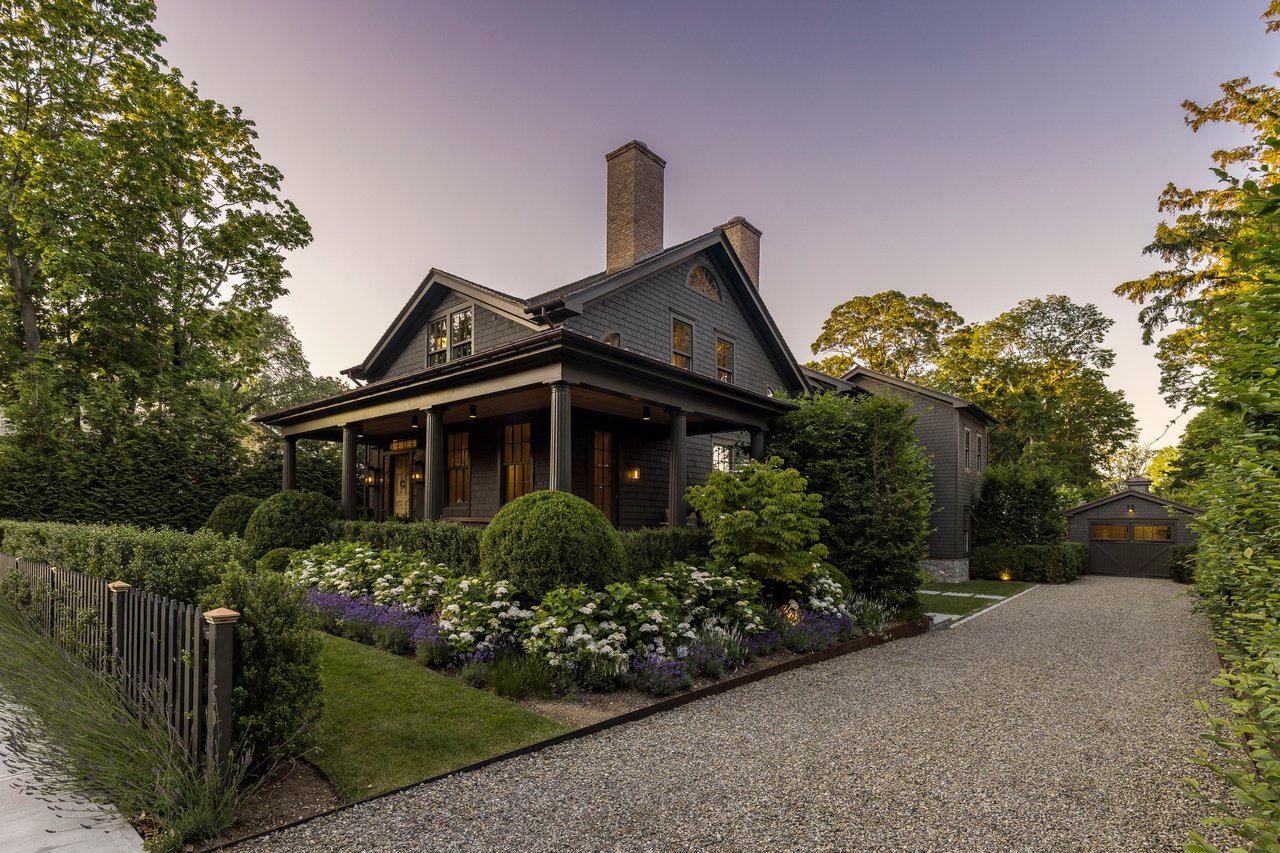
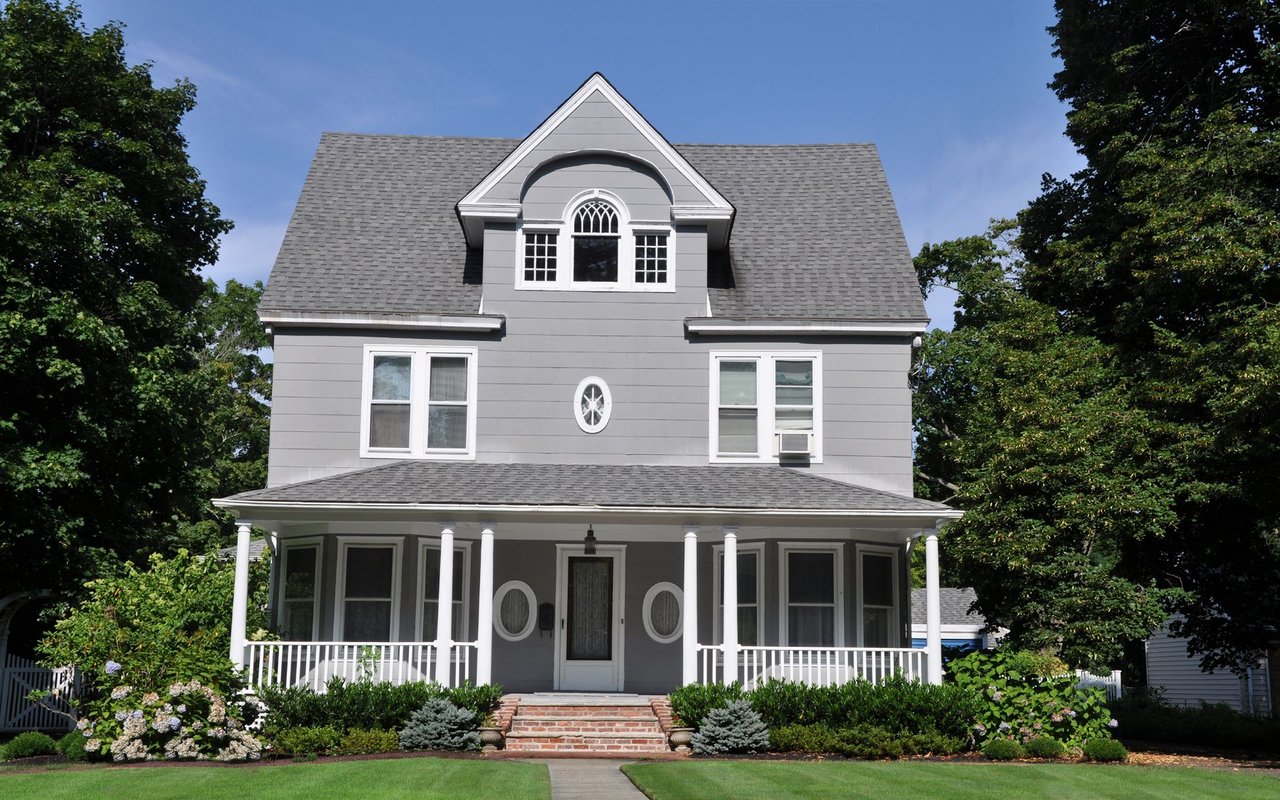
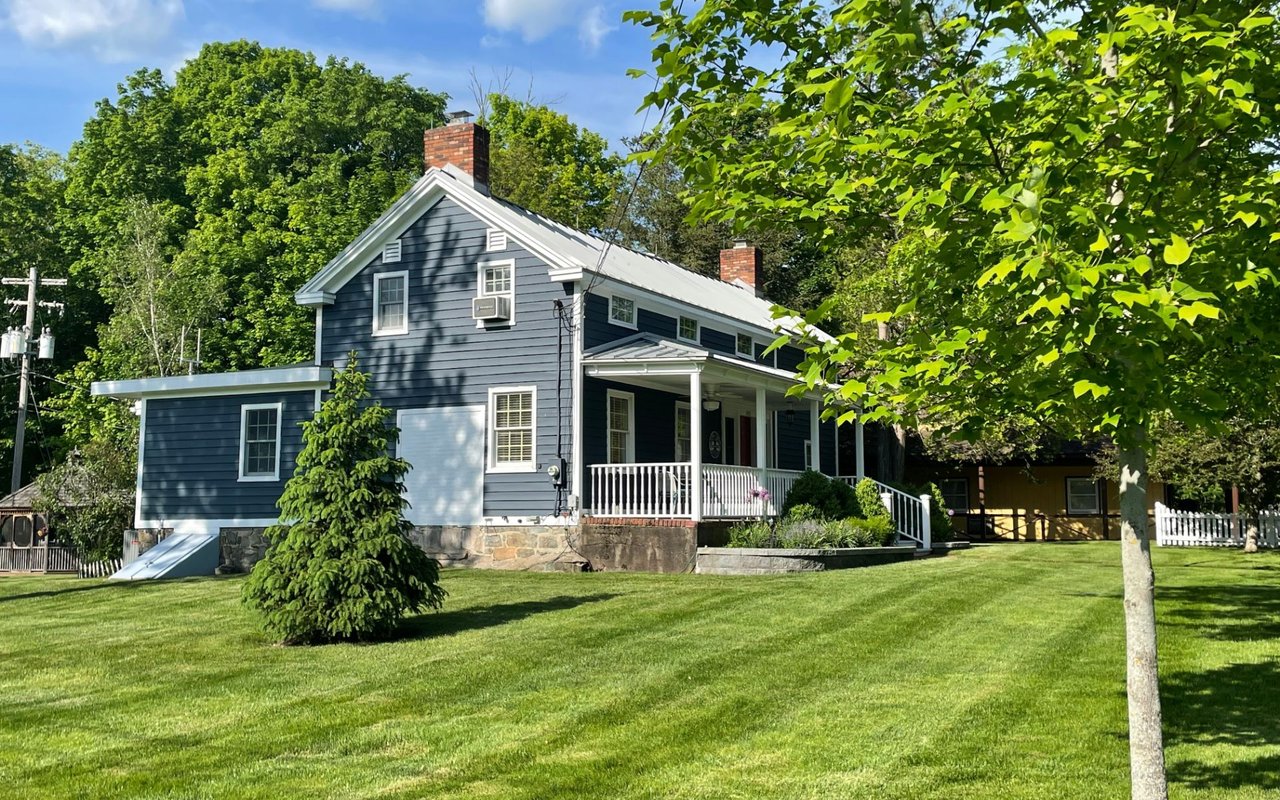
The heart of Sag Harbor’s residential market is its historic housing stock—the Greek Revival, Federal, and Italianate homes clustered along Main Street, Madison Street, and the surrounding blocks. Many date to the mid-19th century, when whaling money financed the kind of craftsmanship that modern construction rarely attempts. You see it in the millwork, the captain’s walks on the rooftops, the columned doorways built to signal prosperity to the rest of the village.
These homes trade infrequently and tend to attract buyers who understand what they are purchasing: provenance, not just square footage. The architectural details are inseparable from the history of the village itself, and the buyers who compete for this inventory know the difference between a house that has been restored and one that has merely been renovated.
Waterfront and Bay Properties
Beyond the village center, Sag Harbor’s geography opens up into a series of distinct waterfront settings, each with its own character:
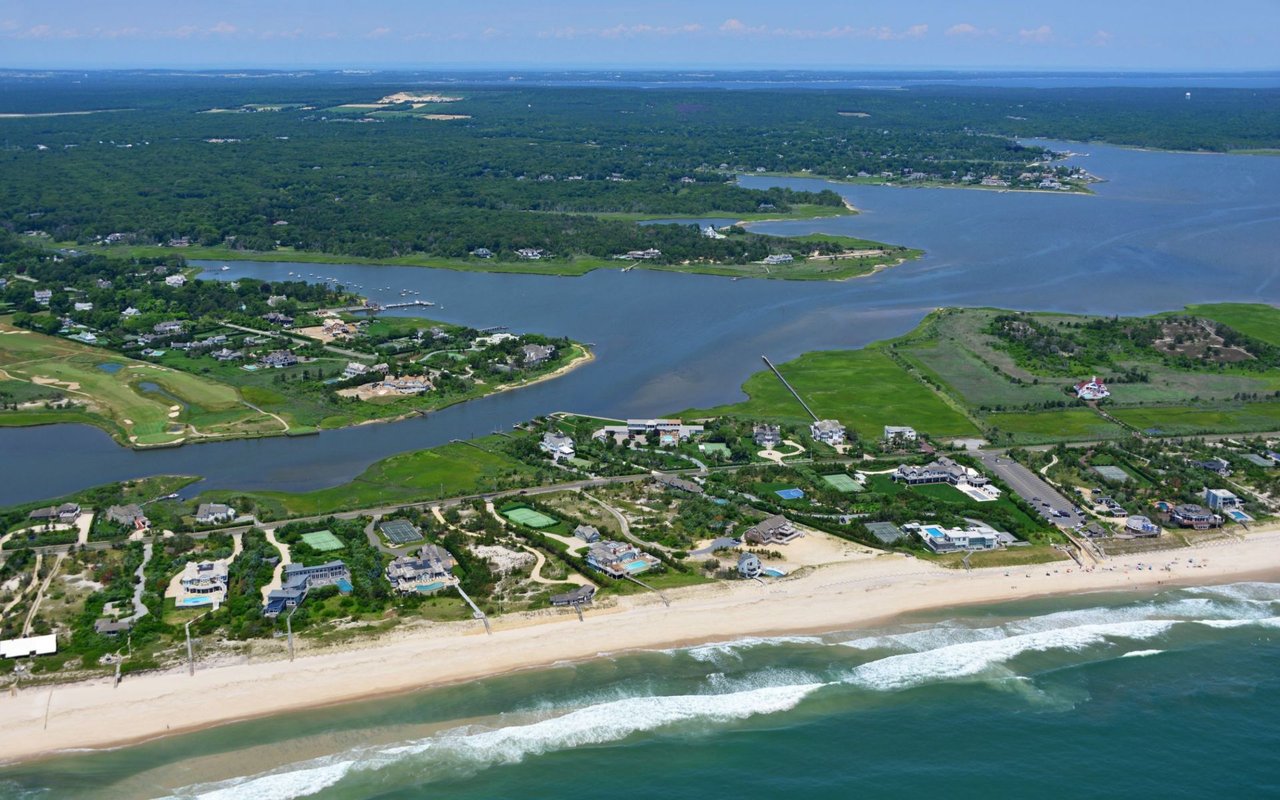
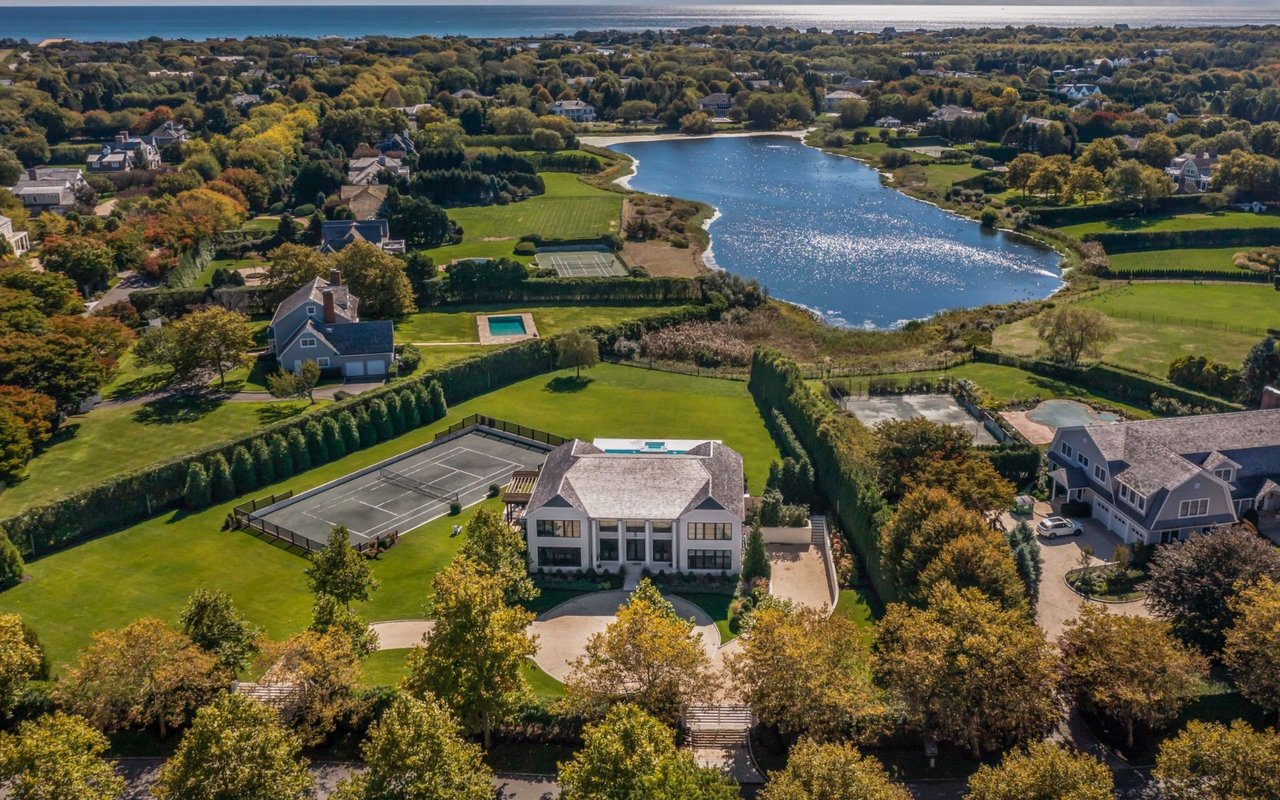
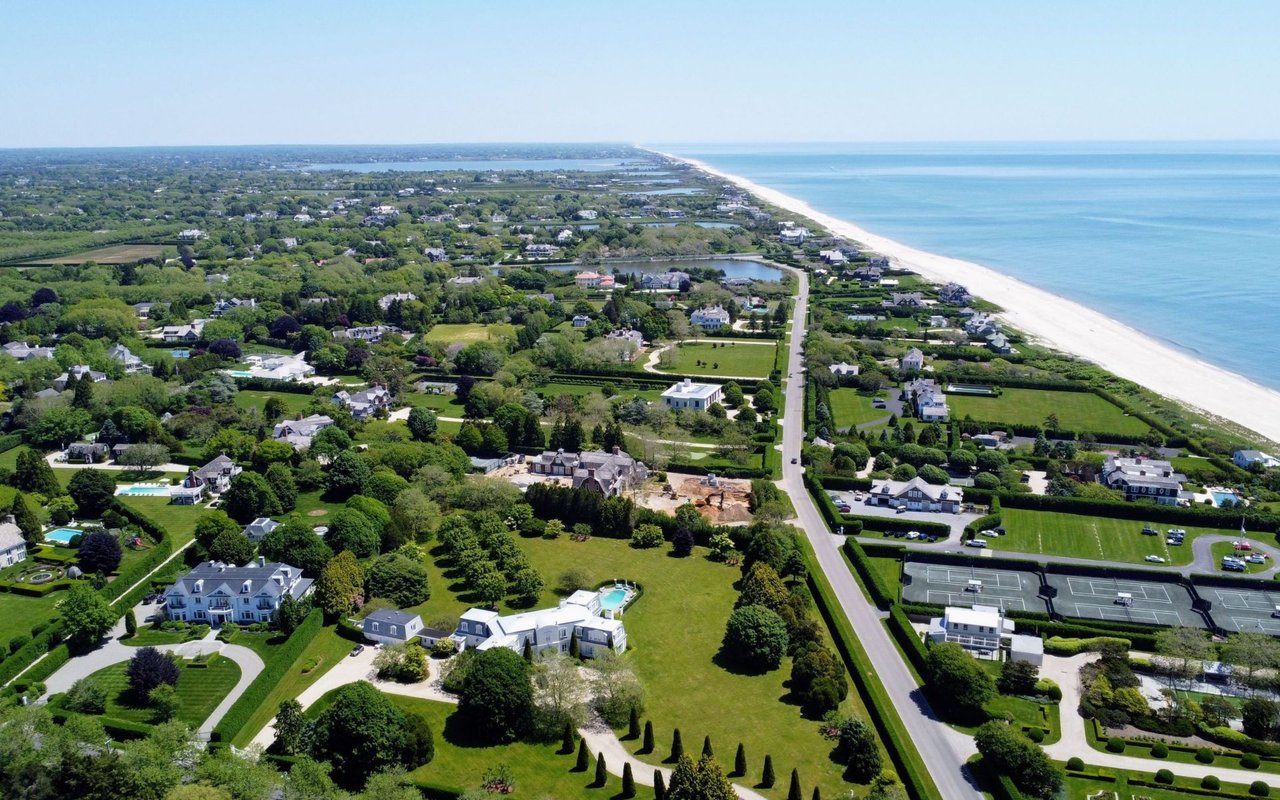
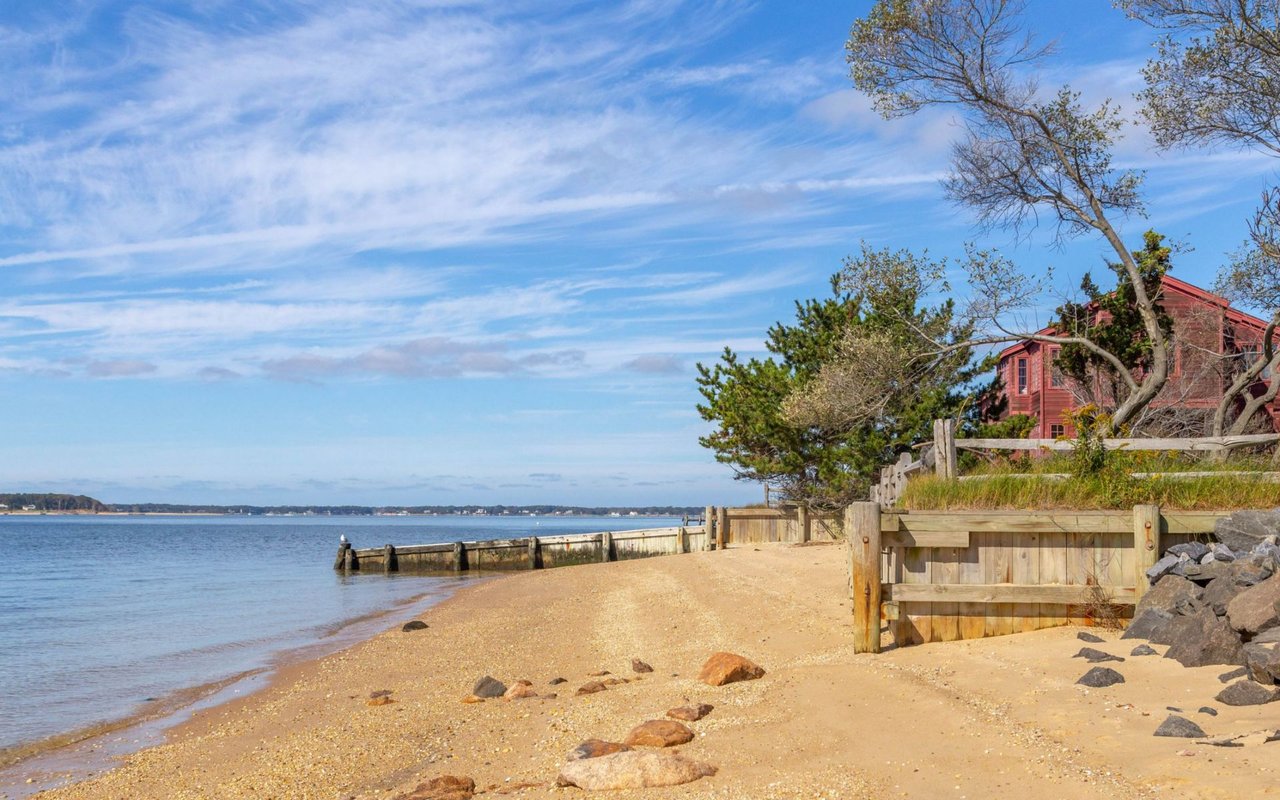
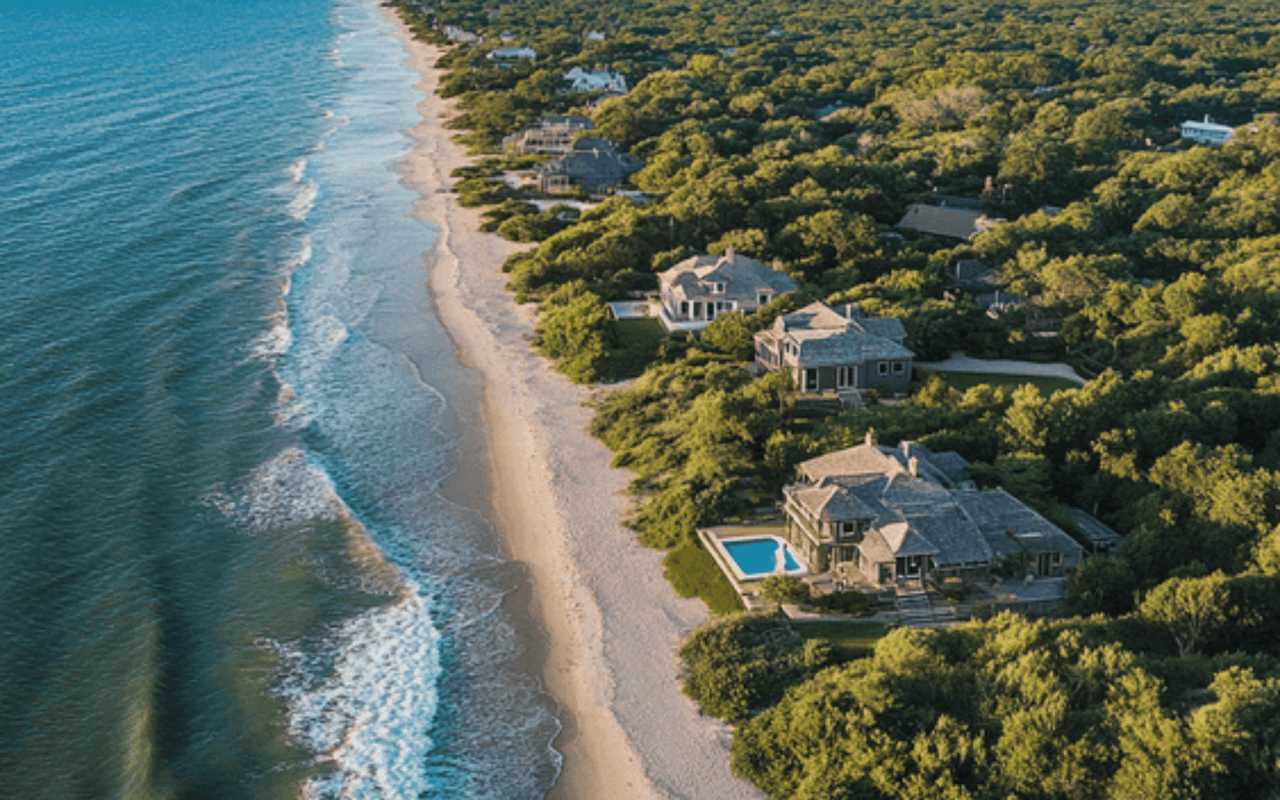
- North Haven — Across the bridge from the village, North Haven occupies a peninsula surrounded by Sag Harbor Cove, Shelter Island Sound, and Noyac Bay. The setting is private and residential, with established estates on generous lots. Buyers here are typically looking for direct water access and a sense of remove, while remaining minutes from the village.
- Noyac — West of the village, Noyac sits along the bay with a quieter pace than even Sag Harbor proper. The marinas and the western-facing sunsets define the neighborhood's personality. Properties here range from traditional shingled homes to newer construction designed to take full advantage of the waterfront.
- Bay Point and Redwood — These waterfront enclaves offer harbor views and proximity to the village center without the foot traffic of Main Street. Homes here tend to be set back on private roads, with mature landscaping that screens them from view.
Once you know Sag Harbor well, everywhere else on the East End feels like a compromise.
New Construction and Renovation
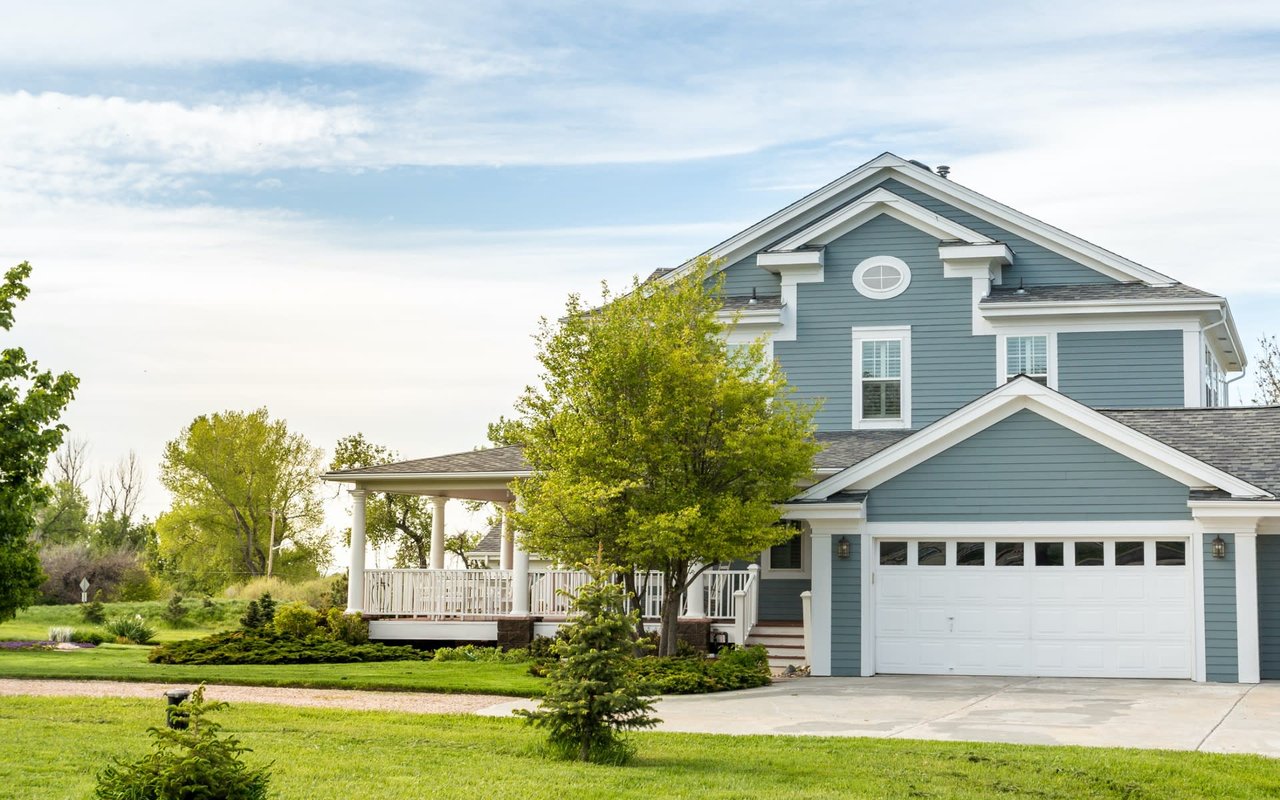
Sag Harbor’s historic district regulations mean that new construction within the village core must respect the existing architectural language—a constraint that most serious buyers view as a feature, not a limitation. Outside the historic district, particularly in North Haven and Noyac, contemporary builds with clean lines and walls of glass are increasingly common, designed to frame the water views that define these neighborhoods.
Renovation projects in the village often represent some of the most compelling opportunities in the market. A well-executed restoration of a 19th-century home—one that honors the original structure while modernizing systems and interiors—creates something that neither pure historic preservation nor new construction can achieve on its own.
A Village With a Deep Backstory
Sag Harbor’s cultural weight is disproportionate to its size. Herman Melville mentioned it in Moby-Dick. James Fenimore Cooper set part of The Sea Lions here. John Steinbeck bought a house in the village in 1955 and built a six-sided writing cabin he called Joyous Gard—named after Lancelot’s castle—where he wrote The Winter of Our Discontent and much of Travels with Charley. In 1963, he helped found the Old Whalers Festival and wrote its manifesto.
That literary tradition did not end with Steinbeck. E.L. Doctorow, Joseph Heller, Kurt Vonnegut, and Peter Matthiessen all lived and wrote here. The village attracted writers for the same reason it attracts discerning buyers today: it is a place where serious people can live quietly and do their best work without performing for an audience.
Cultural Landmarks
- The Old Whalers’ Church — An 1844 National Historic Landmark with a distinctive Egyptian Revival steeple, visible from the harbor and serving as the village’s architectural signature.
- The Whaling & Historical Museum — Housed in Benjamin Huntting II’s 1845 Greek Revival mansion, designed by Minard Lafever, with Corinthian columns and a roofline ornamented with decorative flensing knives and blubber spades.
- Bay Street Theater — A professional theater on the waterfront, home to the Elaine Steinbeck Stage. Produces new work alongside established plays in a building that sits directly on the harbor.
- Sag Harbor Cinema — A beloved village institution that reopened after a community-driven restoration, screening independent and repertory film year-round.
The SANS Communities
Any honest account of Sag Harbor must include the story of Sag Harbor Hills, Azurest, and Nineveh—the waterfront subdivisions known collectively as SANS. Founded between 1947 and 1952, these communities were created by African American families who self-financed their homes during an era when discriminatory lending practices made that process extraordinarily difficult. Azurest was developed by Maude Terry and her sister Amaza Lee Meredith, one of the first recognized African American female architects in the country.
SANS became a gathering place for Black artists, intellectuals, and leaders during the mid-20th century and was added to the National Register of Historic Places in 2019. The communities remain an integral part of Sag Harbor’s identity—a reminder that the village’s character was shaped by more than one tradition.
Living in Sag Harbor
What separates Sag Harbor from most of the East End is that the village functions as a real town, not just a seasonal backdrop. Main Street is walkable, lined with independent shops, galleries, and restaurants that remain open well past Labor Day. You can walk to dinner, pick up groceries, stop by Black Swan Antiques or Grenning Gallery, and return home without starting your car. That sounds simple, but it is genuinely rare on the East End, where most daily life requires driving.
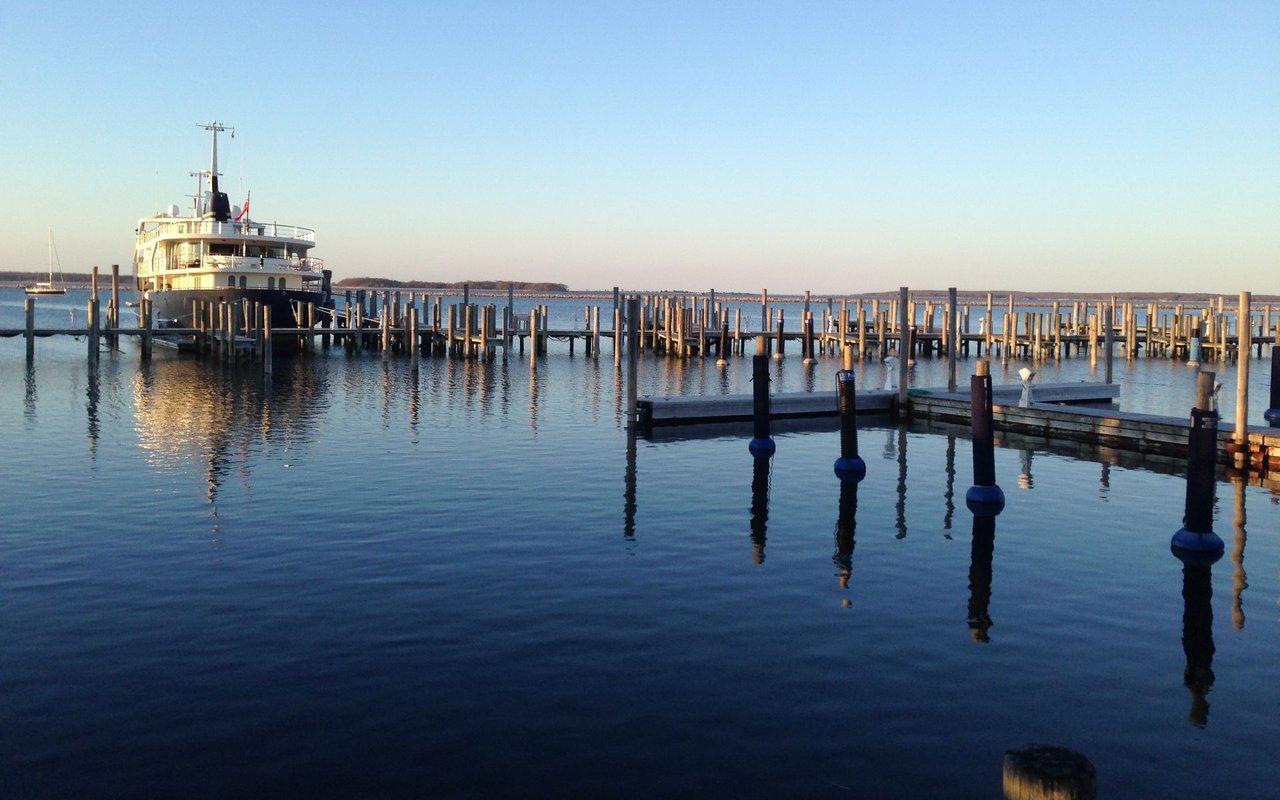
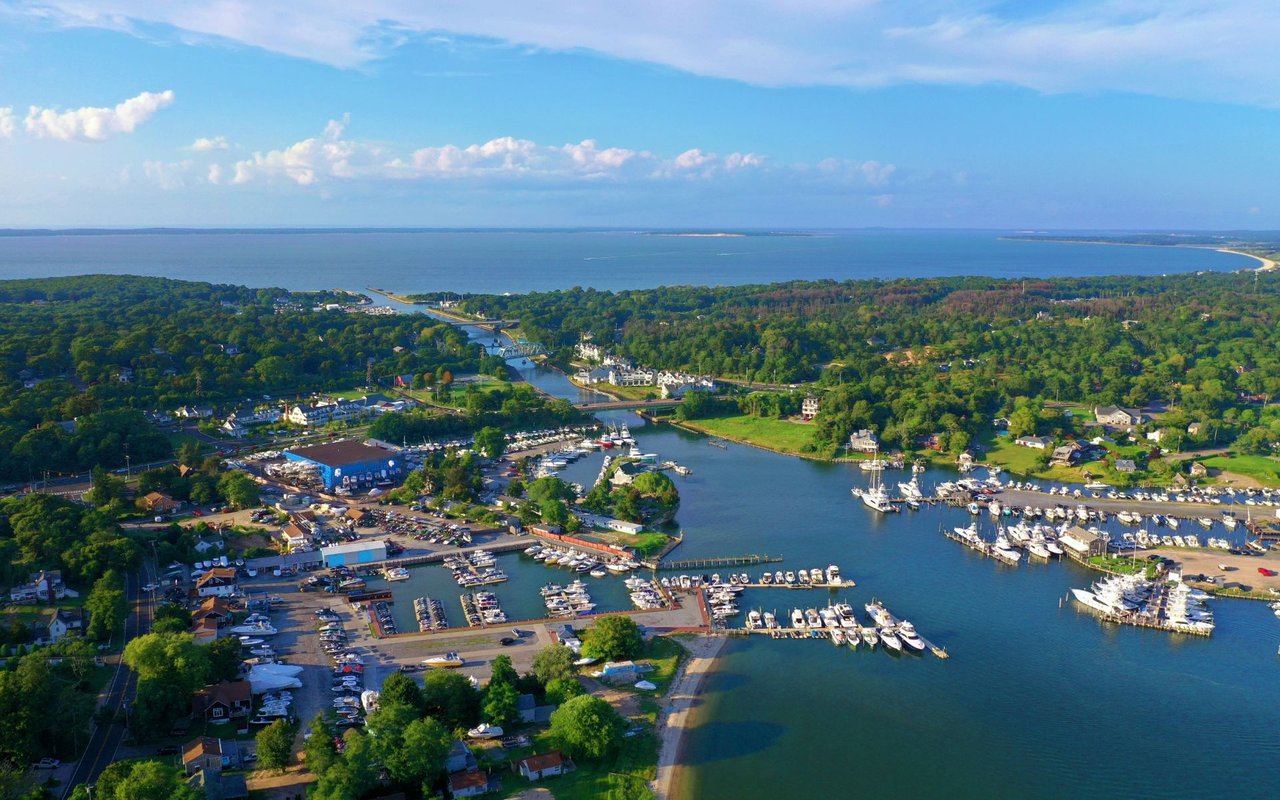
The dining runs from the established—Le Bilboquet, Lulu Kitchen & Bar, The American Hotel—to the casual spots that locals rely on year-round. The harbor itself is a working marina, not a decorative one. Boats are launched, rigged, and maintained here, and the waterfront has the texture of a place that earns its relationship with the water rather than merely framing it.
Sag Harbor functions as a real town, not just a seasonal backdrop. That sounds simple, but it is genuinely rare on the East End.
The village’s position straddling the town lines of both Southampton and East Hampton gives it access to the beaches and public amenities of both townships—an administrative detail that translates into a practical advantage for residents.
Who Buys in Sag Harbor
Sag Harbor attracts buyers who have considered the rest of the Hamptons and decided they want something different. The typical profile is someone who values a walkable village over a gated compound—someone more interested in the provenance of a captain’s house than the amenity package of a new build. That said, the market is broad enough to accommodate both. North Haven and Noyac draw buyers whose priority is waterfront living, while the village core appeals to those who want to be part of a year-round community with genuine cultural infrastructure.
Manhattan buyers are a significant part of the market, and many of our New York clients eventually explore the East End through us. Sag Harbor tends to be the destination for buyers who already know the Hamptons well enough to have an opinion about where they do and do not want to spend their time. It is rarely a first Hamptons purchase. It is almost always a deliberate one.
Our Perspective
Noble’s personal connection to Sag Harbor spans more than a decade. Our team’s Hamptons practice is built around that firsthand knowledge—supplemented by dedicated local specialists who understand the micro-markets and the relationships that determine whether a property reaches the open market at all. We bring the same long-term advisory approach to the East End that our clients know from our work in Manhattan. If you are considering Sag Harbor, we welcome the conversation.