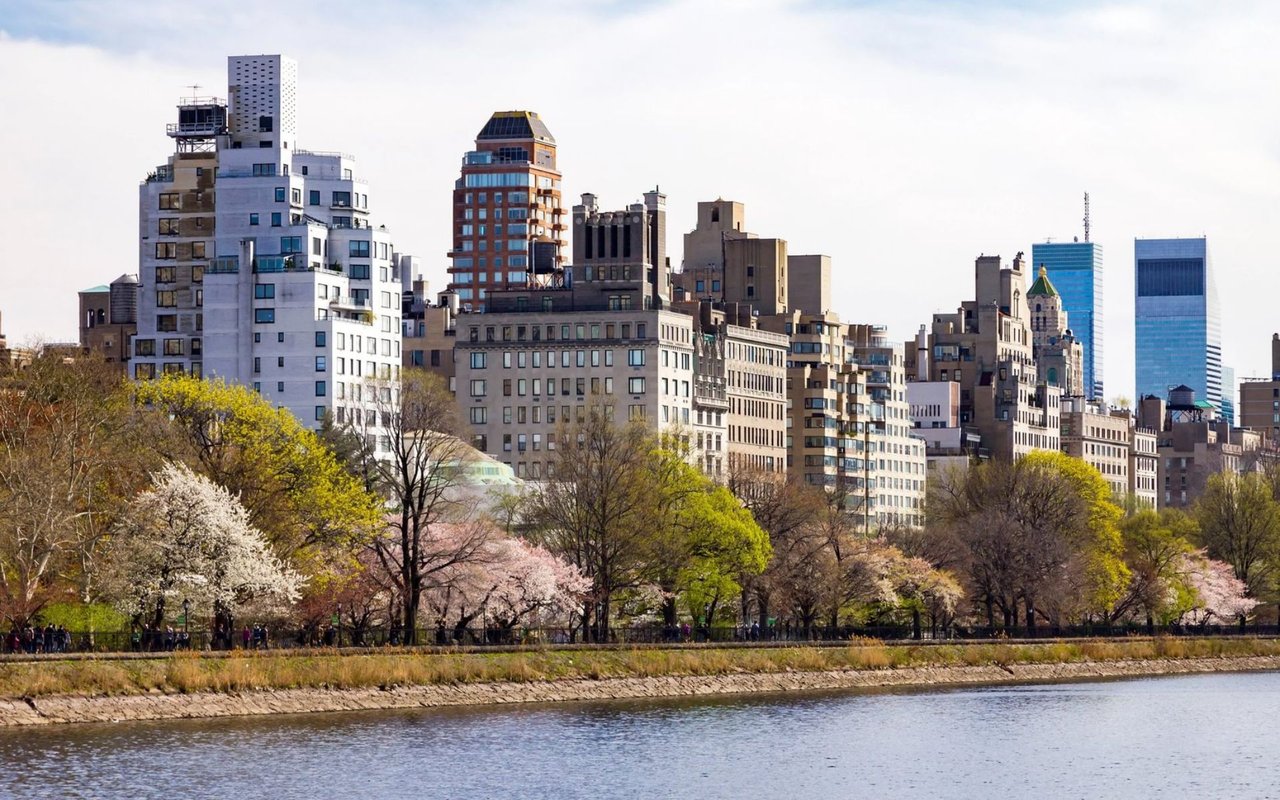
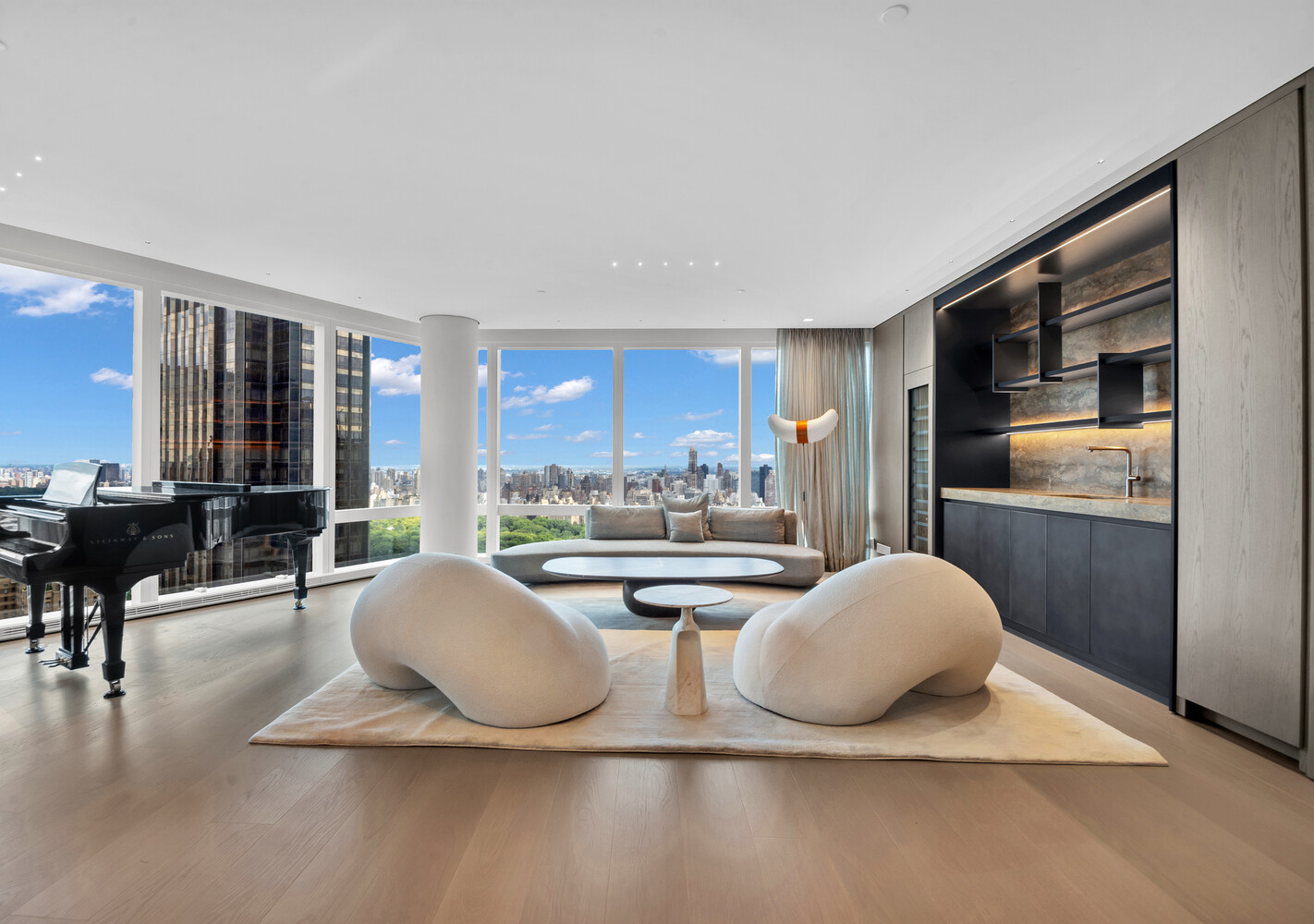
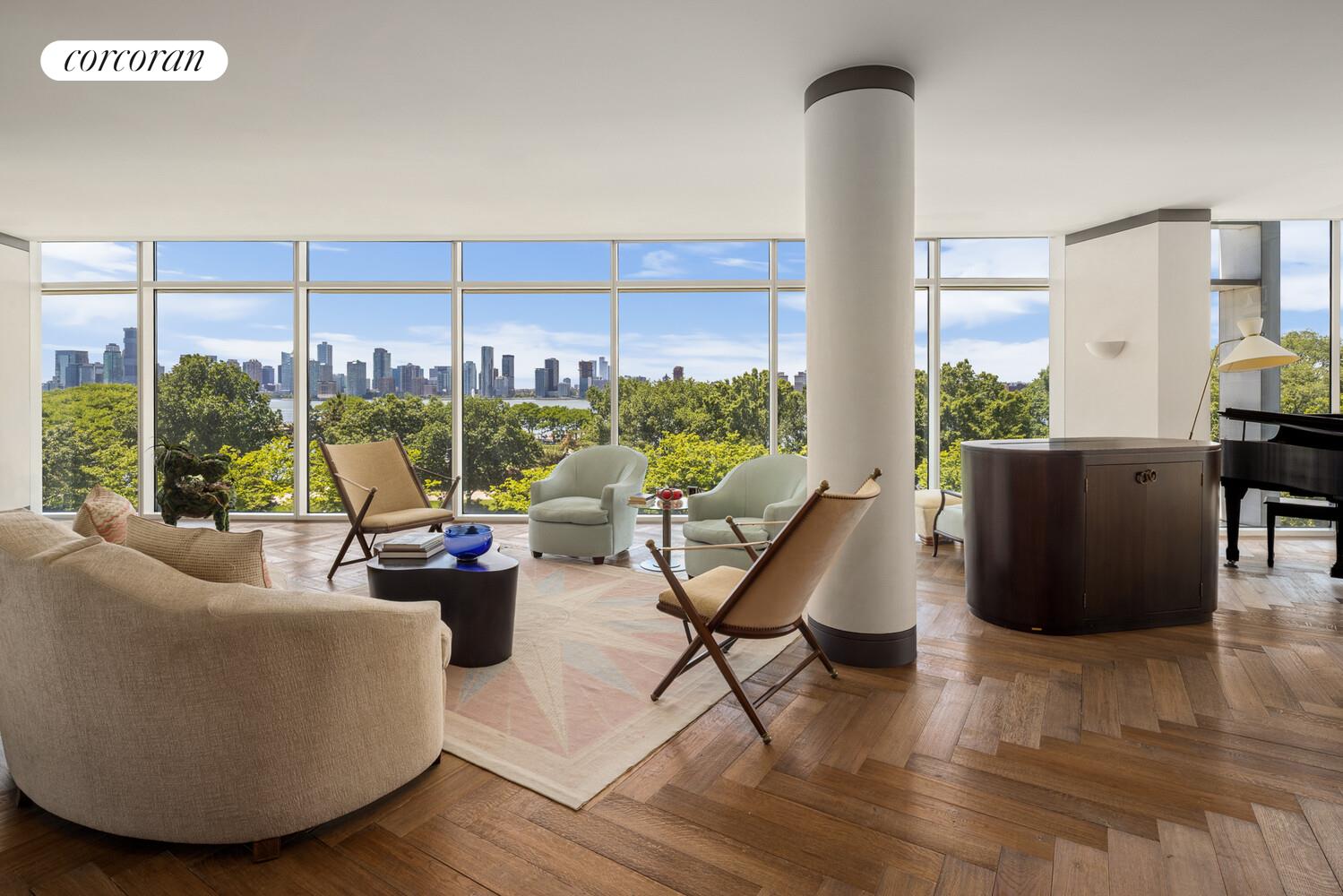
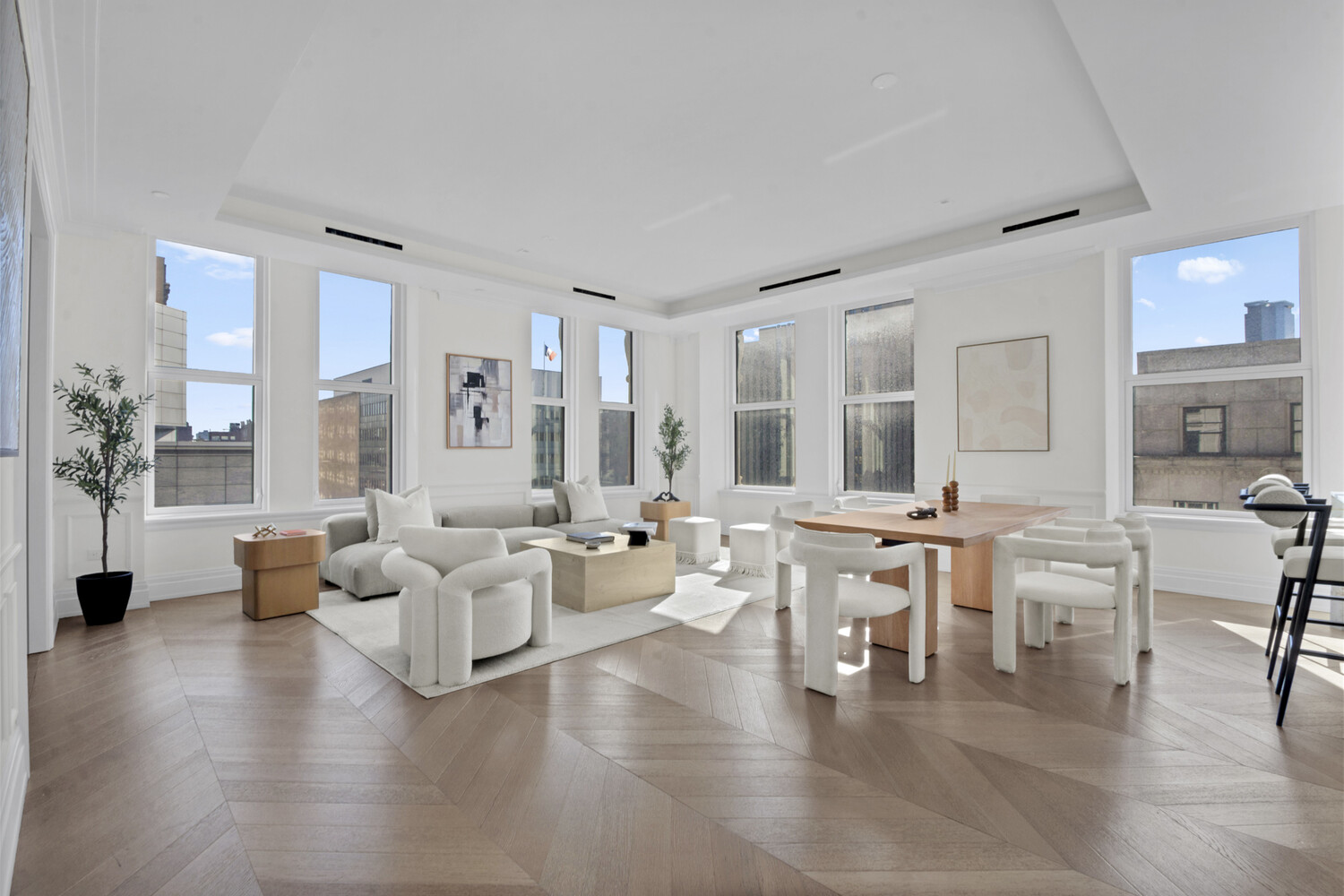
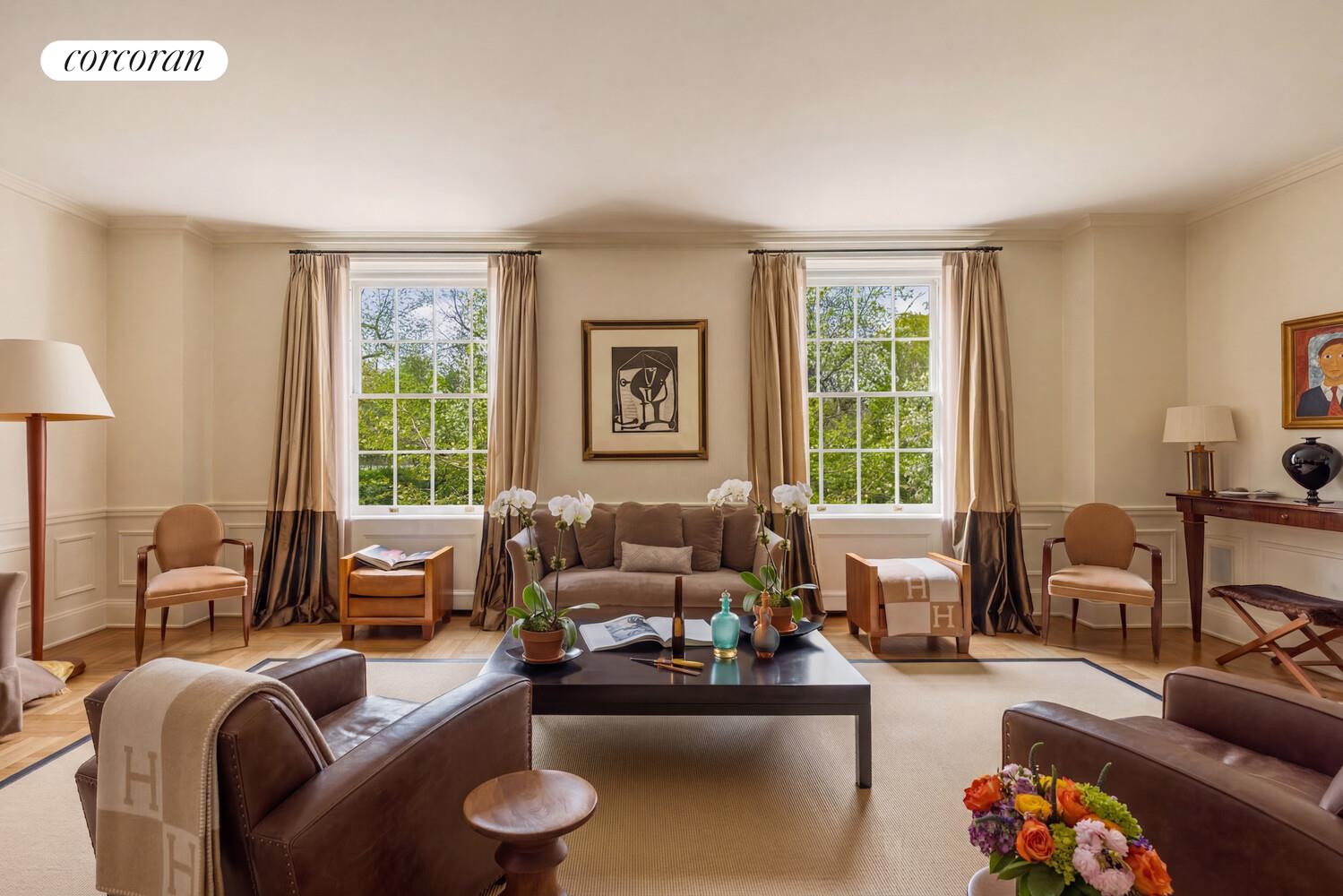
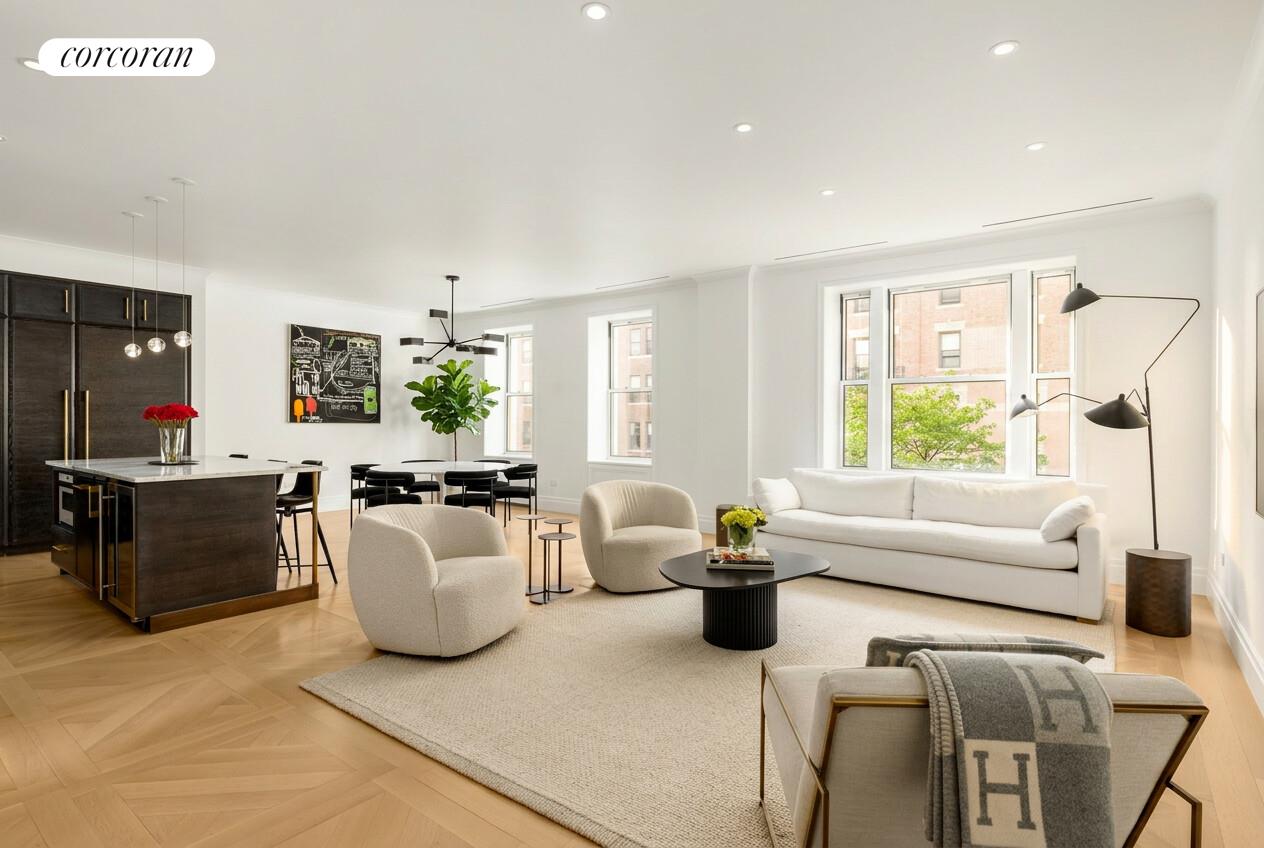
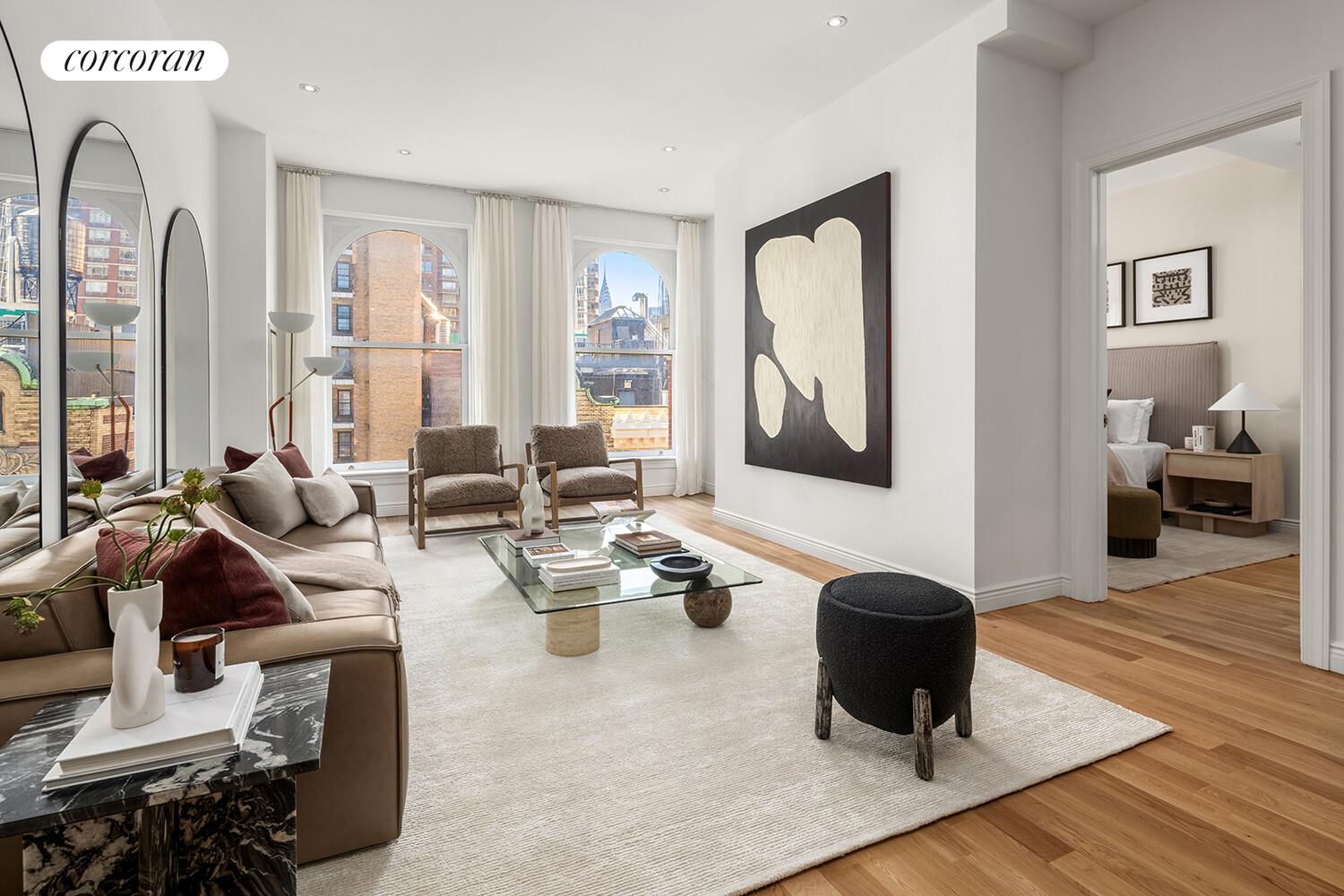
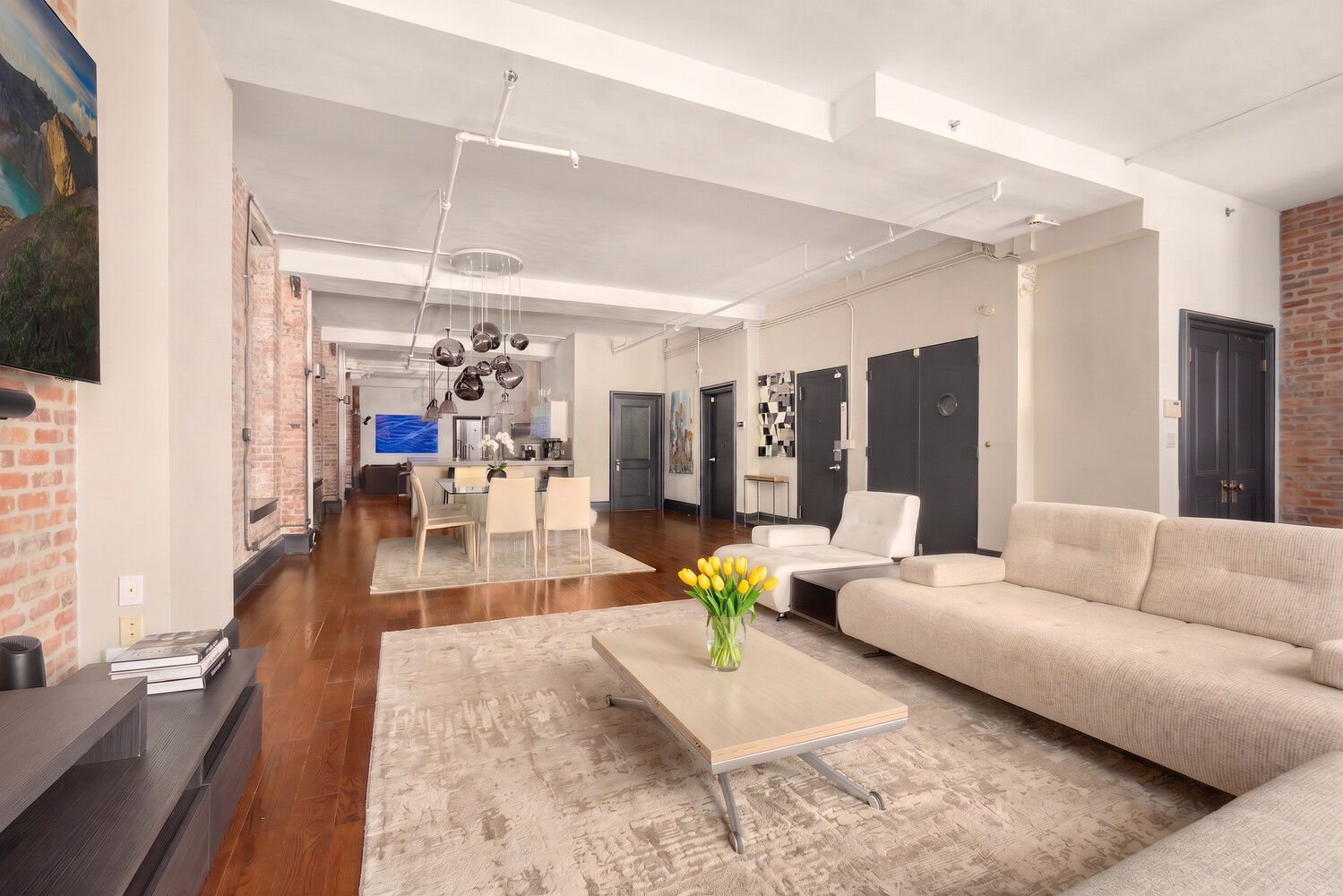
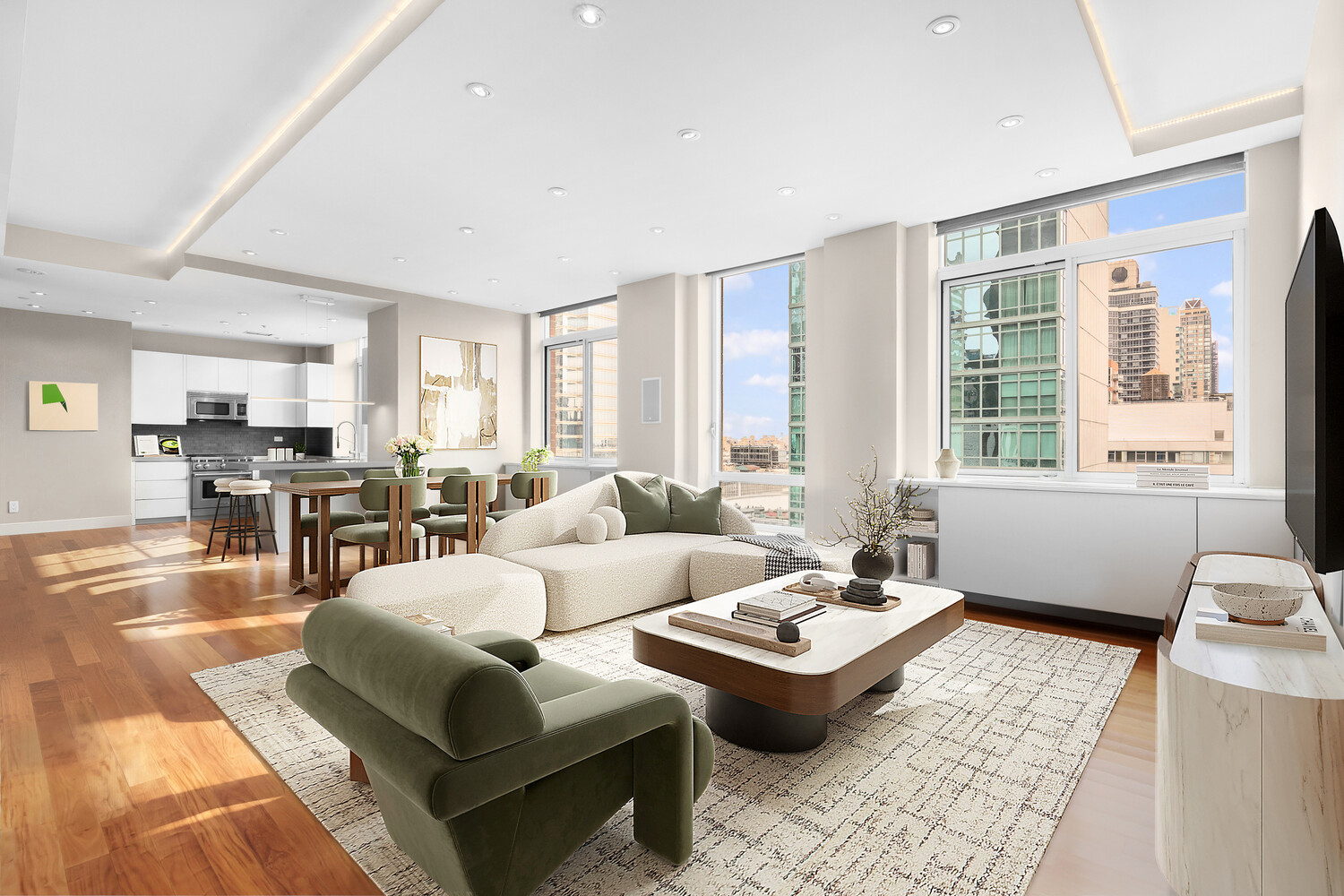
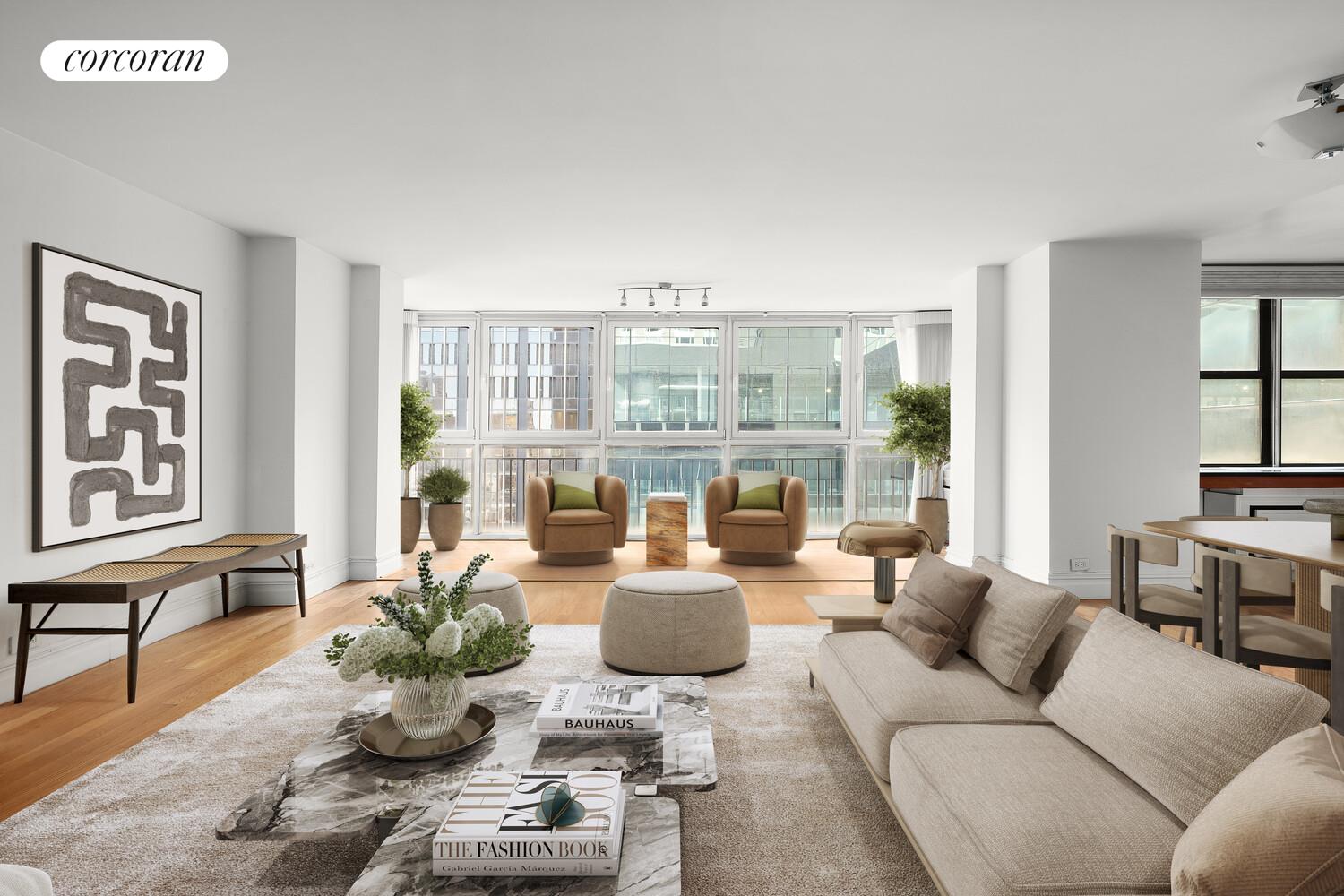
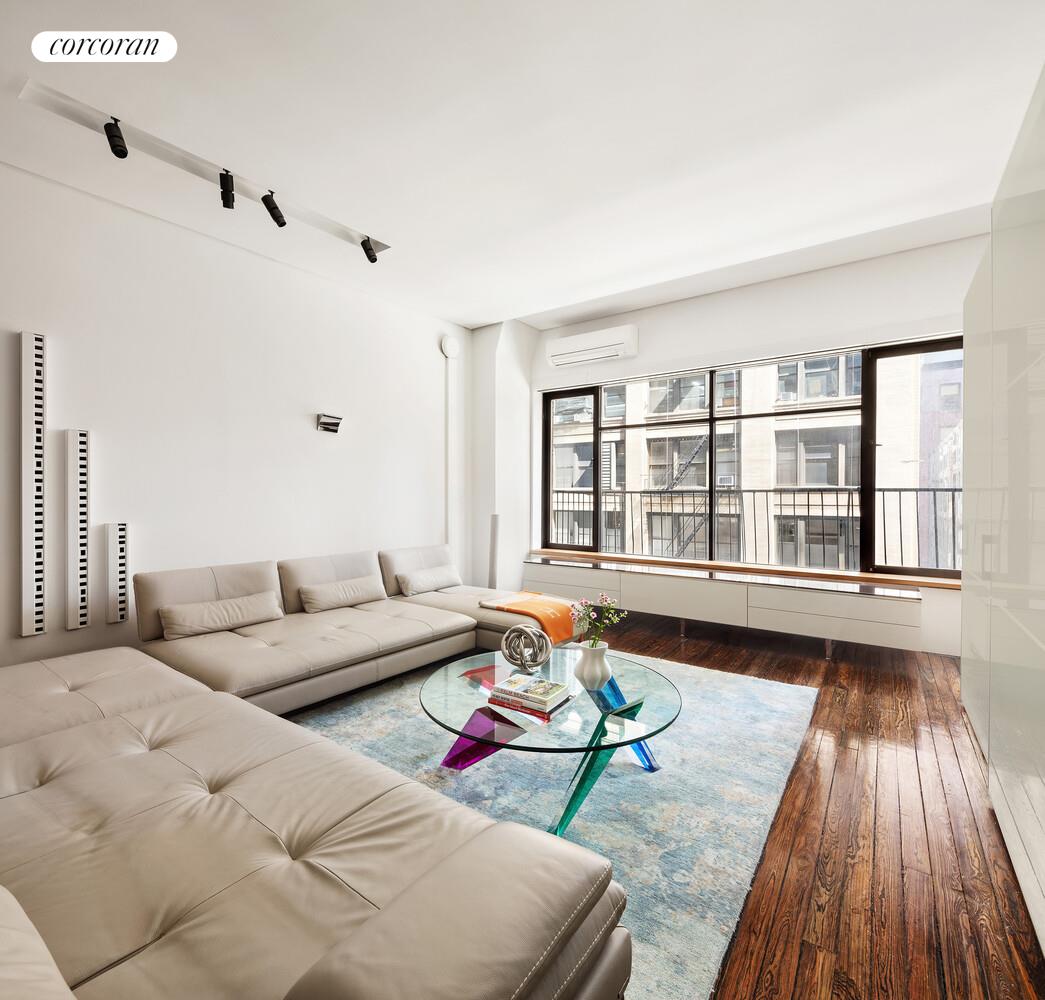
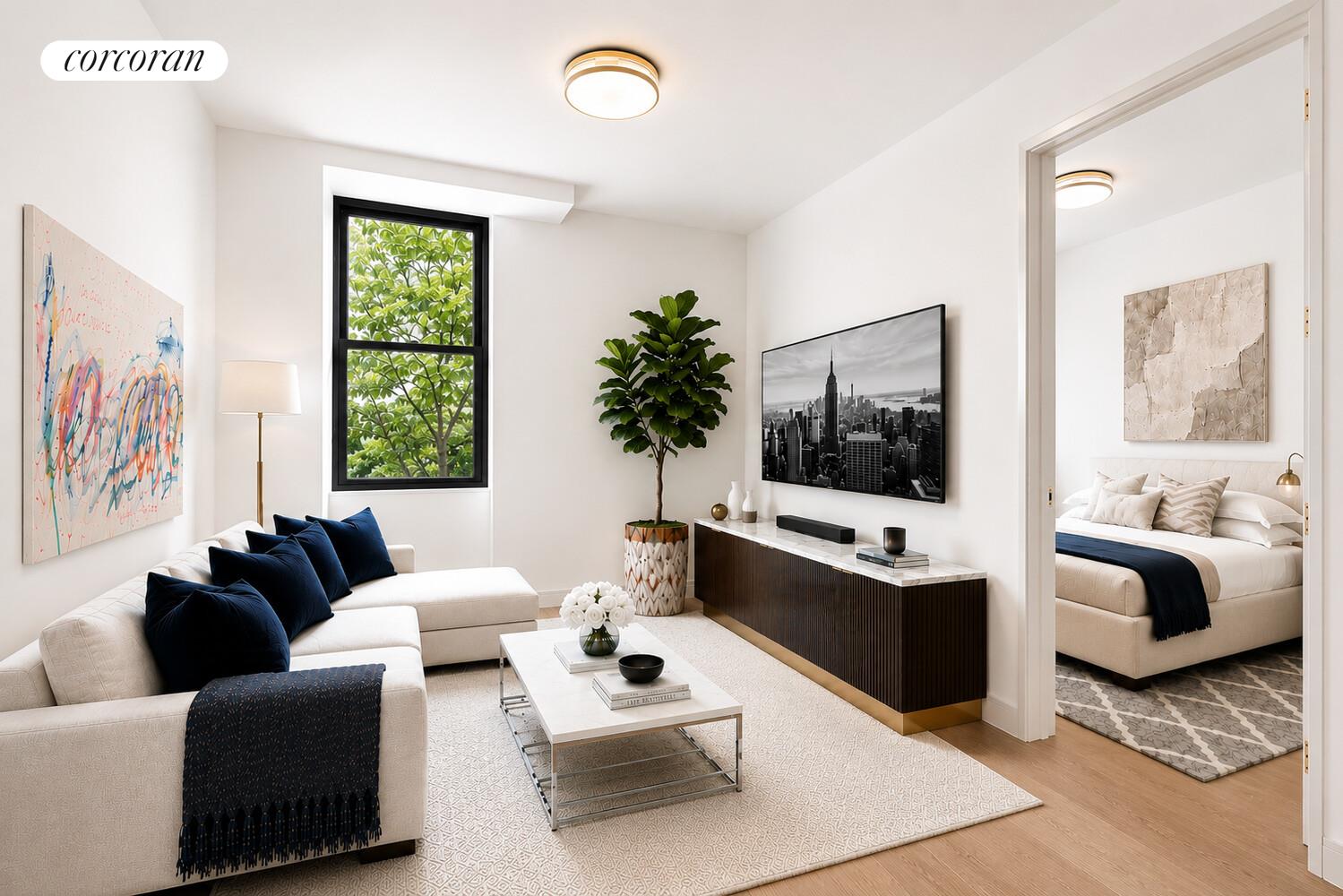
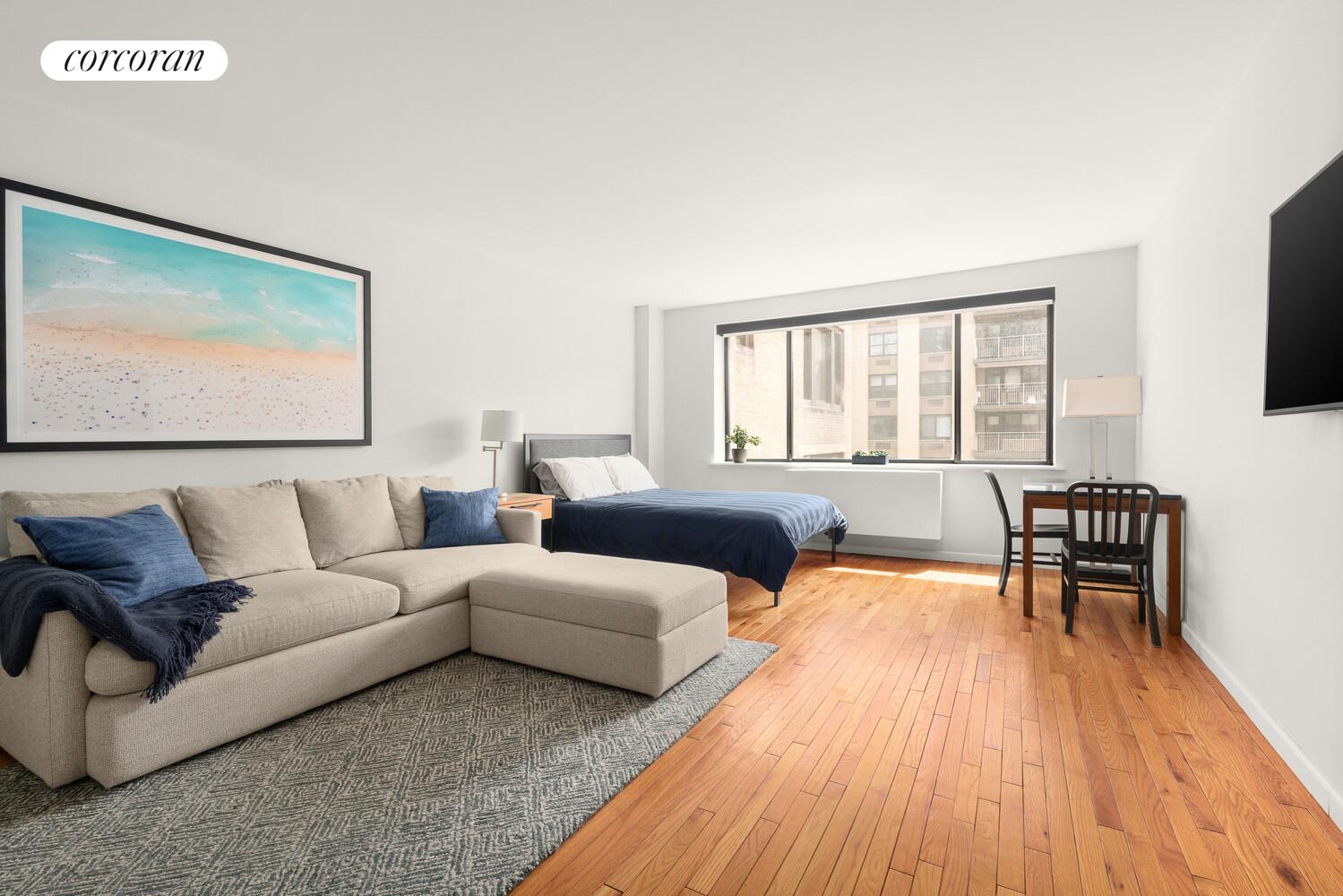
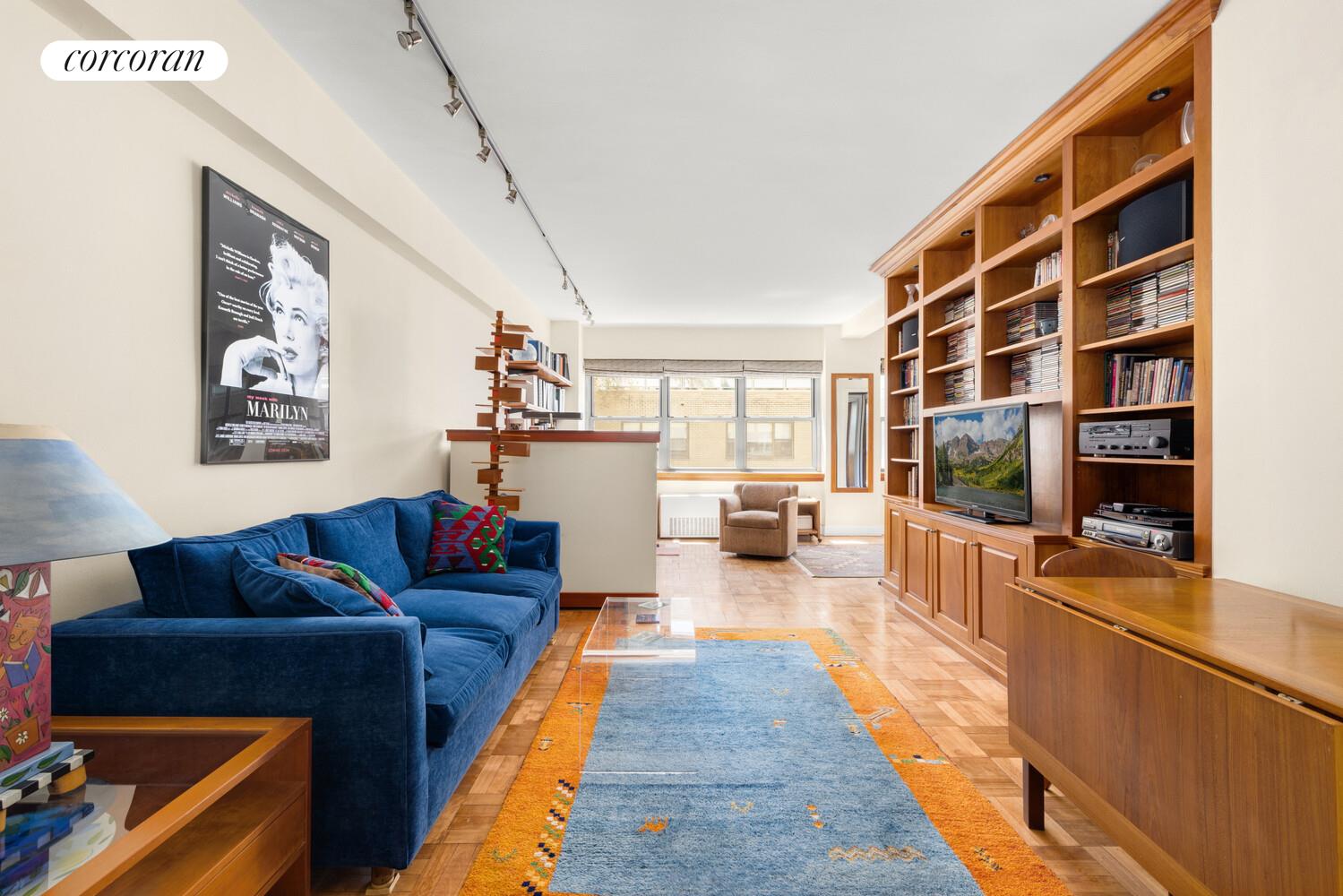
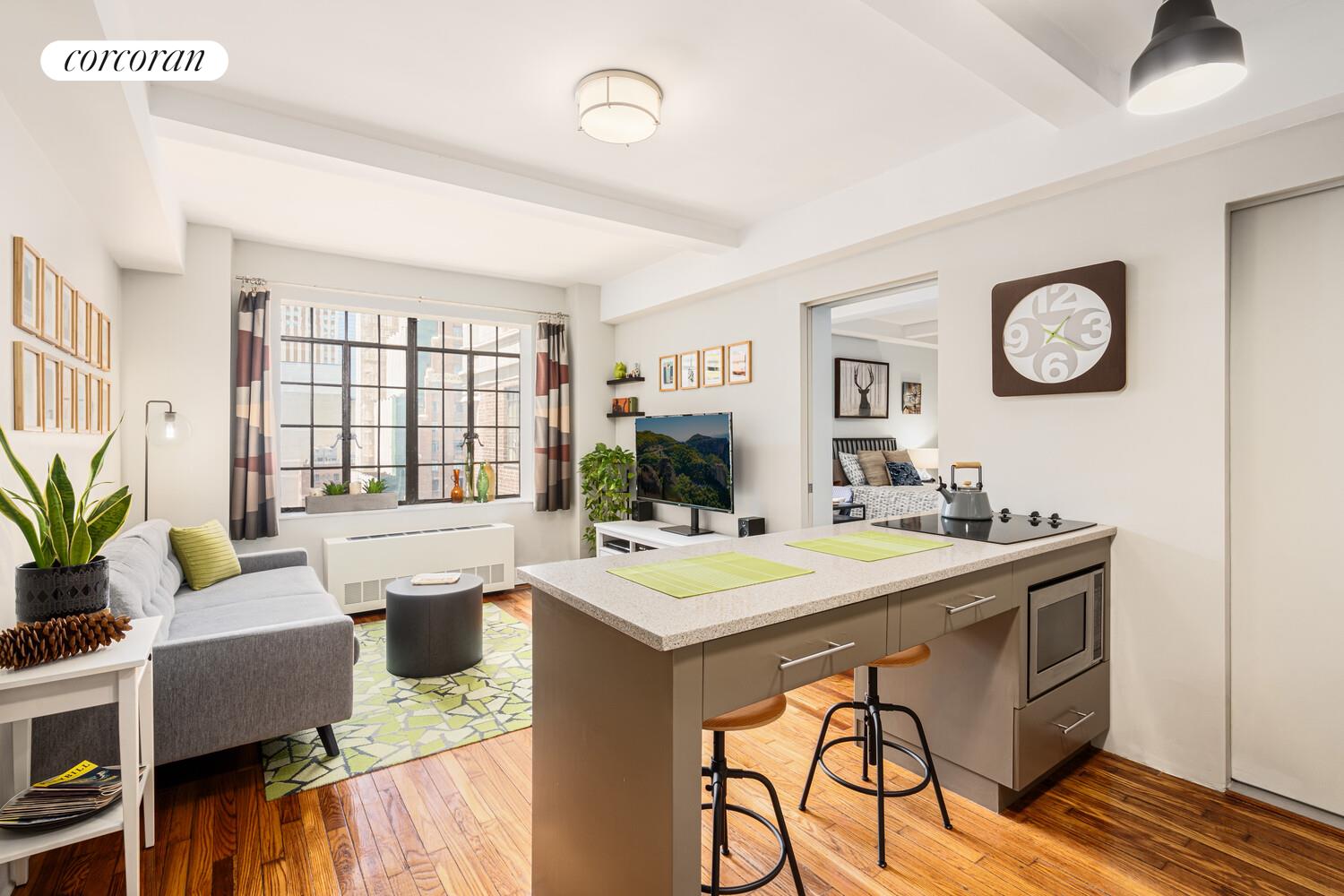
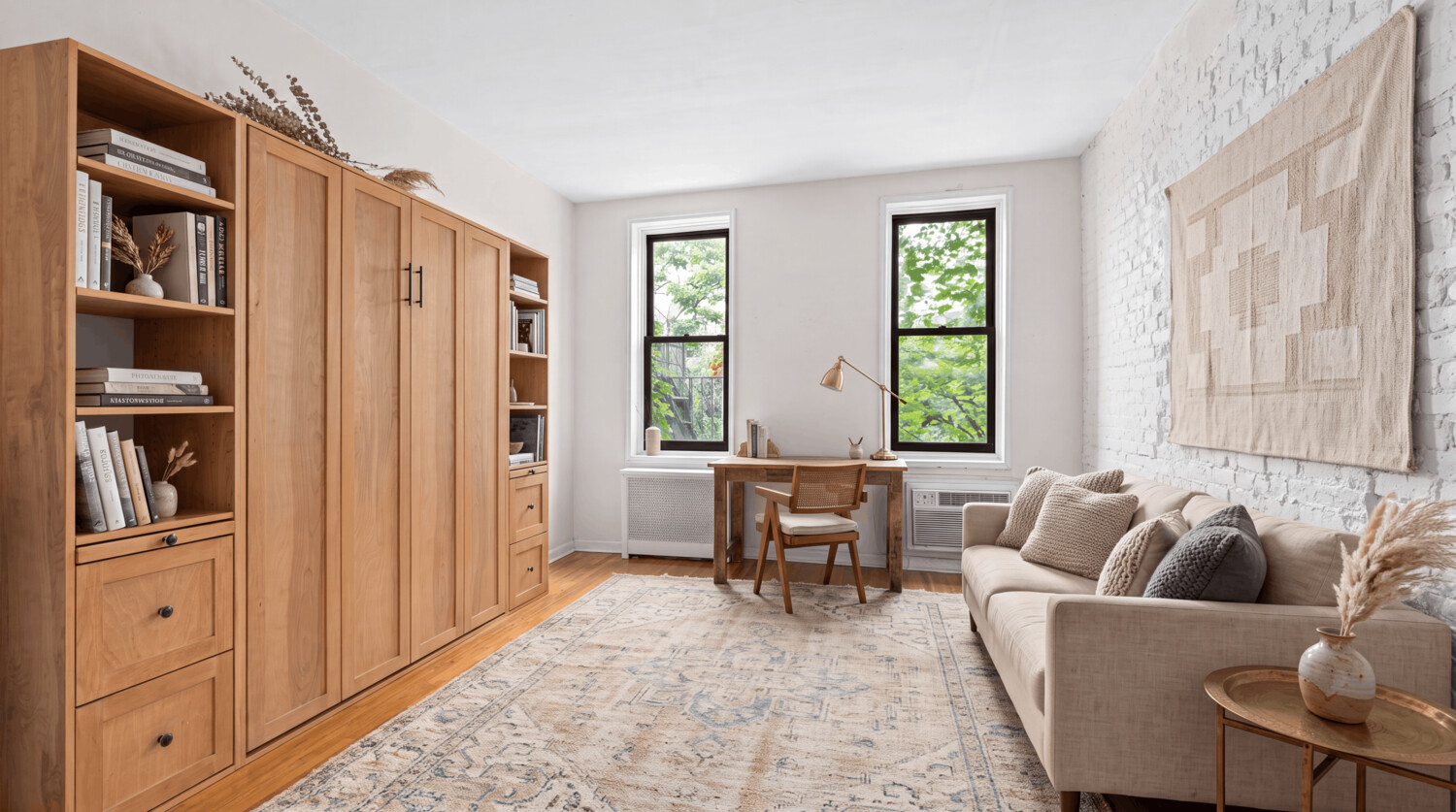
Our Featured Listings in the Area
- previous
- next
Manhattan's residential market does not behave like a single market. It is a network of micro-markets, each governed by its own set of rules: co-op boards with distinct temperaments and landmarked districts with distinct renovation constraints. A buyer moving from the Upper East Side to Tribeca is not merely changing neighborhoods. They are entering a different system with different norms, different expectations, and different variables that affect value.
Noble Black & Partners has consistently ranked among the top residential teams in New York City. That position reflects work across the full range of Manhattan's residential landscape, from the pre-war co-ops along Central Park West and the co-operative apartments of Park Avenue to new developments in Hudson Yards and the townhouse market in Greenwich Village. Our approach is advisory rather than transactional. We counsel our clients with the same rigor that Noble brought from his training as a securities lawyer at the University of Virginia and his years at a leading Wall Street firm.
Manhattan's co-operative apartment buildings remain unlike anything else in American real estate. The board approval process, the financial disclosure requirements, and the social conventions that govern buildings like the Dakota, the San Remo, and 740 Park Avenue create a market that operates on reputation and relationships as much as on price. We understand these institutions because we have worked within them for years, and we guide our clients through the application process with the preparation it demands.
The new development market in Manhattan moves on its own cycle. Our current and recent portfolio includes projects at 111 Murray Street in Tribeca, the Waldorf Astoria Residences on Park Avenue, and Aman New York on Fifth Avenue. Each building represents a different thesis about how luxury living should feel, and we advise our clients on which thesis matches their life rather than simply directing them toward the newest project.
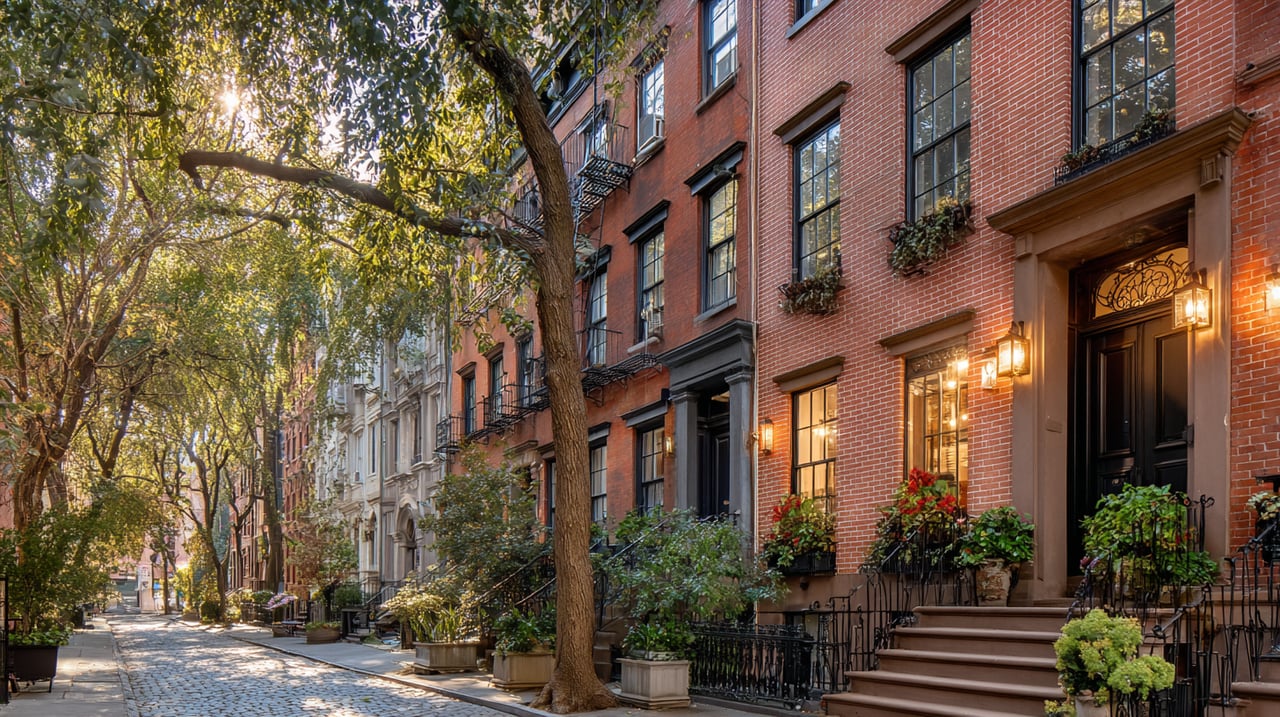
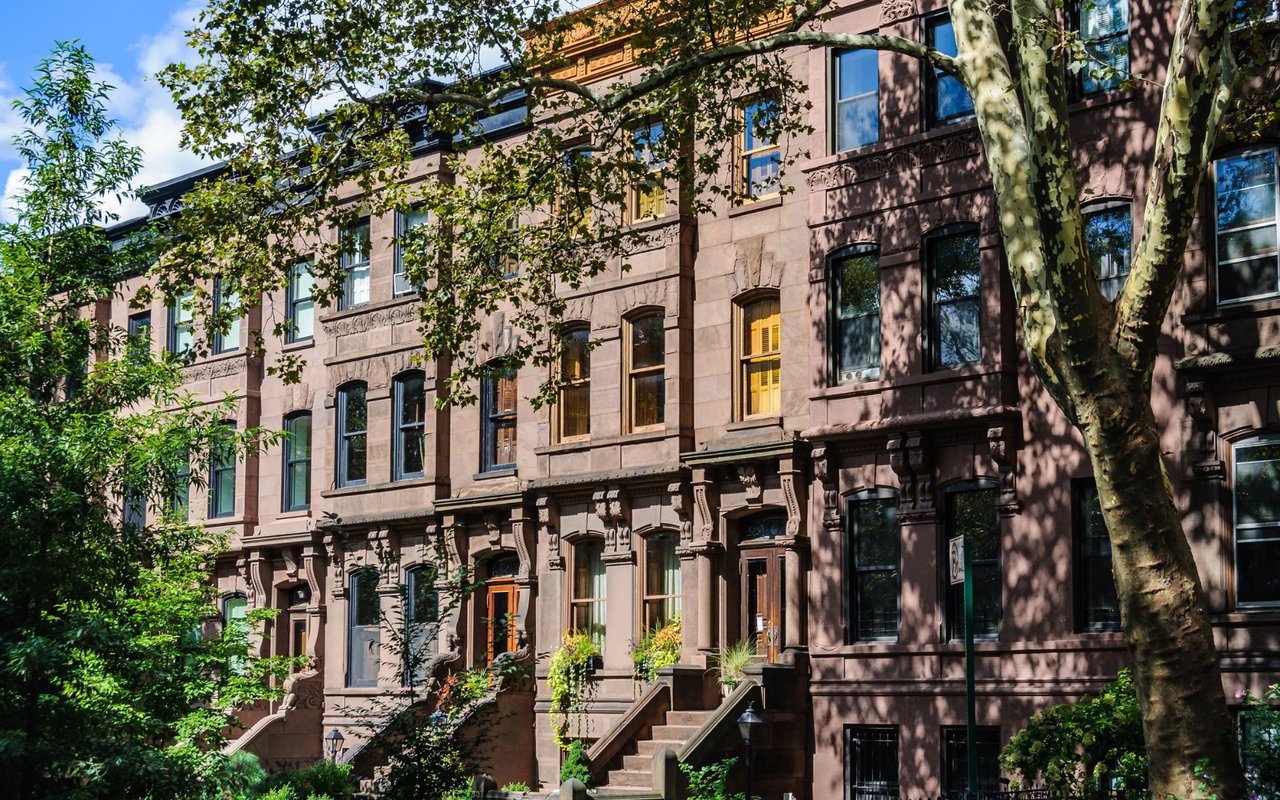
The Manhattan townhouse market is the most supply-constrained segment in the city. These properties trade infrequently, command premiums that reflect genuine scarcity, and require expertise that goes beyond what a standard residential transaction involves. Noble has sold townhouses at record prices in the Village, and we bring that depth of knowledge to every townhouse engagement.
Manhattan does not reward generalists. It rewards advisors who understand each building as its own market.
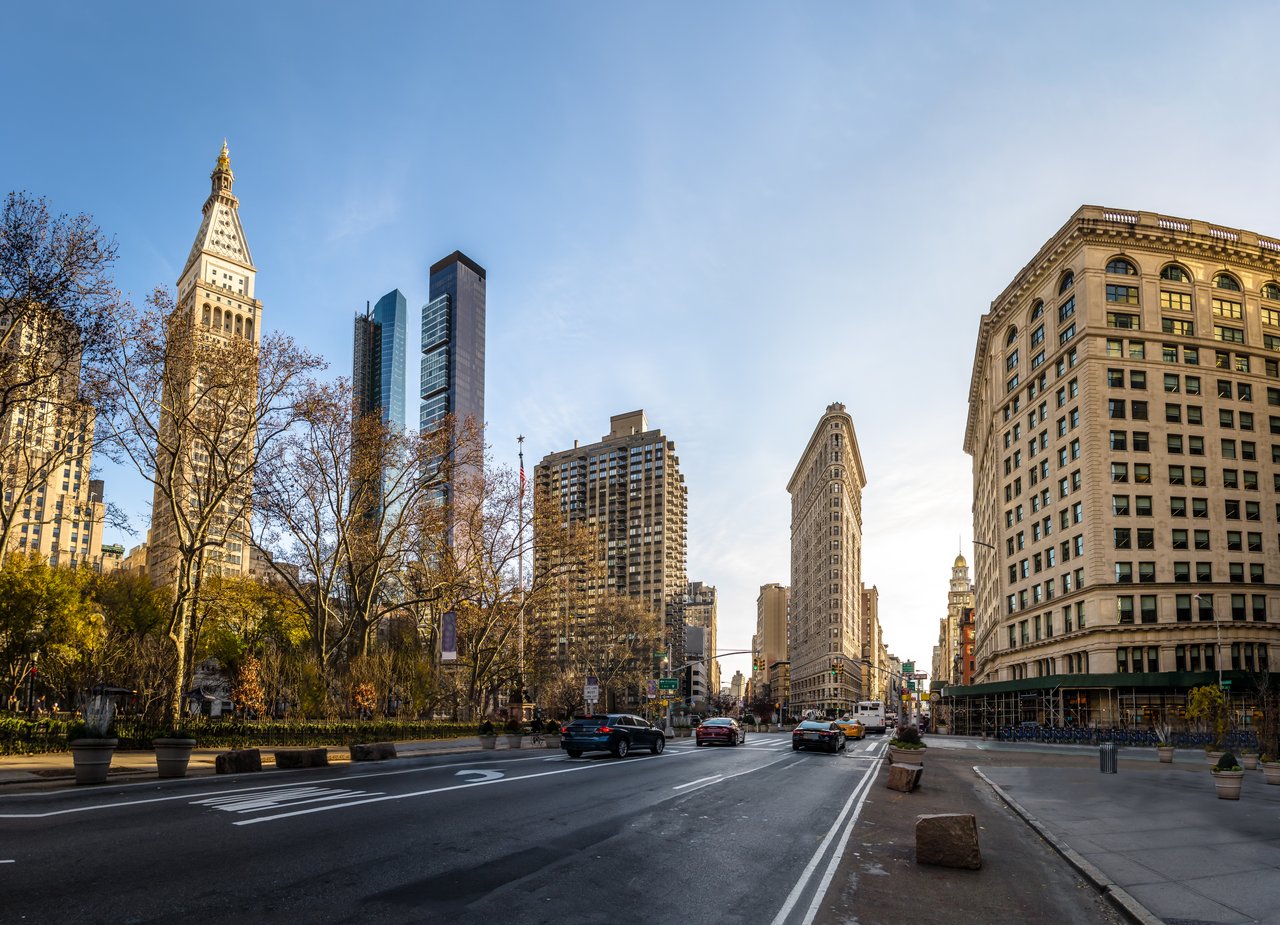
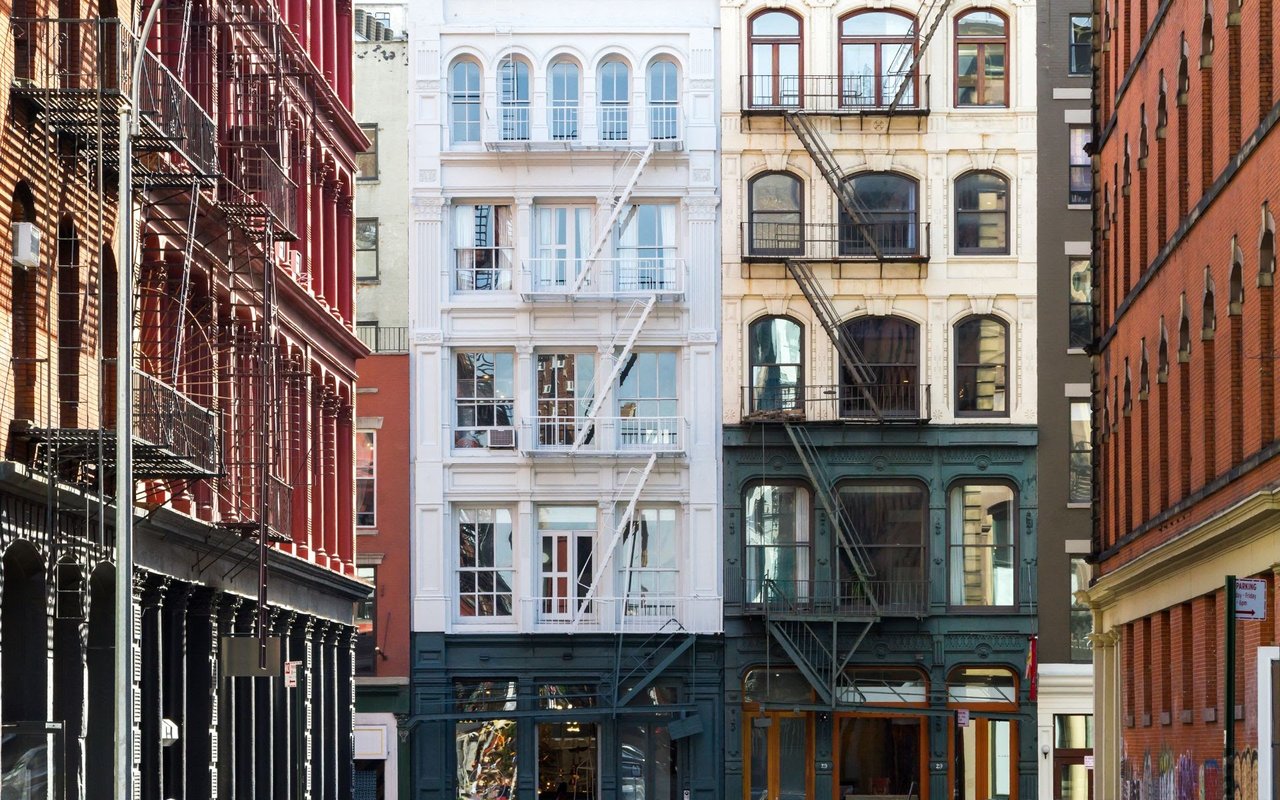
Each of Manhattan's neighborhoods has its own dedicated page on our site, and we encourage you to explore them. The character of Soho is not the character of the Upper West Side. The buying process in a landmarked West Village townhouse is entirely different from purchasing in a new Financial District tower. The Greenwich Village co-op market operates under constraints that the Flatiron condominium market does not share. These are not minor variations. They are fundamental differences that determine whether a purchase succeeds or disappoints.
Our team includes specialists with deep knowledge of specific neighborhoods and building types. We coordinate across those specialties so that our clients benefit from the full range of our expertise regardless of where in Manhattan their search takes them.
Manhattan is not a market that yields its best opportunities to passive participants. The buyers and sellers who achieve the strongest outcomes are those who work with advisors who know the inventory before it reaches the public market and who can evaluate a new development's construction quality beyond the renderings. That is the standard we hold ourselves to, and it is why our clients return to us for the next transaction.
1,614,893 people live in Manhattan, where the median age is 41 and the average individual income is $102,040. Data provided by the U.S. Census Bureau.
Total Population
Median Age
Population Density Population Density This is the number of people per square mile in a neighborhood.
Average individual Income
There's plenty to do around Manhattan, including shopping, dining, nightlife, parks, and more. Data provided by Walk Score and Yelp.
Explore popular things to do in the area, including Peter Elliot Women, Encore International, and Camp Experts and Teen Summers.
| Name | Category | Distance | Reviews |
Ratings by
Yelp
|
|---|---|---|---|---|
| Shopping | 0.41 miles | 0 reviews | 0/5 stars | |
| Shopping | 0.82 miles | 0 reviews | 0/5 stars | |
| Active | 0.41 miles | 0 reviews | 0/5 stars | |
| Active | 0.55 miles | 0 reviews | 0/5 stars | |
| Active | 0.73 miles | 0 reviews | 0/5 stars | |
| Active | 0.73 miles | 0 reviews | 0/5 stars | |
| Active | 0.82 miles | 0 reviews | 0/5 stars | |
| Active | 0.9 miles | 0 reviews | 0/5 stars | |
| Nightlife | 0.97 miles | 0 reviews | 0/5 stars | |
| Beauty | 0.35 miles | 0 reviews | 0/5 stars | |
| Beauty | 0.4 miles | 0 reviews | 0/5 stars | |
| Beauty | 0.51 miles | 0 reviews | 0/5 stars | |
| Beauty | 0.52 miles | 0 reviews | 0/5 stars | |
| Beauty | 0.58 miles | 1 review | 4/5 stars | |
| Beauty | 0.63 miles | 0 reviews | 0/5 stars | |
| Beauty | 0.65 miles | 0 reviews | 0/5 stars | |
| Beauty | 0.69 miles | 0 reviews | 0/5 stars | |
| Beauty | 0.74 miles | 0 reviews | 0/5 stars | |
| Beauty | 0.79 miles | 6 reviews | 2.2/5 stars | |
| Beauty | 0.8 miles | 0 reviews | 0/5 stars | |
| Beauty | 0.85 miles | 18 reviews | 3.7/5 stars | |
| Beauty | 0.86 miles | 0 reviews | 0/5 stars | |
| Beauty | 0.93 miles | 63 reviews | 4.8/5 stars | |
| Beauty | 0.97 miles | 0 reviews | 0/5 stars | |
|
|
||||
|
|
||||
|
|
||||
|
|
||||
|
|
||||
|
|
Manhattan has 771,791 households, with an average household size of 2. Data provided by the U.S. Census Bureau. Here’s what the people living in Manhattan do for work — and how long it takes them to get there. Data provided by the U.S. Census Bureau. 1,614,893 people call Manhattan home. The population density is 115,294 and the largest age group is Data provided by the U.S. Census Bureau.
Total Population
Population Density Population Density This is the number of people per square mile in a neighborhood.
Median Age
Men vs Women
Population by Age Group
0-9 Years
10-17 Years
18-24 Years
25-64 Years
65-74 Years
75+ Years
Education Level
Total Households
Average Household Size
Average individual Income
Households with Children
With Children:
Without Children:
Marital Status
Blue vs White Collar Workers
Blue Collar:
White Collar: